
China
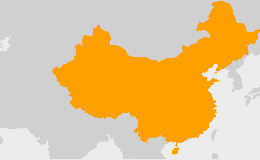
La CSI no tiene ninguna afiliada en China.
según la ley
Libertad sindical / Derecho de sindicalización
Libertad sindical
El derecho a la libertad sindical está reconocido por la ley, pero estrictamente regulado.
Discriminación antisindical
La ley permite la discriminación antisindical.
Restricciones al derecho de los trabajadores y trabajadoras a formar y afiliarse a organizaciones de su elección
- La ley impone un sistema de monopolio sindica y/o un sistema que prohíbe o restringe la sindicalización a ciertos niveles (empresa, industria/sector, regional/territorial, nacional)
- Legalmente sólo se reconoce una organización de "trabajadores": la All China Federation of Trade Unions (ACFTU). Según la Ley de Sindicatos el establecimiento de cualquier organización sindical, local, nacional o industrial "debe presentarse a la organización sindical de nivel inmediato superior para su aprobación". Las organizaciones sindicales de nivel superior "deben ejercer el liderazgo" sobre las de nivel inferior. La nueva Ley sobre Contratos Laborales (NLCL), efectiva a partir del 1 de enero de 2008, así como diversas directivas regionales, facilitan aún más el control de los directivos y las sectoriales de la ACFTU de nivel superior sobre los sindicatos de base y los representantes de los trabajadores que no pertenecen todavía a un sindicato.
- La ley impone restricciones al derecho de los trabajadores/as a afiliarse al sindicato de su elección
- Los trabajadores/as no son libres de establecer o afiliarse al sindicato de su elección. Legalmente sólo se reconoce una organización de "trabajadores": la All China Federation of Trade Unions (ACFTU).
Restricciones al derecho de los sindicatos a organizar su administración
- Restricciones a la libertad para organizar libremente actividades y formular programas
- La Ley habilita a la All China Federation of Trade Unions (ACFTU) a controlar las finanzas de todas las organizaciones que la constituyen.
Derecho a la negociación colectiva
Derecho a la negociación colectiva
El derecho a la negociación colectiva no está protegido por la ley.
Restricciones al principio de negociación libre y voluntaria
- Prohibición o limitación de la negociación colectiva a ciertos niveles (empresa, industria/sector, regional/territorial, nacional)
- Actualmente no existe una ley nacional que regule específicamente los procedimientos de negociación colectiva, sino sólo reglamentos sobre los contratos colectivos.
Derecho de huelga
Derecho de huelga
Está prohibido hacer huelga.
Otras restricciones
- Otras restricciones
- El derecho a la huelga fue eliminado en 1982. El Gobierno utiliza con frecuencia las leyes de orden público para reprimir a los activistas jurídicos y los sindicalistas. No es posible que un trabajador participe en una huelga o manifestación legítima sin violar la ley china que prohíbe la alteración del orden público. Además, es común que el fiscal y el tribunal consideren que las acciones laborales emprendidas por los trabajadores son violaciones de la seguridad pública y no el ejercicio de derechos fundamentales.
En la Práctica
El Gobierno chino sigue recurriendo indebidamente a los artículos 75, 290 y 293 del Código Penal de la RPC para efectuar arrestos y detenciones penales así como ordenar el arresto domiciliario de activistas sindicales e integrantes de grupos de apoyo a los trabajadores en un lugar determinado en relación con el conflicto laboral en Jasic Technologies, donde cuatro trabajadores fueron despedidos y detenidos por las fuerzas de seguridad pública por formar un sindicato de base en 2018. Al parecer las autoridades han sometido a ciertas restricciones a 48 trabajadores y activistas sindicales relacionados con el conflicto, para posibilitar la verificación independiente de su situación y paradero. Se sospecha que otros activistas sindicales que no están directamente involucrados en el conflicto de Jasic han sido detenidos por su activismo sindical.
El activista laboral chino Chen Weixiang y otras dos personas que habían sido detenidos en Guangzhou a finales de 2019, fueron puestos en libertad tras medio mes de detención administrativa y pudieron regresar a su casa y reunirse con su familia y amigos. Chen Weixiang publicó en Facebook un mensaje de agradecimiento al público por su solidaridad.
Chen Weixiang ha estado trabajando en temas relacionados con los derechos laborales en China y ha abierto una cuenta pública en WeChat llamada “Heart Sanitation”. Le preocupan cuestiones como los bajos salarios y los contratos inaceptables que tienen los trabajadores de la sanidad. El 17 de diciembre de 2019, Chen Weixiang, junto con un voluntario de apellido Lu y un estudiante chino de apellido Zhang que está realizando estudios de posgrado en Taiwán y llevando a cabo una investigación para una tesis en Guangzhou, fueron arrestados en su domicilio por una decena de agentes de policía uniformados y de civil, después de lo cual fue imposible localizarles. Se empezó a rumorear que las tres personas habían sido arrestadas por “provocar disturbios y crear problemas” y detenidas durante 15 días a partir del 18 de diciembre. Chen y los otros dos activistas fueron finalmente puestos en libertad y recogidos por sus respectivas familias. Las razones exactas del arresto de Chen siguen siendo una incógnita.
El 20 de marzo de 2019, Wei Zhili, editor de iLabour.net, un sitio web sobre derechos laborales de China, fue detenido por las autoridades de Guangzhou. La policía informó a sus padres que a su hijo le habían “lavado el cerebro” para que ayudara a los trabajadores, y que se lo llevaban para “educarlo”. La policía registró la casa de los padres de Wei, donde este se alojaba, y confiscó su ordenador portátil y su teléfono móvil. Ke Chengbing, un compañero de Wei, también fue puesto bajo custodia policial. Yang Zhengjun, editor jefe del sitio de noticias iLabour, permanece detenido por la policía desde enero.
Los periodistas habían estado siguiendo de cerca la lucha de los trabajadores y trabajadoras de la provincia de Hunan que padecían silicosis, una forma de neumoconiosis y la enfermedad ocupacional más grave y extendida en China. Cada vez que los trabajadores con silicosis iban a protestar a Shenzhen, ellos difundían la noticia a través de su revista. El Gobierno chino considera que ese apoyo es “antirrevolucionario y contrario al partido comunista”.
Una semana más tarde, el 27 de marzo, cuando ambos activistas permanecían detenidos, un centenar de trabajadores de Hunan que padecían neumoconiosis fueron detenidos por las autoridades en la estación de tren local de Sangzhi para impedirles viajar a Shenzhen y mostrar su solidaridad con Wei Zhili. El 21 de abril, cerca de un centenar de trabajadores que padecen dicha enfermedad firmaron una petición en la que solicitaban la puesta en libertad de los tres destacados activistas, y la publicaron en línea.
El 20 de abril los dos activistas fueron recluidos en régimen de “vigilancia domiciliaria en un lugar designado”, una forma de detención que permite a las autoridades retener a personas por delitos graves, como poner en peligro la seguridad nacional. Zheng Churan, esposa de Wei y destacada activista feminista, expresó su preocupación por el hecho de que ya no estuvieran bajo custodia policial y se desconociera su paradero. “Puede sucederles cualquier cosa”.
A finales de agosto la policía notificó por escrito a las tres familias que los tres activistas habían sido oficialmente arrestados, acusados de “provocar disturbios”.
En un evidente intento de acoso e intimidación, la esposa del destacado activista laboral Wu Guijun, que permanece detenido desde el 20 de enero de 2019, fue detenida por la policía el 15 de marzo de 2019 para ser interrogada. Dos días antes, Zhou Yuzhi había publicado una carta abierta en la que criticaba el arresto de su marido como una violación de los derechos civiles y los derechos laborales básicos, protestando asimismo por la el hecho de que se le impidiera reunirse con su abogado.
Zhou había vuelto a su casa después del trabajo cuando se encontró con un coche de policía aparcado cerca y siete hombres esperándola. Se la llevaron a comisaría y la interrogaron durante más de dos horas. La policía le preguntó principalmente sobre la carta abierta que había publicado en su cuenta de WeChat el 13 de marzo de 2019: querían saber si la había escrito un abogado, y le preguntaron reiteradamente sobre los detalles de su educación para intentar averiguar si la había escrito ella o no. Zhou insistió en que la había escrito ella, y se negó a admitir que el abogado de Wu no estuviera haciendo un buen trabajo, señalando que era la policía la que había impedido que su marido pudiera reunirse con él, y la que se negaba a proporcionarle información sobre su situación. La policía la dejó volver a casa después del interrogatorio.
El 20 de enero de 2019, cinco activistas laborales –Zhang Zhiru, Jian Hui, Song Jiahui, Wu Guijun y He Yuancheng– fueron detenidos por la policía de Shenzhen en Shenzhen, Guangzhou y Changsha. A cuatro de ellos se les negó la autorización para reunirse con sus abogados; solo Yuancheng pudo hacerlo. Los respectivos familiares, que habían contratado los abogados, notificaron un acoso continuo por parte de las autoridades. El 5 de marzo de 2019 se confirmó que los cinco activistas habían sido oficialmente detenidos, acusados de “congregar a una multitud para perturbar el orden social”, y que probablemente se enfrentarían a largas penas de cárcel.
Esta medida parece inscribirse en la ofensiva del Gobierno contra los crecientes disturbios laborales, y estar dirigida contra algunos de los activistas más eficaces del país.
Durante los cinco años anteriores, Wu Guijun y Zhang Zhiru estuvieron considerados los dos activistas laborales más destacados y eficaces de Shenzhen. Después de organizar en 2013 a los trabajadores del fabricante de muebles Diweixin, propiedad de Hong Kong, en Shenzhen, Wu Guijun permaneció detenido durante más de un año, hasta que, en junio de 2014, fue puesto en libertad sin cargos. Tras su liberación, Wu Guijun siguió ayudando a los trabajadores en tanto que activista independiente.
Zhang Zhiru se convirtió en un destacado activista después de haber estado trabajando en diversas obras de construcción y líneas de montaje, y en 2007 fundó el centro de resolución de conflictos laborales Chunfeng Labour Dispute Service Centre, que intervino en numerosos conflictos laborales durante la década de 2010 y asesoró a miles de trabajadores y trabajadoras en los procesos de negociación colectiva con sus empleadores. Jian Hui también trabajó en Chunfeng, mientras que He Yuancheng había sido editor del Foro de Negociación Colectiva. Por su parte, Song Jiahui, extrabajador en la fábrica de calzado Lide Shoe de Guangzhou, fue elegido representante de los trabajadores en el que posiblemente sea el caso de negociación colectiva más exitoso de la historia reciente del movimiento laboral de China.
El 29 de enero de 2019, el grupo de apoyo a los trabajadores Jasic Workers Support Group (JWSG) publicó un fragmento de audio y la transcripción de un video en el que aparecían varios miembros del JWSG detenidos, supuestamente “confesando”. El Gobierno chino había estado obligando presuntamente a estudiantes activistas a verlo.
El vídeo hacía referencia a los acontecimientos que comenzaron en julio de 2018 con la detención de los trabajadores que exigían el establecimiento de un sindicato en la fábrica de Jasic Technology de Shenzhen, tras lo cual se produjo una ola de protestas a la que las autoridades respondieron con una campaña de represión contra el activismo laboral. Más de 40 trabajadores y simpatizantes fueron detenidos en relación con el conflicto de Jasic, mientras que los grupos estudiantiles y de la sociedad civil que apoyaban a los trabajadores de Jasic fueron sistemáticamente acosados por las autoridades. En el momento de la publicación del vídeo, decenas de trabajadores, estudiantes, sindicalistas y activistas de la sociedad civil permanecían detenidos.
Según las transcripciones de vídeo, Gu Jiayue, Zheng Yongming, Shen Mengyu y Yue Xin fueron filmados para confesar delante de la cámara. Declararon que habían emprendido una acción colectiva para obligar al Gobierno y al empleador a aceptar o ceder a las demandas de los trabajadores, lo cual repercutió de forma muy negativa en las fuerzas de seguridad del Estado. “Admitieron” su ignorancia acerca de China, que habían publicado información “incorrecta” en línea y que habían engañado a un público desinformado para que participara en las protestas, sin tener ellos mismos conocimiento de todos los “hechos”. También “reconocieron” que sus acciones ayudaron a “fuerzas extranjeras con planes propios” a difamar a China, lo cual vulneraba su intención inicial de ayudar a los trabajadores a salvaguardar sus derechos.
Como señaló la central sindical Hong Kong Confederation of Trade Unions (HKCTU), la autenticidad de esas “confesiones” sigue siendo cuestionable, sobre todo por el lenguaje que se utiliza. Además, en el vídeo se destaca reiteradamente que la acción colectiva de los trabajadores constituye una amenaza para la seguridad del Estado y se considera ilegal.
Otros siete estudiantes y licenciados universitarios fueron detenidos en el marco de las enérgicas medidas de represión emprendidas contra todos los involucrados en el conflicto laboral de Jasic Technology.
El 21 de enero de 2019 la policía arrestó a tres estudiantes de la Universidad de Pekín, Li Ziyi, Ma Shize y Zhang Ziwei, al licenciado Li Jiahao y al estudiante de la Universidad de Renmin Yian Zihao. Ese mismo día, varias personas no identificadas capturaron a Sun Jiayian, estudiante de la Universidad de Pekín, y al licenciado Huan Yu. A finales de enero de 2019 seguía sin conocerse el paradero de estos estudiantes. Se cree que sus arrestos están relacionados con una serie de artículos publicados en Internet sobre varios estudiantes que fueron obligados a ver los “vídeos de confesión” de otros militantes del Jasic Workers Support Group detenidos. Según estos artículos, el Gobierno había forzado a los detenidos a hacer estas confesiones.
Justo antes de su desaparición, uno de los estudiantes, Zhang Ziwei, había escrito repetidos mensajes en las redes sociales en los que afirmaba que la autoridades le estaban buscando.
Antes de su detención, la dirección de la Universidad de Pekín y la policía habían aconsejado encarecidamente a los cuatro estudiantes que se quedaran en su casa durante las vacaciones del Año Nuevo Lunar y que informaran con regularidad sobre su paradero. Li Jiahao es uno de los simpatizantes de Jasic que estuvo temporalmente detenido durante la redada policial del 24 de agosto de 2018.
La policía dispersó con violencia una manifestación organizada para reclamar una indemnización, dejando numerosos trabajadores heridos. El 6 y 7 de enero, 200 trabajadores de la empresa OPD Technology de Shenzhen convocaron una huelga de dos días para protestar contra la negativa de la empresa a proporcionar una indemnización a los empleados tras anunciar el traslado de sus operaciones a otra ciudad.
La planta de OPD Technology iba a trasladarse a Qingxi, ciudad industrial situada en la prefectura de Dongguan, provincia de Guangdong, a más de 70 kilómetros de distancia. El Gobierno había ordenado la reubicación de la fábrica para facilitar la construcción de una nueva carretera.
Según la legislación de Shenzhen, las empresas que trasladan fábricas fuera de la ciudad tienen que pagar una indemnización a los trabajadores, la cual se calcula en función de la antigüedad laboral de cada trabajador. OPD Technology estaba intentando trasladar su fábrica sin hablar con los trabajadores y sin pagarles la correspondiente indemnización.
El 8 de enero la policía intervino violentamente, dispersando a los manifestantes y dejando numerosos heridos. La huelga se suspendió cuando la empresa, respaldada por el Gobierno local, anunció que pagaría el 40 por ciento de la indemnización exigida por la ley.
Tres compañeros de la activista sindical Shen Meng-yu, destacada defensora de los intentos de los trabajadores de Jasic para establecer un sindicato independiente, fueron detenidos e interrogados por la policía el 9 de noviembre de 2018. Li Yuan-zhu, Dai Hui-fang y Wang Gui-xia fueron detenidos sin motivo aparente. Durante la detención fueron interrogados y presionados por la policía para que declararan contra Shen Meng-yu. Según la policía, había “pruebas” de que Shen Meng-yu habría aceptado financiación extranjera para “agitar a los trabajadores” de la fábrica, y, al parecer, el objetivo de las detenciones era conseguir que los tres trabajadores corroboraran ese relato.
Dai Hui-fang alegó que la policía había utilizado duras tácticas para interrogarlo durante su detención. Li Yuan-zhu señaló que la policía le obligó a permanecer despierto durante más de 30 horas, le desgarró la ropa y le dio patadas en las piernas, y que al final le forzaron a escribir una “declaración de garantía” criticando a Shen Meng-yu. Tras su puesta en libertad, los tres trabajadores informaron al Jasic Workers Solidarity Group del trato abusivo que habían recibido.
El 13 de noviembre Li Yuan-zhu compartió en las redes sociales el relato sobre el maltrato que había recibido de manos de la policía y la confesión que le obligaron a firmar a base de tortura. Al poco tiempo tuvo que afrontar las represalias de su empleador, de la policía y de la sección local de la ACFTU. El 22 de noviembre su empleador le despidió. Trató de obtener ayuda del sindicato de empresa ACFTU, pero este no hizo nada para ayudarle. Su empleador llamó después a la policía y los agentes se lo llevaron a la fuerza a comisaría.
El grupo de apoyo a los trabajadores de Jasic, Jasic Workers Support Group (JWSG), informó que el 9 de noviembre de 2018 dos miembros del personal del sindicato comunitario de Shenzhen de la central sindical All-China Federation of Trade Unions (ACFTU) fueron detenidos por ayudar a los trabajadores de Jasic a establecer un sindicato dentro del marco de la ley. El suceso desencadenó el conflicto laboral de Jasic. Tras la 17ª Asamblea General de la ACFTU en octubre, los miembros del personal de los sindicatos de base se convirtieron en blanco de la campaña de represión.
Los dos trabajadores fueron detenidos el 9 de noviembre, acusados de “provocar peleas y disturbios”. La primera, Zhou Li-ping, presuntamente había ayudado a los trabajadores de Jasic a preparar la solicitud para establecer un sindicato. Según el JWSG, Zhou Li-ping fue uno de los pocos miembros del personal de la ACFTU que se había solidarizado con los trabajadores. El otro miembro del personal detenido era Li Ao, que también había ayudado a los trabajadores de Jasic.
Huang Sha, el abogado que estaba representando a los trabajadores y activistas sindicales vinculados con el conflicto de Jasic Technology, también fue detenido. El JWSG informó que las autoridades lo detuvieron en su domicilio en Putian, Shenzhen, la noche del 30 de noviembre.
El 7 de noviembre de 2018 la policía de Shenzen utilizó gas pimienta contra un grupo de manifestantes que padecían neumoconiosis, una enfermedad laboral también denominada enfermedad del pulmón negro. En las imágenes de un vídeo que circulaba por las redes sociales chinas podía verse a varios trabajadores que, debilitados por esta enfermedad mortal, se desvanecían al no poder respirar. En otro vídeo aparecía un trabajador con la mano ensangrentada, mientras un compañero condenaba fuera de cámara el uso de la fuerza contra ellos.
El 5 de noviembre, un grupo de aproximadamente 200 trabajadores afectados por la neumoconiosis, acompañados de familiares, se desplazaron a Shenzhen desde Leiyang, Sangzhi y Milu (provincia de Hunan) y se reunieron en las oficinas locales del Ministerio de Recursos Humanos y Seguridad Social (MOHRSS).
Los trabajadores habían estado tratando de obtener una indemnización desde el año 2009. La complicación radica en que, en China, los trabajadores del sector de la construcción no suelen tener contrato de trabajo, por lo que resulta difícil demostrar que han estado empleados en Shenzhen. Los trabajadores presentaron una detallada escala de tres fases de gravedad de la enfermedad laboral junto con la indemnización correspondiente en cada caso, haciendo hincapié en que los trabajadores han de ser indemnizados tan pronto como se les diagnostique la neumoconiosis, sin necesidad de demostrar la existencia de una relación laboral previa.
La neumoconiosis es la enfermedad laboral más extendida en China, pero debido a complicados procedimientos burocráticos y a la influencia de los empleadores, los trabajadores tienen muchas dificultades para obtener un diagnóstico oficial de enfermedad laboral.
Para colmo, los trabajadores descubrieron que los hoteles cercanos habían recibido orden de no aceptar reservas del grupo, y al parecer sus documentos de identidad habían sido incluidos en una lista negra. No obstante consiguieron reunirse con representantes del Ministerio, pero los funcionarios insistieron en que era fundamental demostrar la existencia de una relación laboral para poder pagar una indemnización a los trabajadores, tal como se estipula en el reglamento de seguros. De lo contrario los trabajadores solo tienen derecho a recibir ayudas de emergencia. Finalmente no se llegó a ningún acuerdo y los trabajadores prometieron seguir con su protesta, según informó China Labour Bulletin, una ONG que promueve y defiende los derechos de los trabajadores de China.
El 27 de julio de 2018, 30 personas (23 hombres y 7 mujeres, varios de ellos trabajadores de la fábrica Jasic Technology y de otras fábricas, y un estudiante) fueron detenidas por motivos penales acusadas de “provocar peleas y disturbios” en las inmediaciones de la comisaría de Policía de Yanziling, en el distrito de Pingshan de Shenzhen, al sur de China.
Las noticias sobre el despido de dos organizadores sindicales de la fábrica Jasic a principios de mes, y las palizas propinadas a ambos así como a algunos de sus simpatizantes, habían suscitado un interés considerable en las redes sociales chinas. Mucha gente salió a las calles para apoyar a los trabajadores, en particular grupos de estudiantes de destacadas universidades chinas. Los trabajadores habían estado tratando de crear su propio sindicato desde mayo, para hacer frente a los bajos salarios, a los pagos insuficientes de las contribuciones a la seguridad social y al fondo de vivienda, y a otros ataques a los niveles de vida. Sin embargo, la empresa había establecido mientras tanto su propio “sindicato” o comité de representantes de los trabajadores.
Otras personas fueron brevemente detenidas e interrogadas por la policía después de manifestarse a las puertas de la comisaría en apoyo a los detenidos.
Los acontecimientos se produjeron tras una protesta que había tenido lugar tres días antes, cuando un grupo de trabajadores se manifestó a las puertas de la fábrica para reclamar la readmisión de sus compañeros despedidos.
Parte de los detenidos fueron puestos en libertad a principios de agosto, pero 14 de ellos permanecían bajo custodia, al tiempo que el apoyo por su causa iba aumentando paulatinamente.
El 3 de septiembre, cuatro de los detenidos fueron formalmente acusados de “reunir a una multitud para alterar el orden público”. Tres de los detenidos, Yu Juncong, Mi Jiuping y Liu Penghua, eran trabajadores que habían intentado establecer un sindicato en la fábrica Jasic, mientras que Li Zhan era un extrabajador de Jasic que apoyaba su causa. En aquel momento, 11 de los detenidos seguían bajo custodia policial o bajo arresto domiciliario.
El 24 de agosto de 2018, más de 50 estudiantes activistas que apoyaban a los trabajadores despedidos por haber intentado establecer un sindicato en la fábrica Jasic Technology de Shenzhen, fueron detenidos a primera hora de la mañana durante una redada policial en sus viviendas alquiladas en la vecina ciudad de Huizhou.
Entre los detenidos se encontraban Lan Zhiwei, Yu Kailong y Yu Weiye, tres trabajadores que habían sido puestos en libertad bajo fianza tras un arresto masivo previo, así como los estudiantes activistas Yue Xin, Zhan Zhenzhen y Feng Ge, de la Universidad de Beijing, y varios estudiantes de la Universidad de Renmin y de la Universidad de Nanjing.
También se informó de las detenciones de dos representantes de los trabajadores y de Gu Jiayue, una estudiante que había acudido a la All-China Federation of Trade Unions y a la All-China Women’s Federation en relación con el caso de los trabajadores de Jasic.
Tras su detención, los estudiantes fueron puestos en libertad por separado. Se les confiscaron los teléfonos y ordenadores y se les informó que estarían bajo vigilancia policial.
El 11 de agosto de 2018 la trabajadora y activista Shen Mengyu fue secuestrada, mientras cenaba con su padre, por tres hombres no identificados que se sospecha pertenecen a las Fuerzas de Seguridad chinas, e introducida a la fuerza en un coche camuflado. El activista Xiao Hu fue detenido aproximadamente a la misma hora. Ambos eran destacados defensores de los trabajadores de la fábrica de Jasic Technology y habían estado tratando de establecer un sindicato independiente.
Shen Mengyu fue uno de los autores de una carta abierta publicada recientemente, sumamente crítica con el propietario de Jasic Technology y con el jefe de personal. La policía se negó a investigar su desaparición y desestimó el caso clasificándolo de “disputa familiar”, alegando además que las cuatro cámaras de seguridad situadas en el lugar del secuestro estaban “estropeadas”.
Varios informes señalan que Shen permanecía detenida en una casa de Shenzhen, un centro de detención no oficial, o “cárcel negra”, y se encontraba bajo vigilancia ininterrumpida. Según el sitio web “China Worker”, estas tácticas son un método de represión habitual en China, mediante el cual la policía puede mantener a una persona detenida de manera indefinida y aislada de todo tipo de contacto con abogados, familiares y medios de comunicación.
El 16 de julio de 2018, Mi Jiuping y Liu Penghua fueron despedidos por Jasic Technology y posteriormente agredidos por unos matones. Los directivos les acusaban de tratar de crear un sindicato “ilegal” en Jasic Technology Co Ltd, una empresa privada que fabrica maquinaria para soldar, ubicada en Shenzhen, al sur de China.
La campaña de los trabajadores para establecer un sindicato independiente empezó en mayo, cuando las condiciones de trabajo en la fábrica del distrito de Pingshan, en la provincia de Shenzhen, se deterioraron presuntamente hasta tal punto que los trabajadores afirmaban estar siendo tratando “como esclavos” por la empresa. La dirección les estuvo estafando cientos de yuanes todos los meses al modificar arbitrariamente sus turnos de trabajo, además de pagar importes inferiores por sus contribuciones a la seguridad social y al fondo de vivienda.
Los trabajadores recurrieron a la oficina sindical local de Pingshan para resolver sus quejas con la dirección, donde se les recomendó afiliarse formalmente al sindicato. No obstante, la dirección de Jasic ya había establecido su propio comité de empresa, excluyendo a los candidatos que los propios trabajadores habían propuesto como representantes.
El 20 de julio Mi y Liu trataron de acceder a la fábrica pero los guardias de seguridad se lo impidieron. Tras producirse un altercado, la policía intervino y detuvo a varios trabajadores. Los compañeros se concentraron frente a la comisaría de policía y llevaron a cabo una manifestación maratoniana durante el fin de semana. Todos los trabajadores fueron posteriormente puestos en libertad.
El 27 de mayo de 2018 la policía detuvo en la ciudad de Lu’an, provincia de Anhui, a 16 docentes jubilados durante una protesta organizada por el impago de las primas por rendimiento.
Cerca de 200 docentes participaron en la manifestación, desfilando hasta la Oficina del Gobierno Municipal con pancartas para reclamar el pago de los atrasos y un mejor trato.
Centenares de policías acudieron al lugar de la manifestación. En las fotos y vídeos colgados en las redes sociales chinas aparecen policías empujando y arrastrando a personas que trataban de escapar de los arrestos, dejando patente un excesivo uso de la fuerza por parte de los agentes.
Poco después de su publicación, los censores del Gobierno chino borraron de las redes sociales los mensajes relacionados con el incidente, pero para entonces las imágenes de la policía golpeando a pensionistas ya habían desatado una gran indignación pública. Al parecer el Gobierno también trató de obligar a los docentes a firmar un documento por el cual confirmarían haber recibido todo el dinero que se les debía. A raíz de esto, tres días más tarde se produjo otra manifestación a las puertas del edificio del Gobierno Municipal, durante la cual los manifestantes insistieron en que el Gobierno no había pagado a los docentes jubilados el dinero que les debía.
Los seis activistas, cinco de los cuales no fueron puestos en libertad hasta 2017, tras haber permanecido más de un año detenidos, siguen sin poder reincorporarse a su trabajo a pesar de las recomendaciones del Comité de Libertad Sindical de la OIT. Zhu Xiaomei y Zhen Fei Yang están obligados a llevar un dispositivo GPS y deben dar regularmente parte a las fuerzas de seguridad. Meng Han, el único activista que estaba cumpliendo una pena de 21 meses de cárcel, fue puesto en libertad el 3 de septiembre de 2017, pero sigue estando sometido a una estricta vigilancia por parte del Departamento de Seguridad Pública. De hecho, Meng fue brevemente detenido y de nuevo encarcelado el 22 de septiembre por haber publicado en Internet el diario que escribió durante su estancia en la cárcel: en él relataba su participación en la huelga de Lide, evento que condujo a su posterior condena. Hasta hace poco, las autoridades habían restringido considerablemente su libertad personal y le habían puesto día y noche bajo la vigilancia de agentes de seguridad pública.
A pesar de que durante su estancia en la cárcel se le diagnosticó una hepatitis C, las autoridades le han negado el acceso a sus informes médicos desde su puesta en libertad. Por si fuera poco, también le confiscaron sus documentos de identidad hasta que se comprometiera a dejar de llevar a cabo actividades de defensa de los derechos laborales y a no seguir acordando entrevistas a los medios de comunicación. Meng Han se negó finalmente a aceptar ese trato, de manera que, sin documentos de identidad, no puede recibir atención médica en hospitales públicos ni en clínicas privadas, y tampoco puede trabajar. Para tratar su enfermedad, Meng se ve obligado a comprar unas medicinas que le cuestan aproximadamente 2.500 yuanes al mes.
El 6 de diciembre de 2017, el Consejo de Estado emitió el Reglamento de aplicación de la Ley sobre contraespionaje, que había entrado en vigor el noviembre de 2014. El nuevo Reglamento refuerza considerablemente los poderes de los servicios de seguridad del Estado, que ya habían ganado una influencia considerable en virtud de la legislación inicial. Concretamente, de conformidad con la sección 8 del Reglamento, los servicios de seguridad del Estado pueden investigar actos de subversión que no estén necesariamente relacionados con el espionaje, entre ellos:
 situaciones que impliquen “la fabricación o deformación de hechos, la publicación o divulgación de textos o información que pongan en peligro la seguridad nacional, y la creación, transmisión o edición de productos u otras publicaciones que pongan en peligro la seguridad nacional”;
“el uso de la religión para llevar a cabo actividades que pongan en peligro la seguridad nacional”; y
situaciones en las que “extranjeros violen las disposiciones relevantes, hagan caso omiso de las advertencias y, sin autorización, se reúnan con personas del continente que hayan puesto en peligro la seguridad nacional o sobre las que pesen fuertes sospechas de haber puesto en peligro la seguridad nacional”.
situaciones que impliquen “la fabricación o deformación de hechos, la publicación o divulgación de textos o información que pongan en peligro la seguridad nacional, y la creación, transmisión o edición de productos u otras publicaciones que pongan en peligro la seguridad nacional”;
“el uso de la religión para llevar a cabo actividades que pongan en peligro la seguridad nacional”; y
situaciones en las que “extranjeros violen las disposiciones relevantes, hagan caso omiso de las advertencias y, sin autorización, se reúnan con personas del continente que hayan puesto en peligro la seguridad nacional o sobre las que pesen fuertes sospechas de haber puesto en peligro la seguridad nacional”.
La sección 6 del Reglamento también amplía el concepto de “financiación” del espionaje incluyendo la financiación destinada a personas implicadas en actividades de espionaje, aunque los fondos no se utilicen con ese objetivo y la persona que los proporciona no esté al corriente de ningún comportamiento ilegal. Estas medidas van a reforzar considerablemente el poder de los servicios de seguridad del Estado a la hora de tratar con activistas y ONG que trabajan en ámbitos políticamente sensibles, y van a servir para intimidar a los donantes extranjeros.
Desde abril, con arreglo a las medidas para recompensar a los ciudadanos que proporcionen pistas sobre operaciones de espionaje, el Departamento de Seguridad del Estado de Beijing comenzó a recompensar a los informadores con sumas de entre 10.000 y 500.000 yuanes.
En agosto de 2017, el extrabajador migrante y activista sindical Lu y su novia Li Tingyu fueron condenados a cuatro años de cárcel. Ambos gestionaban un blog en línea titulado Wekidonna en el que publicaban concretamente información sobre conflictos laborales y casos de interrupción del trabajo que se notificaban en las redes sociales. A principios de año, el activista Huang Qi fue detenido durante seis meses debido a su trabajo como reportero sobre sucesos parecidos que publicaba en su página web 64 Tianwang.
El 7 de julio de 2017, el activista sindical Liu Shaoming fue condenado a cuatro años y medio de cárcel por “incitación a la subversión contra el poder del Estado”.
Liu Shaoming es activista sindical, exmiembro de la Beijing Workers’ Autonomous Federation (BWAF), el primer sindicato independiente de China, y el fundador de Volunteers for Workers’ Rights, una organización dedicada a tender puentes entre los movimientos prodemocráticos y los que defienden los derechos laborales en China durante conflictos laborales colectivos.
Estos últimos años, Liu ha conseguido organizar satisfactoriamente a los trabajadores en varios conflictos destacados y obtener soluciones justas. En mayo de 2015 Liu publicó un ensayo sobre sus experiencias durante los acontecimientos de la plaza de Tiananmen en 1989, cuando era miembro de la Beijing Workers’ Autonomous Federation (BWAF). Cuatro días más tarde se notificó su desaparición. El 14 de junio de 2015, la Policía de Guangdong confirmó que se encontraba detenido en el Centro de Detención de Huadu, en la provincia de Guangdong. Se le acusaba de “provocación de peleas y disturbios” y de “incitación a la subversión contra el poder del Estado”.
En abril de 2016, Liu fue juzgado en un Tribunal Popular Intermedio de Guangzhou sin que se le permitiera reunirse con su abogado antes ni durante el juicio por motivos de “seguridad nacional”. El juicio no duró más que un día y Liu permaneció detenido.
En julio de 2017 el deterioro de su estado de salud se estaba volviendo cada vez más preocupante. En una declaración publicada el 5 de julio de 2017, la Hong Kong Confederation of Trade Unions (HKCTU) declaró: “Los informes indican que Liu Shaoming ha estado padeciendo dolores abdominales desde octubre de 2016. Liu Shaoming necesita recibir atención médica adecuada de inmediato”. Liu fue oficialmente condenado dos días más tarde.
Varios defensores chinos de los derechos humanos han sido encarcelados por intentar mantener viva la memoria del movimiento prodemocrático de la plaza de Tiananmen, que fue violentamente reprimido por el Ejército. Centenares de civiles –más de un millar, según algunas estimaciones– murieron presuntamente durante las represiones.
El 27 de junio de 2017, la policía antidisturbios se presentó en la fábrica Zama Pre Zama Precision Industry de Shenzhen para reprimir una manifestación organizada por centenares de trabajadores que reclamaban un tratamiento médico tras los años pasados realizando trabajos de pintura peligrosos sin disponer de equipos de seguridad adecuados. La policía antidisturbios se presentó en la fábrica con perros. Cinco trabajadores fueron arrestados, y más de una docena resultaron heridos por el uso de gases lacrimógenos.
Los trabajadores de Zama se estaban organizando en la fábrica desde el mes de abril, cuando se enteraron de que la empresa tenía planes de trasladarse a Huizhou, a un centenar de kilómetros al noreste. Los trabajadores presentaron una serie de reivindicaciones, entre ellas varias quejas en materia de salud y seguridad, seguridad social e indemnizaciones por despido. Se pusieron en contacto con la dirección para tratar de negociar una indemnización. Wang, uno de los trabajadores, explicó que, al igual que sus 150 compañeros, estaba trabajando en condiciones peligrosas y se encontraba diariamente expuesto a sustancias químicas nocivas. “Mi puesto de trabajo está totalmente desprovisto de equipos de seguridad. La empresa no proporciona máscaras, guantes ni ningún tipo de indemnización especial, como sucede en otras fábricas”, explica Wang.
Los trabajadores padecen dolor de cabeza constante y temen haber contraído enfermedades relacionadas con su trabajo en Zama. Seleccionaron a 10 representantes y exigieron a la dirección el pago de los exámenes médicos para detectar posibles lesiones laborales antes del traslado de la fábrica. La dirección se negó a pagar ningún tipo de indemnización hasta que los trabajadores firmaran un nuevo contrato con la empresa o dimitieran voluntariamente. Los trabajadores de Zama rechazaron la propuesta y convocaron una huelga el 26 de junio, manifestándose en la fábrica. Al día siguiente la dirección llamó a la policía.
Tres activistas sindicales fueron arrestados el 28 de mayo de 2017 por haber investigado las condiciones laborales en diversas fábricas de calzado.
Hua Haifeng y Li Zhao trabajaron de manera encubierta en una fábrica de calzado de la ciudad de Dongguan, en la provincia de Guangdong, propiedad del Huajian Group, que produce calzado para marcas occidentales, incluida la marca Ivanka Trump. Durante el tiempo que estuvieron trabajando allí pudieron constatar que en la fábrica se cometían abusos de los derechos de los trabajadores, como por ejemplo el pago de sueldos inferiores al salario mínimo, abusos verbales contra los trabajadores y comentarios despectivos contra las empleadas. El tercer investigador, Su Heng, estuvo trabajando en una fábrica ligada a la misma empresa, en la ciudad de Ganzhou, provincia de Jiangxi, que también fabrica calzado de la marca Ivanka Trump.
Los tres activistas trabajaban para la ONG China Labour Watch. Estos arrestos han sido los primeros que la organización ha experimentado en sus 17 años de existencia. Hua Haifeng, que anteriormente había dicho que antes de su llegada a la fábrica desconocía siquiera la existencia de una marca de prendas de vestir con el nombre de Ivanka Trump, sospecha que el hecho de que la fábrica produjera calzado de dicha marca podría haber tenido algo que ver con su detención.
Hua Haifeng fue sometido a interrogatorios maratonianos cada dos días durante un mes, en el trascurso de los cuales la policía le preguntaba reiteradamente sobre los detalles de su investigación. Durante su detención la policía también registró su domicilio e interrogó a su esposa.
El 28 de junio los tres activistas fueron puestos en libertad bajo fianza pendiente de juicio.
El 26 de mayo de 2017, tres representantes de los trabajadores de una fábrica de Volkswagen de la ciudad de Changchun, al noreste del país, fueron detenidos por la policía y acusados de “haber organizado una reunión para perturbar el orden social”. Los arrestos estaban relacionados con una manifestación que los trabajadores contratados por agencia habían organizado el 21 de mayo, coincidiendo con el Maratón anual de Changchunel, con el objetivo de hacer valer sus reivindicaciones en favor de la igualdad salarial. Dos de los representantes de los trabajadores, Wang Shuai y Ai Zhenyu, fueron puestos en libertad a la espera de juicio tras pasar siete días detenidos, mientras que Fu Tianbo permaneció detenido.
La fábrica de FAW-Volkswagen de Changchun emplea a más de 3.000 trabajadores con contratos “temporales”. Muchos de ellos han estado trabajando allí durante más de diez años por un salario de apenas la mitad del sueldo que reciben los trabajadores a tiempo completo, y sin disfrutar de ninguna de las prestaciones acordadas a estos últimos. En noviembre de 2016 empezaron a organizarse para tratar de conseguir el mismo trato que recibe el personal fijo, tal como se prevé en la legislación china y en las normas internacionales. Trataron de presentar su caso ante la All-China Federation of Trade Unions (ACFTU), ante la Comisión de Arbitraje Laboral y ante la justicia, todo ello en vano. Las cartas que remitieron a la sede de Volkswagen en Alemania tampoco dieron ningún resultado.
En febrero organizaron una manifestación frente a la Comisión de Arbitraje Laboral del distrito, a raíz de la cual las autoridades procedieron a intensificar la vigilancia policial y la dirección a empezó a presionar todavía más a los representantes de los trabajadores, forzándoles a cambiar de trabajo o incrementándoles la carga de trabajo, según declaraciones. Muchos trabajadores también notificaron que la policía les había contactado varias veces por teléfono y que habían sido sometidos a vigilancia.
Tras el rechazo de la solicitud presentada para organizar una manifestación con ocasión del Primero de Mayo, los trabajadores la organizaron finalmente el 21 de mayo, lo que dio lugar a los arrestos mencionados. Fu Tianbo ha permanecido detenido a la espera de juicio, y su familia ha sido objeto de acosos.
Desde que se llevó a cabo la denominada “campaña 709” de 2015, los arrestos y las amenazas contra numerosos abogados defensores de los derechos humanos y sus familias no han cesado. A finales de abril de 2017, Li Heping, un destacado defensor de los derechos humanos, fue condenado por “subversión del poder del Estado” tras pasar dos años detenido. Durante un juicio a puerta cerrada que se celebró en Tianjin, fue condenado a tres años de cárcel con una suspensión de cuatro años, lo que significa que, estando en libertad, el tribunal puede ordenar su arresto en cualquier momento. Li Heping ha sido acusado de haber utilizado reiteradamente Internet y de haber concedido varias entrevistas a medios de comunicación extranjeros para desacreditar y atacar el poder del Estado y el sistema judicial de China. El tribunal también le ha acusado de haber aceptado fondos extranjeros y de haber empleado a demandados remunerados.
Para muchos otros el calvario continua. Así pues, sigue sin conocerse el paradero de otro abogado, Wang Quanzhang, mientras que, según informes fidedignos, Jiang Tianyong fue torturado durante su detención, fue detenido sin haber sido juzgado y permanece desaparecido desde noviembre de 2016. En enero de 2017, el abogado representante de Xie Yang, otro abogado encarcelado desde noviembre de 2016, presentó pruebas de las torturas a las que había sido sometido su cliente, con la transcripción de una conversación en la que se describían los detalles de los abusos físicos y psicológicos que este sufrió durante su detención. El 12 de enero de 2017, el defensor de los derechos humanos Li Chunfu reapareció en un estado lamentable tras haber permanecido cerca de 17 meses detenido; actualmente sufre violentos ataques de paranoia y se le ha diagnosticado esquizofrenia. El 27 de febrero de 2017, once misiones diplomáticas en Beijing escribieron una carta a Guo Shenkun, ministro de la Seguridad Pública, expresando “sus crecientes preocupaciones por las recientes denuncias de tortura y otros tratos o castigos crueles, inhumanos o degradantes en casos relacionados con abogados y otros defensores de los derechos humanos que se encuentran detenidos”.
El 1 de enero de 2017 entró en vigor la controvertida Ley sobre la gestión de las actividades de ONG extranjeras en China continental. Las ONG extranjeras tienen que registrarse y presentar informes a los servicios de seguridad pública. Las ONG extranjeras no registradas, y sus asociados en China, tienen que cumplimentar un formulario para que el Departamento de Seguridad Pública apruebe todas las actividades e investigaciones que lleven a cabo en China. Varios centros laborales de ayuda a los trabajadores migrantes, vinculados a las facultades de Derecho de la Universidad de Wuhan y la Universidad de Nanjing, se han visto obligados a cerrar como consecuencia de la aplicación de esta ley.
En tres ciudades chinas distintas –Chongqing, Chengdu y Jilin– donde están ubicadas tres fábricas distintas de Coca-Cola, se llevaron a cabo huelgas simultáneas. En el marco de una acción coordinada sin precedentes en el activismo chino, los empleados de la empresa de Coca-Cola de China se manifestaron contra la decisión del gigante multinacional de vender sus operaciones de embotellado en el país. A mediados de noviembre de 2016, la empresa anunció sus planes de ceder su participación en el proceso de embotellado en China a dos empresas: Swire Beverage Holdings Ltd. y a China Foods Ltd., pertenecentes a la empresa estatal COFCO.
Preocupados por el hecho de que COFCO fuera a reducir su personal después de asumir sus nuevas responsabilidades, el 21 de noviembre de 2016 los trabajadores convocaron una huelga general coordinada. Los trabajadores temporales contratados por la policía entraron en las instalaciones de la fábrica de Chongqing, apagaron todas las luces y comenzaron a apalear y a secuestrar a los manifestantes, entre los que había una mujer embarazada, aludiendo como justificación la necesidad de mantener el orden público. A esto le siguió un sangriento conflicto cuando el personal no oficial de la policía partió las puertas de los aseos donde los trabajadores se habían escondido para protegerse.
Un directivo de nivel medio de Coca-Cola en China declaró que la empresa no había respondido a las demandas del personal, por lo que las tensiones se habían intensificado legítimamente. Sin embargo, los trabajadores habían hecho por su parte claros esfuerzos para tratar de llegar a un acuerdo con la dirección. En una tentativa para legitimizar un proceso de negociación conjunta de compra de la empresa, los empleados intentaron implicar a la All-China Federation of Trade Unions –el único sindicato reconocido por el Gobierno chino y financiado por el Estado– a pesar de su falta de experiencia a la hora de abogar por los derechos de los trabajadores. La dirección no atendió en ningún momento la propuesta de entablar negociaciones conjuntas, reprimiendo en cambio con violencia todas las acciones colectivas.
Un juez de la provincia de Langzhong, en Sichuan, condenó a ocho trabajadores migrantes –tres mujeres y cinco hombres– a penas de entre seis y ocho meses de cárcel. Antes de leerse el veredicto fueron alineados en una plaza pública, detrás de unas pancartas en las que se especificaban sus correspondientes pueblos de origen. Además de la presencia de varios centinelas armados con fusiles, cada uno de los trabajadores estaba flanqueado por guardias de policía y no pudieron disponer de un abogado defensor. Los ocho trabajadores fueron declarados culpables de haberse congregado el 16 de marzo delante de la oficina de su deudor, una constructora inmobiliaria, para reclamar los retrasos salariales que se les debía.
El “juicio” se celebró frente a una gran muchedumbre reunida para recibir lo que se conoce en China como “educación en la ley”, que consiste en condenar públicamente a los acusados para que sirva de lección a los ciudadanos. No obstante, a pesar de las intenciones de las autoridades, la reacción de los ciudadanos fue muy distinta a la esperada, y empezaron a acusar al empleador delincuente. Así pues, ante la indignación manifestada y las protestas colectivas que se produjeron, el Tribunal Popular de la Ciudad de Langzhong se vio obligado a eliminar de su sitio web las fotografías del juicio público. Los trabajadores chinos son conscientes de que los retrasos en el pago de los salarios son un gran problema para todos, y las protestas en este sentido son frecuentes y generalizadas en todo el país. Por ejemplo, a principios de marzo de 2016, miles de mineros de la provincia nororiental de Heilongjiang tomaron las calles después de que el gobernador alegara que no se les adeudaba salarios atrasados a ninguno de ellos, aunque finalmente terminó por admitir que se había equivocado.
En principio, los sueldos deberían pagarse antes de que los trabajadores viajen de vuelta a su lugar de origen, un mes antes de las vacaciones de Año Nuevo, pero muchos empleadores siguen sin hacerlo, en gran medida porque a los funcionarios locales les trae sin cuidado la inconveniencia que esto les supone a los trabajadores, y porque suelen estar además confabulados con los empleadores. La manera más fácil y más rápida de erradicar el problema es reprimir el conflicto, condenando a menudo a los trabajadores a penas de cárcel por reclamar el pago de los salarios, alegando obstrucción del tráfico o perturbación del orden público.
Zhao Xiaoming y Wang Shangyau, dos trabajadores de la empresa estatal Wuyang Iron and Steel Co. Ltd en la provincia de Henan, fueron despedidos el 13 de marzo de 2015 por instigar una huelga e incitar a los trabajadores a establecer un nuevo sindicato de empresa. La dirección amonestó a los trabajadores, quienes, para poder mantener sus puestos de trabajo, tuvieron que firmar una carta por la cual se comprometían a no afiliarse al nuevo sindicato y a abstenerse de criticar a la empresa.
El 2 de febrero de 2016, casi 10.000 trabajadores interrumpieron su trabajo y tomaron las calles para reclamar un aumento salarial. Zhao y Wang, entre otros, fueron arrestados y acusados de obstruir el tráfico y de perturbar el orden público.
Unos 300 trabajadores de logística empleados por la compañía Sinotrans en Shenzen fueron obligados por la dirección a aceptar ser trasladados a Dongguan. Fue entonces cuando los trabajadores, que venían ocupándose del almacenamiento de la compañía, se dieron cuenta de que no eran considerados empleados regulares, sino en realidad trabajadores temporales empleados a través de distintas agencias de reclutamiento. La dirección convocó a los representantes electos de los trabajadores a una reunión para tratar la cuestión. No obstante, cuando se dirigían al lugar de la reunión, los trabajadores fueron agredidos por 20 matones que les quitaron sus documentos de identidad y los forzaron a firmar cartas de dimisión.
Unos 5.000 trabajadores empleados en la fábrica Kalex PCB situada en Zhongshan participaron en una manifestación de protesta contra la reducción de las prestaciones de seguridad social. Los manifestantes fueron detenidos por policías antidisturbios cuando se dirigían hacia las oficinas gubernamentales. La policía recurrió a la violencia para parar el avance de los trabajadores, con un balance de tres trabajadores heridos y seis detenidos.
Dirigentes sindicales empleados en la fábrica Grosby Footwear Company Ltd (GCL), proveedor de Marks & Spencer y Pacific Brand, fueron arrestados y permanecieron detenidos en Shenzhen tras una huelga que duró más de un mes. La dirección se negó a reconocer a los dirigentes, libremente elegidos, y ordenó a los trabajadores que procediesen a elegir a otros dirigentes, tras su detención. Se escribió a las autoridades públicas y a la ACFTU, pero no respondieron en apoyo de los trabajadores. Por otro lado, 87 trabajadores/as fueron despedidos por su participación en la huelga, y el tribunal de arbitraje laboral de Henggang no dictaminó a favor de su solicitud de readmisión. Otros trabajadores se vieron intimidados por estas medidas, reanudando el trabajo. Los trabajadores/as que no participaron en la huelga recibieron bonificaciones de la empresa.
Los trabajadores y trabajadoras venían reclamando ser informados respecto a un posible cierre de la compañía, que tendría graves implicaciones para sus puestos de trabajo. Los empleadores generalmente se niegan a informar a los trabajadores respecto a sus planes de reducción de plantilla y restructuración, para eludir las negociaciones respecto a las indemnizaciones y los plazos de notificación.
En la mayoría de las huelgas y peticiones laborales que tienen lugar en todo el país, los trabajadores y trabajadoras son amenazados por los empleadores por vulnerar los reglamentos de la empresa, hostigados por representantes del Gobierno, o terminan en enfrentamientos físicos con la policía, que acude de inmediato aduciendo motivos de seguridad pública. Hay numerosos ejemplos. Estas reacciones estereotipadas son el resultado de la ausencia del derecho de huelga ahí donde los Gobiernos provinciales, municipales y locales están autorizados a establecer sus propias líneas para hacer frente a movimientos en masa definidos en base a la escala y el nivel de preocupación por la seguridad pública. Las directivas locales autorizan al Gobierno local a encomendar a los funcionarios civiles, la ACFTU y la policía a restaurar el orden publico y la producción.
En febrero de 2013, cerca de 200 trabajadores de la sanidad y guardias de seguridad empleados en el Primer Hospital Afiliado de la Universidad de Guangzhou de Medicina Tradicional China, y contratados a través de agencias de empleo, fueron despedidos sin previo aviso y sin que se les pagara la correspondiente indemnización por despido. En junio de 2013 los trabajadores organizaron un piquete en el hospital para reclamar las indemnizaciones por despido, como resultado de lo cual se les ofreció una indemnización de 20.000 CNY. No obstante, la agencia que empleaba a los guardias de seguridad seguía negándose a pagarles la indemnización que les correspondía. Durante la manifestación se produjo un enfrentamiento con la policía y varios arrestos. Doce guardias de seguridad fueron juzgados tras permanecer cuatro meses detenidos por “congregar una multitud para perturbar el orden público”, con arreglo al artículo 290 del Código Penal. En abril de 2014 el Tribunal de Distrito declaró a todos los trabajadores culpables, condenando a tres de ellos a nueve meses de cárcel y a otros seis a ocho meses de cárcel. Las acusaciones contra los otros tres trabajadores fueron finalmente retiradas y los trabajadores fueron puestos en libertad.
Los trabajadores que participan en huelgas y piquetes se ven sujetos al acoso y las amenazas de los empleadores y de funcionarios del Gobierno en todo el país, por considerarse que vulneran las normas de la empresa. Los abusos a gran escala pueden explicarse por el hecho de que no existe un reconocimiento explícito del derecho de huelga. Así pues, las manifestaciones y huelgas suelen tratarse como asuntos de seguridad pública.
En diciembre de 2014, el empleador de la fábrica Shenzhen Artigas Clothing and Leatherware estaba planeando reubicar la empresa, en respuesta a lo cual los trabajadores convocaron una huelga para reclamar el seguro social obligatorio, el seguro de vivienda y una compensación por las horas extraordinarias atrasadas. La empresa había estado presionando a los trabajadores con más antigüedad y mayores de 50 años para que renunciaran a sus puestos de trabajo, pero dado que sólo estaban asegurados a partir del año 2003, no podrían disfrutar de los derechos de pensión, puesto que para ello la ley exige haber cotizado ininterrumpidamente durante 15 años. El 4 de diciembre de 2014 los trabajadores presentaron quejas ante la Oficina del Trabajo por los atrasos en los pagos del seguro social y el seguro de vivienda y solicitaron una respuesta por parte de la dirección. Al no recibir respuesta alguna, los trabajadores decidieron declararse en huelga el 10 de diciembre, con el objetivo de obligar a la dirección a negociar. No obstante, antes de que pudieran entablarse negociaciones entre los trabajadores y la dirección, la policía irrumpió en el lugar de trabajo y arrestó a 23 empleados, entre ellos los representantes electos del personal. A otros trabajadores se les prohibió abandonar el lugar de trabajo y se les requirió reanudar el trabajo.
En mayo de 2015 la dirección intentó volver a contratar a los trabajadores en una nueva empresa registrada, con un contrato de trabajo distinto. Una tercera parte de los trabajadores no estaban de acuerdo con los cambios y reclamaron mantener negociaciones al respecto. La petición de concertar una reunión de negociación fue rechazada por la dirección, y el 9 de junio de 2015 Wu Weihua, una representante de los trabajadores a la que anteriormente habían tratado de chantajear sin éxito, fue despedida y se le prohibió acceder al lugar de trabajo. Cuando intentó entrar en las instalaciones, la dirección llamó a la policía y fue arrestada. Los trabajadores que se presentaron en comisaría para reclamar la puesta en libertad de Wu fueron también detenidos por la policía. El Gobierno local intervino y organizó una reunión de negociación entre la dirección y el personal, que se celebró el 11 de junio de 2015. No obstante, la presencia inesperada de la policía intimidó a los trabajadores que, en consecuencia, se negaron a asistir a la reunión.
La dirección trató de socavar las reivindicaciones colectivas intentando negociar individualmente con los trabajadores, pero no se alcanzó ningún acuerdo.
A principios de 2015, la empresa New An Lun Lamp empezó a subcontratar su producción y a pagar a los trabajadores un sueldo no superior al salario mínimo establecido. El 13 de abril de 2015, todo el personal de la empresa se declaró en huelga. Eligieron a 53 representantes y reclamaron negociar con la dirección antes del 25 de abril. Los trabajadores exigían una compensación por el impago de las horas extraordinarias, así como incentivos, un seguro social y de vivienda y vacaciones pagadas. Protestaban además contra las elevadas cuotas de producción y las penalizaciones injustas, al igual que contra las estrictas normas de la fábrica, que impone por ejemplo restricciones en los descansos para ir al baño. La dirección pospuso la reunión de negociación hasta el 28 de abril. Durante la reunión, la dirección publicó un aviso amenazando con despedir a todos los trabajadores que hubieran participado en la huelga.
Cuando las negociaciones se interrumpieron, los trabajadores se declararon en huelga, organizando una sentada delante del almacén. El 13 de mayo, seis representantes electos de los trabajadores fueron despedidos por encabezar la huelga. Ese mismo día, las fuerzas de seguridad se presentaron en la fábrica y se llevaron a nueve trabajadores en huelga, entre ellos tres representantes electos, imponiéndoles detención administrativa. Los representantes despedidos están apelando ante el tribunal intermediario su despido improcedente y su arresto.
Foshan Art and Crafts Works se negó a reconocer a los líderes sindicales elegidos de manera independiente para la negociación colectiva, tomando represalias contra los trabajadores que presentaron reclamaciones para mejorar las condiciones de trabajo y los salarios. Los trabajadores eligieron a ZHU Xinhua como su representante el 16 de junio de 2014, después de que sus salarios hubiesen disminuido considerablemente a causa de importantes recortes en los pedidos y por tanto menos horas extra realizadas. El 23 de junio de 2014, pidieron negociar las siguientes cuestiones con su empleador: protección de los salarios básicos, pago continuo de las contribuciones a la seguridad social, subsidios de vivienda, y garantías de que no se tomarían represalias contra los trabajadores. Cuando la dirección no respondió a estas demandas, los trabajadores contactaron al Ministerio de Trabajo pidiendo su asistencia y facilitación. Pero en lugar de prestarles apoyo, la policía los interrogó durante más de dos horas en comisaría. Los trabajadores recurrieron entonces a la huelga para defender sus reivindicaciones y reclamar una representación independiente. Representantes del Gobierno municipal y de la federación sindical oficial visitaron la fábrica para verificar las condiciones de empleo y mediar para obtener compensación, el 21 de julio de 2014. No obstante, ese mismo día cinco trabajadores fueron arrestados y retenidos en comisaría, y no serían liberados hasta la medianoche.
La dirección finalmente accedió a una reunión de negociación con los trabajadores, cediendo a las presiones del Gobierno municipal y el sindicato oficial. Los representantes de los trabajadores consiguieron ponerse de acuerdo con la dirección respecto a varias demandas clave.
En el proceso, los trabajadores empezaron además a objetar los líderes sindicales impuestos por la dirección, pidiendo ser representados por líderes elegidos por ellos mismos y llevar a cabo negociaciones colectivas regulares para revisar las condiciones de trabajo en la planta. Sin embargo, el 25 de noviembre de 2014, la dirección despidió a los representantes electos de los trabajadores: ZHU Xinhua, CHENG Hongshuang y QIAN Shen. La dirección justificó los despidos afirmando que habían actuado de manera “inapropiada” y se habían ausentado sin autorización. Además, 35 trabajadores que habían firmado una solicitud para que se volviesen a organizar elecciones sindicales fueron expulsados de la fábrica. Los representantes sindicales y 32 de los trabajadores expulsados presentaron una reclamación ante el tribunal de arbitraje. La dirección adujo durante la primera audiencia, el 2 de febrero de 2015, que seis trabajadores habían sido despedidos por absentismo y 26 fueron sancionados por llevar sus teléfonos móviles al lugar de trabajo.
El 28 de diciembre de 2014, 1.000 docentes de distintas escuelas públicas de secundaria abandonaron las aulas en protesta por el hecho de que el Gobierno del condado no pagase sus salarios en base a la nueva escala salarial. A algunos de ellos, las autoridades escolares y la seguridad pública les impidieron abandonar sus aulas y la escuela para sumarse a la protesta. Además, cuatro de los manifestantes fueron golpeados por la policía y detenidos.
Más de 100 trabajadores tomaron parte en una huelga el 20 de octubre de 2014, para protestar por la negativa de su empleador, Dongguan Futaba Metal Products, a pagar horas extras y realizar las contribuciones a la seguridad social previstas por la ley. El 22 de octubre, el Gobierno envió a la fábrica a policías antidisturbios, que procedieron a detener a ocho trabajadores y otros cuatro fueron arrestados.
La Ley de castigos dictados por la administración de seguridad pública es ampliamente utilizada para detener a los huelguistas acusándolos de alteración del orden público, el tráfico o las operaciones de la empresa, pudiendo ser castigados con entre 7 y 37 días de reclusión o penas de hasta un año de prisión (Art. 23; 50).
Unos 200 agentes de policía intervinieron para dispersar una huelga en la compañía Beauty Star Logistics en Shangai, que se saldó con 20 trabajadores heridos y cuatro detenidos en julio de 2014.
Cerca de 400 policías y guardias de seguridad intervinieron en una huelga organizada por los trabajadores en el centro comercial de Jingdong en septiembre de 2014. En total, 10 trabajadores fueron arrestados y cuatro serían detenidos con cargos.
La policía intervino en una huelga de unos 1.700 trabajadores en Huaian Technical Consumer Products. Los trabajadores/as protestaban contra la aplicación de deducciones salariales injustificadas y la imposición de jornadas laborales de 15 horas sin compensación extra. La policía procedió a detener a más de 40 trabajadores.
El creciente número de disputas relacionadas con la restructuración de empresas y la reducción de plantilla revela que los empleadores no negocian ni consultan, y en ocasiones incluso no informan a los sindicatos o a los trabajadores al respecto. Se convierte así en causa inmediata de huelgas en relación con reducciones de plantilla y despido improcedente.
La reducción de plantilla no está cubierta en el ámbito de la negociación en las leyes locales sobre negociación colectiva. Al no contar con una ley nacional sobre negociación colectiva, las regulaciones locales registradas hasta la fecha varían desde la negociación en relación con salarios a la negociación sobre contratos colectivos o gestión democrática del lugar de trabajo. La cobertura de los temas que pueden negociarse también difiere, centrándose esencialmente en salarios y condiciones de trabajo. El despido y la seguridad en el empleo, la restructuración de empresas, así como las medidas disciplinarias y la formación, no están incluidos en el ámbito de la negociación en muchas de las leyes locales.
La Regulación Provincial de Guangdong sobre Convenios Colectivos de Empresas, aprobada en septiembre de 2014 tras cuatro años de objeción por parte de los empleadores, incluye ocho categorías de temas de negociación sobre condiciones de trabajo, pero nada sobre reducción de plantilla, seguridad del empleo y medidas disciplinarias. La ley permite además que los empleadores tomen represalias contra los trabajadores que se sumen a una huelga, por romper las reglas de la compañía, pudiendo imponerse además penas administrativas y responsabilidad penal.
La interpretación de la Ley sobre Contratos Laborales (LCL) respecto a los despidos en diversas circunstancias y la consultas laborales resultan contradictorias. Cada vez más casos son remitidos al procedimiento legal como resultado de la negativa de los empleadores a negociar. El Artículo 4 relativo a “cuestiones cruciales” y el Artículo 41 que trata sobre los despidos masivos en la LCL son la principal referencia legal a la que recurren los trabajadores y sus representantes legales en los tribunales, para declarar ilegales las rupturas unilaterales de contrato y exigir negociaciones y compensación. No obstante, las compañías y el Gobierno local suelen socavar la justicia procesal haciendo referencia al Artículo 44.
Pese a que la aplicación del Artículo 4 de la LCL respecto a la obligación de los empleadores a consultar con los sindicatos y trabajadores al aplicar reducciones de plantilla podría resultar poco clara, los tribunales civiles y de arbitraje vienen dictaminando en contra de los trabajadores en caso de reducción de plantilla. En la mayoría de los casos los trabajadores y trabajadoras salen perdiendo.
El 22 de septiembre de 2014, alrededor de 600 conductores de autobús se declararon en huelga y rodearon la oficina gubernamental exigiendo aclaraciones sobre la política de automatización del Departamento de Transporte y los planes de la compañía de autobuses de despedir a trabajadores sin indemnizarlos. Se produjeron enfrentamientos entre los trabajadores y la policía, y 10 huelguistas serían detenidos.
Cerca de mil docentes de escuelas públicas de Lianjiang organizaron el 29 de junio de 2013 una manifestación para protestar contra las deducciones salariales injustificadas y los retrasos en los pagos de las primas del seguro social. El Gobierno municipal, incapaz de dar una explicación acerca del presupuesto educativo y la asignación de fondos, convocó a los directores de las escuelas implicadas y dictó una orden administrativa prohibiéndoles protestar en la oficina del Gobierno. Los docentes fueron además amenazados con ser despedidos e incluir sus nombres en listas negras. Otros docentes fueron víctimas de un cierre patronal o forzados a firmar documentos en los que se comprometían a no participar en huelgas ni manifestaciones. Varios agentes de la policía fueron enviados para vigilar la oficina del Gobierno y para detener a los representantes de los docentes.
El 25 de julio de 2013, 246 trabajadores de Qunyi Footwear Company en Nanhai organizaron una manifestación cuando supieron que el empleador se había dado a la fuga sin haber liquidado sus salarios. Un total de 29 trabajadores fueron detenidos y mantenidos en detención penal durante siete días por “congregar a una multitud y perturbar el tráfico”.
El 28 de enero de 2013, los trabajadores de Tokai Rubber Industries en Guangzhou llevaron a cabo un paro laboral después de que los representantes que habían elegido no consiguieran alcanzar un acuerdo con el empleador respecto a los recortes en su paga de fin de año. Los trabajadores organizaron una sentada en el complejo industrial y fueron posteriormente dispersados por más de 200 agentes de la policía enviados por el Gobierno del distrito. Cinco trabajadores resultaron heridos y más de 10 trabajadores fueron mantenidos en detención administrativa.
El 8 de noviembre de 2013, 200 trabajadores de Shenzhen Lingjin Electronics Co. Ltd bloquearon la entrada a la fábrica para exigir entablar una negociación con el empleador acerca de la reubicación de la planta. Negándose a negociar, el empleador llamó a la policía para detener a los siete representantes elegidos por los trabajadores. Varios agentes de la policía vestidos de civil acudieron a la fábrica para identificar a los trabajadores activistas. El 16 de noviembre de 2013 la policía registró los apartamentos de los trabajadores identificados y acosó a sus familias. El empleador amenazó a los trabajadores con el despido, y fueron además presionados por el Gobierno para que se conformaran con una indemnización reducida.
El 7 de noviembre de 2013, 2.000 trabajadores de Towada Electronics Company (Dongguan) se declararon en huelga después de que la dirección les comunicara que la empresa había sido vendida. Los trabajadores reclamaron una indemnización por despido y la elección de nuevos representantes sindicales antes de firmar un nuevo contrato. Negándose a negociar con los representantes de los trabajadores, la dirección despidió y degradó a los directivos jóvenes que habían participado en la huelga y amonestó a los supervisores. Varios agentes de la policía vestidos de civil se presentaron en la fábrica para vigilar a los dirigentes y controlar los blogs de debate en línea organizados por los trabajadores. Un trabajador fue detenido el 13 de noviembre de 2013 y finalmente liberado después de que los trabajadores bloquearon la entrada de la empresa.
La fábrica Dongguan de Nokia ha despedido a un centenar de trabajadores desde agosto de 2013 con arreglo al programa global de reducción de personal de la empresa y la adquisición de la fábrica por parte de Microsoft. Al mismo tiempo, una serie de trabajadores no cualificados fueron contratados en octubre para realizar las tareas de empaquetamiento y etiquetado. Aproximadamente 3.000 trabajadores se declararon en huelga el 19 de noviembre de 2013, después de que la dirección publicara una nueva serie de reglas laborales que permitían a la empresa imponer a los trabajadores licencias escasamente remuneradas durante los períodos de poco trabajo. Desconfiando del sindicato de empresa que había sido designado por la dirección, los huelguistas eligieron a sus propios representantes y entregaron a la dirección una petición con mil firmas exigiendo negociar. La dirección se negó a negociar y envió notificaciones de despido por medio de mensajes de texto procedentes de fuentes desconocidas. La dirección prometió bonificaciones a los trabajadores que aceptaran volver al trabajo. El 26 de noviembre de 2013, la policía antidisturbios y policías vestidos de civil fueron enviados al lugar de trabajo, lo que desembocó en una confrontación y la detención de cuatro trabajadores. Estas medidas consiguieron terminar con la huelga, y la mayoría de los trabajadores regresaron a su trabajo el 27 de noviembre de 2013. Un total de 213 trabajadores fueron despedidos por participar en una asamblea ilegal e infringir el reglamento de la empresa. Nokia se negó a reincorporarlos durante una audiencia de arbitraje celebrada el 20 de enero de 2014, alegando que los trabajadores ya habían sido reemplazados.
Más de 200 trabajadores de Framas Dongguan Plastic Ltd llevaron a cabo un paro laboral del 27 al 30 de septiembre de 2013 para protestar por la anulación de la bonificación del Día Nacional. Once supervisores que habían participado en la huelga fueron despedidos el 30 de septiembre de 2013.
Sesenta y nueve trabajadores, incluidos 14 representantes de los trabajadores de Heng T Rubber (Shenzhen), fueron despedidos entre el 19 y el 21 de octubre de 2013 por participar el 14 de octubre de 2013 en una huelga organizada para protestar contra la instalación de sistemas CCTV en el área de producción. Los trabajadores despedidos llevaron el caso a arbitraje laboral para reclamar su reincorporación.
El Gobierno de Shenzhen ha prohibido las huelgas en el sector de servicios públicos, concretamente el suministro de agua, electricidad, gas y transporte público (Reglamento de la Zona Franca Industrial de Shenzhen sobre la promoción de unas relaciones laborales armoniosas en la municipalidad de Shenzhen (2008)).
Los Gobiernos locales tratan las huelgas y las solicitudes de negociación de los trabajadores como problemas de estabilidad social y seguridad pública. La Ley de sindicatos obliga al único sindicato existente, el ACFTU, a restablecer el orden y la producción cuando se produce un paro laboral. A falta de una legislación nacional en materia de huelgas y negociación colectiva, los Gobiernos locales y las oficinas de empleo han publicado una serie de directrices para la formación de comités de estabilidad compuestos por representantes del Gobierno, los comités sectoriales del Partido Comunista de China y la federación de sindicatos, para que intervengan y restablezcan el trabajo en la zona de producción. Las normas de estas directrices de mediación son irregulares y permiten a los delegados de los Gobiernos locales intervenir en los procesos de negociación entre los trabajadores y los empleadores. Se requiere asimismo que la autoridad laboral y las federaciones sindicales persuadan a los huelguistas de regresar al trabajo mientras tiene lugar la mediación, y participen en la negociación y la resolución del conflicto.
La Ley de contratos laborales revisada, vigente desde enero del 2013, define el ámbito del trabajo a través de agencias y restringe el uso de trabajadores contratados a través de agencias a puestos temporales (menos de seis meses), auxiliares y de reemplazo.
La Normativa del trabajo a través de agencia, que entró en vigor en marzo de 2014, limita el número de trabajadores empleados a través de agencia a un máximo del 10% de la mano de obra total de una empresa, y protege su derecho a la igualdad de remuneración. Antes de asignar puestos a trabajadores empleados a través de agencia, el empleador tiene que consultarlo y discutirlo con el sindicato y los representantes de los trabajadores. Sin embargo, la nueva normativa no contempla el derecho de los trabajadores contratados a través de agencia a crear y afiliarse a un sindicato.
La Directiva del ACFTU sobre la sindicalización de los trabajadores contratados a través de agencia, aprobada en 2009, prevé que éstos puedan afiliarse únicamente al sindicato de la empresa de la agencia, y no al sindicato del lugar de trabajo. Los trabajadores contratados a través de agencia tampoco están cubiertos por los convenios colectivos del lugar de trabajo.
Si bien la Ley de sindicatos y las directrices del ACFTU permiten la elección de presidentes y comités sindicales, en China la mayoría de los sindicatos a nivel de empresa no son directamente elegidos por los trabajadores. En la práctica, la presidencia de los sindicatos a nivel de empresa la ocupa el Subsecretario de la oficina sectorial del Partido Comunista de China; y el/la vicepresidente/a y los miembros del Comité son miembros de la dirección. Aunque se celebren elecciones, son la Federación y los empleadores quienes las organizan, y no son ni democráticas ni transparentes. La falta de independencia a económica de los sindicatos a nivel de empresa también socava su capacidad para representar los intereses de sus afiliados.
Dos estudios conjuntos publicados en 2013 por varios estudiantes procedentes de nueve universidades de China, muestran que las elecciones sindicales celebradas en cinco empresas de inversión extranjera en la provincia de Guangdong y en tres plantas de Foxconn en Shenzhen y la ciudad de Wuhan, fueron fraudulentas por diversos motivos.
Por ejemplo, los supervisores prohibieron a parte de los trabajadores participar en la votación que se celebró durante las horas de trabajo. El nombramiento de los candidatos no fue abierto ni transparente sino que estuvo controlado por el comité de preparación electoral, formado por dirigentes de la federación y representantes de la empresa. En consecuencia, la mayoría de los candidatos son supervisores. También se realizaron elecciones de candidatos únicos, y por lo general las elecciones se celebraron sin tiempo suficiente para que los trabajadores pudieran interrogar a los candidatos.
La compañía Sumida, situada en Guangzhou, impidió que los trabajadores estableciesen un sindicato independiente y tomó represalias contra los que lo intentaron. En septiembre de 2013, los trabajadores y trabajadoras se quejaron a la dirección respecto a sus salarios y los pagos irregulares de las contribuciones a la seguridad social por parte de la empresa. La dirección respondió tomando represalias y despidiendo a 10 representantes de los trabajadores y 50 de los trabajadores más contestatarios. Cuando los trabajadores intentaron organizarse para solicitar mejoras efectivas en sus condiciones de trabajo, les dijeron que no podían hacerlo porque la dirección estaba ya estableciendo un sindicato. Además, se les dijo que no podrían intervenir en el sindicato establecido por la empresa. Los trabajadores elevaron su protesta a nivel de la federación sindical de distrito respecto a la intimidación y las presiones sufridas al intentar establecer una representación colectiva independiente. El 9 de junio de 2014 la federación envió un equipo para investigar la reclamación. El equipo recomendó a los trabajadores que se afiliasen al sindicato controlado por la empresa y que la dirección asignase a los trabajadores un papel en su sindicato a través de elecciones. No obstante, la dirección no acató las recomendaciones, amañando las elecciones y tomando represalias contra los trabajadores.
En el gasoducto Yntai Dongxing, la dirección, conjuntamente con la central sindical oficial All-China Federation of Trade Unions (ACFTU), no tomó en cuenta la decisión de los miembros sindicales en relación con los aumentos salariales y la elección del presidente del sindicato local. Las huelgas que estaban por convocarse como reacción a esta decisión fueron socavadas cuando se amenazó a los trabajadores con ser despedidos, el 5 de agosto de 2013.
Cinco trabajadores de la empresa estadounidense International Paper fueron despedidos tras participar en una huelga de dos días, del 19 al 20 de febrero de 2013, convocada para protestar por la desigualdad en materia de remuneración y bonificaciones. La empresa sostuvo que los trabajadores no observaron sus obligaciones cuando reanudaron su trabajo el 21 de febrero de 2013. Aun cuando el tribunal de arbitraje dictaminó que el despido era ilegal, no se impuso a la empresa ninguna pena ni tampoco recibió la orden de reinstalación de los trabajadores. Este caso es emblemático de la ausencia de recursos jurídicos efectivos contra la discriminación antisindical que deja a los trabajadores y a las trabajadoras expuestos a los abusos de los empleadores.
Durante los meses de mayo y julio de 2013 miles de trabajadores y trabajadoras despedidos por el Banco de Construcción de China y otros bancos comerciales hace diez años, protestaron por la situación en la que se encuentran. El 22 de julio, la protesta fue violentamente reprimida y un centenar de manifestantes fueron enviados a las cárceles secretas de Majialou y Jiujingzhuang, de las que fueron liberados después de haber organizado una huelga de hambre. Sin embargo, en octubre de 2013, los trabajadores siguieron reclamando sus derechos mediante protestas, a pesar de que el Gobierno trata de silenciar a los trabajadores a través de diversas formas de abusos como el trabajo forzoso y las detenciones ilegales en campos de detención disimulados.
Cerca de 160 taxistas trabajadores autónomos del condado de Shuangliu anunciaron una huelga el 28 de enero de 2013. Los trabajadores deseaban protestar contra las tasas irregulares para la renovación de licencias y la reestructuración de los taxistas autónomos en empresas de taxis. Sin embargo, alrededor de 100 trabajadores fueron detenidos violentamente por funcionarios del Gobierno del condado antes de llegar a Beijing y llevados de vuelta a Shuangliu bajo detención administrativa. En abril de 2013, los trabajadores recurrieron al Ministerio de Transporte en Beijing. Tres trabajadores todavía están detenidos y acusados de reunión ilegal. Se rechazó su solicitud de libertad bajo fianza y las audiencias se han postergado sin justificación. El caso sigue pendiente ante los tribunales.
El 20 de agosto de 2013, doce trabajadores de seguridad fueron procesados acusados de reunión ilegal y alteración del orden público después de una protesta en el Primer Hospital de la Universidad de Medicina de China, de la ciudad de Guangzhou. Los trabajadores exigían la protección de la seguridad social para los trabajadores cedidos por agencias de trabajo temporal. La audiencia del caso se retrasó por más de siete meses.
Como parte de sus planes para reducir su presencia en China, Walmart decidió cerrar una tienda en la ciudad de Chengde, situada en la provincia de Hunan, en marzo de 2014. La compañía no respetó su obligación a consultar y notificar a los trabajadores/as con 30 días de antelación, tal como establece la Ley sobre Contratos Laborales. En cambio, la dirección adujo que contaba con la aprobación de la autoridades municipales.
Los trabajadores reclamaron poder negociar los paquete de indemnización y los pagos a la seguridad social. En lugar de negociar con el sindicato, la dirección intentó en vano hablar con los trabajadores individualmente. Las reuniones de mediación facilitadas por el Gobierno resultaron infructuosas ya que la compañía se negó a acordar el pago de indemnizaciones de despido, violando las leyes laborales chinas.
En una respuesta fechada el 10 de abril de 2014 a la ONG con sede en Hong Kong Students and Scholars Against Corporate Misbehaviour (SACOM), la dirección de Walmart Asia indicaba que “ofrecieron reunirse con cada una de las personas afectadas individualmente para discutir sus opciones. Pensamos que esta práctica es sin duda más privada y más respetuosa. Les brinda la ocasión de comprender bien las distintas opciones y de plantear cualquier duda que pudieran tener”. La declaración revela una vez más la política sistemática de Walmart tendiente a debilitar los sindicatos ejerciendo presiones sobre los trabajadores individualmente.
Los empleadores, en particular las empresas multinacionales, no han dado prueba de buena fe en las negociaciones mantenidas con los trabajadores y el sindicato durante las reestructuraciones y recortes de gastos decididos por las empresas. Aproximadamente una tercera parte de los casos de huelga documentados en 2013 se debieron a conflictos relacionados con reestructuraciones y recortes presupuestarios. Ni los trabajadores ni los sindicatos son informados ni consultados previamente. Los empleadores se niegan a negociar con los representantes de los trabajadores o con el sindicato incluso cuando los trabajadores optan por convocar una huelga. En lugar de consultar con el sindicato de empresa, Walmart cerró 20 tiendas tras obtener el consentimiento de las autoridades locales. Los trabajadores fueron informados de esta decisión y recibieron un plazo de 15 días para inscribirse a la indemnización por despido prevista por la ley, sin llevarse a cabo ninguna negociación. Walmart no respetó el plazo legal de 30 días para negociar un acuerdo antes de poner fin a los contratos de trabajo.
Un total de 147 empleados y los representantes sindicales de los grandes almacenes de Huaian, en la provincia de Jiangsu, fueron informados de sus despidos el 5 de noviembre de 2013, 15 días antes del cierre de la tienda. El 3 de diciembre de 2013, los empleados de los grandes almacenes del distrito de Chengyang, en la ciudad de Qingdao, fueron informados de que disponían de dos semanas para firmar el plan de indemnización por despido de la empresa. El 5 de diciembre de 2013, un centenar de trabajadores de los grandes almacenes de Jinghua, en la ciudad de Luoyang, bloquearon la calle en señal de protesta tras saber que la tienda iba a cerrar el 19 de diciembre. La dirección había despedido anteriormente a otro centenar de trabajadores de los grandes almacenes aludiendo diferentes pretextos. Los trabajadores de los grandes almacenes de Maonshan, en la provincia de Liaoning, también organizaron una protesta el 19 de marzo de 2014, lo que provocó confrontaciones con la policía. El 5 de marzo de 2014, 143 trabajadores de los grandes almacenes de Chengde, en la provincia de Hunan, se manifestaron para reclamar a Walmart una compensación económica. Las reuniones de mediación facilitadas por el Gobierno y los representantes de la oficina de trabajo pretendían en realidad presionar a los sindicatos de empresa para que renunciaran a sus reivindicaciones. Walmart se negó a volver a negociar con el sindicato y anunció la terminación automática del contrato de los trabajadores después del 28 de marzo de 2014.
Veinte trabajadores fueron despedidos el 10 de marzo de 2014 por IBM Systems Technology Company (ISTC), en Shenzhen, por haber participado en una huelga convocada para protestar por la fusión de la empresa con Lenovo. ISTC había prometido a los trabajadores que podrían mantener las mismas condiciones laborales y los mismos salarios después de la fusión. La empresa solicitó a los trabajadores que eligieran entre aceptar la indemnización por despido proporcionada por ISTC o mantener su antigüedad en el nuevo contrato. Los trabajadores no aceptaron esta propuesta y convocaron una huelga el 3 de marzo de 2014. Sin embargo, ISTC se negó a negociar con los representantes de los trabajadores y empezó a acosar con mensajes de texto a los líderes sindicales elegidos. El 10 de marzo de 2014 la dirección despidió a 20 trabajadores que encabezaban la huelga, acusándolos de ausentarse del trabajo, de haber congregado a una multitud, de haber perturbado la producción y vulnerado el reglamento de la empresa.
Dieciséis trabajadores contratados por agencia, empleados por la empresa GACC-Johnson Controls Interiors Systems, en Changsha, fueron despedidos por haber organizado una huelga. Aproximadamente el 90% de los empleados de la empresa de piezas de automóviles GACC-Johnson Controls Interiors Systems Co. Ltd ubicada en Changsha, en la provincia de Hunan, son trabajadores contratados por agencia. La federación sindical del distrito afirma que el 80% de los trabajadores contratados por agencia están sindicalizados. No obstante, estos sindicatos se crearon en las agencias de trabajo temporal a petición del Gobierno, y no en el lugar de trabajo y por los propios trabajadores contratados por agencia. En consecuencia, estos trabajadores no están cubiertos por el convenio colectivo en su lugar de trabajo. De modo que el 7 de enero de 2014 organizaron una huelga para reclamar un aumento de su salario de base. Los representantes del Gobierno del distrito, las fuerzas de seguridad públicas, la oficina del trabajo y la federación sindical del distrito intervinieron a fin de presionar a los huelguistas para que regresaran al trabajo. Ese mismo día la dirección rescindió el contrato de 16 trabajadores y solicitó a la agencia de trabajo temporal que los despidiera, alegando que habían provocado la huelga y violando el reglamento de la empresa. Otros huelguistas recibieron ofertas de bonificaciones si regresaban al trabajo, cosa que hicieron el 11 de enero de 2014.
Entre 2.000 y 3.000 trabajadores de tres plantas de la empresa ASM Micro Electronic Technology Company Limited, en Shenzhen, interrumpieron su trabajo el 31 de octubre de 2013 y comenzaron una huelga que duraría 22 días en protesta por los despidos y las indemnizaciones vinculadas al traslado de las fábricas a otro lugar. Los dirigentes sindicales, que ejercían su función desde 2006, dimitieron debido a esta cuestión, de modo que los trabajadores celebraron una nueva votación. El 20 de noviembre de 2013, la dirección trató de socavar la huelga ofreciendo aumentos salariales del 20% a los trabajadores que estuvieran dispuestos a aceptar reubicarse en la nueva fábrica, y amenazando con despedir a los trabajadores que rechazaran la oferta. Por otra parte, el 21 de noviembre de 2013 la policía intervino para dispersar a los huelguistas. Al día siguiente, los trabajadores retomaron el trabajo y siete representantes de los trabajadores fueron despedidos
La sociedad Baring Private Equity Asia Group, tras haber adquirido la cadena de comida rápida Golden Hans en enero de 2013, se negó a negociar el pago de indemnizaciones por despido y los nuevos contratos con los trabajadores. Se creó un comité de ocho personas para representar a los más de 6.000 empleados de todas las sucursales, y se recopilaron firmas para exigir una negociación con la nueva dirección. No obstante, los nuevos directivos no se presentaron a la reunión de negociación programada para el 4 de septiembre de 2013. Posteriormente, cuatro representantes de los trabajadores fueron despedidos.
La legislación local sobre negociación salarial excluye a los trabajadores contratados a través de agencias de empleo. La única excepción es la ciudad de Wuxi, en la provincia de Jiangsu, donde se permite que los trabajadores contratados a través de agencias participen en la negociación colectiva con la empresa donde trabajan. Aunque en la ley china no existe ninguna disposición que prohíba a los trabajadores contratados a través de agencias afiliarse a un sindicato, únicamente se les permite afiliarse al sindicato de empleados de la agencia, tal y como se estipula en la Directiva de la All-China Federation of Trade Unions (ACFTU) aprobada en 2009.
Los trabajadores de la Diweixin Product Factory situada en Shenzhen (sur de China) trataron de entablar negociaciones a principios de este año en respuesta a las inquietudes con relación a los recortes de producción y los evidentes preparativos para trasladar la fábrica a otra ubicación en el interior del país. Sin embargo la dirección se negó a revelar información y a emprender negociaciones. El 7 de mayo de 2013 los trabajadores cesaron de trabajar y solicitaron la intervención del Gobierno local. La policía respondió arrestando y deteniendo a 20 trabajadores el 23 de mayo de 2013. Wu Guijun, uno de los representantes durante las negociaciones, fue acusado de “congregar a una multitud para perturbar el orden social”.
La fábrica de Flextronics en Shenzhen solicitó a los huelguistas que firmaran un acuerdo de no huelga antes de permitirles volver al trabajo. La dirección publicó un avisto el 30 de octubre de 2012 advirtiendo que despediría a todos los trabajadores que se negaran a volver al trabajo el 31 de octubre de 2012 por violar el código de la empresa y la legislación laboral, y ofreciendo una recompensa de 300 RMB a aquellos que no hubieran participado en la huelga.
El 28 de diciembre de 2011, todos los trabajadores de Shihe Wood (Shanghái) organizaron una huelga de tres días para exigir que la dirección negociara un plan de conciliación para los despidos. El 29 y 30 de diciembre la dirección publicó un aviso requiriendo que los trabajadores regresaran al trabajo, y posteriormente despidió a 400 trabajadores. Algunos de ellos denunciaron a la empresa por despido improcedente, reclamando una compensación. Yuan, uno de los denunciantes, perdió el caso en el Tribunal de Primera Instancia y, después, el 24 de agosto de 2012, en el tribunal intermedio. Al considerarse como un conflicto civil, Yuan fue condenado por haber infringido las reglas de la empresa sobre absentismo y ausentarse del trabajo durante tres días, así como participar en una huelga ilegal e incitar a otros a hacer huelga.
Si bien la Ley de Sindicatos estipula que los delegados sindicales a todos los niveles han de ser elegidos, la mayoría de los delegados son simplementedesignados. Además, los candidatos electos están sujetos a la aprobación de los comités a nivel provincial de la All China Federation of Trade Unions (ACFTU).
Muchas provincias han desarrollado, o están en proceso de desarrollar, normativas concernientes a la obligación de celebrar elecciones sindicales tal y como lo estipula la Ley de Sindicatos y a petición, cada vez más frecuente, de los trabajadores. A raíz de su inactividad durante las huelgas que tuvieron lugar en Honda en 2010, el sindicato acordó celebrar elecciones directamente para sus delegados de empresa, satisfaciendo las demandas de los trabajadores. A pesar de las repercusiones potenciales, existen varios sindicatos de base formados por los propios trabajadores/as mediante elecciones oficiales en la fábrica, que en cierta medida son beneficiosas para los trabajadores. Últimamente, la adopción de la negociación colectiva para la resolución de conflictos apenas ha experimentado un incremento mínimo. En abril se informó que un nuevo sindicato establecido por y para los trabajadores y trabajadoras migrantes en Tianjin había logrado negociar convenios colectivos sobre incrementos salariales, condiciones de trabajo y jornadas laborales con una agencia local de suministro de mano de obra.
La All China Federation of Trade Unions (ACFTU) no ha estado implicada en la mayoría de los conflictos y acciones colectivas de las principales zonas manufactureras, donde se localizan la mayor parte de las empresas privadas y donde la mayoría de los empleados son migrantes internos. Sólo algunos trabajadores y trabajadoras están al corriente de la existencia de un sindicato en su empresa, y muy pocos llegan a pedir ayuda al sindicato en caso de abusos a sus derechos. Esta falta de asistencia es uno de los factores más determinantes en el aumento del número de grupos de la sociedad civil que ofrecen asesoramiento legal y otros servicios principalmente a trabajadores migrantes (internos). Esto ha llevado a que algunas secciones de la ACFTU ofrezcan servicios de asistencia jurídica, aunque continúa evitando implicarse directamente en los conflictos colectivos y en las protestas de los trabajadores a nivel de planta.
El número de huelgas – tanto espontáneas como organizadas, pero siempre sin el reconocimiento oficial del sindicato – ha seguido aumentando, sobre todo entre los trabajadores de empresas privadas. La privatización, con los despidos que conlleva, es una de las principales causas de descontento entre los trabajadores/as de empresas estatales, mientras que los bajos salarios, el impago de salarios y las pésimas condiciones laborales son algunos de los principales motivos por los que se declaran huelgas en el sector privado. Las cifras indican que cada día, tan sólo en la provincia de Guangdong, alrededor de 1.000 trabajadores participan en huelgas.
Las huelgas y las protestas colectivas son a menudo dispersadas de manera violenta por la policía armada, y los huelguistas más destacados son detenidos por la policía y amonestados o acusados de infringir el orden público, obstruir la circulación, violar la ley sobre desfiles y manifestaciones o, con menos frecuencia, de delitos de carácter político mucho más serios. Las empresas despiden a menudo a los trabajadores que han encabezado o participado en una huelga, o bien los incluyen en listas negras. En algunos casos, las empresas contratan matones para dar palizas y amenazar a los trabajadores que protestan por el impago de salarios o que emprenden otras formas de movilización, muchas veces con resultados fatales.
El carácter cada vez más habitual de las huelgas ha hecho que, a pesar de la ambigüedad de su posición legal, determinadas autoridades locales se hayan mostrado menos hostiles hacia las huelgas, y que un mayor número de huelgas consigan tener éxito. En respuesta a las tensiones laborales, en muchas regiones también se han aplicado incrementos a las cifras de los salarios mínimos.
No se permite la existencia de sindicatos independientes. Los organizadores de grupos de trabajadores o de acciones de protesta son a menudo arrestados. Algunos son sentenciados a penas de prisión - oficialmente denominadas “reformas mediante el trabajo” (lao gai) después de unos juicios que no cumplen con las normas internacionales, mientras que otros reciben penas de “reeducación mediante el trabajo”, un proceso administrativo que elude las pocas salvaguardias del sistema judicial. Los huelguistas generalmente permanecen detenidos apenas unos días o semanas para evitar el riesgo de que se conviertan en mártires en caso de que su detención durase más tiempo. El temor a la detención también dificulta enormemente las negociaciones entre los representantes de los trabajadores/as y las autoridades y empleadores.
El continuo uso y abuso de amplias legislaciones sobre secretos de Estado, como las leyes que clasifican de secreto de Estado las estadísticas relacionadas con la mano de obra, significa que los activistas pueden ser acusados de “revelar secretos de Estado” en el ejercicio de sus funciones.
Siguen saliendo a la luz informes sobre las malas condiciones de trabajo, como la denegación de derechos sindicales básicos y de libertad sindical en empresas de propiedad china, incluidas importantes empresas estatales. Esto es un tema de especial preocupación en el sector de la extracción y de los grandes proyectos de construcción en diversos países de África y Oriente Medio. Los trabajadores chinos que se quejan de las malas condiciones se han tenido que enfrentar a repercusiones a su retorno a China.
El número de huelgas – tanto espontáneas como programadas, pero siempre sin el reconocimiento oficial del sindicato – ha seguido aumentando, sobre todo entre los trabajadores de empresas privadas. La privatización, con los despidos que conlleva, es una de las principales causas de descontento entre los trabajadores/as de empresas estatales, mientras que los bajos salarios, el impago de salarios y las pésimas condiciones laborales son algunos de los principales motivos por los que se declaran huelgas en el sector privado. Las cifras indican que cada día, tan sólo en la provincia de Guangdong, alrededor de 1.000 trabajadores participan en huelgas.
Las huelgas y las protestas colectivas son a menudo dispersadas de manera violenta por la policía armada, y los huelguistas más destacados son detenidos por la policía y amonestados o acusados de infringir el orden público, obstruir la circulación, violar la ley sobre desfiles y manifestaciones o, con menos frecuencia, de delitos de carácter político mucho más serios. Las empresas despiden a menudo a los trabajadores que han encabezado o participado en una huelga, o bien los incluyen en listas negras. En algunos casos, las empresas contratan matones para dar palizas y amenazar a los trabajadores que protestan por el impago de salarios o que emprenden otras formas de movilización, muchas veces con resultados fatales. Los organizadores de huelgas y los activistas sindicales independientes también se enfrentan a la amenaza, por parte de la administración, de la reeducación mediante el trabajo. Aunque en principio están limitados a tres años, en la práctica estos períodos de trabajo forzoso pueden prolongarse sin recurso al sistema judicial.
El carácter cada vez más habitual de las huelgas ha hecho que, a pesar de la ambigüedad de su posición legal, determinadas autoridades locales se hayan mostrado menos hostiles hacia las huelgas, y que un mayor número de huelgas consigan tener éxito. En respuesta a las tensiones laborales, en muchas regiones también se han aplicado incrementos a las cifras de los salarios mínimos.
La All China Federation of Trade Unions (ACFTU) es el único organismo sindical con derecho a existir. Su papel, así como la supervisión por parte de las secciones de nivel superior sobre las secciones de nivel inferior, se fortalecieron en la legislación de 2008, especialmente para la resolución de cuestiones laborales y para contribuir a la promoción del desarrollo nacional de una “sociedad armoniosa” y de un “lugar de trabajo armonioso”. La ACFTU se dedica fundamentalmente a llevar a cabo campañas contra los atrasos salariales, a desarrollar medidas para favorecer la afiliación, a presionar para conseguir incrementos salariales, al trabajo filantrópico y al fomento de la consulta colectiva con los empleadores y en el seno de sectores industriales.
La ACFTU desempeñó un papel significativo en la redacción de la nueva Ley sobre Contratos Laborales de 2008 y en la implementación de regulaciones, y sigue enfocando sus esfuerzos en la organización de secciones sindicales en empresas privadas y en multinacionales asiáticas.
Las cadenas de producción se detuvieron durante una huelga en la fábrica de Foshan Honda en mayo. La huelga condujo a que Foshan Honda ofreciera a 1.900 trabajadores de Foshan un incremento salarial del 24 al 32%. Los huelguistas no estaban dispuestos a aceptar un incremento de su sueldo mensual por debajo de los 800 yuanes. Tras una primera huelga el 17 de mayo, Honda persuadió a los trabajadores a volver al trabajo al día siguiente, prometiendo considerar sus demandas. No obstante, visto que para el 21 de mayo no se había concretado ningún acuerdo, los trabajadores volvieron a declararse en huelga. Anticipando las represalias y la falta de apoyo por parte del sindicato oficial, los dos trabajadores que habían encabezado la huelga, Tan Guocheng y Xiao Lang, dimitieron y abandonaron el lugar de trabajo poco después de la misma. Los representantes de las negociaciones elegidos por los trabajadores también fueron objeto de presiones por parte de la dirección y del Gobierno. El 4 de junio, después de las negociaciones en las que participaron el Gobierno local de Foshan y varios ejecutivos japoneses, Honda aceptó aplicar un importante aumento salarial, aunque seguía estando por debajo de las demandas de los trabajadores.
En junio, unos 1.500 trabajadores de la fábrica Honda Lock en Guangdong interrumpieron la producción durante una semana por cuestiones salariales. El conflicto fue finalmente resuelto con la dirección, que acordó incrementar los sueldos. Otras huelgas declaradas anteriormente en Guangqi Honda también consiguieron resolverse. En julio estallaron varias huelgas en otra fábrica de piezas de Honda, Sumitec Co. en Foshan, después de que los trabajadores solicitaran unas tasas salariales superiores que habían calculado al investigar tasas comparativas en la región. También pidieron a la empresa que se retractara de las amenazas de despedir a 90 trabajadores implicados en la queja y que prometiera no despedir a ningún trabajador durante los dos años siguientes.
Los huelguistas exigían asimismo poder elegir a sus propios representantes de los trabajadores así como la re-elección de dirigentes sindicales, visto que el sindicato no había hecho nada para apoyarlos y que se había puesto del lado de la dirección. Después de la huelga, y con la intervención del sindicato de nivel superior, se celebraron las re-elecciones de los dirigentes sindicales en la fábrica de Foshan Honda.
Durante mayo, junio y julio se registraron cientos de huelgas más en los sectores de la fabricación de automóviles y de la electrónica en el sur del país, así como en Shangai y en Tianjin, y huelgas en otras fábricas de Honda y Toyota.
En agosto, un estudiante que trabajaba a tiempo parcial en la planta embotelladora de Coca-Cola en Zhejiang fue golpeado por preguntar por los atrasos salariales. El estudiante había sido empleado por una agencia de contratación, por lo que Coca-Cola intentó desentenderse del incidente. Un grupo laboral de Hong Kong informó que casi el 50% de los trabajadores de la fábrica están empleados por agencias y que, sin embargo, muchos trabajan a tiempo completo, lo cual contradice las nuevas leyes que rigen el uso de mano de obra subcontratada. Por lo general, se ha observado un incremento en el uso de mano de obra subcontratada a corto plazo.