
Myanmar
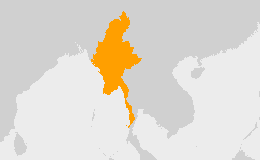
La afiliada de la CSI en Birmania es la Confederation of Trade Unions - Myanmar (CTUM).
según la ley
Libertad sindical / Derecho de sindicalización
Libertad sindical
El derecho a la libertad sindical está reconocido por la ley, pero estrictamente regulado.
Discriminación antisindical
La ley prohíbe la discriminación antisindical, pero no pevé medidas adecuadas de protección al respecto.
Barreras legales al establecimiento de organizaciones
- Para establecer un sindicato se requiere autorización o aprobación previa por parte de las autoridades
- La Orden 6/88 de 1988, denominada Ley sobre la Formación de Asociaciones y Organizaciones, establece que todas “las organizaciones deberán solicitar al Ministerio de Interior y Asuntos Religiosos una autorización para existir”. La definición de “organización” en la Orden es sumamente detallada y extensa. Las sanciones que se prevén en la Orden para la penalización de violaciones son particularmente duras y pueden implicar penas de cárcel de hasta cinco años. El Gobierno ha declarado que actualmente esta ley no se aplica a las organizaciones de trabajadores.
- Se requiere un número mínimo de miembros excesivo para establecer un sindicato
- La Ley de Organización del Trabajo de 2011 (art. 4) exige un mínimo de 30 trabajadores de la profesión o actividad relevante para formar un sindicato, además del apoyo de un mínimo del 10% de todos los trabajadores de la profesión o actividad relevante. Las federaciones y organizaciones regionales pueden formarse con el 10% de los sindicatos y para formar la Myanmar Labour Confederation se requiere el 20% de las federaciones. Por otra parte, cada una de las fases del proceso de construcción, desde el nivel empresarial básico hasta el nivel de federación y confederación nacional, tiene que estar relacionada con una profesión o actividad común. Estos requisitos suponen un serio desafío para la capacidad de los trabajadores para formar organizaciones. Concretamente, la Federation of Trade Unions of Burma no ha conseguido todavía registrarse.
Restricciones al derecho de los trabajadores y trabajadoras a formar y afiliarse a organizaciones de su elección
- La ley impone un sistema de monopolio sindica y/o un sistema que prohíbe o restringe la sindicalización a ciertos niveles (empresa, industria/sector, regional/territorial, nacional)
- La Ley que Define los Derechos y Responsabilidades Fundamentales de los Trabajadores del Pueblo, de 1964, establece un sistema obligatorio para la sindicalización y representación de los trabajadores/as. No obstante, la Ley de Organizaciones Sindicales parece seguir refiriéndose a un sistema de confederación sindical única.
- La ley impone restricciones al derecho de los trabajadores/as a afiliarse al sindicato de su elección
- Según el artículo 3 (b) de Ley de Organizaciones Sindicales, los trabajadores pueden afiliarse únicamente a organizaciones de la categoría de la profesión o actividad a la que pertenezcan. La definición de profesión o actividad no está clara y podría determinarse de manera arbitraria.
Restricciones al derecho de los sindicatos a organizar su administración
- Restriciones al derecho a elegir representantes y autoadministrarse con plena libertad
- El art. 7 de la Ley de Organización del Trabajo establece el número mínimo y máximo de representantes en el comité ejecutivo a nivel local, municipal/regional/ de federación y confederación. (3) Por otra parte, el art. 5 del decreto de la Ley de Organización del Trabajo establece que el mandato del comité ejecutivo es de dos años, y no está claro si los miembros del Comité ejecutivo pueden presentarse a mandatos consecutivos.
- Restricciones a la libertad para organizar libremente actividades y formular programas
- (1) La Ley de Organizaciones Sindicales, artículo 25, establece que la contribución mensual por parte del trabajador que sea miembro de la organización no deberá exceder el 2% de su sueldo o salario. (2) Además, la organización sindical básica deberá asignar estas contribuciones mensuales a las organizaciones, federaciones y confederación sindicales superiores, tal y como lo estipula la federación sindical relevante.
- Las autoridades administrativas están capacitadas para tomar unilateralmente la decisión de disolver, suspender o retirar el registro a organizaciones sindicales
- Según la Ley de Organización del Trabajo de 2011 (art. 33.b) el Registro tiene poder para anular el registro de una sindicato si los miembros no alcanzan las cifras mínimas establecidas (30 - 10%). El apoyo de más del 10% de todos los trabajadores de la profesión o actividad relevante puede evaluarse mediante el ejercicio de un poder discrecional.
Derecho a la negociación colectiva
Derecho a la negociación colectiva
El derecho a la negociación colectiva no está protegido por la ley.
Restricciones al principio de negociación libre y voluntaria
- Imposición de requisitos de procedimiento estrictos y poco razonables (por ej. plazos excesivamente cortos para alcanzar un acuerdo)
- La Ley de Resolución de Conflictos Laborales (art. 6 y 7) establece que las partes deben llegar a un acuerdo en un plazo de cinco días, tras el cual el conflicto será sometido a un procedimiento de conciliación y arbitraje.
Derecho de huelga
Derecho de huelga
El derecho de huelga está reconocido por la ley pero estrictamente regulado.
Impedimentos legales a acciones de huelga legítimas
- Se requiere una representatividad excesiva o un número mínimo de miembros para organizar una huelga legal
- De acuerdo con las disposiciones de la Ley de Organización del Trabajo (art. 38), un sindicato que quiera convocar una huelga deberá obtener previamente la aprobación de la mayoría de los trabajadores afiliados. No está claro si éstos se refieren únicamente a los que participan en la votación.
- Otras formalidades excesivamente complejas o que llevan mucho tiempo para poder convocar una huelga
- La Ley de Organización del Trabajo (art. 41.e) establece que para obtener autorización para llevar a cabo una huelga, los organizadores deberán proporcionar información sobre la fecha, el lugar, la duración, el período y el número de participantes.
- Otros requisitos previos indebidos, poco razonables o injustificados
- La Ley de Organización del Trabajo (art. 41.d) prescribe que los sindicatos no pueden hacer huelga sin la autorización de la federación sindical relevante.
Prohibición o restricciones para ciertos tipos de acción de huelga
- Restricciones respecto al objetivo de una huelga (por ej. disputas industriales, cuestiones económicas y sociales, políticas, de simpatía o solidaridad)
- El art. 41.d de la Ley de Organización del Trabajo establece que las huelgas que no guarden relación con los asuntos laborales, como los salarios, los sueldos, el bienestar y las horas de trabajo u otras cuestiones relacionadas con los intereses profesionales de los trabajadores, serán ilegales. Esta definición podría dar lugar a la prohibición de las huelgas de protesta y otros tipos de huelgas.
Disposiciones que socavan el recurso a acciones de huelga o su eficacia
- Otras disposiciones legales que socavan el derecho de huelga
- La Ley de Organización del Trabajo (art. 41.e) establece que la huelga que no cumpla con los requisitos especificados en cuanto a fecha, lugar, duración, período, número de participantes y forma, así como la obtención de una autorización previa, puede ser declarada ilegal.
En la Práctica
En febrero de 2019, ocho líderes sindicales fueron procesados por organizar protestas pacíficas. Se les acusaba de vulnerar las normas de aplicación de la Ley de reunión pacífica, que prohíben a los no nativos de Mandalay organizar mítines públicos en la ciudad.
Más de 2.500 personas en Rangún y otras 1.000 en Mandalay participaron en dos rondas de acciones de protesta organizadas para reclamar al Gobierno que mantuviera consultas significativas con los trabajadores.
La primera ronda, que tuvo lugar el 3 de febrero, tenía por objetivo presionar en favor de 13 demandas, entre ellas la libertad sindical, el establecimiento de un tribunal laboral y el levantamiento de las restricciones que impiden a los trabajadores de la construcción afiliarse a sindicatos. La central sindical Confederation of Trade Unions of Myanmar (CTUM) y la federación sindical Myanmar Industries Crafts and Services Trade Union Federation (MICS-TUF) solicitaron entonces la celebración de un segundo mitin, pero el 16 de febrero las autoridades públicas rechazaron su petición alegando que los solicitantes no eran nativos del distrito de Mandalay.
La marcha se llevó no obstante a cabo el 17 de febrero, pero fue interrumpida por la policía, y los dirigentes fueron interrogados. La marcha tuvo que suspenderse cuando la policía impidió que los sindicatos se acercaran al lugar de reunión. La acción fue en todo momento pacífica. Sin embargo, ocho líderes sindicales fueron oficialmente acusados en virtud de la Ley sobre el derecho a la reunión pacífica y a la manifestación pacífica, entre los que se encontraba Phyo Sanda Soe, secretario general adjunto de la CTUM, y Thaung Nyunt, presidente de la federación de mineros Mining Workers’ Federation of Myanmar (MWFM), así como seis dirigentes de la MICS-TUF.
Los líderes de la CTUM han instado al Gobierno a que mantenga consultas significativas con los trabajadores y a que aplique las recomendaciones de la Misión de Contacto Directo de la OIT de 2018. Las manifestaciones se organizaron después de que el Parlamento se abstuviera reiteradamente de interactuar formalmente con los sindicatos.
La Comisión de Expertos en Aplicación de Convenios y Recomendaciones de la OIT había advertido específicamente que la Ley sobre el derecho a la reunión y a la manifestación pacífica podría dar lugar a graves restricciones a los derechos sindicales.
Tras un año de juicios, el presidente de la MWFM fue declarado culpable, mientras que los otros siete dirigentes recibieron multas de 10.000 MMK y fueron puestos en libertad el 21 de febrero de 2020.
El 2 de febrero, la Industrial Workers’ Federation of Myanmar (IWFM) organizó una manifestación masiva en Rangún para protestar contra una decisión del Consejo de Arbitraje por la cual se negaba la plena reincorporación de 260 trabajadores de la fábrica Thong Thai Textile Factory que habían sido despedidos por hacer huelga.
La IWFM movilizó a primera hora de la mañana a 15.000 miembros de 80 sindicatos para marchar desde la Thong Thai Textile Factory hasta el campo de fútbol de Aung Myay Tharyar.
El 25 de octubre de 2019, 260 trabajadores de la fábrica Thong Thai Textile Factory fueron despedidos en masa tras declararse en huelga. El objetivo de la huelga era presionar al empleador para que aceptara 23 demandas de los trabajadores, entre ellas un aumento salarial, la confirmación de los trabajadores temporales que hubieran cumplido un período de prueba de tres meses, tarjetas de la seguridad social, bonificaciones por competencias, servicios de transporte y la eliminación de las horas extras excesivas.
Desde entonces, se han celebrado cinco reuniones de negociación entre los dirigentes de la IWFM y la empresa. Esta aceptó 15 de las 23 demandas, pero insistió en que las ocho demandas restantes fueran remitidas al Consejo de Arbitraje, el organismo gubernamental encargado de resolver los conflictos laborales.
Actualmente, los trabajadores de Myanmar no pueden ejercer la libertad sindical ni el derecho a la huelga si el lugar de trabajo carece de sindicatos. El incidente de Thong Thai es un ejemplo de trabajadores que emprenden acciones colectivas antes de la formación de un sindicato y que terminan enfrentándose a las represalias del empleador.
El 1 de octubre de 2019, uno de los directores de una empresa de contratación de mano de obra embistió su coche contra un piquete, hiriendo a varios trabajadores. También intentó golpear a un trabajador con un palo.
Cerca de 400 trabajadores de Unitedtex Overseas Garment Factory, una fábrica textil de propiedad china situada en el municipio de Hlaing Tharyar, en Rangún, abandonaron sus puestos de trabajo el 26 de septiembre para exigir unos salarios más altos y mejores condiciones. Los trabajadores presentaron 17 demandas que incluían el pago de 10.000 MMK (6,5 USD) adicionales por no tomarse ningún día libre durante el mes. También insistieron en que no se les recortara el sueldo cuando se tomaran días libres, y que, de acuerdo con la ley, el subsidio por vacaciones se calculara en función de la antigüedad en el servicio.
Otras de las demandas eran que todos los nuevos trabajadores de la fábrica recibieran el salario mínimo de 4.800 MMK; que los trabajadores que sufrieran una pérdida en la familia pudieran tomarse una semana de licencia remunerada; y que la dirección previera suficientes transbordadores para que todos los trabajadores pudieran desplazarse hasta la fábrica.
El gerente, de origen chino, condujo presuntamente su coche a toda velocidad y embistió a los trabajadores en huelga que se encontraban a la entrada de la fábrica. Aparentemente estaba enojado porque, a raíz de la huelga, la fábrica le había devuelto cinco trabajadores que él había contratado para la misma, explicó Aung Ko Ko Zaw, presidente del sindicato.
A principios de septiembre de 2019, la policía presentó cargos contra siete dirigentes sindicales y un líder de la sociedad civil por su participación en una huelga en protesta por los abusos de los derechos laborales que se estaban cometiendo en la fábrica de tejidos Myanmar Knitting Factory, situada en la zona industrial de Pathein.
Más de 1.000 trabajadores participaron en la huelga y presentaron 45 demandas, entre las que se incluían una serie de inquietudes respecto a la salud y la seguridad, los salarios y las prestaciones, y la jornada laboral excesiva. La huelga concluyó cuando la dirección aceptó todas las demandas tras las negociaciones mantenidas entre los representantes de los trabajadores y los directivos de la fábrica.
Sin embargo, la policía decidió mantener las acusaciones contra los ocho activistas laborales en virtud de la Ley de asamblea y procesión pacífica, que, según la OIT, puede dar lugar a restricciones de los derechos sindicales.
Los trabajadores en huelga de la fábrica de bolsos china Hong Ri, situada en el municipio de Hlaing Tharyar, en Rangún, fueron agredidos a las 11 p.m. del 28 de junio de 2019 por 20 hombres armados con espadas, cuchillos y tirachinas. Veinte trabajadores resultaron heridos, seis de ellos de gravedad, y una trabajadora sufrió un aborto durante la agresión. La policía se presentó en el lugar pero no tomó ninguna medida contra los atacantes.
Cuatrocientos trabajadores se habían declarado en huelga el día anterior, después de que el propietario de la fábrica se negara reiteradamente a aplicar las disposiciones del contrato de empleo. Los trabajadores señalaron que habían solicitado a la fábrica que les proporcionara aseos suficientes y agua potable, puesto que la fábrica solo disponía de tres aseos para 500 trabajadores, y las tuberías pasaban por un desagüe contaminado. También presentaron diez peticiones relacionadas con los derechos laborales y las instalaciones de la fábrica.
Un representante sindical, Ko Ye Thura, afirmó que los trabajadores sospechaban que la dirección de la fábrica había contratado a los matones armados, que se presentaron en las instalaciones en dos vehículos y atacaron a los trabajadores en huelga alrededor de las 11 p.m., después de haber hablado con los directivos de la fábrica.
Ma Thin Thin Swe, otro representante sindical, señaló que la policía que se presentó en el lugar se negó a detener a los miembros de la banda porque eran demasiados. Los dirigentes sindicales también dijeron que la policía permitió que los matones abandonaran el lugar después de hablar con ellos.
La Industrial Workers Federation of Myanmar (IWFM) interpuso una denuncia en la policía y exigió que el Gobierno regional de Rangún tomara medidas contra el propietario de la fábrica.
El 1 de marzo de 2019, el presidente y otros cinco dirigentes y miembros del sindicato de trabajadores del Hotel Tharabar Gate, situado en la Zona Arqueológica de Bagan (Myanmar), fueron condenados por intentar celebrar una marcha de protesta pacífica después de que la policía destruyera en diciembre de 2018 un campamento de solidaridad del sindicato. Los seis sindicalistas fueron condenados a un mes de prisión y detenidos inmediatamente después de que se pronunciara el veredicto.
Los sindicalistas del Hotel Tharabar Gate habían sufrido varias agresiones por parte de los directivos desde que registraron su sindicato en 2015. Gracias a una acción colectiva consiguieron frustrar el primer intento de despido del presidente del sindicato, Ko Nay Myo Win. Los sindicatos de otros hoteles de este famoso destino turístico se unieron para formar un sindicato para toda la zona, denominado Hotel Chitthu Township Level Labor Organization Bagan-Nyaung Oo (HLOB), y eligieron a Nay Myo Win como presidente. En 2018 la dirección volvió a despedir al presidente del sindicato y a otros 11 trabajadores, entre ellos dos miembros de la ejecutiva sindical y siete afiliados. HLOB respondió con una intensa campaña de protesta y, a partir de octubre, los sindicalistas y sus familias y simpatizantes mantuvieron un campamento de solidaridad en el espacio público.
En diciembre de 2018 la policía atacó y destruyó brutalmente el campamento, tras lo cual el sindicato organizó una marcha de protesta hasta la Delegación del Gobierno de Mandalay. La policía dispersó a la fuerza la marcha y detuvo a 13 sindicalistas y simpatizantes. El 1 de marzo de 2019 fueron juzgados y condenados seis de ellos
Los seis representantes sindicales encarcelados cumplieron la totalidad de su condena y fueron puestos en libertad el 29 de marzo de 2019.
Los trabajadores del Hotel Tharabar Gate, situado en el centro de uno de los destinos turísticos más populares de Myanmar, iniciaron una huelga el 12 de octubre para reclamar la readmisión de 12 trabajadores que habían sido despedidos el 24 de agosto. Entre los trabajadores despedidos estaba el presidente del sindicato, dos dirigentes sindicales y siete afiliados activos. Los afiliados han alegado que los despidos se inscriben en una iniciativa más amplia que ha emprendido la empresa para socavar el derecho de los trabajadores a la libertad sindical y a la negociación colectiva.
Los trabajadores del sector de la hostelería y el turismo, encabezados por la federación de los trabajadores de dichos sectores, HLOB, se manifestaron marchando por los lugares históricos de Bagan en apoyo a los trabajadores en huelga. La dirección respondió amenazándoles con no renovarles los contratos de duración determinada de un año, que vencían en octubre. En la zona donde se estaba llevando a cabo la huelga se estableció un campamento que ha estado mantenido por los trabajadores en huelga y sus simpatizantes.
El 12 de diciembre de 2018, un centenar de policías que actuaban bajo las órdenes de las autoridades locales destruyeron el campamento de solidaridad. Los trabajadores en huelga intentaron manifestarse el 13 de diciembre marchando desde el Hotel Tharabar Gate hasta la Oficina del Gobierno de la Región de Mandalay, pero la policía armada intervino, dispersando la manifestación y arrestando a 13 personas, entre las que había siete afiliados sindicales.
En las reuniones de conciliación, en las que participaron representantes de la Administración Local y Nacional, no se ha conseguido de momento que los sindicalistas discriminados sean readmitidos, y las autoridades gubernamentales tampoco han sido capaces de que la dirección de la empresa respete el derecho de los trabajadores a la libertad sindical y a la negociación colectiva.
El 10 de febrero de 2019, el sindicato organizó una manifestación frente al hotel para reclamar la readmisión de los afiliados y líderes sindicales despedidos, así como el pleno respeto de los derechos sindicales en el hotel. La Unión Internacional de Trabajadores de la Alimentación, Agrícolas, Hoteles, Restaurantes, Tabaco y Afines (UITA) presentó en diciembre una queja formal contra el Gobierno ante el Comité de Libertad Sindical de la OIT.
Entre el 8 y el 25 de enero de 2019, Prestige Garment Co, en la provincia de Kandal, despidió de manera improcedente a otros cuatro trabajadores que habían participado en una protesta por el despido, el 22 de diciembre, de Houn Sovit, un representante de los trabajadores que había sido elegido por el personal de la fábrica para crear un sindicato interno.
En la protesta del 24 de diciembre, un centenar de trabajadores reclamaron a la empresa la readmisión del representante de los trabajadores y el reconocimiento del derecho a crear un sindicato independiente. Los trabajadores también reclamaron una ampliación de los contratos de dos a seis meses. Los trabajadores de la fábrica textil se han quejado de que la empresa esté bloqueando continuamente sus intentos de crear un sindicato, y que los despidos constituyen una clara vulneración del derecho a la libertad sindical y a la negociación colectiva.
Más de 100 trabajadores de una fábrica china de Rangún se declararon en huelga después de que un conflicto laboral con la dirección resultara en el despido de siete trabajadores el 24 de diciembre. Los trabajadores en huelga en la Cixing Knitting Factory reclamaron a la dirección la readmisión de los siete trabajadores y el cumplimiento de la legislación laboral y los acuerdos laborales. Los trabajadores han señalado que el despido sin preaviso de los siete compañeros se debió a que el personal había exigido a la dirección que respetara los términos de su convenio laboral. Los trabajadores bloquearon la entrada principal de la fábrica y resolvieron permanecer allí hasta que los siete compañeros fueran readmitidos.
Ko Tun Tun, presidente del sindicato y uno de los siete trabajadores despedidos el 24 de diciembre, explicó que la dirección no había respetado el convenio laboral firmado por los delegados de la fábrica y los trabajadores en septiembre de 2018, y que le habían despedido durante el proceso de mediación del conflicto.
Los trabajadores en huelga solicitaron al Gobierno que tomara medidas contra la fábrica por las reiteradas violaciones del convenio laboral y del contrato de empleo. También solicitaron al Gobierno que tomara medidas contra la fábrica por la violación del Convenio 87 de la Organización Internacional del Trabajo relativo a la libertad sindical y a la protección del derecho de sindicación.
En una reunión mediada por el comité de arbitraje laboral del municipio, celebrada el 2 de enero, la dirección de la fábrica aceptó las 17 reivindicaciones del sindicato, incluida la readmisión de los dirigentes sindicales. No obstante, el lunes 7 de enero la fábrica volvió a despedir a los siete dirigentes sindicales, lo que desencadenó acciones solidarias por parte de otras fábricas de la zona, encabezadas por la central sindical Confederation of Trade Unions Myanmar (CTUM). El 8 de enero, en una segunda reunión del comité de arbitraje, los directores de la fábrica se comprometieron a volver a contratar a los siete trabajadores.
El lunes 15 de octubre de 2018, decenas de trabajadores empleados en Fu Yuen Garment Co Ltd, una fábrica textil china situada en el municipio de Dagon Seikkan, a las afueras de Rangún, resultaron gravemente heridos durante una manifestación cuando un grupo de aproximadamente 40 matones armados les atacaron con palos de madera y barras de metal. La policía antidisturbios intervino para frenar la escalada de violencia, pero no se produjo ningún arresto.
Cientos de trabajadores de la fábrica se habían declarado en huelga el 21 de agosto, un día después de que 30 trabajadores, todos ellos miembros sindicales, fueran despedidos por haber organizado el 14 de agosto una huelga para reclamar un aumento de las retribuciones por las horas extraordinarias, así como mejores condiciones de trabajo. El despido de los trabajadores respondía a motivaciones políticas, y fue un intento deliberado de restringir la influencia del comité sindical en la fábrica.
El 5 de noviembre de 2018 los trabajadores suspendieron su huelga de 72 días tras firmar un acuerdo con la dirección y aceptar reanudar el trabajo.
En noviembre de 2017, los afiliados sindicales de la empresa LIA organizaron una huelga para protestar por sus pésimas condiciones de trabajo y por la ausencia total de diálogo entre la dirección y el sindicato. Entre otras demandas, solicitaban a la dirección mejores condiciones de salud y seguridad (en particular, una mejor iluminación), que no haya discriminación entre trabajadores sindicalizados y no sindicalizados y que, antes de fijar los objetivos de producción o imponer traslados en la línea de producción, hable con los representantes de los trabajadores o con los dirigentes sindicales.
El Organismo de Arbitraje de Rangún se hizo cargo de la resolución del conflicto, y finalmente se llegó a un acuerdo por el cual el empleador aceptaba seis de las ocho demandas, negándose, no obstante, a firman un acuerdo por escrito. El Organismo de Arbitraje ordenó a la dirección de LIA que firmara los seis puntos acordados y que entablara negociaciones con los representantes de los trabajadores en relación con los dos puntos restantes.
Sin embargo, entre enero y marzo de 2018, antes de comprometerse a cumplir los términos del acuerdo de conciliación, la dirección de la empresa despidió a 73 trabajadores, incluidos los dirigentes sindicales, y amenazó al resto de los trabajadores con llevar a cabo nuevos despidos. Todos los trabajadores despedidos están reclamando ser readmitidos de inmediato.
El 16 de febrero, las autoridades de Mandalay rechazaron la solicitud de la central sindical Confederation of Trade Unions of Myanmar (CTUM) y la federación sindical Myanmar Industries Crafts and Services Trade Union Federation (MICS-TUF) de celebrar una asamblea conjunta sobre la Ley de organización del trabajo y la Ley sobre solución de conflictos laborales. Las autoridades se remitieron a la Ley de requerimientos previos de la región de Mandalay sobre el derecho a la reunión pacífica y a la manifestación pacífica, que prohíbe las reuniones y manifestaciones públicas sobre cuestiones no locales, así como las solicitudes presentadas por ciudadanos fuera del distrito de Mandalay.
El 17 de febrero las autoridades detuvieron la manifestación encabezada por la MICS y la CTUM, y la policía municipal de Chanmyathazi, Pyi Gyi Tagun y Myae Tha Zan interrogó a los dirigentes antes de dejarles pasar. Ambos sindicatos tuvieron que suspender la asamblea, dado que las autoridades les impidieron dirigirse al punto de encuentro, supuestamente por razones de seguridad.
El 28 de febrero, varios dirigentes y líderes sindicales fueron oficialmente acusados por la policía de Pyi Gyi Tagun de vulnerar el artículo 20 de la Ley sobre el derecho a la reunión pacífica y a la manifestación pacífica, lo que conlleva sanciones y penas de cárcel. Los acusados son: Phyo Sanda Soe, secretario general adjunto (CTUM); Thaung Nyunt, presidente de la federación Mining Workers’ Federation of Myanmar (CTUM); Nay Lin Aung, secretario general de MICS-TUF; Thet Hnin Aung, secretario general de MICS-TUF; Tint Shein Soe, miembro del Comité Ejecutivo de MICS-TUF; Thura, Than Than Myint y Soe Sandar Myint, que son los miembros del Consejo de MICS-TUF.
Los líderes sindicales fueron puestos en libertad bajo una fianza de 2 millones MMK (1.323 USD). La primera audiencia judicial está prevista para el 12 de marzo de 2019 en Mandalay.
El 7 de agosto de 2017 fue despedido un trabajador por formar un sindicato en la fábrica DJY Knitting Myanmar en la zona industrial 3, Hlaing Tharyar. La fábrica afirmó que el líder había cometido varias infracciones, por ejemplo, supuestamente haber celebrado una reunión con los demás trabajadores/as para crear el sindicato sin previo aviso, «incitar» a otros trabajadores/as a hacer huelga y ponerse en contacto con el departamento de recursos humanos solicitando un permiso remunerado para los trabajadores/as.
El día de su despido, 280 de los 400 trabajadores de la fábrica se declararon en huelga en señal de protesta. Presentaron una lista de reivindicaciones, muchas de las cuales fueron acordadas por la fábrica en un proceso de arbitraje. La fábrica ordenó a los trabajadores/as volver al trabajo, pero estos decidieron mantenerse en huelga porque no se habían cumplido sus dos principales demandas: el derecho a formar un sindicato independiente y la reincorporación de su líder.
Los trabajadores/as persistieron en sus reivindicaciones y la huelga y fueron despedidos el 23 de agosto de 2017.
El 25 de marzo de 2017, aproximadamente 650 trabajadores/as de la fábrica coreana Myanmar Gun San, en Hlaing Tharyar, fueron despedidos después de una huelga.
Los trabajadores/as habían entablado conversaciones con la dirección de la empresa sobre su solicitud de días libres durante el festival del agua de Thingyan. La dirección había informado a los trabajadores/as que la fábrica solo cerraría durante cinco días durante el próximo festival de Thingyan, que dura diez. Los trabajadores/as pedían los diez días libres. La dirección respondió a los trabajadores/as que se fueran si no querían trabajar. Ma Hnin Pwint Aung, líder de los trabajadores/as en la fábrica, señaló que no se les había permitido tomar licencia desde que la fábrica había abierto ocho meses antes y necesitaban el descanso.
Los trabajadores/as también estaban descontentos por otros motivos y habían presentado 22 reivindicaciones a la dirección de la fábrica, entre las que se incluían recibir sus tarjetas de bienestar social y poner solución al comportamiento desagradable de los guardias de seguridad. Cuando las negociaciones fracasaron, los trabajadores/as se declararon en huelga, la cual fue seguida de los despidos.
El 8 de marzo de 2017, la dirección de la panificadora Good Morning Bakery en la zona industrial (4) de Hlaing Tharyar despidió a 184 trabajadores/as. La fábrica afirmó que lo hacía porque no había suficiente trabajo. En realidad, el trabajo y las máquinas correspondientes habían sido trasladados a otras dos fábricas de Good Morning Bakery, que carecían de sindicato para representar a los trabajadores/as.
En la fábrica donde se llevaron a cabo los despidos, el sindicato era muy activo y presionaba regularmente por el respeto de los derechos de los trabajadores/as de acuerdo con la ley. El presidente del sindicato de la fábrica señaló que la mayoría de los miembros y activistas del comité ejecutivo sindical estaban en la lista de trabajadores/as que debían ser despedidos.
El 9 de marzo, el sindicato convocó una huelga en protesta por los despidos, la cual recibió un amplio apoyo. Los trabajadores/as continuaron la huelga tras la decisión de la empresa de impugnar una decisión del tribunal de arbitraje del 1 de abril exigiendo la reincorporación de los trabajadores/as. En el transcurso de la huelga, los trabajadores/as de las fábricas cercanas de transformación de alimentos y prendas de vestir marcharon hasta el piquete de huelga de la panificadora como muestra de su apoyo.
Detuvieron la huelga y reanudaron el trabajo el 10 de abril tras un acuerdo negociado por el presidente de la Comisión Parlamentaria sobre Empleo Local y en el Extranjero. Todos los trabajadores/as que quisieron regresar a su empleo fueron readmitidos, y las negociaciones continuaron para los cuatro líderes sindicales a quienes inicialmente no se les permitió reanudar su trabajo.
El 7 de marzo de 2017, un tribunal del municipio de Sagaing condenó a prisión siete trabajadores de una fábrica de contrachapados de la zona industrial de Sagaing por su participación en una protesta de los trabajadores en abril de 2016.
Ko Khaing Min, líder de los trabajadores en la fábrica, Ma Sein Lei Khaing y otros cinco más fueron condenados a un mes de prisión por bloquear la entrada a la fábrica durante la protesta. Ko Khaing Min y otros tres también recibieron una sentencia de cuatro meses bajo la Ley de reunión pacífica.
Ya habían cumplido una pena de prisión por la misma protesta. Comenzó en abril de 2016 cuando alrededor de 120 trabajadores de la fábrica de contrachapado Myanmar Veneer iniciaron una protesta para que la fábrica les concediera mejores condiciones. El 29 de abril emprendieron una marcha hacia Naypyidaw y fueron arrestados a las afueras de la capital, el 18 de mayo. Algunos fueron liberados, pero los líderes de la protesta fueron llevados a juicio.
En julio de 2016, once manifestantes recibieron penas de prisión, mientras que otros trabajadores fueron multados. Ko Khaing Min fue uno de los condenados a cinco meses por reunión ilegal y disturbios y fue liberado en noviembre de 2016 después de cumplir su condena.
Pese a ello, fueron enviados de nuevo ante los tribunales en 2017 con nuevos cargos y fueron sentenciados a pasar más tiempo en la cárcel. Es probable que su delito real consistiera en seguir presionando por sus derechos y por recuperar su empleo.
El 30 de enero de 2017, el presidente del sindicato, Thet Paing Oo, fue despedido de la fábrica de ropa Hundred Tex Garment en Yangon, Myanmar, cuando regresó de su baja por enfermedad con un certificado médico. Los trabajadores/as creen que su despido se debe a sus actividades sindicales.
Los trabajadores/as de la confección entablaron un largo conflicto con la dirección de la fábrica de propiedad china. En diciembre de 2016, se llegó a un acuerdo entre la dirección y el sindicato, respaldado por la central sindical del país, la Confederation Trade Unions of Myanmar (CTUM). No obstante, pronto quedó claro que la empresa había actuado de mala fe.
Hundred Tex Garment no cumplió su promesa de pagar las horas extraordinarias adeudadas ni tampoco de introducir las mejoras acordadas en las condiciones de trabajo. La dirección también se negó a establecer un comité de coordinación en el lugar de trabajo, como exige la ley de solución de conflictos laborales de Myanmar.
Los trabajadores/as volvieron a la huelga después del despido de Thet Paing Oo, y la empresa H&M, a la que suministra la fábrica, intentó repetidamente encontrar una solución al conflicto. La internacional IndustriALL y H&M firmaron un acuerdo marco global en septiembre de 2015 destinado a proteger los derechos laborales de los 1,6 millones de trabajadores/as en la cadena mundiales de suministro de H&M.
Después de una huelga de tres semanas, Hundred Tex Garment finalmente aceptó pagar el salario mínimo diario de 3.600 kyats (2,70 USD), cumplir la legislación laboral en lo relativo a las horas extras y restablecer en su puesto de trabajo a Thet Paing Oo.
El conflicto que dio comienzo en Panda Textiles en 2013 se ha prolongado hasta 2017 debido a que el empleador ha estado bloqueando repetidamente las negociaciones. El conflicto comenzó después de que la empresa privada asumiera las operaciones del Ministerio de Industria, y los trabajadores se quejaran de que el cambio había provocado abusos de sus derechos.
En noviembre de 2016, un equipo de negociación formado por el Gobierno regional de Mandalay y destinado a mediar entre los propietarios de la empresa y los trabajadores, preparó una lista de 28 reivindicaciones específicas, pero uno de los principales puntos conflictivos era que Panda Textiles se negaba a reincorporar a cuatro líderes sindicales despedidos durante una protesta llevada a cabo en 2015, en la que 600 peones acamparon a las puertas de la fábrica.
A principios de 2017, ambas partes estuvieron a punto de firmar un nuevo convenio colectivo, pero los propietarios de la fábrica indicaron que tenían que volver a examinar los aumentos que habían previsto aplicar a los salarios de los trabajadores, el pago de las horas extraordinarias y las vacaciones anuales.
Los propietarios de la fábrica se han seguido negando a reincorporar a los cuatro dirigentes sindicales despedidos, y la nueva ronda de negociaciones terminó cancelándose en el último momento.
Tras varias décadas de dictadura, la nueva democracia de Myanmar tiene un largo camino por recorrer para garantizar el pleno respeto de los derechos fundamentales, incluidos los derechos sindicales.
Un informe publicado a principios de diciembre de 2016, titulado Raising the Bottom: A Report on the Garment Industry in Myanmar, revelaba hasta qué punto se abusa de los derechos del trabajo en el sector textil del país. El informe está basado en una serie de entrevistas realizadas a 199 trabajadores y trabajadoras de 62 fábricas textiles, así como a propietarios, sindicalistas y otras partes interesadas, desde finales de febrero hasta finales de abril de 2016.
El informe expone la persistencia de graves problemas, a saber, largas jornadas laborales, bajos salarios, malas condiciones de trabajo, también en lo referente a las normas de salud y seguridad, y casos de acoso sexual, entre otros. A los trabajadores les resulta difícil organizarse debido a las graves deficiencias que existen en la legislación laboral y que restringen la libertad para crear y afiliarse a sindicatos. Muchos trabajadores se sienten disuadidos de afiliarse a un sindicato por la amenaza de despido. Pyi Paing Ko Ko, director de Let’s Help Each Other, una ONG que defiende los derechos del trabajo, afirma que, cuando se producen conflictos laborales, los propietarios de las fábricas a veces hacen caso omiso de las decisiones de la Junta de Arbitraje porque, en caso de incumplimiento, las sanciones son demasiado leves.
Casualmente, del 2 al 5 de diciembre de 2016, Industriall Global Union organizó una serie de talleres sobre desarrollo sindical, género y trabajo precario, a los que asistieron la Industrial Workers Federation of Myanmar (IWFM) y la Mining Workers Federation of Myanmar (MWFM). Se destacó que los despidos de sindicalistas y dirigentes sindicales son un problema generalizado. Los empleadores son célebres por publicar en sus páginas web los nombres de los dirigentes sindicales despedidos, lo que equivale a incluirlos en listas negras para impedirles encontrar otro empleo. También se señaló que muchos de los problemas a los que se enfrentan los sindicatos estaban relacionados con los contratos estándar de un año que se utilizan con frecuencia para deshacerse de los dirigentes sindicales una vez finalizados sus contratos.
El 18 de mayo de 2016, la policía arrestó a más de 70 trabajadores y trabajadoras que participaban en una marcha de protesta. Los manifestantes habían estado caminando durante cerca de tres semanas desde la norteña región de Sagaing, donde un centenar de trabajadores habían sido recientemente despedidos de la empresa Myanmar Veneer and Plywood Private Ltd (MVPPL) por reclamar el pago de las horas extraordinarias. Los manifestantes apelaron al Gobierno a que interviniera directamente para que los trabajadores injustamente despedidos fueran reincorporados, y para que se reconociera su nuevo sindicato recién creado. Los manifestantes esperaban poder presentar sus reivindicaciones personalmente ante el Gobierno, pero durante la marcha se les advirtió de que se detuvieran en el poste 289 de la carretera Rangún-Mandalay o que, de lo contrario, tendrían que vérselas con la policía. Decididos a continuar, los trabajadores siguieron avanzando, pero antes de llegar al municipio de Tatkon de la capital Nay Pyi Taw, fueron bloqueados por unos 200 agentes de policía. Tras un punto muerto que se prolongó varias horas, procedieron a arrestar a los manifestantes. Los agentes alegaron que habían tratado de no utilizar la fuerza, pero los periodistas que se encontraban en el lugar de los hechos afirmaron haber visto cómo los manifestantes eran agarrados a la fuerza, levantados y llevados en furgones destinados al transporte de reclusos.
En un primer momento se acusó a 51 manifestantes, pero la mayoría fueron puestos en libertad y los cargos solo se mantuvieron contra 15 de ellos. Doce hombres y tres mujeres fueron acusados de reunión ilegal y de sedición. Más tarde, el tribunal retiró los cargos de sedición contra las tres mujeres.
El 24 de octubre de 2016, el tribunal declaró a los acusados culpables de todos los cargos. Los hombres fueron condenados a un total de cinco meses de cárcel – dos meses por los cargos de reunión ilegal, que deberían cumplir de forma simultánea, y tres meses por los cargos de sedición. Las tres mujeres fueron condenadas a dos meses de cárcel por las dos acusaciones de reunión ilegal. Teniendo en cuenta el tiempo que ya habían pasado en detención, las mujeres serían puestas en libertad de inmediato, mientras que a los hombres les quedarían por cumplir tres semanas de cárcel.
Diez miembros de la federación sindical Myanmar Industries, Crafts and Services (MICS) Trade Union Federation fueron despedidos de la fábrica textil Kabar en cuestión de una semana, a principios de octubre de 2016. Un portavoz de MICS dijo que no había motivos que justificaran los despidos y que la verdadera razón era socavar el sindicato.
El 10 de octubre, los empleados de la empresa Fu Xing Brothers se unieron a los trabajadores de Sein Kabar en una manifestación de protesta para reclamar la reincorporación de los empleados de Sein Kabar. También solicitaron cambios a lo que ellos consideraban como políticas antisindicales en la empresa Fu Xing Brothers, reclamando sanciones más severas para los empleadores que vulneren la ley, incluyendo penas de cárcel y prohibiciones operativas.
Los sindicatos de Myanmar se han quejado a menudo de que el sistema de resolución de conflictos laborales es inefectivo, puesto que es demasiado fácil para los empleadores ignorar las decisiones de las juntas de arbitraje dado que las sanciones por incumplirlas son demasiado leves como para resultar disuasorias.
Sakura, una fábrica textil de propiedad japonesa, despidió a 316 trabajadores que participaron en una huelga el 29 de julio de 2016, convocada para protestar por unas cuotas de producción demasiado altas, que les resultaba imposible cumplir. A finales de agosto, la Junta de Arbitraje de la Región de Rangún ordenó a la fábrica que volviera a contratar a los trabajadores y les pagara una indemnización por los sueldos que hubieran perdido durante la huelga, y que anulara el aumento en las cuotas de producción.
Sin embargo, en lugar de acatar la decisión, los propietarios de la fábrica decidieron apelar la decisión ante una junta superior. El 12 de septiembre, la Junta de Arbitraje central ratificó el fallo en lo que respecta a la reincorporación de los trabajadores, pero no abordó el tema de los ingresos perdidos, ni la cuestión clave del conflicto: las cuotas de producción. El segundo dictamen dividió a los trabajadores. El 17 de septiembre, cerca de la mitad de los manifestantes decidieron regresar a la línea de producción de la fábrica, pero 171 trabajadores prosiguieron con la protesta, descontentos ante la incapacidad de la Junta de Arbitraje para resolver la cuestión de las cuotas de producción.
El 21 de septiembre, varios miembros de la sectorial del municipio de Hlaing Tharayar de la National League for Democracy organizaron una ronda de negociaciones entre los responsables de la fábrica y los huelguistas. La fábrica accedió a permitir que los trabajadores en huelga retomaran su trabajo en la fábrica, manteniendo las antiguas metas de producción de base. Los responsables de la fábrica también prometieron pagar una indemnización por el período de huelga y acatar en el futuro todas las legislaciones laborales.
Por desgracia, en cuestión de una semana, la fábrica Sakura se retractó de sus promesas, insistiendo en que los trabajadores tenían que cumplir los objetivos de producción que precisamente habían provocado el conflicto inicial. Así pues, volvían a encontrarse en la casilla de partida.
El despido improcedente de activistas sindicales en una fábrica textil deja patente un sistema ineficaz
Diez miembros de la federación sindical Myanmar Industries, Crafts and Services (MICS) Trade Union Federation fueron despedidos de la fábrica textil Kabar en cuestión de una semana, a principios de octubre de 2016. Un portavoz de MICS dijo que no había motivos que justificaran los despidos y que la verdadera razón era socavar el sindicato.
El 10 de octubre, los empleados de la empresa Fu Xing Brothers se unieron a los trabajadores de Sein Kabar en una manifestación de protesta para reclamar la reincorporación de los empleados de Sein Kabar. También solicitaron cambios a lo que ellos consideraban como políticas antisindicales en la empresa Fu Xing Brothers, reclamando sanciones más severas para los empleadores que vulneren la ley, incluyendo penas de cárcel y prohibiciones operativas.
Los sindicatos de Myanmar se han quejado a menudo de que el sistema de resolución de conflictos laborales es inefectivo, puesto que es demasiado fácil para los empleadores ignorar las decisiones de las juntas de arbitraje dado que las sanciones por incumplirlas son demasiado leves como para resultar disuasorias.
Los representantes de los trabajadores de la fábrica textil Hla Won Htet Tha, en la zona industrial de Shwe Lin Ban, informaron que, en agosto de 2016, los dueños de la fábrica habían distribuido entre los empleadores del sector una lista negra con los nombres de 85 trabajadores que habían encabezado varias protestas en la fábrica. Los trabajadores implicados habían convocado dos manifestaciones después de que los dueños cerraran la fábrica el 25 de junio, dejando salarios a deber. “Cuando nuestros trabajadores solicitan trabajo en otras fábricas textiles, los responsables comprueban si sus nombres están en la lista que recibieron de Hla Won Htet Tha”, explica Ma Zin Mar Swe, representante de los trabajadores en la fábrica.
Obviamente les preocupa no poder volver a encontrar otro trabajo, dada la experiencia que han tenido otros activistas sindicales cuyos nombres fueron incluidos en alguna lista negra. El ex dirigente sindical Ko Kyaw Kyaw Myint declaró que, a lo largo de los últimos ocho meses, había estado solicitando trabajo en más de 70 fábricas textiles de todas las zonas industriales de los municipios de Shwe Pyi Thar, Hlaing Tharyar y Mingaladon, pero que nadie le daba trabajo. Ko Kyaw Kyaw Myint y otros cinco sindicalistas fueron despedidos en 2015 de la fábrica textil Han Jen, en el municipio de Shwe Pyi Thar, por haber hecho preguntas sobre sus sueldos tras la entrada en vigor de la legislación sobre el salario mínimo diario, y organizar posteriormente una manifestación de más de mil trabajadores.
Ko Sai Yu Maung, un activista que ahora trabaja para Action Labour Rights, fue trasladado y despedido de la panadería en la que trabajaba, en el municipio de Hlaing Tharyar, por intentar organizar un sindicato. Le habían despedido con una indemnización por intentar organizar a los trabajadores, después de lo cual las demás fábricas del mismo sector a las que acudió para pedir trabajo le rechazaron sin darle ninguna explicación. Un funcionario del municipio le había advertido de que, si seguía defendiendo los derechos de los trabajadores, su nombre sería incluido en una lista negra.
La Ley de Organización del Trabajo y la Ley sobre Solución de Conflictos Laborales introducidas en 2012 marcaron un importante hito en Myanmar. Sin embargo en la práctica, debido a la deficiente implementación de estas leyes, los empleadores que discriminan a los trabajadores que tratan de ejercer sus derechos pueden permitirse hacerlo con plena impunidad. Un informe de la CSI sobre inversión extranjera directa en Myanmar publicado en octubre de 2015 concluye que los trabajadores y los activistas sindicales siguen siendo objeto de amenazas, intimidaciones y despidos improcedentes por parte de los empleadores.
La Confederation of Trade Unions in Myanmar (CTUM) ha organizado a un número impresionante de trabajadores y trabajadoras: a fecha de noviembre de 2015 contaba con 49.000 miembros y 640 organizaciones afiliadas. La CTUM fue oficialmente registrada el 23 de julio de 2015, lo que supuso un hecho histórico. No obstante, los sindicatos siguen estando en las primeras etapas de su vida. Los trabajadores carecen de información suficiente sobre el papel de los sindicatos; los sindicatos carecen de recursos, formación y conocimientos sobre la legislación; y los dirigentes sindicales carecen de las capacidades necesarias para participar en las negociaciones profesionales y colectivas. Cuando en el lugar de trabajo se establecen comités de coordinación y órganos de conciliación, es decir instrumentos de negociación colectiva, la mayoría de las organizaciones sindicales no saben nada al respecto – cuándo y dónde se crearon, ni por quién. Asimismo, los procedimientos de resolución de conflictos han demostrado ser ineficaces. Por otra parte, los acuerdos concluidos entre empleadores y trabajadores y trabajadoras a través de un proceso de conciliación no siempre son respetados ni puestos en práctica en tanto que acuerdos vinculantes.
A pesar de los cambios legislativos, las organizaciones sindicales siguen teniendo dificultades a la hora de conseguir el registro oficial. Por ejemplo, los registradores, aunque están obligados a responder a las solicitudes de registro en un plazo de 30 días, pueden tomarse mucho más tiempo o inventarse nuevos requisitos que no aparecen mencionados en las leyes ni en las normas.
Una vez establecidos, los sindicatos tienen que seguir lidiando con el comportamiento de los empleadores, sobre todo de los propietarios de fábricas, que continúan rigiéndose por costumbres arcaicas a la hora de tratar las contestaciones del personal. Esto ha dado lugar a enfrentamientos y represalias contra los dirigentes sindicales, además del despido de representantes de los trabajadores y de miembros del personal por su participación en actividades sindicales.
Otro obstáculo importante que impide a los trabajadores y trabajadoras disfrutar plenamente de sus derechos, y en concreto de los derechos sindicales, ha sido el trabajo forzoso. Si bien se han logrado progresos, el ex Presidente U Thein Sein no respetó su promesa de eliminar dicha práctica antes de 2015. Al mismo tiempo, con el uso cada vez más frecuente de mano de obra temporal y de subcontratistas, así como la aplicación inadecuada de la nueva legislación laboral por parte del Gobierno, se corre el riesgo de reemplazar los antiguos métodos de imposición de trabajo forzoso a manos del ejército por nuevas formas de explotación de los trabajadores.
El 7 de marzo de 2015, la dirección del hotel River View en Bagan convocó a los miembros de la ejecutiva del sindicato de su personal a una reunión filmada y a puerta cerrada, en una sala privada del hotel vigilada por guardias de seguridad, y les ordenó desmantelar el sindicato y firmar cartas de dimisión. Cinco dirigentes sindicales que se negaron fueron inmediatamente despedidos.
El sindicato contestó los despidos, y el Consejo Local de Arbitraje ordenó la reintegración de los trabajadores el 3 de abril, y nuevamente el 6 de mayo. El 8 de mayo los trabajadores y sindicalistas se manifestaron pacíficamente delante del hotel, en apoyo a los dirigentes sindicales despedidos, en respuesta a lo cual la dirección amenazó con despedir a todos los trabajadores que apoyaran la organización o que tuvieran miembros de su familia que la apoyaran.
El sindicato siguió haciendo presión para que se reintegrara a los trabajadores. El 18 de junio, la dirección del hotel propuso una reintegración oficial de los dirigentes despedidos, pero se negó a permitirles volver al trabajo. Los dirigentes sindicales no recibirían más que un salario de base mínimo y no podrían mantener ningún contacto con los trabajadores ni con los miembros del sindicato en el lugar de trabajo. La dirección había también previsto apelar la orden de reintegración, y, gracias al sistema judicial, dispone de un plazo de dos años para hacerlo.
A finales de julio de 2015, la Federación Internacional de Trabajadores de la Alimentación y Afines (UITA) notificó que, en respuesta a su campaña internacional para defender los derechos sindicales básicos en el hotel River View de Bagan, en Myanmar, la dirección había empezado a examinar las candidaturas de los solicitantes de empleo con el fin de identificar a posibles sindicalistas. Los candidatos debían indicar si conocían a alguien que fuera miembro de un sindicato y se les advertía de que si se afiliaban a un sindicato no pasarían el período de prueba. Además, la dirección intentó deshacerse de los trabajadores más mayores y activos en el seno del sindicato, ordenando a los miembros del personal de más de 60 años que presentaran su dimisión en un plazo de 24 horas. Gracias a las protestas del sindicato, estos trabajadores pudieron retomar su trabajo, aunque a condición de que presentaran un certificado médico. El personal del hotel no había sido informado de la política oficial de jubilación del Grupo KMA, puesto que la dirección se niega a entregarles una copia de su contrato de trabajo.
A principios de junio de 2015, la Federación Internacional de Trabajadores de la Alimentación y Afines (UITA) informó de que la dirección del hotel de lujo Belmond Governor’s Residence estaba intentando acabar con el sindicato acosando, despidiendo e intimidando a los trabajadores.
El sindicato se había establecido en el hotel antes de que la cadena Oriental Express se convirtiera en Belmond en el año 2014. Poco después de la incorporación de la nueva empresa, la dirección emprendió su campaña antisindical, limitando y reduciendo los salarios del personal experimentado perteneciente al comité sindical y despidiendo a otros.
La empresa manufacturera de madera Kakaungchin Yadana despidió a alrededor de 700 empleados, expulsándolos además de sus alojamientos, después de que intentasen negociar un salario digno y mejores condiciones de trabajo.
El 19 de mayo de 2014, la dirección de la fábrica exigió a los trabajadores que firmasen un contrato de empleo, amenazándolos con despedirles si no lo hacían.
Dos días más tarde, agentes de la policía y guardias de seguridad expulsaron a los 700 trabajadores que se negaron a firmar el contrato.
Los trabajadores despedidos se refugiaron temporalmente montando un campamento en el monasterio ShankanYwaoo, situado a siete millas de la fábrica. El presidente de la Myanmar Labour Union Federation, Aung Liu, dijo:
“Hay numerosos problemas en el campo de refugiados. Los trabajadores ni siquiera tienen mosquiteras para dormir. El Director General del Ministerio de Trabajo, Dr. Than Win, visitó el campamento el otro día y preguntó si otros habitantes de la zona vivían también en el campo de refugiados, porque había tanta gente. ¿Pero quién querría venir a vivir aquí? El Dr. Than Win intentó negociar en tres ocasiones, pero los trabajadores siguen sin poder entrar en la fábrica”, añadió.
“La situación está empeorando. No puede seguir así. Si no conseguimos negociar a nivel del Gobierno municipal, tendremos que ir al arbitraje. Pero si recurrimos al arbitraje, va a tardar algún tiempo y los trabajadores no pueden seguir aguantando (las condiciones de vida) por mucho tiempo”.
La Myanmar Maritime Trade Union Federation (MaPaTha), que declara 2.000 miembros, solicitó su registro por primera vez el 3 de enero de 2013. Pese a haber presentado continuas solicitudes de registro, y a pesar de la insistencia de la OIT para que le fuera concedido, MaPaTha seguía aún esperando ser registrado en abril de 2015.
Las autoridades gubernamentales señalaron en diversas ocasiones su intención de registrar la MaPaTha, o que estaban a punto de hacerlo. Recientes investigaciones revelaron que el Director Adjunto del Departamento de Trabajo tenía previsto efectuar el registro el 18 de marzo de 2014, pero el proceso se detuvo. Al parecer el Ministro había ordenado al Departamento que revisase la solicitud una vez más, al haber recibido cartas de organizaciones competidoras, como la Myanmar Seafarers Federation (MSF) y la Myanmar Maritime Workers Federation (MMWF), que ya estaban registradas.
MaPaTha indicó que, aunque las otras organizaciones estuviesen registradas, en realidad MSF sólo tenía 500 miembros y MMWF apenas 200.
La policía detuvo a por lo menos 13 trabajadores de una fábrica durante una manifestación organizada para reclamar salarios más altos y mejores condiciones de trabajo. Las detenciones se llevaron a cabo el 4 de marzo de 2015, cuanto un centenar de trabajadores y trabajadoras emprendieron una marcha desde sus fábricas hasta Rangún y fueron bloqueados por la policía. Algunos de los trabajadores protagonizaron una sentada, pero la policía los dispersó. Aunque el Ministerio de Información declaró que había 13 trabajadores detenidos, muchos de ellos mujeres, los manifestantes confirmaron que la cifra era mucho mayor. También fueron brevemente detenidos dos periodistas.
Los trabajadores de varias fábricas de las zonas industriales situadas a las afueras de Rangún habían estado manifestándose desde febrero para reclamar salarios más altos y el pago de las horas extraordinarias, pero no se había conseguido concluir ningún acuerdo con los propietarios de las fábricas.
El 9 de febrero de 2015, más de 3.000 trabajadores y trabajadoras del vestuario en la Zona Industrial Shwe Pyi Tha organizaron una manifestación de apoyo al establecimiento de un sindicato y para reclamar la fijación de incrementos salariales a través de la negociación colectiva.
Los trabajadores/as están empleados en cinco fábricas de confección en la zona: Ford Glory Garment, Han Jen Textile and Garment, Costes International Co Ltd, E Land Myanmar Garment y Red Stone Garment. Realizaron una procesión alrededor de las fábricas, portando pancartas donde se leía “el salario es vital” y “Empresarios extranjeros deben respetar las leyes locales”.
Los trabajadores/as protestaban ante la negativa de sus empleadores a reconocer el sindicato o negociar con los trabajadores, reclamando derechos sindicales y que se pusiese fin a la discriminación contra ciertos trabajadores. Pedían un aumento salarial en línea con los estándares de ASEAN y expresaron su deseo de organizar un sindicato para resolver las disputas laborales.
El 18 de febrero de 2015, el Gobierno regional de Yangon respondió a las manifestaciones en la zona Industrial Shwe Pyi Tha y a otras que tuvieron lugar también en la Zona Industrial Hlaing Tharyar (las dos mayores zonas industriales de Yangon), advirtiendo que se tomarían medidas contra los participantes. Según ciertos medios de comunicación, el Gobierno acusó a los trabajadores y trabajadoras de bloquear violentamente el acceso a las fábricas, lo que tendría cierto impacto sobre la inversión extranjera.
El 20 de febrero de 2015, los líderes de la huelga en Shwe Pyi Tha y 30 de los huelguistas fueron arrestados.
El 4 de marzo de 2015, fuerzas de seguridad detuvieron a al menos 20 trabajadores y dispersaron al resto cuando se dirigían hacia el Ayuntamiento de Yangon. Se trataba de trabajadores/as de las fábricas de confección E-Land Myanmar, COSTEC y Ford Glory.
Hla Hla Htay, una de las huelguistas de la fábrica de vestuario COSTEC, dijo que antes de cargar contra los manifestantes, la policía les dijo que tenían que haber solicitado autorización para manifestarse. Los trabajadores indicaron que lo habían hecho pero nunca obtuvieron respuesta.
“La policía nos dijo que debíamos volver al trabajo porque lo que hacíamos era ilegal”, señaló Hla Hla Htay.
“Siempre que hay conversaciones, trabajadores y empleadores no consiguen negociar. Tenemos que dirigirnos a los ministros [relevantes]. Ahora han detenido a algunos de nuestros líderes. Sólo somos unos pocos, y la policía goza de mucha protección”.
Los trabajadores/as en huelga dijeron que no reanudarían el trabajo en tanto no se respondiese a su demanda de aumento salarial.
Además solicitaban la introducción de un salario mínimo justo; acciones firmes contra los empleadores que vulneran la ley; compensación durante el período de negociación; y la liberación de los huelguistas que fueron detenidos en las últimas semanas.
Aye Sandar Win, una trabajadora de COSTEC, dijo en declaraciones a The Irrawaddy que las negociaciones con algunos ministros del Gobierno no habían dado fruto hasta el momento.
“Rechazaron nuestras demandas y nos ordenaron reanudar el trabajo en el plazo de tres días,” dijo. id. “Zaw Aye Maung [el ministro de asuntos laborales para la División Rangún] nos dijo que nos estábamos labrando nuestra suerte y que no había sino un precipicio ante nosotros”.
En junio de 2014, 12 personas fueron arrestadas por haber participado en una manifestación en Mandalay. Varios centenares de empleados de la fábrica china de corte de madera Lucky Treasure, ubicada en el municipio de Sinkkaing, acompañados de cientos de simpatizantes, fueron interceptados por unos 500 agentes de la policía cuando trataban de marchar hasta Mandalay. Los activistas detenidos se enfrentan a tres acusaciones, entre ellas la infracción del artículo 505(b) del Código Penal de Birmania. Los trabajadores estaban protestando porque la empresa había violado el convenio colectivo en marzo de 2014. La empresa intentó forzar a los trabajadores a que firmaran nuevos convenios que incluían periodos de prueba de tres meses independientemente de la antigüedad del trabajador.
La fábrica Yess Candy en la Zona Industrial Hlaing Tharyar de Yangón se negó a permitir que 150 trabajadores/as pudiesen acceder a sus alojamientos, después de haber llevado a cabo una huelga el 7 de enero de 2015.
Los trabajadores pedían un salario mínimo de 30.000 kyat (30 USD) al mes, y un día libre los domingos. Al final, terminaron conformándose con 7.500 kyat al mes.
A pesar de ello, la dirección de la fábrica impidió que los trabajadores pudiesen acceder a los alojamientos proporcionados por la empresa esa noche. Los trabajadores y trabajadoras se vieron obligados a refugiarse en un monasterio budista cercano para pasar la noche.
El sábado 7 de junio de 2014, 12 personas fueron detenidas por participar en una manifestación en Mandalay, en apoyo a los empleados de la fábrica maderera Lucky-Treasure en la localidad de Sinkkaing.
La Federation of Trade Unions of Burma (FTUB) comunicó que varios centenares de trabajadores y sus defensores organizaron una marcha hasta Mandaly, donde fueron interceptados por unos 500 agentes de policía.
Se habían producido cuatro huelgas desde junio de 2012. Durante la segunda huelga, Khine Min, uno de los dirigentes sindicales, fue arrestado y permaneció detenido dos semanas.
Los detenidos en junio de 2014 fueron acusados de tres delitos, incluyendo la violación del artículo 505(b) del código penal de Myanmar. Dicho artículo ha sido utilizado a menudo para penalizar actividades que pudieran “generar miedo o alarma entre la población civil”.
No obstante, las tensiones escalaron en marzo de 2014, cuando los propietarios de la fábrica incumplieron un acuerdo contraído con los empleados. Exigieron a los trabajadores que firmasen nuevos contratos de empleo, quedando sujetos a un periodo de prueba de tres meses, independientemente de su antigüedad. El nuevo contrato daría además a la dirección el derecho a terminar arbitrariamente el empleo de cualquier trabajador.
El Ministerio de Asuntos Fronterizos desplegó además a 28 administradores para presionar a los trabajadores para que abandonasen su empleo.
Thet Htun Aung de la FTUB indicó que “Las autoridades presionaron a los trabajadores. Detuvieron a nuestros líderes y nos amenazaron, abordaron a las familias de los trabajadores para convencerles de que aceptasen la compensación y dimitiesen, de lo contrario los militares desmantelarían el campamento de la protesta.
El Myanmar Maritime Trade Unions (MMTU) espera su registro por parte del Departamento de Trabajo desde hace más de un año. Otros sindicatos del mismo sector han sido registrados, lo que deja suponer que el Gobierno favorece a ciertos sindicatos en detrimento de otros. El MMTU indica también la falta de accesibilidad a la información relativa a los convenios colectivos y contratos de trabajo para los trabajadores del mar. Las violaciones del derecho a la representación colectiva han dado lugar a relaciones precarias y abusivas impuestas a los trabajadores por las agencias de contratación.
En la práctica, más de 400 sindicatos básicos fueron registrados a lo largo del año pasado, reflejando una fuerte demanda para disponer de una voz colectiva en el trabajo. Los trabajadores informan, no obstante, de que algunos organizadores y líderes sindicales son víctimas de represalias debido a su actividad jurídicamente protegida. Por otra parte, los procedimientos para la resolución de conflictos no siempre son eficaces a la hora de proporcionar las indemnizaciones necesarias. En particular, los recién establecidos consejos de arbitraje todavía no disponen de los instrumentos necesarios para aplicar sus decisiones – sobre todo en el ámbito de la reincorporación.
En la fábrica de bordados Taw Win, los trabajadores empezaron a crear sindicatos y a hacer huelga para protestar por los sueldos tan bajos que recibían. El empleador accedió a subir los salarios pero no llegó a implementar el acuerdo. Los trabajadores llevaron el caso del Consejo de conciliación al Consejo de arbitraje, el cual decretó que el empleador debía cumplir con el convenio. El empleador tomó represalias, encontrando razones insignificantes para disciplinar a los trabajadores implicados en la queja. El empleador también se ha negado a permitir que los trabajadores cobren las cotizaciones sindicales, alegando que es una práctica ilegal. El empleador afirmó además que el sindicato no era legítimo debido a su asociación con la FTUM.
Los trabajadores de la fábrica de calzado Inlay, en Bago, informaron de la hostilidad del empleador, incluyendo casos de directivos que abusan físicamente de los trabajadores. Los trabajadores no recibieron lo que les correspondía por las horas extras, y fueron penalizados con deducciones salariales por los días de baja por enfermedad. Los trabajadores habían intentado en un primer momento crear un sindicato con 30 trabajadores pero el registrador les dijo que necesitarían 300, puesto que la fábrica empleaba a 3.000 trabajadores. El registrador convocó supuestamente al propietario de la fábrica, quien entonces empezó a tomar represalias contra los trabajadores que habían apoyado el proceso de registro. Cuando se rumorea que alguien es activista sindical, la persona suele ser trasladada a otra ubicación, para separarla así de sus compañeros de trabajo. También se ha ordenado a los trabajadores no contactar a organizaciones externas. En consecuencia, se cree que la empresa registró su propio sindicato controlado por la dirección, con sólo 30 trabajadores.
Los trabajadores de cuatro Ministerios del Gobierno intentaron organizar sindicatos, pero tan pronto como el Gobierno tuvo conocimiento de la actividad sindical los líderes fueron trasladados forzosamente a ubicaciones apartadas. Por otra parte, al parecer se hizo circular un informe antisindical donde se describían los mejores métodos para evitar a un sindicato. El Ministerio de Trabajo explicó que los trabajadores tienen el derecho a la libertad sindical, pero otros Ministerios del Gobierno dijeron que esa no era su política.
En Birmania hay una carencia total de organizaciones de trabajadores con registro legal. Todas las organizaciones de trabajadores/as del país deben funcionar en la clandestinidad y sus miembros son objeto de constantes amenazas de represión y de represalias que incluyen la detención, la tortura y la interposición de causas penales. Esto se aplica, por ejemplo, a la Federation of Trade Unions-Burma (FTUB), que está afiliada a la CSI.
A pesar de la insistencia de la CSI y la OIT en cuanto a que la Federation of Trade Unions Burma (FTUB) ha de ser reconocida como una organización oficial de los trabajadores, sigue estando considerada como organización ilegal. La FTUB se ha visto obligada a operar clandestinamente desde su creación en 1991. Mantiene una estructura dentro y fuera del país, que incluye sindicatos clandestinos en los sectores industriales más importantes de Birmania, y opera en las principales ciudades del país. Se encarga en especial de recabar pruebas de violaciones de los derechos de los trabajadores y sigue de cerca los casos en que se niega el derecho a la negociación colectiva en los sectores industriales, reuniendo además pruebas sobre la existencia del trabajo forzoso, que transmite a la OIT y al movimiento sindical internacional. Los miembros de la FTUB que son descubiertos realizando esta tarea son acusados de traición y otros delitos, y algunos han sido condenados a cadena perpetua o incluso, en ciertos casos, a la pena de muerte.