
Honduras
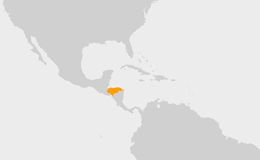
Las afiliadas de la CSI en Honduras son la Central General de Trabajadores (CGT), la Confederación de Trabajadores de Honduras (CTH) y la Confederación Unitaria de Trabajadores de Honduras (CUTH).
Honduras ratificó el Convenio nº 87 sobre la libertad sindical y la protección del derecho de sindicación (1948) en 1956 y el Convenio nº 98 sobre el derecho de sindicación y de negociación colectiva (1949) en 1956.
según la ley
Libertad sindical / Derecho de sindicalización
Libertad sindical
El derecho a la libertad sindical figura consagrado en la Constitución, pero está estrictamente regulado.
Discriminación antisindical
La ley prohíbe la discriminación antisindical, pero no pevé medidas adecuadas de protección al respecto.
Barreras legales al establecimiento de organizaciones
- Se requiere un número mínimo de miembros excesivo para establecer un sindicato
- El Código del Trabajo dispone que para constituir un sindicato se requieren al menos 30 trabajadores/as (Artículo 475 del Código del Trabajo).
Restricciones al derecho de los trabajadores y trabajadoras a formar y afiliarse a organizaciones de su elección
- La ley impone un sistema de monopolio sindica y/o un sistema que prohíbe o restringe la sindicalización a ciertos niveles (empresa, industria/sector, regional/territorial, nacional)
- El Código del Trabajo prohíbe más de una organización sindical en la misma empresa o institución (Artículo 472 del Código del Trabajo).
Restricciones al derecho de los sindicatos a organizar su administración
- Restriciones al derecho a elegir representantes y autoadministrarse con plena libertad
- El Código del Trabajo dispone que para ser miembro de la junta directiva de un sindicato, federación o confederación los dirigentes sindicales deben ser de nacionalidad hondureña,han de estar empleados en la actividad representada por el sindicato y deben saber leer y escribir (Artículos 510 y 541 del Código del Trabajo).
Categorías de trabajadores a quienes la ley prohíbe o restringe la posibilidad de formar o afiliarse a sindicatos, o de ocupar cargos sindicales
- Trabajadores/as agrícolas
- Se excluye del ámbito de aplicación del Código del Trabajo y por tanto de los derechos y garantías del convenio a los trabajadores de aquellas explotaciones agrícolas o ganaderas que no ocupen en forma permanente a más de diez trabajadores.
Derecho a la negociación colectiva
Derecho a la negociación colectiva
El derecho a la negociación colectiva está recogido en la Constitución
El derecho a la negociación colectiva está reconocido por la ley.
Restricciones o prohibición de negociar colectivamente en algunos sectores
- Otros funcionarios y empleados públicos
- Los empleados públicos no adscriptos a la administración del Estado, aunque tienen derecho a sindicalizarse, tienen prohibido celebrar contratos colectivos de trabajo (Artículos 534 y 536 del Código del Trabajo).
Derecho de huelga
Derecho de huelga
El derecho de huelga está consagrado en la Constitución
El derecho de huelga está reconocido por la ley pero estrictamente regulado.
Impedimentos legales a acciones de huelga legítimas
- Se requiere autorización o aprobación previa por parte de las autoridades para organizar una huelga legal
- El Código del Trabajo establece que los empleados de empresas estatales, que además están consideradas como servicios de utilidad pública, deben notificar con seis meses de antelación o contar con la aprobación del Gobierno antes de emprender una huelga (Artículo 558 del Código del Trabajo).
- Requisito de un quórum excesivo o de obtener una mayoría excesiva en una votación para poder convocar una huelga
- El Código del Trabajo exige una mayoría de dos tercios de votos de la totalidad de los miembros de la organización sindical para declarar la huelga (Artículos 495 y 563 del Código del Trabajo).
- Plazo de notificación previa / período de reflexión excesivamente largo
- El Código del Trabajo dispone que los empleados de empresas estatales deben notificar con seis meses de antelación o contar con la aprobación del Gobierno antes de emprender una huelga (Artículo 558 del Código del Trabajo).
- Recurso obligatorio al arbitraje o a largos y complejos procedimientos de conciliación y mediación antes de iniciar una acción de huelga
- El Código del Trabajo exige que los conflictos colectivos en servicios públicos, aún en aquéllos que no son esenciales, deben someterse a un arbitraje obligatorio (Artículos 554, párrafos 2 y 7, 820 y 826 del Código del Trabajo).
Prohibición o restricciones para ciertos tipos de acción de huelga
- Restricciones respecto al objetivo de una huelga (por ej. disputas industriales, cuestiones económicas y sociales, políticas, de simpatía o solidaridad)
- Se prohíben las huelgas de solidaridad para los empleados públicos.
- Restricciones respecto al nivel o el ámbito de cobertura de una huelga (por ej. empresa, industria/sector, regional/territorial, nacional)
- De acuerdo al Código del Trabajo, las federaciones y confederaciones no pueden convocar una huelga (Artículo 537 del Código del Trabajo).
Injerencia indebida por parte de las autoridades o los empleadores durante el transcurso de una huelga
- Las autoridades o los empleadores están capacitados para prohibir, limitar, suspender o cesar unilateralmente una acción de huelga
- El Código del Trabajo faculta al Ministerio de Trabajo y Seguridad Social a poner fin a las disputas en los sectores de producción, refinería, transporte y distribución de petróleo (Artículo 555, párrafo 2, del Código del Trabajo).
En la Práctica
El 1 de noviembre de 2021, el Sindicato de Trabajadores de la Industria de la Bebida y Similares (STIBYS) denunció a nivel nacional e internacional un nuevo ataque de la transnacional cervecera Anheuser-Busch InBev (AB InBev), propietaria en Honduras de Cervecería Hondureña S.A. y que tiene la franquicia para producir y comercializar productos de Coca Cola. Desde hace más de siete años, un segmento de trabajadores de la Cervecería Hondureña, antes denominados promotores de ventas y ahora representantes de ventas, se afiliaron al sindicato. De inmediato, la empresa tomó una serie de represalias y arremetió contra este grupo de trabajadores, declarándolos trabajadores de confianza y por tanto sin derecho de asociación. El sindicato presentó una demanda laboral ante los juzgados del trabajo para que se respetara su derecho a la sindicalización, se les dedujera la cuota sindical y se les aplicara el convenio colectivo firmado con la empresa. Después de varios años, los jueces resolvieron a favor del sindicato, pero la empresa nunca acató el fallo. En octubre de 2021, despidió a 15 trabajadores sindicalizados. Fueron más de 20 los trabajadores despedidos en el transcurso del año 2021.
Durante el mes de octubre de 2021, dos dirigentes del Sindicato de Trabajadores de la Compañía Jasper (SITRAJASPER), su presidente Darlin Oviedo y el secretario general Selvin Peña, fueron objeto de continuos seguimientos y amenazas a causa de su labor sindical. Darlin Oviedo fue además perseguido por un individuo en motocicleta fuertemente armado que amenazó con dispararle, aunque afortunadamente el líder sindical pudo abrirse paso entre el tráfico y escapar.
Las amenazas se iniciaron cuando los trabajadores se manifestaron para exigir que la fábrica de ropa readmitiese a los trabajadores que querían volver a trabajar después de suavizarse las restricciones impuestas por la COVID-19. Aunque el empleador llamó a los trabajadores después de la manifestación, responsabilizó al sindicato de todos los problemas de la fábrica, en represalia por el éxito del sindicato a la hora de mejorar los derechos de los trabajadores, gracias a la conclusión del convenio colectivo.
Durante el mes de octubre de 2021, Darlin Oviedo, presidente del Sindicato de Trabajadores de la Compañía Jasper (SITRAJASPER) y el secretario general del sindicato, Selvin Peña, recibieron constantes amenazas por llevar a cabo su labor sindical. Darling Oviedo fue además perseguido por una motocicleta cuyo conductor, fuertemente armado, amenazó con dispararle; afortunadamente el líder sindical pudo abrirse paso entre el tráfico y escapar.
Las amenazas se iniciaron cuando los trabajadores se manifestaron para exigir que la fábrica de ropa recontratase a los trabajadores que buscaban trabajo después de suavizarse las restricciones debido al COVID-19. Aunque el empleador llamó a los trabajadores después de la manifestación, comenzó a responsabilizar al sindicato de todos los problemas de la fábrica, como represalia por el éxito del sindicato en la mejora de los derechos de los trabajadores gracias a la firma del convenio colectivo.
A finales de septiembre de 2021, 15 trabajadores de la Empresa Coats Honduras S.A. fueron despedidos injustamente. Seis de ellos, afiliados al Sindicato de Trabajadores de la Empresa Coats Honduras SA (SITRACOATS) reclamaron su reincorporación con el argumento de que la decisión se tomó sin consultar previamente al sindicato, como lo exige el convenio colectivo, firmado con la dirección en 2019, que fue el primer paso en un proceso continuo para construir buenas relaciones laborales. Sin embargo, estos despidos socaban la confianza que se había conseguido. Los seis trabajadores han recurrido a las autoridades en materia laboral para reclamar su reincorporación.
El 23 de mayo del 2021, Selvin Emanuel Peña García, miembro del Sindicato de Trabajadores de la Empresa Jasper Honduras (SITRAJASPER), fue seguido desde las oficinas de la Central de Trabajadores de Honduras ubicadas en Choloma por un individuo en motocicleta, que le dirigió varios signos de amenaza.
El 14 de mayo de 2021, Ah Raxa-Tzel Mayorga Hernández, miembro del Sindicato de Trabajadores de la Agroindustria (FESTAGRO), y Tomas Membreño, presidente del Sindicato de Trabajadores Agrícolas (STAS), fueron vigilados e intimidados por un vehículo en repetidas ocasiones, mientras estaban reunidos. Luego el mismo vehículo seguiría a Membreño hasta su domicilio.
A través de una cuenta de Facebook a nombre de José Alexander Sánchez se realizaron publicaciones para estigmatizar y criminalizar a Ah Raxa-Tzel Mayorga Hernández, miembro del Sindicato de Trabajadores de la Agroindustria (FESTAGRO). Este hecho viene a sumarse a otras violaciones sistemáticas usando las redes sociales en contra de líderes sindicalistas del sindicato agrícola.
El 22 de marzo del 2021, Olga Elizabeth Murillo Rosales y Kelvin Calix, respectivamente secretaria de actas y tesorero del Sindicato de Trabajadores de Servicios Municipales, Comunales y Afines (SITRASEMCA), de la alcaldía municipal de Tocoa, acudieron a las oficinas de recursos humanos en representación del sindicato, para presentar una nota donde manifestaban que a raíz de la pandemia COVID 19 a los sindicalistas se les habían asignado labores de aseo (baños y servicios) que realizaron responsablemente entendiendo que el personal de aseo estaba contagiado de COVID19. Sin embargo, transcurrido casi un año desde el inicio de pandemia, el personal de aseo no fue reintegrado con la excusa de ser activistas políticos del alcalde en las elecciones internas. El sindicato solicitó a recursos humanos se le notificara al personal de aseo el regreso a sus labores y que se reasignara a los sindicalistas que realizaban esa labor de manera temporal las actividades para las que fueron contratados. No obstante, al recibir la nota la jefa de recursos humanos agredió verbalmente a ambos compañeros vociferando palabras inapropiadas e insultantes sin importarle que se encontraban contribuyentes en el lugar. Posteriormente los señaló de haraganes y los amenazó con emprender sanciones en su contra.
El 10 de marzo del 2021, se publicó en el diario La Tribuna un espacio pagado por los sindicatos apoyados por la patronal, SITRASURAGROH y SITRAMELEXA, dirigiéndose a ILRF, Rel UITA, Fair World Project y 3F International, donde acusan al Sindicato de Trabajadores de la Agroindustria y Similares (STAS) de ser una organización sindical maliciosa que, a través de mentiras, ha logrado retirar a la empresa Fyffes la certificación Fair Trade, ocasionando una reducción de la producción y ocasionando por tanto la generación de empleos.
Tres días después, desde el perfil de SITRASURAGROH en Facebook subieron un video en el cual manifiestan que el STAS y en especial Tomas Membreño Pérez, su presidente, no deja trabajar a la empresa y miente para que resulte perjudicada.
Estas acciones están dirigidas a crear una imagen negativa del sindicato y sobre las actividades sindicales del señor Membreño ante los afiliados y trabajadores del departamento de Choluteca.
A raíz de las manifestaciones realizadas el 20 de octubre 2020 por parte de los miembros del sindicato SITRAJASPER en las instalaciones de la empresa Jasper Honduras S.A, ésta decidió tomar represalias contra los líderes sindicales. A través de su apoderada legal, la Sra. Pamela Blanco, la empresa decidió interponer una demanda judicial a fin de retirarles el fuero sindical y luego proceder a despedirlos, por lo que fueron emplazados para contestar dicha demanda el 9 de marzo del 2021.
El 9 de febrero de 2021, miembros de la Asociación Nacional de Enfermeras y Enfermeros Auxiliares de Honduras (ANEEAH), salieron a las calles para manifestarse por el asesinato, el día anterior, de su compañera Keyla Martínez, que tuvo lugar mientras permanecía en custodia de la Policía Nacional. Agentes del cuerpo policial reprimieron con violencia las protestas, provocando graves lesiones en el hombro izquierdo al sindicalista Agustín Sánchez.
Diana Rebeca Mejía, presidenta del Sindicato de Trabajadores del Instituto Hondureño de Antropología e Historia (SITRAIHAH), salió en defensa de los derechos laborales de uno de los miembros del sindicato tras su despido injustificado. Se realizaron campañas en redes sociales en apoyo al sindicalista despedido, ante lo cual personas desconocidas atribuyéndose pertenecer al sindicato, desde una cuenta de Facebook denominada Unidos SITRAIHAH, realizaron diferentes publicaciones para desviar la atención del despido injustificado por el cual reclamaban. Además, atacaron y denigraron a la señora Mejía, manifestando que todo lo expresado por ella era falso y cuestionando sin ningún fundamento su liderazgo sindical.
Francisco Vega Martínez, miembro directivo del Sindicato de Trabajadores del Instituto Hondureño de Antropología e Historia (SITRAIHAH), fue despedido del Instituto, luego de ser llamado a descargos el 25 de enero de 2021, a raíz de las recomendaciones que efectuó tras haber realizado una inspección dentro de la zona del parque arqueológico de Copan Ruinas, donde había sido autorizada una urbanización por parte del gerente del IHAH. El parque es considerado de suma importancia debido a que existen vestigios arqueológicos. En sus recomendaciones, el señor Vega indicó que no debería autorizarse dicha urbanización sin antes evaluar científicamente el área. La diligencia realizada por el señor Vega fue utilizada para justificar su despido aduciendo injurias, malos tratos y grave falta disciplinaria contra el patrono y gerente y por dar muestras de deslealtad hacia el IHAH.
El 14 de diciembre de 2020, los trabajadores y trabajadoras de la empresa Southern Apparel Contractors, del Grupo Terra Global, presentaron un reclamo colectivo debido a que la empresa cometió un error en el cálculo de un pago a sus empleados. Carlos Alberto Castillo Bonilla, en el ejercicio de sus derechos, transmitió el hecho a través de Facebook, generando inconformidad en los directivos de la empresa. El 5 de enero de 2021, la empresa decidió realizar Audiencia de Descargo contra 22 de los trabajadores que realizaron el reclamo colectivo, incluido el señor Castillo, sancionándolos con cinco días de castigo, en detrimento de sus derechos a la libre reunión y manifestación pacífica. El 12 de enero de 2021, la empresa decidió continuar la persecución, llamando al señor Castillo exclusivamente a una nueva audiencia de descargo por haber transmitido el reclamo colectivo en su cuenta personal de la red social. Finalmente, el 13 de enero de 2020, la empresa le comunicó la finalización de su contrato individual de trabajo, sin ninguna responsabilidad patronal, aduciendo que desde la perspectiva empresarial con la transmisión en Facebook, el señor Castillo pretendió desacreditar el nombre de la empresa, al ventilar en redes sociales situaciones que no son de incumbencia del público en general.
La empresa frutera Fyffes emplea a más de 6.500 personas en el cultivo del melón en Honduras, una mano de obra mayoritariamente compuesta por mujeres y con empleos de temporada. Fyffes siempre se ha mostrado hostil hacia el Sindicato de Trabajadores de la Agroindustria y Similares (STAS) constituido en sus subsidiarias como organización independiente.
Moisés Sánchez, secretario general del STAS en los campos de melón de la empresa Fyffes en Choluteca fue procesado por cargos penales derivados de la construcción de una vía de acceso por la comunidad rural de La Permuta en noviembre de 2018, por lo que se enfrentaba a una pena de hasta 30 años de prisión. La asamblea comunitaria de La Permuta había votado a favor de la construcción de la vía sobre la base de las garantías del alcalde de que la tierra era propiedad pública. Antes de que se construyera la carretera, los residentes de La Permuta tenían acceso limitado a las fincas en Choluteca y estaban aislados durante la temporada de lluvias. No obstante, un terrateniente local que arrienda propiedades a Fyffes presentó cargos contra Moisés y 5 líderes comunitarios electos, acusándolos de ‘usurpación de tierras’. Sánchez no es un líder comunitario electo, sino simplemente uno de los 450 residentes de La Permuta que votaron por la construcción de la carretera.
Sánchez, quien sobrevivió a un ataque con machete de agresores en 2017, año en que también fue despedido por Fyffes, se encuentra entre las víctimas de la violencia antisindical bajo la protección del Gobierno. Desde octubre de 2019, ha vuelto a ser objeto de vigilancia y amenazas.
El juicio programado para el 22 de enero de 2020 no se llevó a cabo debido a la presión nacional e internacional. Ese intento de encarcelarlo por cargos falsos parece formar parte de la campaña de larga data para diezmar STAS.
Durante años, Fyffes ha desplegado tácticas antisindicales para disuadir a los trabajadores de unirse al Sindicato de Trabajadores de la Agroindustria y Similares (STAS), desde listas negras hasta amenazas físicas.
En enero de 2019, bajo la amenaza de ser expulsados de la Iniciativa de Comercio Ético por su continua represión sindical, los representantes de Fyffes firmaron un acuerdo con STAS reconociendo formalmente al sindicato que había sido creado por los trabajadores y accediendo a iniciar negociaciones colectivas. Casi de inmediato la empresa rompió el acuerdo creando dos sindicatos amarillos llamados SITRAMELEXA y SITRASURAGROH y amenazando a los trabajadores con que no serían recontratados para la siguiente cosecha si no se afiliaban a estos sindicatos.
En mayo de 2019, después de tres años de negarle a STAS el derecho a un convenio colectivo, Fyffes firmó convenios con SITRAMELEXA y SITRASURAGROH. Dichos convenios únicamente estipulan derechos para la fuerza laboral permanente de Fyffes compuesta por unos 300 trabajadores, pero no mencionan derecho alguno para los 6.500 trabajadores temporeros, salvo la garantía del bono de fin de año.
En noviembre de 2019, los trabajadores informaron regularmente que la gerencia de Fyffes amenazaría con no volver a contratar a los trabajadores si se reunían con los líderes de STAS. Muchos ex afiliados de STAS que solicitaron puestos de trabajo en otras empresas informaron al sindicato que no los contrataron por estar incluidos en listas negras. Se advirtió a los trabajadores que la empresa cerraría sus operaciones y se les amenazó con no ser recontratados en la próxima zafra si no se afiliaban a SITRAMELEXA o SITRASURAGROH.
El Gobierno de Honduras ha venido rechazando regularmente las pruebas de violaciones laborales presentadas por STAS, se retractó de las inspecciones del trabajo del propio Gobierno que citaban violaciones, no entrevistó a los trabajadores agrícolas afectados durante las auditorías y nunca investigó ni protegió de manera efectiva a los trabajadores que enfrentaban represalias por afiliarse a STAS. Todo esto le dio a Fyffes motivos y tiempo para intensificar su campaña antisindical, incluyendo la elaboración de listas negras, así como intimidación y despidos colectivos.
El 16 de noviembre de 2019 dos hombres dispararon y mataron a Jorge Alberto Acosta en unos billares a pocos metros de su domicilio en La Lima, Cortés, Honduras. Acosta, de 62 años, era un dirigente del Sindicato de Trabajadores de la Tela RaidRoad Co. (SITRATERCO), uno de los sindicatos más antiguos del país, que representa a los trabajadores bananeros de Chiquita Brands.
A principios de 2018, los bananeros mantuvieron una huelga de 77 días en protesta por el traslado relocalización ilegal por parte de la empresa del centro médico —que venía aportando servicios de salud a las familias trabajadoras desde hacía más de 60 años— a una localización lejana, reemplazándolo por un centro médico privado, mucho más caro y que brindaba servicios de peor calidad. Los piquetes de huelguistas fueron dispersados por la policía militar utilizando munición real y Chiquita procedió a efectuar despidos masivos.
Tras la conclusión de la huelga, en abril de 2018, Jorge Alberto Acosta y sus compañeros sindicalistas empezaron a recibir amenazas de muerte, fueron sometidos a vigilancia y sufrieron robos y agresiones físicas. Denunciaron reiteradamente esas amenazas al Mecanismo Nacional de Protección a Defensores, cuya obligación es investigar los casos y proporcionar medidas adecuadas de protección a los sindicalistas amenazados, pero a pesar de reconocer el riesgo nunca se estableció la protección.
El 31 de julio la empresa Azucarera del Norte S.A despidió de manera verbal y arbitraria a directivos del Sindicato de Trabajadores de la Industria del Azúcar, Mieles, Alcoholes y Similares de Honduras (SITIAMASH). Gustavo Alberto Quiroz Baquedano, Maynor José Ponce García, Misael Jiménez Román, Magdaleno Benítez, Geovani Pineda, Nelly Puerto, Rubén Darío Umanzor, integrantes de la seccional del SITIAMASH en el ingenio Azucarera del Norte S.A. (AZUNOSA), fueron despedidos por la gerencia sin previa notificación y sin otro motivo que el hecho de ser dirigentes sindicales.
Un total de 43 trabajadoras y trabajadores han quedado sin empleo a causa de la represión antisindical de la transnacional Fyffes, a través de su administración local en Honduras (Sol Group/SURAGROH/Melon Export), debido a que desde 2016 venían representado la lucha desarrollada por el Sindicato de Trabajadores de la Agroindustria y Similares (STAS) en las plantaciones de melones. Esas 43 familias durante todo este tiempo han atravesado una seria crisis económica, de salud y educación debido a la negación de empleo por parte de Fyffes.
En junio, la empresa STAR S.A. ubicada en El Progreso, propiedad de Gildan Activewear, anunció el cierre de su planta textil. El Sindicato de Trabajadores de la Empresa Star (SITRASTAR) emitió una queja indicando que el cierre de la planta estaba motivado por un intento de Gildan de terminar con la organización sindical y con el Contrato Colectivo de Trabajo, vigente hasta diciembre de 2021.
Tres directivas de SITRASTAR, incluyendo dos de sus presidentes, se vieron obligados a abandonar el país debido a amenazas de muerte y persecución. El sindicato ha rechazado el intento de cierre de la empresa y manifiesta su interés de luchar contra dicha medida antisindical. STAR fue la primera planta Gildan en tener un contrato colectivo en Honduras y tenía las mejores condiciones laborales bajo dicho contrato, que se ha ido renegociando por más de 10 años.
La fuerza pública respondió violentamente ante las protestas masivas que protagonizaron desde los primeros días de junio docentes y personal sanitario tras la privatización de la educación y los servicios de salud pública por el Parlamento hondureño. Esta situación llevó a que la Asociación Médica Mundial formulara un llamado al presidente hondureño para que se ponga término de inmediato al uso de la violencia contra los manifestantes y se garantice el derecho a la protesta.
La Internacional de la Educación (IE) responsabilizó al Gobierno hondureño de la integridad física y la seguridad de Roberto Trochez, presidente de la Junta Central Ejecutiva del Colegio Profesional de Superación Magisterial Hondureño (COLPROSUMAH), e integrante del Comité Regional de la Internacional de la Educación América Latina. Trochez ha venido recibiendo amenazas de muerte relacionadas con su trabajo y liderazgo en oposición a las medidas privatizadoras de las autoridades hondureñas. Es además víctima de acusaciones falsas, bajo las cuales se pretende justificar la injerencia en la organización.
El Sindicato de Trabajadores de la Agroindustria y Similares (STAS) advirtió a las autoridades de Honduras sobre el conflicto laboral en las empresas Agromeza y Agroguay, pertenecientes al grupo Jaremar.
En febrero la empresa anuló el contrato a nueve trabajadores que se habían afiliado al STAT, en lo que claramente era un acto de represión antisindical y amenazó con despedir a más trabajadores.
Los trabajadores se organizaron en 2017 pero se les ha venido denegando el derecho a la negociación colectiva y la falta de un contrato colectivo con un sindicato independiente en estas empresas facilita y aumenta la impunidad. La Secretaria de Trabajo y Seguridad Social no ha querido nombrar mediadores y conciliadores en estos procesos ni brinda una respuesta adecuada basada en la ley.
La periodista Nina Lakhani, miembro del sindicato británico de periodistas National Union of Journalists (NUJ), se enfrentó a una fuerte campaña de intimidación luego de su cobertura periodística en relación con un notorio juicio por homicidio en Honduras. Nina Lakhani es una periodista de investigación independiente que ha venido informando sobre historias latinoamericanas durante los últimos cinco años. Con base en México, Lakhani se trasladó a Tegucigalpa para informar sobre el asesinato de la activista indígena Berta Cáceres, ocurrido en marzo de 2016 después de oponerse a un proyecto para la construcción de una presa hidroeléctrica en el río Gualcarque, área considerada por las comunidades indígenas como sagrada.
La periodista cubrió la noticia sobre los ocho acusados del asesinato y los retrasos en el inicio de ese proceso debido a que los jueces fueron acusados formalmente de abuso de autoridad y encubrimiento. Después de publicar su segundo artículo sobre el caso, donde informó sobre la estructura criminal que está siendo protegida por el sistema judicial hondureño, Lakhani fue objeto de una campaña de desprestigio que la acusa de participar en actividades violentas y de narcotráfico. Esta campaña de intimidación y difamación no tiene otra intención que asustar y obligar a la periodista a abandonar el país y, por lo tanto, silenciar su denuncia. Sindicatos nacionales e internacionales y organizaciones internacionales por la libertad de prensa instaron al Estado a brindar protección a la periodista y garantizar el ejercicio libre de su labor.
El 15 de septiembre de 2018, periodistas y camarógrafos hondureños protestaron ante el Comisionado Nacional de los Derechos Humanos de Honduras (CONADEH) y presentaron una denuncia por la ola de violencia contra los periodistas en ejercicio de su labor. Los trabajadores expresaron ante el organismo estatal la necesidad de garantías y protección a los derechos humanos y la defensa de la libertad de expresión. Los periodistas están siendo víctimas de agresiones, amenazas y actos de intimidación mientras dan cobertura a los eventos más controvertidos del país, en particular, las elecciones de 2017 y en 2018 la instauración de un nuevo Gobierno en un clima de polarización y extrema división. El Gobierno reprimió duramente las manifestaciones y ha mantenido una violencia indiscriminada contra los periodistas.
Las fuerzas de seguridad agredieron, detuvieron y dañaron el equipo de trabajo camarógrafo de Canal 11 Engel Padilla, que se encontraba cubriendo una protesta en la colonia San Miguel de Tegucigalpa. Una colega que estaba presente en el lugar de los hechos consiguió registrar con la cámara de su celular el momento en el que varios efectivos rodeaban al camarógrafo y lo atacaban.
Engel Padilla fue trasladado a la posta policial de la colonia San Miguel, donde permaneció detenido por tres horas, acusado de “vandalismo”. La Federación Internacional de Periodistas (FIP) instó a las autoridades hondureñas a emprender una investigación seria para identificar a los responsables y que se tomen las medidas necesarias.
En marzo de 2018, la líder sindical Isela Juárez, presidenta de la Unión de Trabajadores de los Servicios Municipales, Comunes y Afines, (SITRASEMCA), fue perseguida por dos personas en una motocicleta, hasta que logró refugiarse en el interior del Palacio Municipal de San Pedro Sula. Meses atrás, la líder sindical había recibido amenazas de muerte por su activismo por los derechos de los trabajadores, lo cual hace temer por su vida e integridad. La violencia antisindical ha seguido en aumento en los últimos años en Honduras, sin que el Estado haya tomado medidas al respecto. Por su parte, el Gobierno de los Estados Unidos se ha negado a considerar los hechos de violencia antisindical en las quejas presentadas por la AFL-CIO, Guatemala y los sindicatos de Honduras en el marco del Acuerdo de Libre Comercio de Centroamérica (CAFTA).
En noviembre de 2018 a través de una resolución administrativa, la Secretaría de Estado de Trabajo y Seguridad Social, dictaminó que los trabajadores/as temporales de las plantaciones de frutas en las granjas de melones de la empresa Fyffes/Sumitomo en Honduras no tienen derecho al pago de beneficios sociales, seguridad social, ni a conformar una organización sindical. El Sindicato de Trabajadores de la Agroindustria y Similares (STAS) denunció la violación de los derechos laborales y sindicales, garantizada por las leyes nacionales y las convenciones internacionales ratificadas por el país, y la complicidad del Gobierno en esta decisión para favorecer los intereses de la empresa. La compañía quedó excluida en 2017 de la iniciativa de comercio ético entre empresas, sindicatos y ONG Ethical Trading Initiative (ETI), con sede en el Reino Unido, debido a las reiteradas denuncias de violaciones en las plantaciones de melón y piña de Honduras y Costa Rica. Las empresas subsidiarias de Fyffes –Suragroh y Melón Export SA (Melexsa)– han venido siendo acusadas desde hace años por los sindicatos hondureños y la regional latinoamericana de la Unión Internacional de Trabajadores de la Alimentación, Agricultura, Hotelería, Restaurantes, Catering, Tabaco y Afines (Rel Uita), por negarse a cumplir los derechos laborales de los trabajadores, no garantizar condiciones decentes de trabajo, higiene y seguridad, ni garantizar y respetar la libertad sindical. La STAS presentó una queja ante el Tribunal Supremo para intentar frenar el efecto perverso contra los trabajadores de las plantaciones de frutas y todos los trabajadores temporales.
En febrero de 2018, Lino Hernández líder del Sindicato de Trabajadores de Star (SitraStar), que congrega a empleados de la maquila perteneciente a Gildan, renunció a su puesto laboral y al sindicato por supuestas amenazas de muerte e intimidación contra él y su familia. Lino Hernández había venido luchando por los derechos laborales y la negociación del contrato colectivo con la empresa Gildan.
Tal como denuncia el Sindicato de Trabajadores de la Tela RailRoad Company (Sitraterco), la bananera Chiquita Honduras y el Gobierno están impulsando estrategias nefastas con la idea de hacer desaparecer al sindicato. En esta nueva coyuntura la transnacional está irrespetando lo establecido en el contrato colectivo respecto a la atención médica de los 2.080 trabajadores. La controversia surgió en diciembre de 2017 cuando la empresa Chiquita Honduras, dueña de las fincas donde laboran los afectados, decidió suspender la atención médica que por décadas se venía brindando en La Lima, Cortés, obligando a los trabajadores a trasladarse a clínicas privadas de San Pedro Sula.
La junta directiva del Sindicato de Trabajadores de Star (SitraStar) ha denunciado que durante 2017 el presidente Waldin Banegas fue objeto de amenazas, además de ser hostigado, perseguido y vigilado dentro de la empresa maquiladora Star y en su propia casa. También denuncia el sindicato que el dueño del parque industrial Zip El Porvenir, Nicolás Chain, ha manifestado públicamente su actitud antisindical.
El 9 de octubre de 2017, 120 trabajadores y trabajadoras de la empresa Agroguay del Grupo Jaremar en las Zonas de Campo Buena Vista y Campo Naranjo Chino, organizaron una subseccional del Sindicato de Trabajadores de la Agroindustria y Similares (STAS), pero la empresa se negó a reconocerla. A partir del 21 de octubre la empresa inició fuertes represalias antisindicales, despidiendo a 19 trabajadores sindicalizados . Para el 4 de noviembre de 2017 la empresa había despedido a un total de 98 trabajadores .
A principios de octubre de 2017 el Sindicato de Trabajadores de la Agroindustria y Similares (STAS) denunció una campaña de las empresas Suragroh y Melexsa para atemorizar a sus afiliados . Las empresas movilizaron a un grupo personas, la mayoría de las cuales no eran trabajadores de la empresa, para que se manifestaran en contra del sindicato frente a las oficinas de la Regional de la Secretaría del Trabajo de Choluteca. Varios representantes de las empresas estuvieron yendo a las aldeas donde viven los afiliados al sindicato para advertirles de que si no participaban en las manifestaciones no serían contratados en el futuro para la recolección de las cosechas.
En julio de 2017, el Sindicato de Trabajadores de la Industria de la Bebida y Similares (STIBYS) denunció la intransigencia de Cervecería Hondureña en el proceso de negociación colectiva. Entre los puntos críticos en discusión estaban la tercerización de casi 600 plazas permanentes, la renuencia de la empresa a deducir la cuota sindical por planilla a más de 100 prevendedores –de los más de 200 que laboran para ella en todo el país–, y la negativa a negociar sus condiciones de trabajo alegando que son de confianza. Los trabajadores se quejaban asimismo de no haber tenido ningún aumento salarial en los últimos tres años, y que la empresa se negaba a negociar un incremento retroactivo a partir del inicio de las negociaciones.
El 7 de julio de 2017, el Sindicato de Trabajadores del Instituto Hondureño de Seguridad Social (SITRAIHSS), denunció a la Comisión Interventora ante el Comisionado Nacional de los Derechos Humanos (CONADEH), y exhortó a que se investiguen violaciones de los derechos humanos de sus afiliados. En la denuncia, el SITRAIHSS establece que la política del gobierno es la destrucción de las organizaciones sindicales y la concesión de los servicios vía tercerización, a través de la privatización de las instituciones y violaciones laborales.
Ponen como ejemplo que la Comisión Interventora del IHSS les comunicó, en la segunda quincena de mayo, la decisión de realizar un proceso de reorganización del proyecto de seguridad y vigilancia a nivel nacional, que se hizo efectiva a partir del 1 de julio. La decisión fue rechazada por la organización sindical, tanto en conversaciones directas como por escrito. Recordaron que el 30 de junio de 2017 fueron despedidos más 200 de sus miembros que laboran en el área de vigilancia y seguridad interna.
El Sindicato también cuestionó que la Comisión Interventora había violentado el derecho laboral de sus miembros al no reconocer el reajuste al salario mínimo de los años 2014 y 2015; por otro lado, durante años no se les realizó el pago de horas extras.
El Sindicato de Trabajadores de la Agroindustria y Similares (STAS) tuvo conocimiento de que el 2 y 30 de junio de 2017 un grupo de trabajadores de la empresa Suragroh y otro de la empresa Melexsa, propiedad de la multinacional Fyffes, habían presentado ante la Secretaría del Trabajo de Tegucigalpa una solicitud para formar dos sindicatos: Sitrasuragroh y Sitramelexsa. STAS obtuvo información que indica que ambos sindicatos están siendo impulsados por el personal administrativo de las empresas, con apoyo de las mismas, para establecer paralelamente las condiciones laborales y evitar una negociación colectiva genuina.
El 21 junio de 2017, miembros del sindicato de empleados del Instituto Nacional Agrario (INA) protestaron por la violación del contrato colectivo, exigiendo el pago de salarios atrasados. El presidente del sindicato, Ramón Bulnes, indicó que los pagos pendientes correspondían al mes de junio y el aguinaldo. Añadió que anteriormente los salarios se habían retrasado hasta por tres meses.
El 1 de mayo de 2017 se reportó un incremento del número de agresiones y amenazas contra sindicalistas en Honduras durante el año 2017. La presidenta del Sindicato de funcionarios públicos SITRASEMCA, Isela Juárez Jiménez, denunció que unos días antes la habían intentado secuestrar. Así mismo, los líderes sindicales Nelson Núñez, de la Federación de Sindicatos de Trabajadores de la Agroindustria (DESTAGRO), y Miguel Ángel López, del Sindicato de Trabajadores de la Empresa Nacional de Energía Eléctrica (STENEE), denunciaron que los habían estado siguiendo y que habían recibido amenazas de muerte.
El 13 de abril de 2017 Moisés Sánchez, dirigente sindical del Sindicato de Trabajadores de la Agroindustria y Similares (STAS) fue secuestrado, golpeado y amenazado de muerte si proseguía con su labor sindical. Su hermano, Misael Sánchez también fue atacado y resultó gravemente herido. Moisés Sánchez estaba demandando una mejora de las condiciones laborales de los trabajadores de la empresa Fyffes . Los dos hombres fueron atacados al salir de la oficina sindical en el Departamento de Choluteca. Misael Sánchez sufrió un corte de machete en la cara por el que tuvo que permanecer cuatro días hospitalizado . Moisés fue golpeado durante casi una hora y lo amenazaron con matarle si seguía ayudando a los trabajadores del sector melonero a obtener sus derechos a través de un sindicato .
Los trabajadores y trabajadoras de la empresa estadounidense Chiquita Honduras decidieron iniciar una huelga a partir del 26 de diciembre de 2017, en protesta por el incumplimiento de la empresa a lo pactado en el convenio colectivo. La huelga tuvo una duración de 74 días, al cabo de los cuales fueron obligados por la empresa y el gobierno a retornar a sus puestos de trabajo sin ninguna solución a su demanda. La represión se inició el viernes 9 de marzo de 2018, cuando al menos 300 efectivos militares y policiales llegaron a las fincas bananeras donde se desarrollaba la huelga por sorpresa a la 5:00 am, haciendo uso de la violencia contra al menos 400 trabajadores que estaban apostados en la salida a los campos bananeros de La Lima, a la altura de la colonia San José. Según testimonios de trabajadores, durante la acción policial se empleó munición real y lanzaron más de 100 bombas lacrimógenas. Denuncian además que torturaron a varios detenidos y les robaron algunas de sus pertenencias. Otra de las represalias por parte de la transnacional Chiquita Honduras sería el despido de 105 obreros y obreras, y se han dictaron 34 órdenes de captura contra la dirigencia del comité de huelga.
Los campesinos del Valle del Bajo Aguán denunciaron haber sido objeto de ataques, matanzas, y acciones de las fuerzas privadas de seguridad de la compañía Dinant Agroindustria, propietaria de grandes plantaciones de aceite de palma en la zona norte del país. Esta empresa recibe financiamiento de la Corporación Financiera Internacional (IFC) del Banco Mundial, razón por la cual los agricultores han demandado a la organización internacional.
Los demandantes buscan compensación por asesinatos, tortura, asaltos, agresión, infracciones, enriquecimiento injusto y otros actos de agresión, todo como parte de una persecución sistemática por parte de la empresa para intimidar a los agricultores y forzarlos a firmar los derechos sobre la tierra que Dinant quiere controlar.
Los agricultores han hecho denuncias a organizaciones internacionales de DDHH y han realizado demandas en las cortes de Honduras. Adicionalmente, Miguel Facussé Barjum, propietario de la Corporación Dinant, ha sido acusado de tener vínculos con las organizaciones de narcotráfico y que sus propiedades han sido utilizadas como servicio de escala aérea.
El Sindicato de Trabajadores de la Agroindustria y Similares (STAS) denunció que a lo largo del año 2016 continuaron los despidos antisindicales, la creación de listas negras y las amenazas de muerte de la multinacional Fyffes, por sus actividades como gremio. Un nuevo caso se produciría el 16 de febrero de 2017 con el despido del personal de seguridad sindicalizado de las plantaciones.
Además, los directivos de la sub seccional han sido atacados por miembros de la seguridad privada de la empresa amenazándolos para que renuncien al Sindicato. Los líderes, Nelson Núñez y Patricia Riera recibieron mensajes anónimos con amenazas de muerte. Varias organizaciones como el sindicato británico Union of General and Municipal Workers (GMB) han intentado generar presión para que la multinacional mejore las condiciones laborales de los trabajadores de las plantaciones y acabar con la sistemática persecución en contra de sindicalistas.
En diciembre de 2016, 28 docentes fueron despedidos injustificadamente de la Universidad Nacional de Agricultura (UNA), ubicada en la ciudad de Catacamas, departamento de Olancho, al este de Honduras. Este hecho está acompañado de una criminalización de los docentes que han mostrado posturas contrarias a la administración de Marlon Escoto.
El rector de la Universidad nacional Agrícola es además Ministro de Educación. Trabajadores denuncian que el rector ha transgredido los estatutos de la Universidad porque para poder ser elegido debería haber impartido clases ahí los últimos tres años, cosa que no hizo el actual rector. Por otro lado, la reelección se permite una vez, y él ya la ejerció. Los docentes despedidos pusieron de manifiesto todas estas irregularidades y se considera que los despidos fueron una respuesta a esas críticas.
Un grupo de docentes de la UNA, ha interpuesto y documentado denuncias en el COFADEH, sobre violación al fuero sindical, a los derechos laborales y acoso laboral. La denuncia incluye, por ejemplo, despidos injustificados, cubrir obligatoriamente horarios fuera del horario de trabajo en la noche o fines de semana sin retribución económica, coacciones a sindicalistas para que se retiren de la organización.
En junio de 2016, la empresa Azucarera del Norte S.A. (AZUNOSA) empresa filial en Honduras de la transnacional británica Sabmiller, a través de sus empresas tercerizadas, SURCO, ARAME y SODEMEM, emprendió una campaña de discriminación sindical contra los afiliados del Sindicato de Trabajadores de la Agroindustria y Similares (STAS).
En 2016, la empresa dejó de concederles beneficios tales como bonos y vacaciones a STAS mientras que los mantuvo para los trabajadores afiliados a otra organización sindical paralela afín a los intereses de la empresa. Al mismo tiempo, aunque SURCO y ARAME firmaron un contrato colectivo en cada empresa, las cláusulas del mismo no se han cumplido. Los trabajadores aseguran que estas empresas tienen la misma estrategia discriminatoria con la entrega de los elementos de protección.
El 30 de noviembre de 2016, la empresa SURCO despidió a varios trabajadores afiliados y dirigentes del STAS sin razón justificada, entre ellos Jorge Luis Alas, Secretario de Asuntos Agrarios y Campesinos de la Junta Directiva Central del STAS, quien cuenta con fuero sindical. Los trabajadores aseguran que se trata de una represalia por pertenecer al sindicato.
El STAS lleva tres años intentando ingresar con un inspector a las instalaciones de la empresa para verificar las violaciones y el sistemático comportamiento antisindical, pero se le ha denegado rotundamente la entrada.
El Movimiento Unificado Campesino del Aguán (MUCA), afiliado a la Confederación Unitaria de Trabajadores de Honduras (CUTH), es uno de los integrantes de la red formada en 2014 para combatir la impunidad y para documentar y luchar contra la creciente violencia y las amenazas proferidas contra activistas sindicales.
El 18 de octubre de 2016, su presidente José Ángel Flores, y otro activista del MUCA, Silmer Dionisio George, fueron asesinados a balazos por cuatro desconocidos cuando abandonaban una reunión a la que habían asistido en el departamento de Colón, al norte de Honduras. Flores era beneficiario de medidas cautelares por parte de la Comisión Interamericana de Derechos Humanos (CIDH), otorgadas en mayo del 2014, y a ambos se les había asignado protección policial.
Estos asesinatos forman parte de un patrón de violencia contra los activistas defensores de los derechos humanos en Honduras, que se enmarca en el conflicto agrario en El Valle del Aguán. Flores había dejado a su familia una carta donde figuran los nombres de sus asesinos. Gracias a esta información, se supo que el líder campesino y su compañero fueron asesinados por una célula criminal conducida por los paramilitares y presuntamente liderada por el prófugo Celio Rodríguez, ex presidente del asentamiento La Confianza.
El Ministerio Público, a través de la Unidad de Muertes Violentas del Bajo Aguán (UMVIBA), presentó el 21 de noviembre de 2016 un requerimiento fiscal contra Osvin Nahún Caballero Santamaría y Wilmer Giovanni Fuentes, como presuntos responsables del crimen. Diversos grupos de derechos humanos, ONG y la comunidad internacional instan a las autoridades a asegurarse de que los perpetradores sean llevados ante la justicia.
En octubre de 2016, Miguel Lόpez, dirigente del Sindicato de Trabajadores de la Empresa Nacional de Energía Eléctrica (STENEE), que había venido recibiendo amenazas de muerte, informó que pese a haber tomado todo tipo de precauciones, una motocicleta negra estuvo siguiéndolo en dos ocasiones durante la semana, y también habían seguido a su esposa. López vive y trabaja en Tocoa, Colόn, en la misma zona donde varios líderes del MUCA fueron asesinados.
El 15 de julio de 2016, el indígena lenca Martín Gómez fue apedreado y amenazado por un simpatizante del oficialista Partido Nacional (PN) en la comunidad de Azacualpa, en el departamento de La Paz, por oponerse a la construcción de la hidroeléctrica Los Encinos.
Gómez, miembro del Movimiento Indígena Lenca de La Paz (Milpah), escapó y denunció a sus agresores, uno de los cuales fue sentenciado a ocho meses de cárcel. Luego de dejarlo en libertad le impusieron medidas sustitutivas para que se mantuviera alejado de Gómez. Milpah, que en 2010 entabló una demanda de reconocimiento de sus terrenos ancestrales, ha rechazado la represa Los Encinos, propiedad de la empresa Inversiones Encinos S.A., por amenazar su territorio y el agua.
El 6 de julio de 2016, Lesbia Yaneth Urquía Urquía, dirigente comunitaria y miembro del Consejo Cívico de Organizaciones Populares e Indígenas de Honduras (Copinh), fue secuestrada y asesinada por desconocidos. Su cuerpo fue encontrado cerca al basurero municipal de Marcala.
Urquía, al igual que Berta Cáceres líder asesinada de Copinh, se oponía a la concesión y privatización de los ríos en el departamento de La Paz y se había enfrentado a los proyectos hidráulicos que proliferan en Honduras. Específicamente, Urquía era contraria a la construcción de la hidroeléctrica “Aurora I”, una obra a ser realizada por una compañía de propiedad de la presidenta de Partido Nacional y vicepresidenta del Congreso, Gladys Aurora López, y su esposo.
El COPINH responsabilizó de la muerte al Gobierno hondureño y directamente a la presidenta del Partido Nacional y su marido. Sin embargo, fuentes policiales aseguraron que el crimen estaría relacionado con una disputa familiar o una extorsión, aunque los compañeros de la víctima rechazan esa hipótesis.
Las Naciones Unidas y distintas organizaciones internacionales condenaron el hecho e instaron a las autoridades a investigar y juzgar a los autores materiales e intelectuales
En junio de 2016, el Sindicato de Trabajadores de la Agroindustria y Similares (STAS) denunció que después de un año de haber firmado un Contrato Colectivo con la empresa Finca Tropical, no se ha cumplido con lo pactado. Al contrario, la empresa inició una persecución a los trabajadores afiliados a la organización sindical. Los directivos y la comisión negociadora fueron despedidos y el resto de afiliados decidieron mantenerse con perfil bajo para conservar su empleo.
En febrero de 2016, Finca Tropical, proveedora de la transnacional Chiquita Brands, ya había sido citada por la Procuraduría General, exigiéndole el pago de una multa interpuesta por la Secretaría de Trabajo por la suma de 25.000 HNL (1.111,11 USD). El 80% de la multa correspondía al no reconocimiento al STAS y el resto por impago de horas extras.
Para los trabajadores, la empresa buscaba tener el Contrato Colectivo como prueba para obtener el certificado de Rainforest, organización que les retiró el sello de certificación por las denuncias de violaciones de derechos laborales realizadas por el STAS. Debido al incumplimiento del Contrato Colectivo, el STAS solicitó ante la Secretaría de Trabajo, se hiciera la respectiva mediación, para que la empresa explique por qué no le ha dado cumplimiento a lo firmado.
Entre 2014 y 2016 el Gobierno de Honduras redujo el presupuesto del Instituto Nacional Agrario (INA), afectando al sindicato de trabajadores SITRAINA. El recorte generó el impago de vacaciones (2013-2016) y retraso en el pago de los salarios. Adicionalmente, en junio de 2016 se pretendió despedir al 50 por ciento de la totalidad de empleados, obligándolos a aceptar pagos reducidos y diferidos de sus prestaciones.
Ante esto a quienes aceptaron el pago diferido a cinco años se les garantizó el desembolso total de sus prestaciones, mientras que los que exigieron el cumplimiento del convenio colectivo se les canceló solamente el 70 por ciento del total. Existen presiones a los trabajadores para que acepten dilaciones y recortes en pagos.
El sindicato interpuso una denuncia ante el Comisionado Nacional de Derechos Humanos (CONADEH) y la Fiscalía de Derechos Humanos por violación a los derechos humanos y coacción para renunciar, disminuir, tergiversar los derechos laborales. También acusaron al INA de discriminación laboral, abuso de autoridad e incumplimiento a los deberes de los funcionarios públicos.
El 3 de marzo de 2016, Berta Cáceres, fundadora del Consejo Cívico de Organizaciones Indígenas y Populares de Honduras (COPINH) y ganadora del Premio Ambiental Goldman 2015 por su defensa del medio ambiente, fue asesinada por hombres armados en su casa en La Esperanza, departamento de Intibucá, al oeste de Honduras. El crimen se produjo a pesar de que la Comisión Interamericana de Derechos Humanos (CIDH) había dictado medidas cautelares para su protección.
La comunidad internacional presionó al Gobierno para que se investigase el caso, y según la Oficina del Procurador Público fueron detenidos siete sospechosos, dos de los cuales tienen relación con Desarrollos Energéticos SA (DESA), la compañía hondureña que estaba construyendo la represa de Agua Zarca, a la que se oponían rotundamente Berta y el COPINH. La defensora hizo campaña con éxito contra el proyecto hidroeléctrico, que había sido iniciado sin que se consultara adecuadamente a las comunidades indígenas locales.
Sergio Ramón Rodríguez, uno de los arrestados, es un ingeniero que trabaja en la represa de Agua Zarca. Otro de ellos, Douglas Geovanny Bustillo, es funcionario militar retirado y ex responsable de la unidad de seguridad de DESA. Los otros dos detenidos, Mariano Díaz Chávez y Edison Atilio Duarte Mesa, son un ex militar y un integrante de las fuerzas armadas todavía en funciones.
En enero de 2016, el Sindicato de Trabajadores de la Agroindustria y Similares (STAS) notificó la creación de una sub-seccional en Sur Agrícola de Honduras SA (Suragroh), una de las tres empresas subsidiarias de Fyffes en Honduras. También hizo entrega del pliego de peticiones para la negociación de un convenio colectivo.
No habían pasado ni 24 horas cuando la transnacional reunió a los integrantes de la junta directiva y los hizo renunciar al sindicato. Tras un segundo intento fallido, en el mes de abril el STAS volvió a conformar una sub-seccional, esta vez en Melon Export SA (Melexsa).
La reacción de la empresa fue aún más brutal. Un asesor técnico del STAS ha comentado que antes de que pudieran notificar la conformación de la sub-seccional la empresa despidió a 21 trabajadores, incluidos los directivos que, además, tenían un contrato permanente.
El sindicato no se dio por vencido y volvió a nombrar otra junta directiva, al tiempo que comenzó a investigar las violaciones de derechos laborales que se estaban dando. Después de reunir todas las pruebas, 92 trabajadores y trabajadoras decidieron demandar a la empresa ante los tribunales por el impago de las prestaciones sociales adquiridas.
La sub-seccional del STAS denuncia que se han creado listas negras, causando el temor de que ninguna de las tres subsidiarias de Fyffes contrate a personas vinculadas con el sindicato.
La empresa aprovecha la temporalidad del trabajo para chantajear a las trabajadoras. Las jornadas de trabajo son extenuantes, no pagan horas extra, ni vacaciones proporcionales. Tampoco acumulan antigüedad, ni cotizan a la seguridad social.
Hay mujeres con 25 o más años de trabajo en las meloneras o que ya están en edad de jubilación que siguen trabajando. Saben que nunca recibirían sus prestaciones, ni una pensión. Otras fueron despedidas por estar embarazadas o por haberse lesionado en el trabajo.
También se registran malas condiciones higiénicas y de seguridad. En diciembre de 2015, unas 100 mujeres sufrieron una intoxicación por una combinación de herbicida y cloro que estaban aplicando en una parcela colindante.
El 17 de junio de 2015 fue asesinado Héctor Orlando Martínez, que se desempeñaba como Presidente de la Seccional No. 6 del Sindicato de Trabajadores de la Universidad Nacional Autónoma de Honduras (SITRAUNAH), en el Centro Universitario Regional del Litoral Pacífico (CURLP-UNAH) de la ciudad de Choluteca.
El crimen tuvo lugar cuando el sindicalista se dirigía a su domicilio tras terminar su jornada laboral en la Universidad. Según los informes fue atacado por dos individuos en motocicleta, que dispararon a su vehículo recibiendo doce impactos de bala. Estos hechos presuntamente habrían ocurrido luego de que una comisión investigadora de derechos humanos procediera a constatar una serie de denuncias realizadas por Héctor Orlando Martínez.
La Comisión Interamericana de Derechos Humanos (CIDH) había otorgado medidas cautelares el 19 de mayo de 2015 a favor de Héctor Orlando Martínez y su familia, en atención a las amenazas y actos de hostigamiento de los que habría sido objeto como consecuencia directa de sus actividades como representante del SITRAUNAH.
Donatilo Jiménez Euceda, ex presidente de la seccional número 3 del Sindicato de Trabajadores de la Universidad Nacional Autónoma de Honduras (SITRAUNAH) desapareció el 8 de abril de 2015 mientras cumplía con sus labores en el Centro Universitario Regional Litoral Atlántico (CURLA) de La Ceiba. El sindicalista era el responsable de organizar las próximas elecciones en SITRAUNAH.
Petralex es una fábrica de prendas de vestir ubicada en la Zona Franca de Búfalo en las afueras del parque industrial de San Pedro Sula. El 2 de marzo de 2015, la empresa comenzó a tomar medidas contra dirigentes sindicales recién elegidos, ofreciéndoles un monto de hasta casi tres veces su indemnización legal si renunciaran voluntariamente.
Cinco dirigentes del sindicato local Sitrapetralex se negaron a aceptar la oferta de la empresa, y fueron despedidos en seguida. Uno de ellos sólo aceptó la oferta cuando la empresa amenazó con despedir a su hermana. En una reunión convocada por la autoridad laboral el 24 de marzo, Sitrapetralex y Petralex no lograron llegar a un acuerdo.
En junio, julio y agosto de 2007 y en enero de 2008, la compañía también despidió a directivos sindicales. Se estima que entre 2007 y 2008, al menos 180 miembros del sindicato fueron despedidos.
El Gobierno de Honduras consulta pero al final toma sus propias decisiones y no tiene en cuenta lo aportado por las organizaciones sindicales .
Durante 2014 y a marzo de 2015, la justicia sigue parcializada contra los trabajadores y en connivencia con el poder ejecutivo. Las Cortes fallaron en contra de los trabajadores en aquellos casos en que sindicalistas habían sido detenidos sin cargos. Igualmente se denegó la readmisión de trabajadores/as sindicalizados/as despedidos injustificadamente en los casos de la Universidad Nacional Autónoma de Honduras (UNAH), de la Empresa Hondureña de Telecomunicaciones Hondutel y de las alcaldías de Danlí y Comayagua .
Otras violaciones:
Violaciones a los derechos de los niños, niñas y adolescentes migrantes hondureños. Entre octubre de 2013 y septiembre del 2014, más de 18.000 menores no acompañados, provenientes de Honduras, fueron detenidos en los Estados Unidos. En junio de 2014, más de 13.000 niños y niñas hondureños se encontraban en los centros de detención de dicho país. Frente a esta problemática, en julio de 2014, el Estado declaró una emergencia humanitaria, priorizando la cooperación nacional e internacional a fin de articular una respuesta adecuada. Para ello, encargó a la recién creada Dirección de Niñez, Adolescencia y Familia (DINAF) el acompañamiento y protección de los niños y niñas y familias en el proceso de repatriación y reinserción. Las organizaciones sociales han señalado la extrema debilidad de las instituciones y la respuesta estatal para enfrentar esta problemática .
Precarias condiciones laborales de aproximadamente 2.000 buzos en el desarrollo de su actividad de pesca de buceo en La Mosquitia. Los trabajadores viven en extrema pobreza y aislamiento. Laboran en condiciones abusivas y hay una ausencia de medidas de supervisión por parte del Estado. Por otro lado, las instalaciones sanitarias de la zona no cuentan con una cámara hiperbárica para tratar a los buzos afectados por la descompresión, a lo que se suma la ausencia completa de medidas de rehabilitación, con lo que cada año se registran discapacidades permanentes o incluso muertes .
Precariedad para las trabajadoras de las maquilas. En 2014 persisten las condiciones de trabajo inadecuadas en las maquilas, donde laboran mayoritariamente mujeres, sometidas a posturas forzadas y trabajo repetitivo en jornadas de 12 horas. Además no tienen acceso a servicios de salud adecuados ni atención a las enfermedades derivadas de su trabajo .
La Secretaría de Educación suspendió por dos meses a cinco docentes del departamento de Cortés por abandonar las aulas y asistir a una asamblea informativa convocada el 4 de julio de 2014 por la Federación de Organizaciones Magisteriales de Honduras (FOMH).
Los docentes suspendidos son José Carballo, director del Instituto José Trinidad Reyes; José Alas, director del Instituto Técnico en Administración de Empresas (INTAE); Wilson Mejía, director del Instituto Unión y Esfuerzo; Reinaldo Inestroza, de la Escuela Leopoldo Aguilar; y la directora del Centro Básico Eusebio Fiallos.
En junio de 2014, el Sindicato de Trabajadores de la Dirección Ejecutiva de Ingresos (SITRADEI), que cuenta con 1.300 afiliados en todo el país, denunció que se deniega a sus miembros tiempo libre para acudir a consultas médicas y se les ha amonestado por realizar asambleas informativas de dos horas, con suspensión de labores. Además siguen los procesos judiciales que tiene inhabilitados a los miembros directivos.
Jorge Chavarría, Secretario de Derechos Humanos del SITRADEI afirmó que el hostigamiento se produce porque el sindicato se opuso a la creación de la Comisión para la Promoción de la Alianza Público-Privada, al considerar que podría ser un intento de privatización de la institución.
En septiembre de 2014, los trabajadores/as del Instituto Hondureño de la Niñez y la Familia (IHNFA) denunciaron el cierre de la institución y su remplazo por la Dirección Nacional de la Niñez y la Familia (DINAF).
Según el Sindicato de Trabajadores del IHNFA (SITRAIHFA) la acción gubernamental tuvo como principal propósito la eliminación del sindicato, ya que fueron despedidos 1.100 trabajadores y trabajadoras de los cuales el 70% son cabeza de familia con entre 3 y 5 hijos.
En junio de 2014 la CSI fue alertada de que los contratos colectivos de los sindicatos SITRAINCHSA, SITRAIHNFA, SITRAEPSOTRAVI y SITRAHONDUCOR habían sido congelados vía decreto.
En junio de 2014, la CSI solicitó la intervención urgente de la Oficina de la OIT ante el Gobierno de Honduras por el recrudecimiento de la persecución contra las organizaciones sindicales. La CSI fue alertada sobre las siguientes medidas adoptadas por parte del Gobierno hondureño:
 Intervención en varias organizaciones sindicales, tales como el Sindicato Municipal de San Pedro Sula, SIDEYTMP, SITRADEI, SITRAUNAH, SIEHPE, PRICMA, SINPRODO y COLPROSUMA.
Suspensión de los fueros sindicales de varios dirigentes, entre los que figuran Araceli Granados Sosa, Marco Antonio Saravia y Jorge Topilzhin Aguilar.
El 14 de marzo de 2014, el Sindicato de Trabajadores de la Empresa Nacional Portuaria (SITRAENP) informó que en el marco de la privatización de las operaciones portuarias en Honduras, la empresa multinacional ICTSI, conjuntamente con su subsidiaria nacional, la empresa Operadora Portuaria Centroamericana (OPC), comenzó un proceso de despidos masivos que afectaría a alrededor de 80 trabajadores y trabajadoras, todos afiliados o ex dirigentes del SITRAENP.
Según la empresa, los despidos obedecen a que supuestamente habría concluido para dichos trabajadores el período de prueba de 60 días, de acuerdo a lo que establece la ley del país.
El 28 de enero de 2014, la Federación Internacional de Trabajadores del Transporte (ITF) comunicó que el padre de Víctor Crespo (el dirigente sindical hondureño amenazado de muerte por su activismo sindical en Puerto Cortés), murió tras un atentado dirigido contra él y otros miembros de la familia, por un asaltante armado que les impactó con un coche robado.
Después de un intento de asesinato en septiembre de 2013, Víctor Crespo recibió asilo y protección en otro país para que le fuera posible continuar su trabajo como presidente del Sindicato Gremial de Trabajadores del Muelle (SGTM), afiliado a la ITF. Al parecer, las mismas fuerzas que lo querían muerto, dirigieron sus planes hacia su padre, Víctor Manuel Crespo Puerto, quien fue declarado con muerte cerebral tras el ataque. El equipo médico de soporte vital fue desconectado el día de hoy.
Las amenazas de muerte también han recomenzado en contra los demás líderes del SGTM. La ITF y SGTM creen que estos hechos están asociados a la solicitud legal del sindicato por tener Contrato Colectivo de Trabajo en el puerto y el reconocimiento de los beneficios que no se les han pagado, a pesar de que la ley ampara el derecho de ambos. La concesión de explotación del puerto ha sido recientemente adquirida por ICTSI, que ha contratado a una sola empresa de estibadores. Cuando el SGTM presentó argumentos legales para presionar en favor de los derechos de sus miembros para la consecución de un convenio colectivo con condiciones económicas y sociales justas, las amenazas de muerte se reanudaron de inmediato.
On 28 January 2014, the International Transport Workers’ Federation (ITF) announced that the father of Victor Crespo – the Honduran trade union leader threatened with death for his work in Puerto Cortés – died following an attack on him and other family members by an armed assailant who ran them down in a stolen car.
Following a murder attempt in September 2013 Victor Crespo was evacuated to a third country to allow him to continue his work as president of the ITF-affiliated Sindicato Gremial de Trabajadores del Muelle (SGTM). It appears that the same forces that wanted him dead then have now targeted his father, Victor Manuel Crespo Puerto, who was declared brain-dead following the attack. His life support was switched off this afternoon.
Death threats have also begun again against Crespo’s colleagues in the SGTM leadership. The ITF and SGTM believe these are connected to the union’s lawful request for a collective bargaining agreement (CBA) at the port and the recognition that benefits have not been paid, despite the law requiring them. The port operating concession has recently been taken over by ICTSI, which has hired a single stevedoring company. When the SGTM presented legal cases to press for its members’ rights the death threats immediately resumed.
En un comunicado fechado el 30 de octubre de 2013, la Junta Directiva Central del Sindicato de Trabajadores del Instituto Nacional Agrario (SITRAINA) denunció la estrategia de la patronal orientada “a propiciar la división del movimiento campesino y la eliminación del sindicato”.
En su documento de denuncia, la organización sindical volvió a señalar la actitud dilatoria de la patronal en cuanto a la negociación del nuevo convenio colectivo, como la retención ilegal de la cuota sindical y la negación de los permisos por actividades sindicales con goce de salario.
Por otro lado, subrayó que las autoridades del INA llevan ya varios meses sin efectuar los pagos correspondientes al Instituto Nacional de Jubilaciones y Pensiones de los Empleados Públicos (INJUPEMP) y al Instituto Hondureño de Seguridad Social (IHSS), hecho que está generando incertidumbre y una gran inestabilidad a los trabajadores y a sus familias.
Cuando los trabajadores constituyeron un sindicato hace un año en respuesta a los abusos en la empresa, entre otros el no pago del salario mínimo, la Corporación Cartonera 3j y Fénix, situada en Villanueva Cortés les hizo la vida imposible. Trasladó a los dirigentes de puestos de trabajo a lugares donde hay demasiado calor, expuestos al sol y sin agua; asimismo se les obligaba a hacer labores de descargue de contenedores aunque ésta no sea su actividad según sus contratos de trabajo; y se les dejaba fuera si llegaban un minuto después de las 7:00 de la mañana, perdiéndose el día de trabajo y el séptimo día.
A manera de protesta ante el trato injusto de la empresa, el 15 agosto de este año los trabajadores/as decidieron entrar todos a las 7:15 de la mañana para expresar su inconformidad.
La empresa cerró los portones, y en los días siguientes procedió a despedir a unos 70 trabajadores/as sin prestaciones sociales. A los miembros de la Junta Directiva la empresa los tiene suspendidos con goce de salario mientras procesa una solicitud de autorización de despido ante el juzgado del trabajo.
Cabe reiterar que otro problema es que la empresa no ha estado pagando el salario mínimo, por lo que la afiliada ha presentado un reclamo ante los juzgados de trabajo para un reajuste salarial por los dos últimos años.
Ante estos hechos IndustriALL Global Union ha enviado una carta al gobierno de Honduras, específicamente al Ministerio del Trabajo, exigiendo que intente una vez más acercar a las partes para solucionar este conflicto.
Ante estos hechos IndustriALL Global Union ha enviado una carta al gobierno de Honduras, específicamente al Ministerio del Trabajo, exigiendo que intente una vez más acercar a las partes para solucionar este conflicto.
El Ministerio de Educación ha interferido directamente en la regulación de los sindicatos, al exigir que los dirigentes sindicales no puedan aspirar a la reelección después de dos mandatos.
En 2013, el Ministerio de Educación impuso a los dirigentes sindicales del sector de la educación (COLPROSHUMAH, COPRUMH, PRICPHMA, COLPEDAGOGOSH) reincorporarse a sus puestos de trabajo, denegándoles el derecho a disponer de licencias para llevar a cabo actividades sindicales.
Poco después de que la compañía canadiense Gildan Activewear adquiriese la fábrica de confección Star en la localidad de El Progreso, se tuvo noticia de que los miembros del sindicato habían sido amenazados y acosados por representantes de la dirección. Los gerentes alentaron a empleados no sindicalizados para que esparcieran rumores de un cierre inminente, provocado por la existencia del sindicato.
Líderes sindicales del sector de la educación han venido también recibiendo amenazas por teléfono y han sido seguidos por automóviles sin placas.
Un acuerdo firmado entre la fábrica de vestuario Pinehurst Manufacturing y el sindicato SITRAPINEHURST, estipulando la reintegración de los trabajadores despedidos injustamente, no sólo fue vulnerado por la compañía, sino que además procedió al despido de varios miembros del sindicato poco después de su firma.
Casa Comercial Mathews, subsidiaria de Caterpillar, despidió a 100 miembros del sindicato SITRACCMA, en clara violación del convenio colectivo en vigor. Los trabajadores despedidos se negaron a acatar la orden de ser transferidos a otra sucursal de la misma empresa. El objetivo evidente del traslado era desestabilizar al sindicato.
En el Valle de Bajo Aguán, 57 trabajadores campesinos han sido asesinados desde 2009 por oponerse a las expulsiones forzosas impuestas por los grandes terratenientes, que pretenden incrementar el cultivo de palmeras africanas. Cualquier levantamiento popular es reprimido de manera brutal, con total impunidad y en un contexto de creciente criminalización de las protestas y la lucha social.
En abril de 2013, después de casi 30 meses de negociación del nuevo convenio colectivo entre el Sindicato de Trabajadores de la Industria de la Bebida y Similares (STIBYS) y la Embotelladora La Reyna S.A. (CABCorp-PepsiCo), la transnacional se ha rehusado tajantemente negociar las cláusulas principales del acuerdo.
A fin de proteger sus derechos, los trabajadores del proveedor de plátanos de Chiquita, Tres Hermanas, crearon el sindicato SITRAINBA, que fue oficialmente reconocido por el Ministerio de Trabajo de Honduras el 15 de agosto de 2012. Pero en lugar de reconocer y negociar con SITRAINBA, tal como lo requiere la legislación laboral hondureña, la dirección de Tres Hermanas ha puesto en marcha una campaña de acoso antisindical, que ha incluido el despido de cuatro mujeres que eran destacadas activistas sindicales.
Las violaciones del derecho de huelga, alcanzó una de sus mayores expresiones con las y los docentes que llegó a la amenaza de disolver las organizaciones sindicales en el sector de la educación. Esta amenaza fue acompañada por el mandato dado a la policía de sostener una actuación violenta contra los huelguistas, quebrantando el derecho de manifestación, y poniendo en riesgo la integridad física de las y los docentes.
El gobierno ha decretado la ley de trabajo temporal por horas que desregula el mercado del trabajo y casi anula el Código del Trabajo. Ello hace más visible el control de los empresarios sobre el Estado. La contratación colectiva en el mercado de trabajo mantiene su bajo nivel. El número de sindicatos en la empresa privada es inferior al de los del sector público.
Las organizaciones sindicales denunciaron que la aprobación por parte de la Cámara Legislativa del Programa de Activación del Trabajo y la Oportunidad (Pacto), contiene varias disposiciones orientadas a desconocer los derechos laborales y sindicales. Este Proyecto de Ley pretendía imponer y privilegiar el trabajo temporal, negando el trabajo permanente, violando el derecho fundamental de estabilidad laboral y de organización sindical.
En las maquilladoras, las transnacionales productoras o vendedoras de textiles subcontratan a empresarios hondureños, quienes emplean trabajadores por 59 días, en general temporales. Apenas el 1,5% de los trabajadores y trabajadoras está sindicalizado y la contratación colectiva no cubre ni al 0,5%. Lo mismo ocurre en el sector en la industria del cemento, en la que sólo el 9% de los trabajadores están sindicalizados. En INCESA, la tercerización ha costado al menos 220 puestos permanentes ocupados por trabajadores sindicalizados.
Otro tanto ocurre en la industria de la producción de bebidas. En la Cervecería se identificaron 34 intermediarios y contratistas que colocan al menos a 733 trabajadores y trabajadoras; 6% de esos trabajadores están afiliados al Seguro Social. En la industria azucarera, solamente el 6% de los trabajadores está sindicalizado. En el sector portuario, hay una tasa de sindicalización del 27%. En el sector agrícola, entre los sindicatos históricos más afectados también están los de las transnacionales bananeras. La membresía sindical se ha reducido a 4.400 afiliados y en las dos transnacionales bananeras laboran aproximadamente 12.000 trabajadores.
La ley prohíbe la discriminación por motivos de género, discapacidad y origen étnico. Sin embargo, las mujeres se concentran en determinados puestos de trabajo poco cualificados por los que reciben una remuneración inferior por un trabajo de igual valor que sus compañeros masculinos. Esto constituye una real y fuerte barrera a la organización sindical de las mujeres. Los pueblos indígenas son discriminados en lo relativo al acceso al empleo. El trabajo infantil es común en el país, principalmente en el ámbito de la agricultura, la minería, los talleres y el servicio doméstico.
Se realizan pocas inspecciones para comprobar el cumplimiento de las leyes laborales, incluidas las relativas al trabajo infantil.
La legislación laboral es de aplicación también en las Zonas Francas, pero en éstas resulta muy difícil organizar sindicatos.
El procedimiento de reintegración de un trabajador despedido injustamente es lento, prolongado y costoso. Aunque los tribunales hayan ordenado que se reintegre a trabajadores y trabajadoras despedidos por sus actividades sindicales, muchas veces los empleadores se niegan a reincorporarlos y a cumplir la decisión del tribunal. Varios informes indican que los empleadores utilizan técnicas sumamente diversas para destruir a los sindicatos, que pueden ser legales (como la interposición de un recurso para la disolución del sindicato por los tribunales) o ilegales (como las represalias y amenazas a los dirigentes sindicales y a sindicalistas). La Secretaría de Trabajo se abstiene de proteger los derechos de los trabajadores proclamando que aplica un enfoque no intervencionista en los asuntos internos de las empresas.
Una de las prácticas empresariales que viola en la práctica el libre ejercicio del derecho a la negociación colectiva es la creación de una asociación paralela, que responda a los intereses patronales, y que legitiman para negociar un contrato colectivo que les resulte conveniente. Así evitan la presión real de la parte trabajadora y neutralizan la acción sindical.
En la práctica, los trabajadores/as no cuentan con una ley que los proteja adecuadamente frente a actos de discriminación antisindical. Son hostigados e incluso despedidos por sus actividades sindicales. En las zonas francas, los trabajadores/as que intentan formar un sindicato son despedidos e inscritos en listas negras, además de ser perseguidos, aislados de sus compañeros y acosados psicológicamente, en algunos casos hasta físicamente. Los procesos judiciales son largos y cuando se dictan resoluciones a favor de la readmisión de los trabajadores, generalmente son incumplidas por las empresas, sin que haya un seguimiento adecuado de los casos por parte del Estado.
Luego del Golpe de Estado, la actividad de todos los sindicatos se ha visto restringida a causa del miedo a sufrir agresiones en caso de organizarse eventuales reuniones sindicales. Todos los dirigentes sindicales estaban amenazados.
El Ministerio del Trabajo no obliga a los empresarios a respetar la libertad sindical, asumiendo una actitud de no intervencionismo.
Es común la corrupción de los inspectores de trabajo, que llega incluso a extremos como la venta a la administración de la empresa de las listas de nombres de sindicalistas. Esto, sumado a que el Gobierno no asigna recursos suficientes para los inspectores, explica en parte la ineficiente protección del Estado.
A pesar del reconocimiento legal del fuero sindical, la principal estrategia que siguen usando las empresas para desmantelar la organización sindical es el despido masivo de su Junta Directiva, muchas veces en momento mismo de constituirse el sindicato, para impedir su consolidación y crecimiento. Como el procedimiento para el reintegro es tan lento, al final esas personas han tenido que buscar empleos en otras empresas para su subsistencia económica y, en la práctica, aún cuando se ordene el reintegro, las condiciones que hicieron posible la constitución del sindicato ya no existen en la empresa, ha cambiado el personal, y por tanto el proceso organizativo tendría que empezar prácticamente de cero.
Las empresas también recurren a otras vías para obstaculizar por todos los medios la organización sindical, como es la presentación de recursos de amparo para la disolución del sindicato. Cuando existe un sindicato en la empresa, la gerencia no descansa en sus tácticas de imposiciones arbitrarias, amenazas de castigo y represalias, así como malos tratos, a las personas afiliadas.