
Nicaragua
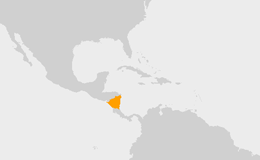
Las afiliadas de la CSI en Nicaragua son la Central de Trabajadores de Nicaragua (CTN), la Central Sandinista de Trabajadores (CST), la Confederación de Unificación Sindical (CUS) y el Frente Nacional de los Trabajadores (FNT).
Nicaragua ratificó el Convenio nº 87 sobre la libertad sindical y la protección del derecho de sindicación (1948) en 1967 y el Convenio nº 98 sobre el derecho de sindicación y de negociación colectiva (1949) en 1967.
según la ley
Libertad sindical / Derecho de sindicalización
Libertad sindical
El derecho a la libertad sindical está consagrado en la Constitución.
El derecho a la libertad sindical está regulado por el Código de Trabajo
Discriminación antisindical
La ley prohíbe la discriminación antisindical, pero no pevé medidas adecuadas de protección al respecto.
Derecho a la negociación colectiva
Derecho a la negociación colectiva
El derecho a la negociación colectiva está recogido en la Constitución
El derecho a la negociación colectiva está reconocido por la ley.
Derecho de huelga
Derecho de huelga
El derecho de huelga está consagrado en la Constitución
El derecho de huelga está reconocido por la ley pero estrictamente regulado.
Impedimentos legales a acciones de huelga legítimas
- Requisito de un quórum excesivo o de obtener una mayoría excesiva en una votación para poder convocar una huelga
- El Código del Trabajo exige que, para que una huelga sea aprobada, reciba el apoyo de la mayoría de los trabajadores de la empresa o establecimiento mediante votación en una asamblea general extraordinaria (Artículos 244 (c) del Código del Trabajo).
Injerencia indebida por parte de las autoridades o los empleadores durante el transcurso de una huelga
- Las autoridades o los empleadores están capacitados para prohibir, limitar, suspender o cesar unilateralmente una acción de huelga
- El Código del Trabajo dispone que a los 30 días de haberse declarado legal una huelga, en caso de que las partes no llegasen a un acuerdo, el Ministerio del Trabajo (MITRAB) podrá intervenir para terminarla (Artículos 389 y 390 del Código del Trabajo).
En la Práctica
Entre enero y octubre de 2017, el Hotel Crowne Plaza Managua despidió al menos 27 trabajadores sin justa y 12 renunciaron por presión psicológica y excesiva carga de trabajo en el Hotel. El 70% de los trabajadores despedidos pertenecían al Sindicato Gutiérrez y Martínez, afiliado a la Federación Unitaria de Trabajadores de la Alimentación de Nicaragua (Futatscon) y la UITA. El Sindicato ha mantenido sus denuncias debido a las malas condiciones laborales en las que se encuentran los trabajadores, las constantes violaciones al convenio colectivo de trabajo y las prácticas antisindicales contra los afiliados.
El Ministerio del Trabajo (Mitrab) se ha negado durante los últimos años a la emisión de la certificación de organizaciones sindicales. Esta práctica continuó durante el 2017. Los sindicatos del Intae de Granada, extensión del Instituto Nacional Tecnológico (Inatec) en Managua, de la empresa Teustepe, Boaco, así como dos sindicatos de las empresas privadas Avícola Nacional de Granada y Molinos de Nicaragua, llevan más de dos años solicitando con decisiones judiciales favorables, la extensión de su certificación como sindicato.
Igualmente, en 2017, el Mitrab se negó a acatar la decisión judicial que ordena la certificación del sindicato Augusto C. Sandino, de la Empresa Nicaragüense de Acueductos y Alcantarillado (Enacal) en Granada. Entre tanto, en enero de 2017, dos afiliados a la organización fueron despedidos sin justa causa por la Enacal.
En diciembre de 2016, 12 trabajadores de la fábrica SAE-A Tecnotex fueron declarados culpables de una serie de delitos: obstrucción de funciones y daños graves en perjuicio de la Policía Nacional y la empresa, después de un conflicto laboral en una fábrica, propiedad de Corea del Sur, que emplea a 3.000 trabajadores y produce prendas de vestir para exportar a compañías en los Estados Unidos, incluyendo Kohls, Target, JC Penney, y Wal-Mart y situada en zona franca de Managua.
Los 12 trabajadores (dos sindicalistas y 10 trabajadores de base) fueron detenidos en junio de 2016 por la policía antidisturbios durante una protesta pacífica frente a la fábrica en una zona franca en Tipitapa, Managua. Los trabajadores exigian el respeto de los derechos laborales, como el aceso a agua potable, condiciones decentes de trabajo y metas de producción realistas. Los sindicalistas fueron condenados a una pena de dos años de cárcel, y los demás a una pena de un año, todos perdieron sus derechos políticos y no pueden salir del país.
Durante 2016, el Ministerio de Trabajo violó el derecho a la libertad de organización sindical al ignorar las sentencias judiciales emitidas por tribunales de justicia en el país que ordenan la certificación de las organizaciones sindicales. Sin la correspondiente certificación, los sindicatos no pueden participar en la negociación de convenios colectivos, limitando su papel sindical. Igualmente, la certificación establece el respeto del fuero sindical, de lo contrario los miembros de estas juntas directivas pueden ser despedidos de forma arbitraria.
Los líderes sindicales de la Unidad Sindical Magisterial (USM), la Confederación Nacional de Maestros de Nicaragua (CNMN) y la Central de Trabajadores de Nicaragua (CTN Autónoma), que representan a unos 60 sindicatos a nivel nacional, intentaron reunirse varias veces con la Ministra del Trabajo, sin embargo, el encuentro no se llevó a cabo. El objetivo de la reunión era recibir explicaciones de por qué durante 2016 dejaron de entregarles las actualizaciones de las certificaciones sindicales, cuando la ley estipula que el trámite máximo dura diez días.
Los sindicatos afectados que esperaban que el Ministerio cumpliera, a lo largo de 2016, con extenderles las certificaciones son: la Asociación de Maestros Independientes de Nicaragua, el Intae de Granada, que es una extensión del Instituto Nacional Tecnológico (Inatec) en Managua, así como dos sindicatos de las empresas privadas Empresa Avícola Nacional de Granada y Empresa Molinos de Nicaragua. La Federación Sindical de Managua y el Sindicato de Trabajadores de Teustepe, Boaco, también cuentan con una sentencia de los tribunales que el Ministerio no ha reconocido. Por su parte el sindicato de la Empresa Nicaragüense de Acueductos y Alcantarillado (Enacal), en Granada, lleva diez meses esperando que se adopte una resolución judicial ordenando se le reconozca la certificación.
En diciembre de 2016, en el Matadero Central, ubicado en Juigalpa, Chontales, despidieron a cinco trabajadores en violación el convenio colectivo, debido al incumplimiento en la entrega de la certificación.
En noviembre de 2016, la organización Fair Labor Association presentó el reporte final de una investigación que tenía como fin examinar violaciones a la libertad de asociación en la fábrica New Holland Nica (New Holland Apparel S.A.), ubicada en la Zona Franca Astro de Managua, Nicaragua. La investigación fue solicitada por AdidasGroup y Under Armour, compradores de la fábrica, ante denuncias del Sindicato Trabajadores al Poder (STP).
Las denuncias incluían sucesivas violaciones al ejercicio a la libertad de asociación por parte de la gerencia de la fábrica. Entre ellas, el sindicato aseguró que la gerencia perseguía a un grupo de trabajadores que conformaron la Junta Directiva de un nuevo sindicato, despidiendo a dirigentes que habían asistido a una reunión para elegir su nueva Junta Directiva.
El informe encontró que dos trabajadores habían sido despedidos sin cumplir con los procedimientos del contrato colectivo de trabajo y recomendó que fuesen readmitidos con pago de sueldo retroactivo, a lo que accedió la empresa. Adicionalmente el informe encontró que el procedimiento de terminaciones de la fábrica no incluye procedimientos específicos para proteger a los trabajadores frente a la discriminación y posibles represalias por su participación en sindicatos. Además, el informe afirmó que el sistema de gestión de la fábrica no incluye medidas definidas que garanticen el trato imparcial de las organizaciones sindicales y el respeto de su independencia durante su proceso de formación y operación, razón por la recomendó crear e implementar un programa de capacitación dirigido a la gerencia y el personal de recursos humanos sobre el derecho a la sindicalización y el desarrollo libre de la actividad sindical.
AdidasGroup y Under Armour han trabajado conjuntamente con la fábrica y las organizaciones sindicales para desarrollar un plan que cumpla con las recomendaciones de Fair Labor Association.
En mayo de 2016, se denunció que los sindicalistas que pertenecen al partido Frente Sandinista de Liberación Nacional (FSLN) obligan a los empleados públicos a participar bajo amenaza de despido o castigo disciplinario, atentando de esta forma en contra de la libertad de asociación y sindicalización. Según la denuncia, los empleados públicos son obligados a cotizar al FSLN y a participar en las celebraciones políticas y “sindicales” del régimen orteguista.
La Asociación Nacional Pro Derechos Humanos (ANPDH) denunció que, durante los nueve años del actual régimen de Daniel Ortega, cerca de 28.000 empleados públicos han sido despedidos, la mayoría sin justificación legal. Según la denuncia, en muchos casos fueron despedidos por no querer afiliarse al partido del Gobierno y los sindicatos oficialistas. Se afirma que los sindicatos no son independientes y se encuentran subordinados a los intereses del Gobierno, lo que los convierte en sindicatos paralelos que no ejercen una verdadera representación de los intereses de los trabajadores. Por otro lado, los pequeños sindicatos no oficialistas son marginados por el Gobierno.
Como respuesta a esta situación, los diputados del partido Movimiento Renovador Sandinista (MRS), que forman parte de la bancada parlamentaria opositora, presentaron en la Asamblea Nacional una iniciativa de Ley Especial de Dignificación de los Servidores Públicos, con la cual se pretende eliminar la obligatoriedad de las contribuciones y de la participación en los sindicatos oficialistas.
El 9 de noviembre de 2014, trabajadores de Schneider National Logistics, la compañía que se encarga de comercializar y distribuir en Nicaragua los productos de PepsiCo provenientes de la Embotelladora Nacional S.A. (ENSA) decidieron conformar sindicato. Menos de 24 horas después la gerencia de la compañía los despidió ilegal y arbitrariamente.
A petición del sindicato, el Ministerio del Trabajo (MITRAB) llevó a cabo una inspección en las instalaciones de la planta de ENSA en Managua, durante la cual constató la violación al fuero sindical, así como el despido masivo de trabajadores, y ordenó que la empresa readmitiese a los trabajadores despedidos ilegalmente.
En una reunión con Marcial Cabrera, Secretario General de la Federación Unitaria de Trabajadores de la Alimentación de Nicaragua (FUTATSCON), quien está asesorando al Sindicato de trabajadores de Schneider, la dirección propuso readmitir a 45 de los trabajadores despedidos, dejando fuera a los otros 24 entre los que se encuentra toda la junta directiva del sindicato. La compañía apeló al fallo del MITRAB, pero la orden de readmisión de los trabajadores se mantuvo. Los trabajadores mantienen los piquetes establecidos frente a la entrada de la planta de la distribuidora, firmes en la defensa de sus derechos.
Schneider National Logistics niega tener una relación directa con Pepsi, pese a que se encarga de distribuir sus productos en Nicaragua y que sus trabajadores llevan uniformes con el logo de la multinacional.
Docentes y personal administrativo de la Universidad Politécnica de Nicaragua, Upoli, realizaron en marzo de 2013 una protesta demandando un incremento salarial del 10%. Según la Secretaria General del Sindicato 14 de Julio, hubo falta de voluntad de parte del patronato y autoridades de la Upoli.
Desde enero de 2007 a diciembre de 2012, la Federación Democrática de Trabajadores del Sector Público (Fedetrasep) contabiliza 24.330 empleados públicos despedidos. Durante ese período, además señalan que 156 organizaciones sindicales “han sido eliminadas” en diferentes instituciones del Estado.
La tercerización es un fenómeno de gran impacto que llevó a representantes de diversas centrales sindicales y diputados de la Asamblea Nacional a impulsar un proyecto de Ley para su regulación, el cual fue debatido en el “Foro Tripartito sobre la Tercerización”. Con la tercerización laboral los trabajadores pierden derechos a la seguridad social, a la negociación colectiva, a la libertad de organización, a una pensión digna. Al menos unos 800.000 mil trabajadores/as laboran en estas condiciones en Nicaragua, principalmente en el sector agropecuario, así como en la construcción, hoteles y restaurantes.
Según, Marcial Cabrera, Secretario General de la Federación Unitaria de Trabajadores de la Alimentación, Agroindustria, Turismo, Servicio, Comercio y Conexos de Nicaragua (FUTATSCON), la tercerización sigue siendo una forma habitual de contratación. Vulnera las garantías mínimas de los trabajadores, lo que consecuentemente implica la transgresión de derechos fundamentales. Los trabajadores y trabajadoras nicaragüenses sufren las consecuencias, que se reflejan particularmente en bajos salarios, pésimas condiciones laborales y prestaciones sociales y la negación de sus derechos sindicales.
En muchos centros de trabajo, aprovechándose del déficit de empleo que hay en el país, a los trabajadores/as se les exige trabajar largas jornadas superiores a las ocho horas, a fin de cubrir las cotas de producción y cumplir con sus compromisos internacionales.
Las trabajadoras del servicio doméstico laboran mas de ocho horas diarias sin ser remuneradas con el salario mínimo establecido por Ley, ni el pago de horas extras y días feriados laborados, a cambio de la estabilidad laboral y vivienda.
Una situación similar viven los trabajadores y las trabajadoras de la salud, a quienes en los hospitales públicos se les exigen jornadas de trabajo de más de las ocho horas sin cobrar horas extras.
Los trabajadores/as de los centros de llamadas realizan asimismo jornadas laborales superiores a ocho horas sin recibir el pago de horas extras ni días feriados, a cambio de la estabilidad laboral.
El Ministerio de Educación (MINED), se ha negado a que la Confederación Nacional de Maestros de Nicaragua (CNMN) tome parte en el proceso de negociación colectiva, para garantizar mejores beneficios sociales y asegurarse de que respeten sus derechos sociales contenidos en los convenios colectivos vigentes.
Los trabajadores y trabajadoras sindicalizados del sector público han venido teniendo que hacer frente a diversos abusos de autoridad reflejados en represalias, discriminación, despidos ilegales, suspensiones de trabajadores de forma ilegal, contrataciones ilegales con mega salarios, creación de nuevas plazas ilegales, promociones a cargos superiores de forma ilegal, traslados de trabajadores de una área a otra de forma arbitraria y desacato a las resoluciones administrativas y judiciales.
Como parte de su cultura, las empresas exhiben permanentemente una actitud contraria al libre ejercicio de la libertad sindical, contando para ello con el consejo profesional de abogados y gerentes. Trabajadores/as sindicalizados dan cuenta de constantes ataques, hostigamiento y otras formas de presión con la finalidad de obligarlos a abandonar el sindicato o la empresa. No faltan los despidos que incluyen a dirigentes y o fundadores de los sindicatos, como principal estrategia para eliminar los sindicatos o impedir la creación de nuevas organizaciones. En muchas ocasiones los empleadores ofrecen incentivos económicos para lograr la desafiliación y debilitar al sindicato. En cuanto a las relaciones laborales, se van imponiendo los contratos cortos, tipo «jornalero», que hacen imposible aumentar el número de personas afiliadas al sindicato. También se recurre a cambios que pueden parecer formales, pero que influyen en la organización sindical, como modificar la razón social de la empresa para deslegitimar el sindicato, o sustituir el personal de la gerencia en busca de una «mano dura» antisindical. Las zonas francas industriales o maquilas siguen siendo el sector donde se producen más violaciones de los derechos de los trabajadores/as.
En un comunicado del 24 de febrero, la Confederación de Unificación Sindical (CUS) alega que el Ministro de Transporte e Infraestructura sigue sin atender las solicitudes de mantener una reunión con las organizaciones sindicales que representan a todos los trabajadores de dicho Ministerio, a pesar de venir solicitándola desde enero de 2007. La CUS añade que el Gobierno sigue sin cumplir las recomendaciones formuladas por el Comité de Libertad Sindical de la OIT en 2008 y continúa incumpliendo las cláusulas del convenio colectivo en numerosos aspectos, incluyendo contrataciones, procedimiento de despido, las facilidades para los sindicatos (oficina, etc.), y el acuerdo bilateral de los conductores, en particular en lo que respecta al ajuste salarial.