
Turquía
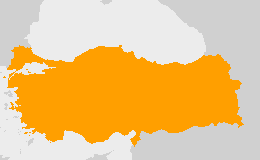
Las afiliadas de la CSI en Turquía son Devrimci Isçi Sendikalari Konfederasyonu (DISK), Kamu Emekçileri Sendikalari Konfederasyonu (KESK), Türkiye Hak Isçi Sendikalari Konfederasyonu (HAK-IS) y Türkiye Isçi Sendikalari Konfederasyonu (TÜRK-IS).
Turquía ratificó el Convenio nº 87 sobre la libertad sindical y la protección del derecho de sindicación (1948) en 1993 y el Convenio nº 98 sobre el derecho de sindicación y de negociación colectiva (1949) en 1952.
según la ley
Libertad sindical / Derecho de sindicalización
Libertad sindical
El derecho a la libertad sindical está consagrado en la Constitución.
El derecho a la libertad sindical está reconocido por la ley, pero estrictamente regulado.
Discriminación antisindical
La ley prohíbe la discriminación antisindical, pero no pevé medidas adecuadas de protección al respecto.
Barreras legales al establecimiento de organizaciones
- Para establecer un sindicato se requiere autorización o aprobación previa por parte de las autoridades
- La sección 7 (d) de la Ley nº 6289 sobre los sindicatos y el convenio colectivo de trabajo de los funcionarios públicos obliga a proporcionar el lugar de residencia de los fundadores de una organización en sus estatutos, los cuales deben presentarse a la oficina del Gobernador de la provincia para su incorporación.
Restricciones al derecho de los trabajadores y trabajadoras a formar y afiliarse a organizaciones de su elección
- La ley impone restricciones al derecho de los trabajadores/as a afiliarse al sindicato de su elección
- La ley otorga al Ministerio de Trabajo el derecho de determinar el sector de actividad al que pertenece un lugar de trabajo, lo que tiene implicaciones para el derecho de los trabajadores a constituir o afiliarse a las organizaciones de su elección (sección 3-4 de la Ley nº 2821, sección 5-4 de la Ley nº 4688).
Restricciones al derecho de los sindicatos a organizar su administración
- Restriciones al derecho a elegir representantes y autoadministrarse con plena libertad
- (1) De conformidad con el artículo 10 (8) de la Ley nº 6289 sobre sindicatos y convenio colectivo de trabajo de los funcionarios públicos, el Ministerio de Trabajo y Seguridad Social puede solicitar la supresión de los órganos ejecutivos de los sindicatos en caso de incumplimiento de los requisitos relativos a las reuniones y decisiones de las asambleas generales. (2) La nueva ley de sindicatos y convenios colectivos de trabajo (nº 6356) impone reglas estrictas sobre la composición y función de los órganos de los sindicatos, así como sobre el número de los miembros de la junta ejecutiva y el quórum necesario para la adopción de decisiones. Por otra parte, al igual que en la legislación anterior, los mandatos de los responsables sindicales se darán por concluidos si resultan electos miembros del parlamento o alcaldes (artículo 9). Además, para que la Asamblea General tome una decisión la nueva ley exige el voto por mayoría absoluta de los miembros presentes, cuyo número no puede ser en todo caso inferior a una cuarta parte del número total de miembros (artículo 13). La nueva ley también prevé un procedimiento estricto y detallado para la elección de los responsables de las organizaciones sindicales, incluida la supervisión por parte de las autoridades judiciales (art. 14). Entre otras limitaciones se incluye la prohibición de aceptar ayudas o donaciones de partidos políticos y otras instituciones u organismos públicos (artículo 28) y la limitación en el uso y gestión de sus fondos (artículos 26 y 28).
- Restricciones a la libertad para organizar libremente actividades y formular programas
- En julio de 2018, el Gobierno de Turquía aprobó el Decreto Presidencial Nº 5 con el pretexto de "reestructurar las instituciones gubernamentales tras las elecciones presidenciales". Según el decreto, el Consejo de Supervisión del Estado, una institución directamente responsable ante la Oficina del Presidente, ha sido investido de poderes excesivos que limitan el derecho de los sindicatos a organizar su administración interna, sus normas y sus actividades. El Consejo de Supervisión del Estado tiene ahora la autoridad de investigar y auditar a los sindicatos en cualquier momento. Todos los documentos y actividades de los sindicatos pueden ser objeto de investigación sin necesidad de una orden judicial. También queda a discreción del Consejo de Supervisión del Estado retirar o cambiar la dirección de los sindicatos. Los sindicatos necesitan obtener una autorización oficial para organizar sindicatos o manifestaciones y tienen que permitir que la policía asista y grabe sus debates. Las asociaciones continúan sin poder utilizar otro idioma que el turco en sus actividades oficiales.
- Las autoridades administrativas están capacitadas para tomar unilateralmente la decisión de disolver, suspender o retirar el registro a organizaciones sindicales
- En caso de violación grave de una ley que rija sus actividades, los sindicatos pueden ser obligados a suspender sus actividades, o a disolverse por orden de un Tribunal Laboral.
- Otras interferencias externas admitidas por la ley
- Las exhaustivas disposiciones en relación con el funcionamiento interno de los sindicatos y sus actividades dan lugar a reiteradas injerencias por parte de las autoridades públicas (Leyes nº 2821, 2822 y 4688).
Categorías de trabajadores a quienes la ley prohíbe o restringe la posibilidad de formar o afiliarse a sindicatos, o de ocupar cargos sindicales
- Otros funcionarios y empleados públicos
- El artículo 15 de la Ley de sindicatos y convenio colectivo de trabajo de los funcionarios públicos sigue prohibiendo a varios trabajadores afiliarse a sindicatos, incluidos los jueces y fiscales, auditores financieros, funcionarios civiles del Ministerio de Defensa Nacional y las Fuerzas Armadas de Turquía, empleados de instituciones penitenciarias, personal de seguridad especial, empleados públicos “en puestos de confianza”, rectores de universidades y directores de escuelas superiores. Las más altas autoridades y sus asistentes pueden llegar a ser miembros de los sindicatos en los lugares de trabajo que emplean a 100 o más empleados públicos. Los trabajadores de las fuerzas armadas están excluidos del derecho a formar o afiliarse a sindicatos, entre ellos los funcionarios civiles y los funcionarios públicos en el Ministerio de Defensa Nacional y las Fuerzas Armadas de Turquía.
Derecho a la negociación colectiva
Derecho a la negociación colectiva
El derecho a la negociación colectiva está recogido en la Constitución
El derecho a la negociación colectiva está reconocido por la ley, pero no está debidamente fomentado y promovido.
Obstáculos legales para el reconocimiento de los agentes de negociación colectiva
- Se requiere una representatividad excesiva o un número mínimo de miembros para poder negociar colectivamente
- Para ser autorizado a celebrar un convenio colectivo que abarque el lugar de trabajo o la empresa correspondiente, un sindicato debe representar al menos el 3% de los trabajadores que participan en una determinada rama de actividad y más del 50% de los trabajadores empleados en el lugar de trabajo y el 40% de los trabajadores de la empresa (art. 41 de la nueva Ley de sindicatos y convenios colectivos de trabajo (nº 6356)).
Restricciones al principio de negociación libre y voluntaria
- Exclusión de ciertas cuestiones del ámbito de la negociación (por ej. salarios, jornadas laborales)
- El artículo 28 de la Ley Nº 4688 restringe el alcance de los convenios colectivos a los "derechos sociales y financieros" únicamente.
- Las autoridades pueden intervenir en la conclusión de convenios colectivos
- En el sector público, las partes de la negociación colectiva serán el “Comité de Sindicatos de Funcionarios Públicos” y el “Comité de Empleadores Públicos”. Esta medida impide la participación en las negociaciones del empleador directo (Ley nº 6289 sobre sindicatos de funcionarios públicos y convenio colectivo).
Restricciones o prohibición de negociar colectivamente en algunos sectores
- Otras categorías
- El artículo 15 de la nueva Ley de sindicatos y convenio colectivo de los funcionarios públicos sigue prohibiendo a varios tipos de empleados afiliarse a sindicatos, entre ellos los abogados, jueces y fiscales, auditores financieros, funcionarios civiles del Ministerio de Defensa Nacional y las Fuerzas Armadas de Turquía, los empleados de las instituciones penitenciarias, personal especial de seguridad, empleados públicos “en puestos de confianza”, rectores de universidades y directores de escuelas superiores, privándolos así de la negociación colectiva.
Derecho de huelga
Derecho de huelga
El derecho de huelga está consagrado en la Constitución
El derecho de huelga está reconocido por la ley pero estrictamente regulado.
Impedimentos legales a acciones de huelga legítimas
- Requisito de un quórum excesivo o de obtener una mayoría excesiva en una votación para poder convocar una huelga
- Para que una huelga se lleve a cabo es preciso que voten por ella una cuarta parte de los trabajadores empleados en el lugar de trabajo (art. 61 de la Ley sobre sindicatos y convenios colectivos de trabajo (nº 6356)).
- Otras formalidades excesivamente complejas o que llevan mucho tiempo para poder convocar una huelga
- El conflicto que ha motivado la huelga debe ser comunicado a las autoridades correspondientes 60 días antes de la huelga. La fecha de la huelga tiene que ser comunicada con seis días de antelación (artículo 60 de la Ley sobre sindicatos y convenios colectivos de trabajo (nº 6356)).
Prohibición o restricciones para ciertos tipos de acción de huelga
- Restricciones respecto al objetivo de una huelga (por ej. disputas industriales, cuestiones económicas y sociales, políticas, de simpatía o solidaridad)
- El artículo 58 de la Ley sobre sindicatos y convenios colectivos de trabajo (nº 6356) permite únicamente huelgas que resulten de un conflicto durante las negociaciones colectivas, lo que implica que las huelgas de solidaridad no están permitidas.
- Restricciones respecto al tipo de acción de huelga (por ej. piquetes, huelgas salvajes, huelgas de celo, sentadas, huelgas de brazos caídos)
- De acuerdo con el artículo 73 de la nueva Ley de sindicatos y convenios colectivos de trabajo (nº 6356), los piquetes frente a las puertas del lugar de trabajo solamente pueden ser formados por cuatro o cinco trabajadores en huelga.
Injerencia indebida por parte de las autoridades o los empleadores durante el transcurso de una huelga
- Las autoridades o los empleadores están capacitados para prohibir, limitar, suspender o cesar unilateralmente una acción de huelga
- El artículo 63 de la nueva Ley de sindicatos y convenios colectivos de trabajo (nº 6356) establece que una huelga o cierre patronal legales ya convocados o iniciados pueden ser suspendidos por el Consejo de Ministros durante 60 días mediante decreto si perjudican la salud pública o la seguridad nacional. De no llegarse a un acuerdo dentro de ese período, la cuestión podrá ser sometida a arbitraje obligatorio.
- Requisamiento forzoso de los huelguistas (aparte de ciertos casos en los servicios esenciales)
- El artículo 65 de la nueva Ley de Ley de sindicatos y convenios colectivos de trabajo (nº 6356) concede al empleador la posibilidad de seleccionar un número suficiente de trabajadores para que no participen en una huelga legal con el objetivo de garantizar la continuidad del trabajo en los procesos que deben mantenerse por razones técnicas; garantizar la seguridad del lugar de trabajo y prevenir daños a la maquinaria, las instalaciones, equipos, materias primas y productos acabados y semi-acabados; así como asegurar la protección de los animales y las plantas.
Disposiciones que socavan el recurso a acciones de huelga o su eficacia
- Posibilidad de sustituir a trabajadores/as durante acciones legítimas de huelga
- El empleador puede contratar nuevos trabajadores en el lugar de trabajo donde se haya declarado una huelga en los sectores donde esté prohibido hacer huelga (artículo 65 (5) de la Ley de sindicatos y convenios colectivos de trabajo (nº 6356)).
- Excesivas sanciones civiles o penales contra los trabajadores/as y sindicatos involucrados en acciones de huelga no autorizadas
- La violación de cualquier requisito de procedimiento al convocar una huelga puede dar lugar a una multa de 5.000 TL (artículo 78 de la Ley de sindicatos y convenios colectivos de trabajo (nº 6356)).
Limitaciones o prohibición de hacer huelga en algunos sectores
- Restricciones injustificadas para los funcionarios públicos
- Los artículos 33 y 34 de la Ley nº 6289 sobre sindicatos y convenio colectivo de los funcionarios públicos prevén los procedimientos para la solución de conflictos por el Consejo de Arbitraje de los Empleados Públicos. Sin embargo, no menciona las circunstancias en las que puede ejercerse la huelga en el servicio público.
- Determinación discrecional o lista excesivamente larga de «servicios esenciales» en los que el derecho de huelga queda prohibido o severamente restringido
- De acuerdo con el art. 62 de la nueva Ley de sindicatos y convenios colectivos de trabajo (nº 6356), no se reconocerá como legal declarar huelga en los siguientes sectores: las funerarias y la morgue; gas natural y petróleo, así como actividades en el sector petroquímico; la producción de lo que requiere en un principio nafta o gas natural; los servicios bancarios; y los servicios de transporte público urbano a cargo de instituciones públicas; y en los hospitales. Además, las huelgas están prohibidas en vehículos de transporte por mar, aire, ferrocarril y carretera, que no hayan finalizado su trayecto en los lugares de destino nacionales.
En la Práctica
Los cargos penales infundados que pesaban contra los siete miembros del Comité Ejecutivo de KESK, afiliada turca de la CSI, fueron desestimados por el Cuarto Tribunal Penal de Ankara el 3 de marzo, en una sentencia que confirma que reclamar la paz no puede considerarse un crimen según la legislación turca.
En enero de 2018, la ejecutiva de KESK publicó un comunicado de prensa a favor de la paz y advirtiendo del impacto que tendría la incursión del ejército turco en Afrin, Siria, especialmente para la población kurda, además de criticar que se desviasen recursos vitales que podrían destinarse a cubrir las necesidades sociales y económicas de la propia Turquía.
En otro caso, cuya vista estaba prevista para el 9 de marzo, Arzu Çerkezoglu, presidenta de otra afiliada de la CSI, la central sindical DISK, afronta cargos penales pasibles de una pena de prisión, por haber criticado en junio de 2016 al AKP, el partido gobernante en Turquía. Varios otros sindicalistas están también imputados.
“Turquía sigue siendo uno de los países más hostiles del mundo para los sindicalistas, y exhortamos al Gobierno de Erdoğan a cesar su represión contra los sindicatos y otros en el país por haber intentado sencillamente ejercer sus derechos legítimos, y a retirar todos los cargos infundados y las condenas impuestas”, indicó Sharan Burrow.
Empleados de SF Trade Leather vienen luchando desde 2015 por obtener el reconocimiento de su derecho a organizarse en el sindicato nacional de trabajadores del cuero, Deriteks Sendika. La compañía respondió inicialmente despidiendo a 14 trabajadores indicando que podrían recuperar su empleo a condición de renunciar a su afiliación sindical. SF solicitó además a un tribunal local que impidiese al sindicato la publicación en línea de material sobre su acción, e incluso llegó a presentar una demanda por daños y perjuicios.
Los trabajadores se enfrentaron a la compañía y emprendieron una campaña tanto a nivel local como internacional, reclamando la readmisión de sus compañeros. Las protestas organizadas frente a los establecimientos de la marca de bolsos Mulberry, apoyadas por los sindicatos británicos y distintos grupos, obtuvieron una victoria, con la apertura de negociaciones entre la dirección de SF y Deriteks. La compañía aceptó la presencia del sindicato en el lugar de trabajo y se firmó un protocolo estableciendo una mejora del diálogo mutuo.
No obstante, en el verano de 2019, trabajadores de SF informaron al sindicato Deriteks que el acoso y las intimidaciones continuaban y los trabajadores sindicalizados formaron un comité de organización en el centro de trabajo para hacer frente a los persistentes problemas.
Cuatro sindicalistas –Ayse, Pinar, Nurcan y Sevcan– fueron suspendidas de inmediato, supuestamente por “bajo rendimiento” y acusadas de ocasionar “desprestigio a la fábrica y poner en peligro otros puestos de trabajo”. Las cuatro trabajadoras iniciaron entonces una huelga simbólica de 100 días con el apoyo de Deriteks, y siguen luchando por recuperar su empleo y su derecho a la sindicalización.
La plantilla de SF continúa reclamando la readmisión inmediata de todos los empleados despedidos, el reconocimiento del sindical y respeto del derecho de sindicalización en el lugar de trabajo, además de que se ponga término al acoso y la intimidación por parte de la dirección de SF. Su lucha y determinación a recuperar sus puestos de trabajo se ha convertido en un símbolo de resistencia en la Zona Gaziemir de Izmir, que acoge numerosas fábricas de artículos de cuero.
El 20 de enero de 2020, se publicó un decreto presidencial declarando unos terrenos propiedad del sindicato Genel-İş como reserva natural, con lo que pasarían a manos del Ministerio de Cultura y Turismo. El sindicato tuvo noticia además que la operación se llevaría a cabo como si se tratase de una emergencia, acordando absoluta prioridad.
Genel-İş calificó de robo esta medida, indicando no haber sido informado ni haber recibido comunicación alguna al respecto. En una declaración, el sindicato indicó que la intención del Gobierno era apropiarse de los terrenos para luego concluir un contrato de alquiler a largo plazo con un inversor privado, posiblemente para la construcción de hoteles y restaurantes de alta gama. La declaración llamaba la atención sobre el hecho de que otros terrenos privados situados en torno a la propiedad del sindicato no habían sido confiscados ni nacionalizados. La medida afectaba exclusivamente a los terrenos del sindicato. En el momento en que se confiscó la propiedad circulaban rumores de que se construiría un club de golf.
El sindicato tiene previsto impugnar el decreto presidencial ante la Corte Suprema y, de no obtener un dictamen que devuelva los terrenos a su legítimo propietario, el sindicato, recurriría al Tribunal Europeo de Derechos Humanos.
Safe Demo Plastik, subsidiaria turca de la empresa francesa proveedora de componentes para automóviles Safe Group, fue acusada de desplegar tácticas antisindicales dirigidas a miembros de Petrol-İş, el sindicato de trabajadores del sector químico, del petróleo y el caucho, en la ciudad de Bursa, el centro del sector automotriz en Turquía. El sindicato había recibido la certificación oficial del Ministerio de Trabajo de Turquía, pero la dirección local de la empresa la impugnó aduciendo que Petrol-İş no contaba con la mayoría suficiente para ser un agente de negociación colectiva. La empresa despidió además a seis trabajadores debido a sus actividades sindicales e intentó presionar a otros miembros del sindicato para que renunciasen a su afiliación.
Los sindicalistas se manifestaron reclamando el reconocimiento de sus derechos. Sus exigencias incluían que Safe Demo Plastik retirase su acción judicial e iniciase negociaciones colectivas, la reincorporación de los sindicalistas despedidos y que se ponga fin a la intimidación a los trabajadores para que renuncien al sindicato.
Entre tanto, el director local de Safe Demo Plastik fue condenado a seis meses de prisión por el tribunal de primera instancia de Bursa por violación del artículo 118 del Código Penal Turco, referido al “Impedimento del ejercicio de los derechos sindicales”.
Desde mayo de 2019, al parecer la municipalidad de Izmir Aliaga ha venido despidiendo a empleados sin motivo justificado, por el simple hecho de ser miembros de su sindicato. Inicialmente, tres trabajadores fueron despedidos a principios de 2019, a los que seguirían otros 99 el 11 de junio. Los trabajadores se manifestaron montando un piquete frene a las oficinas el 20 de mayo de 2019, para protestar por los despidos y reclamar la readmisión de los trabajadores. Para el 24 de julio de 2019, un total de 187 trabajadores habían sido despedidos. Al parecer, además, el alcalde recientemente electo en marzo de 2019, intentaba forzar al personal a renunciar a su afiliación sindical.
El movimiento sindical internacional acusó al alcalde de Aliaga de apuntar a los empleados de los servicios públicos sindicalizados, como parte de un amplio ataque contra los derechos sindicales lanzado por el presidente Erdogan.
El 2 de noviembre de 2018, 26 sindicalistas fueron condenados por su participación en una huelga que tuvo lugar en 2016 en una fábrica de Renault en Bursa. El tribunal declaró a los trabajadores culpables de “desobediencia a la ley sobre reuniones y manifestaciones”, tras haber participado en una protesta frente a la planta Oyak de Renault en marzo de 2016.
La protesta de 2016 estalló tras una serie de despidos durante una campaña sindical organizada por miembros del sindicato Birleşik Metal-İş. Renault se había negado reiteradamente a permitir la celebración de elecciones sindicales, despidiendo a 10 trabajadores incluidos dos de sus portavoces. Los manifestantes reclamaban el respeto de su derecho de sindicalización y la readmisión de los trabajadores despedidos. La protesta fue violentamente dispersada por la policía.
Los 26 trabajadores fueron condenados a cinco meses de prisión con suspensión de la pena durante cinco años. Otras dos personas que habían publicado mensajes de apoyo a la protesta en las redes sociales fueron sentenciados a penas de prisión de tres años y dos meses, por incitación.
Más de 40 obreros en la construcción del nuevo Aeropuerto de Estambul se enfrentan a juicio, tras producirse una detención masiva de trabajadores. Cerca de 10.000 trabajadores se declararon en huelga el 14 de septiembre de 2018, en protesta por las deficientes condiciones de seguridad y salud en la obra. La protesta fue violentamente dispersada por efectivos de la policía y el ejército, empleando gases lacrimógenos.
Los días 16 y 17 de septiembre, la policía procedió a efectuar arrestos masivos y detuvo a numerosos trabajadores conforme llegaban a la obra para trabajar. Unos 400 trabajadores fueron puestos bajo custodia policial, aunque la mayoría de ellos serían liberados poco después.
El 19 de septiembre, 43 de los trabajadores detenidos comparecieron ante el juez. Para 24 de ellos se decretó prisión preventiva y otros 19 fueron liberados bajo fianza. Tras nuevas detenciones, en total 31 trabajadores permanecerían en prisión preventiva en la cárcel de Silivri. Uno de ellos es Özgür Karabulut, presidente del sindicato Dev Yapı-İş, que fue detenido el 5 de octubre por un discurso pronunciado ante los trabajadores durante la protesta del 14 de septiembre. Tres enlaces sindicales del sindicato de trabajadores de la construcción figuran también entre los detenidos. Están acusados de perturbar la libertad de trabajar, contravención de la ley sobre manifestaciones y reuniones públicas, daños a la propiedad pública, resistencia a la autoridad y posesión de armas.
El 13 de noviembre de 2018, Abdullah Karacan, presidente del Sindicato de Trabajadores del Sector Químico y del Caucho, fue asesinado a tiros cuando visitaba a los miembros del sindicato empleados en una fábrica de neumáticos Goodyear, en Adapazari. El presidente regional del sindicato, Mustafa Sipahi, y el delegado sindical Osman Bayraktar, resultaron heridos en el tiroteo, debiendo ser hospitalizados.
Catorce activistas sindicales fueron injustamente despedidos de sus trabajos el 17 de abril de 2018 después de haber intentado organizar un sindicato en la planta de molienda de maíz de Cargill-Turquía en Bursa-Orhangazi. Poco después que el sindicato Tekgida-İş, afiliado a la Unión Internacional de Trabajadores de la Alimentación, Agrícolas, Hoteles, Restaurantes, Tabaco y Afines (UITA), solicitase representar a los trabajadores y trabajadoras en la planta de Cargill, en marzo de 2018, 14 de los sindicalistas involucrados en la campaña de organización serían despedidos.
Según los trabajadores y sus representantes sindicales de la UITA, los despidos forman parte de un patrón de prácticas antisindicales en Cargill. Siguen a otros siete despidos de trabajadores/as en 2012, 1014 y 2015, también como consecuencia de intentos de sindicalización. El Tribunal Supremo de Turquía dictaminó que esos siete trabajadores habían sido objeto de despidos improcedentes, y la UITA ha informado reiteradamente a Cargill de estas flagrantes violaciones de derechos.
Después de haber establecido un sindicato en el lugar de trabajo, 115 trabajadores/as afiliados a Petrol-İş fueron despedidos. Estaban empleados en la fábrica Kosan Kozmetik Pazarlama ve Ticaret AS, filial turca de la marca francesa de cosméticos Yves Rocher, y el despido se produjo cuando su sindicato, que llevaba algún tiempo intentando formalizarse, finalmente obtuvo el reconocimiento oficial y quedó registrado el 3 de abril. La compañía dijo a los trabajadores que habían sido despedidos por “tomar parte en una manifestación ilegal”, quedando incluidos en una lista negra por lo que no podrían encontrar otro empleo en la zona.
Los dirigentes de Petrol-İş indicaron que, una vez conseguido el estatus de representante mayoritario en la fábrica y tras haber registrado el sindicato ante las autoridades competentes, intentaron entablar un diálogo social constructivo y presentaron a la empresa una oferta para discutir la negociación colectiva. La empresa rechazó la oferta e impugnó ante los tribunales el certificado del sindicato expedido por el Ministerio de Trabajo, esgrimiendo argumentos infundados y recurriendo a lagunas en la legislación nacional para eludir la negociación colectiva. La compañía se niega a readmitir a los trabajadores y trabajadoras despedidos y se muestra reacia a dialogar con Petrol-İş.
Al menos 237 personas han sido arrestadas y 669 detenidas tan solo en los primeros diez días de febrero de 2017 y un total de 4.464 funcionarios civiles serían despedidos en aplicación del nuevo Decreto sobre el Estado de Emergencia No. 687 dictado el 7 de febrero de 2017.
De los 4.464 funcionarios despedidos, 2.585 eran docentes y funcionarios públicos del Ministerio de Educación; 417 eran oficiales de policía de la Dirección General de Seguridad, otros 893 pertenecían a la Comandancia General de la Gendarmería; 80 pertenecían a la Corporación de radio y televisión turca (TRT); 48 al Ministerio de Asuntos Exteriores; 49 al Ministerio del Interior; y 16 al Ministerio de Cultura y Turismo.
Durante todo el mes de febrero tuvieron lugar actos de violencia, detenciones y despidos arbitrarios en todo el país, agravando el clima de tensión e intimidación y ocasionando incertidumbre.
En particular:
- El 4 de febrero, la policía turca hizo uso excesivo de la fuerza contra miembros de la confederación de sindicatos del sector público Kamu Emekçileri Sendikalari Konfederasyonu (KESK) congregados en Malatya para protestar contra los despidos masivos;
- El 10 de febrero, al menos 11 personas, incluyendo profesores, fueron detenidos después de que la policía recurriese a cañones de agua y gas pimienta para dispersar a un grupo de manifestantes que protestaban contra el Decreto No.687 en la Universidad de Ankara;
- El 11 de febrero, nueve docentes –que habían sido despedidos de sus puestos de trabajo– fueron arrestados.
Una serie de prohibiciones sin precedentes respecto al derecho de reunión, y restricciones a las libertades civiles básicas, fueron aplicadas tras el intento fallido de Golpe de Estado del 15 de julio.
En particular, con la implementación del Decreto Ley No. 672 –publicado en la Gaceta Oficial el 1 de septiembre de 2016– más de 50.000 funcionarios serían despedidos. Como es natural, se organizaron comunicados de prensa, marchas y protestas en respuesta a esa arbitraria decisión gubernamental. Pero la policía reprimió cualquier tipo de manifestación pacífica. Algunos ejemplos:
- El 9 de septiembre se impidió la publicación de un comunicado de prensa respecto a una protesta convocada en Diyarbakir y cerca de 70 miembros de la confederación del sector público Kamu Emekçileri Sendikalari Konfederasyonu (KESK) fueron detenidos; muchos de ellos serían además demandados por vulnerar la Ley 2911 sobre manifestaciones y reuniones públicas;
- El 10 de noviembre, el Sindicato de los Trabajadores de Servicios Sociales y Sanitarios (SES) organizó una acción colectiva en protesta por los despidos colectivos injustificados y la declaración del Estado de Emergencia. La intervención policial se saldó con la detención de varios participantes, incluyendo el copresidente de SES y miembros de su ejecutiva central;
- El 14 de diciembre, se elaboró una nota de prensa en relación con una protesta del sindicato de trabajadores de empresas públicas del sector de la energía frente al Ministro de Energía. La protesta sería impedida por la policía y el presidente de ESM Ankara, Murat Çeşme, junto con otros miembros del sindicato, Ömer Faruk Kök, Özkan Boğan y Volkan Yaramiş, serían detenidos;
- El 21 de diciembre, KESK organizó una marcha bajo el lema “Quiero mi trabajo y mi pan”, que estaba previsto se iniciase en Estambul para terminar en Ankara. El día de la marcha, agentes de la policía rodearon el punto de inicio de la misma, la plaza Kadıköy, atacando a los participantes con porras, escudos, gas pimienta y balas de goma.
El sindicato Birleşik Metal-İs, presente en numerosas fábricas del grupo Schneider en Turquía, intentaron organizar un sindicato local en la planta Günsan Elektrik, que forma parte de dicho grupo. Los trabajadores interesados en sindicalizarse y el sindicato solicitaron al Ministerio de Trabajo turco el denominado “Certificado de Mayoría” para poder establecer oficialmente un sindical de empresa.
Pero cuando la dirección de Günsan Elektrik tuvo noticia de que algunos de sus empleados tenían intención de crear un sindicato, despidió a siete de los iniciadores del esfuerzo de sindicalización. Las acciones antisindicales no acabarían ahí, y tras los despidos, la dirección continuó instaurando un clima de amenazas e intimidación, convocando a los trabajadores a entrevistas individuales para averiguar si estaban o no a favor del sindicato, con lo que esencialmente se impidió la creación del sindicato a nivel de planta.
Deniz Akıl, líder de la sectorial de Ankara del sindicato de empleados de la administración pública Büro Emekçileri Sendikasi (BES), no está autorizado a salir de la provincia de Ankara y se le impuso llevar un dispositivo electrónico de vigilancia. La secretaria de la Confederación de Mujeres, Gülistan Atasoy, y el secretario general del Sindicato de Trabajadores de Educación y Ciencia (EĞİTİM SEN), Mesut Fırat, figuran entre los funcionarios despedidos cuyos pasaportes han sido confiscados, por lo que tienen prohibido viajar al extranjero. Por tal motivo, las ejecutivas de dichos sindicatos no han podido tomar parte en ninguna actividad sindical internacional.
En marzo de 2016, Hugo Boss despidió a Meryem Bicakci por apoyar la labor de sindicalización que realiza el sindicato Teksif en la fábrica donde ella misma trabajaba. Ha sido otro despido que se suma a la larga campaña antisindical desplegada por la marca de ropa de lujo en su mayor planta de producción situada en Izmir, Turquía. La dirección de la empresa aumentó además su presión sobre otros dos destacados sindicalistas, Fikri Mutlu y Murat Akgün. Ya se habían dado casos de otros compañeros que sufrieron amenazas, intimidación y terminaron siendo despedidos por sus actividades sindicales.
A finales de febrero de 2016 se produjeron violentos enfrentamientos entre la policía y trabajadores despedidos, que protestaban pacíficamente para recuperar sus empleos y el derecho a organizarse en la planta turca del fabricante de automóviles Renault Oyak, en la ciudad de Bursa.
Los trabajadores iban a celebrar elecciones sindicales en la planta, a raíz de un acuerdo alcanzado el 4 de febrero entre IndustriALL Global Union, su afiliado turco Birlesik Metal-Is, en representación de la inmensa mayoría de los trabajadores de la planta de Oyak, y la dirección de Renault. El acuerdo, que incluía también la composición y las funciones de un Comité de Diálogo Social (CDS), fue el resultado de los debates sobre la representación de los empleados. Las elecciones estaban previstas para el 29 de febrero.
Pero la dirección de Renault anuló las elecciones pocos días antes de la fecha prevista para su celebración, amparándose en el argumento de estar sometida a la presión del Ministerio de Trabajo y Seguridad Social de Turquía, que había declarado ilegales dichas elecciones. No hay nada en la legislación turca que establezca la ilegalidad de ese tipo de elecciones.
La dirección convocó entonces a los trabajadores individualmente, incluyendo a sus dos portavoces, y los despidió de inmediato. Los despidos continuaron. Más de 60 personas perdieron su empleo, y a otras 54 se las instó a dimitir a cambio del cobro de indemnizaciones de despido.
Cuando empezaron las protestas, la dirección de la fábrica solicitó la intervención de la policía. Procedieron a intimidar a los trabajadores en sus casas y al entrar o salir de sus turnos de trabajo. El 2 de marzo, la policía detuvo a 21 trabajadores al terminar el turno de noche.
Cuatro miembros del SES, el Sindicato de los Trabajadores de Servicios Sociales y Sanitarios, empleados en la Universidad de Kocaeli como personal académico (Prof. Dr. Onur Hamzaoglu, Dra. Nilay Etiler, Dr. Ümit Bicer y Dr. Mehmet Cengiz Erçin) fueron detenidos en su domicilio a primeras horas de la mañana el 15 de enero de 2016. El motivo de su detención fue haber firmado una declaración de paz con otros 1.128 académicos. Posteriormente fueron liberados de su detención policial, pero en el momento de escribir estas líneas, seguían siendo investigados.
Yasin Sezgin, miembro de la sección Van del SES, fue detenido el 15 de enero 2016 por compartir noticias en los medios sociales. Los medios sociales son vigilados por las fuerzas de seguridad para encontrar comentarios que podrían considerarse como insultantes para el Presidente.
Öner Öztürk, miembro de la sección Batman del SES también fue detenido por su intercambio de impresiones en los medios sociales. Es objeto de tres investigaciones distintas.
Recep Altindag, representante de la sección Ağrı del SES fue detenido por la policía en su domicilio el 2 de febrero de 2016 por haber visitado la tienda de la paz a los pies del monte Ağrı (Ararat). Fue encarcelado el 9 de febrero de 2016 acusado de ser miembro de una organización ilegal.
Mehmet Kaplan, un trabajador del sector del saneamiento empleado por el Ayuntamiento de Cizre, padre de tres hijos y miembro del sindicato DİSK/Genel-İş, murió frente a su domicilio el 17 de enero de 2016 al ser alcanzado por un disparo de las fuerzas de seguridad desplegadas para controlar diversas localidades al sur del país. Su familia no pudo retirar su cadáver de la calle a causa del toque de queda impuesto.
Cuatro semanas antes, el 14 de diciembre de 2015, Ramazan Uysal, también miembro de DISK/Genel- İş, recibió varios disparos y perdió el brazo, mientras operaba unas válvulas de agua para el Ayuntamiento de Cizre. Otros tres miembros de DISK/Genel-İş fueron detenidos por sus actividades sindicales: Mazlum Özmen, representante sindical y agente de la policía municipal; Mesut Ayık, chofer, y Nedim Oruç, responsable de prensa.
Cuando los líderes sindicales protestan ante hechos de este tipo, las autoridades intentan silenciarlos. Selahattin Barinc, miembro de la ejecutiva de la sección del Sindicato de Empleados Públicos en Sanidad y Servicios Sociales (SES) en Sirnak, fue arrestado y permaneció detenido el 6 de enero de 2016 por criticar el comportamiento de las fuerzas de seguridad. Sería acusado de distribuir propaganda y su sindicato se calificó como una organización ilegal.
Unas 100 personas resultaron muertas y centenares heridas en dos atentados suicidas contra una manifestación convocada por los sindicatos y organizaciones de la sociedad civil en la capital, Ankara, el 10 de octubre de 2015.
La gran manifestación y concentración masiva bajo el lema “Trabajo, Paz y Democracia” había sido organizada por cuatro organizaciones: DISK (Confederación de Sindicatos Progresistas), KESK (Confederación de Sindicatos del Sector Público), TMMOB (Unión de Cámaras Turcas de Ingenieros y Arquitectos) y TTB (Unión de Médicos de Turquía).
Las dos bombas, al parecer detonadas por terroristas suicidas, estallaron en rápida sucesión, mientras los manifestantes cantaban y bailaban portando pancartas pidiendo el fin de la violencia entre los separatistas curdos del PKK y el Gobierno turco. Los manifestantes reivindicaban asimismo que se respeten los derechos de los desempleados y de los pobres.
Tras los atentados, y cuando los supervivientes intentaban socorrer a los heridos, las fuerzas de seguridad bloquearon el acceso de los servicios médicos para llegar hasta las víctimas, utilizando gases lacrimógenos para dispersar a la multitud.
Las autoridades volvieron a recurrir a la violencia en relación con una manifestación programada tres días después, para protestar por las atrocidades. KESK, DISK, TTB y TMMOB querían organizar una marcha el 13 de octubre para protestar contra el atentado y honrar a las víctimas de la masacre. El permiso les fue denegado, alegando que el recorrido transcurriría por “lugares frecuentados por los ciudadanos” y teniendo en cuenta “la sensibilidad en el período actual”.
Al parecer la policía cargó contra las personas que intentaban llegar hasta los lugares donde estaban previstas las manifestaciones, y en un principio cerraron el acceso al ferry Kadıköy-Eminönü entre las zonas asiática y europea de la ciudad en la mañana del 13 de octubre, aduciendo que la marcha había sido declarada ilegal. Se firmó a policías de paisano empujando violentamente a los pasajeros del ferry para intentar detenerlos. En otros lugares se desplegaron fuerzas antidisturbios y se emplearon cañones de agua para impedir que la gente se sumase a las protestas.
También se celebraron actos de protesta contra la masacre en otras ciudades del país. La policía empleo gases lacrimógenos para dispersar a un grupo de unos 30 abogados y otras 150 personas que habían acudido a apoyarlos frente a los tribunales en el distrito de Alanya en Antalya.
El fabricante de bolsos SF Leather, cuya producción está destinada esencialmente a la marca de lujo Mulberry, despidió a 14 trabajadores por afiliarse al sindicato Deriteks en marzo de 2015. Deriteks acababa de empezar a organizar a los trabajadores/as de la fábrica, situada en la Zona Franca del Egeo, en Izmir.
SF Leather empezó demandando a los trabajadores y a Deriteks, alegando que sus “intereses comerciales” habían resultado dañados por las tácticas de organización del sindicato y las manifestaciones de protesta de los trabajadores reclamando la readmisión de sus compañeros despedidos. La empresa consiguió incluso que un tribunal local incautase una pancarta en la que se pedía a Mulberry respetar los derechos de los trabajadores, y ordenase un bloqueo informativo de las protestas sindicales en los sitios web turcos. Al mismo tiempo, continuó ejerciendo presiones e intimidando a los trabajadores para que no se afiliasen al sindicato.
Debido a las presiones sindicales, incluyendo el apoyo brindado por la Federación Sindical Internacional IndustriALL, SF Leather anunciaría más tarde que estaba dispuesta a readmitir a los trabajadores despedidos – pero con la condición de que renunciasen a su afiliación sindical. Cuando Deriteks rechazó esta condición, SF Leather inició una campaña de desprestigio del sindicato con acusaciones falsas.
Finalmente se alcanzaría un acuerdo entre sindicato y dirección el 14 de octubre. SF Leather no readmitiría a los trabajadores despedidos, pero al menos aceptó pagarles una indemnización. Decidió además permitir que el sindicato organizase en la fábrica, y ambas partes acordaron retirar los casos pendientes ante los tribunales (el sindicato también había iniciado una demanda judicial por las violaciones de los derechos ocurridas en la fábrica).
A raíz de la represión por parte de las autoridades de las manifestaciones y huelgas celebradas los 12 y 13 de octubre en protesta por el atentado terrorista del 10 de octubre en Ankara, numerosos sindicalistas, además de las detenciones ya mencionadas, han sido víctimas de procedimientos disciplinarios y procesos judiciales. Del mismo modo, tras una huelga de un día de duración, el 29 de diciembre de 2015, organizada por las centrales sindicales DISK y KESK, conjuntamente con el Sindicato de Médicos de Turquía (TTB) y la Unión de Cámaras de Ingenieros y Arquitectos Turcos (TMMOB), para pedir el fin de las operaciones militares dirigidas por el Gobierno en el sudeste de Anatolia contra militantes kurdos, dio comienzo en contra de los participantes lo que KESK describe como una caza de brujas. KESK estima que por lo menos diez mil miembros sindicales son objeto de investigaciones.
A principios del año, los miembros del sindicato del sector de servicios sanitarios y sociales, SES, fueron objeto de procedimientos disciplinarios, incluyendo suspensiones y demandas de despido, por asistir a una conferencia de prensa condenando la matanza de Suruç en Ağrı, en julio de 2015, cuando un joven suicida hizo estallar una bomba causando la muerte de 34 estudiantes.
La KESK también señaló cientos de casos de sindicalistas suspendidos, enviados al exilio en el interior del país o forzados a retirarse debido a su afiliación sindical o a su participación en actividades sindicales.
La Dirección General de Investigación y Exploración Mineral (MTA) impidió que el Sindicato del sector público de Energía, Industria y Minería, ESM, colocara carteles condenando la matanza del 10 de octubre en Ankara y distribuyera folletos sobre el mismo tema.
En otros lugares, tanto carteles como calendarios mostrando fotografías de los que perdieron la vida en las matanzas de Suruç y Ankara fueron arrancados por parte de algunos directores y ejecutivos y algunos miembros de sindicatos progubernamentales. Los miembros de los sindicatos progubernamentales arrancaron los carteles presentes en la oficina del Muftí en Mardin İpek Yolu, por ejemplo. El Calendario 2016, publicado y distribuido por el Sindicato de Trabajadores de Servicios Sociales y Sanitarios, SES, que representa a las personas que perdieron la vida en la matanza de Ankara, el 10 de octubre, fue arrancado de las paredes del hospital Bakırköy por orden del médico jefe.
Medeni Alpkaya, ex presidente de la sección de Diyarbakir del sindicato de trabajadores municipales TUM BEL-SEN, fue detenido por distribuir folletos sobre la rueda de prensa convocada para llamar la atención sobre las muertes de civiles en Sur, Diyarbakir, el 24 de diciembre de 2015. Fue puesto en libertad pendiente de juicio.
El SES (Sindicato de los Trabajadores de Servicios Sociales y Sanitarios), afiliado a la central sindical KESK, señaló que el 21 de septiembre de 2015 las oficinas de su sección sindical en Diyarbakir, en el sureste kurdo de Turquía, habían sido allanadas por la policía, quien entró rompiendo la puerta y aterrorizando al personal de la oficina y a los miembros sindicales presentes. La policía indicó haber entrado en busca de terroristas.
International Flavors & Fragrances (IFF), un importante proveedor de ingredientes especializados para la industria mundial de alimentos procesados, despidió a 30 trabajadores/as entre julio y septiembre de 2015, por ejercer su derecho a afiliarse a un sindicato. La Organización sindical de trabajadores del tabaco, bebidas, alimentos y afines (Tekgida-Is) en Turquía empezó a organizar a los trabajadores en la fábrica de Gebze, y el Ministerio de trabajo reconocería al sindicato como entidad negociadora el 18 de junio de 2015. Los trabajadores/as establecieron un sindicato como respuesta a las malas condiciones de trabajo y graves preocupaciones en materia de salud y seguridad. IFF impugnó esta decisión ante el tribunal laboral local y empezó a despedir a los miembros del sindicato.
Tras el despido de un destacado promotor del sindicato, Tekgıda-Is organizó una acción de protesta frente a las puertas de la fábrica y emitió una declaración de prensa el 7 de setiembre, exhortando a IFF a respetar los derechos sindicales y dejar de presionar a los trabajadores/as para que renunciaran al sindicato.
Cuando dos activos miembros del sindicato fueron despedidos al día siguiente, los trabajadores/as volvieron a manifestarse a las puertas de la fábrica. La dirección aumentó su presión para que los trabajadores renunciaran al sindicato y suspendieron la producción durante 3 días, del 11 al 13 de septiembre. Cuando los trabajadores volvieron a trabajar el 14 de septiembre, se enteraron que habían sido despedidos otros 17 trabajadores/as; otros 10 serían despedidos más adelante ese mismo mes.
El 3 de agosto de 2015, la policía interrumpió una marcha de miembros de la Confederación de Sindicatos del Sector Público (KESK) que se encaminaban hacia el Ministerio de Trabajo y Seguridad Social. Se habían iniciado las negociaciones colectivas en relación con los salarios de los funcionarios públicos, pero el sindicato quería que el proceso se suspendiera hasta que el Gobierno provisional hubiera sido reemplazado por un Gobierno permanente. La policía utilizó gases lacrimógenos y sus escudos para detener la marcha, aunque finalmente se permitió que continuara después de acordar que los manifestantes se limitarían a ocupar las aceras.
La empresa turca Enpay, que fabrica transformadores eléctricos y componentes de transformadores para las multinacionales ABB, Alstöm, Schneider y Siemens, despidió a 65 trabajadores en julio de 2015 después de haber iniciado trámites para su afiliación al sindicato de trabajadores del metal Birlesik Metal-Is.
La empresa turca fabrica transformadores de energía eléctrica y componentes de transformadores utilizados en circuitos, con exportaciones a más de 50 países. Con fábricas en Eslovaquia y en la India, Enpay emplea a unos 900 trabajadores en su fábrica de Kullar, Izmit, una de las zonas industriales de Turquía.
La Federación Sindical Internacional IndustriALL instó en dos ocasiones a la dirección de Enpay para que cesara la agresión antisindical y readmitiera a los trabajadores despedidos. Sin embargo, tras una respuesta de la empresa del 1 de julio en la que afirmaba que Enpay cumplía con la legislación nacional y las normas internacionales del trabajo, continuaron los despidos.
Cuando una gran proporción de la plantilla se afilió a Birlesik y procedió a la elección de sus propios representantes de los trabajadores, Enpay despidió a 11 miembros sindicales el 13 de julio, y a 12 más el 20 de julio, por participar en las manifestaciones en que se pidió la readmisión, sumando un total de 65. Todos los representantes elegidos de los trabajadores fueron despedidos.
Entre las acciones de los trabajadores contra las violaciones por la dirección cabe citar paros, piquetes y sentadas. La empresa recurrió a la fiscalía alegando que los paros eran ilegales, pero dicha alegación se consideró improcedente, rechazándose la apertura de un proceso judicial.
El domingo 26 de julio, la policía detuvo a varios trabajadores y al presidente local de Birlesik Metal-Is en Kocaeli, simplemente por organizar una reunión pacífica ante la fábrica. Serían puestos en libertad el mismo día por la tarde.
La Confederación de Sindicatos de Trabajadores del Sector Público, KESK, dio a conocer que por lo menos siete miembros del Sindicato de Trabajadores de Educación y Ciencia, Eğitim Sen, fueron detenidos durante el año 2015, además de los que habían sido arrestados en las detenciones en masa efectuadas tras las celebraciones del Primero de Mayo y las protestas que siguieron al atentado de octubre en Ankara.
El 24 de julio fueron detenidos Ali Alper, Emin Kılıç y Ö. Faruk Gürbüz de la sección Adıyaman de Eğitim Sen. Ali Kaya, Director de la casa de invitados de Eğitim Sen, fue detenido el 25 de julio después de una incursión de la policía en la sede del sindicato.
Yaşar Arslan, representante jefe de la sección Lice de Eğitim Sen fue detenido el 29 de julio, mientras que otro miembro de Siirt, Mehmet Azger fue detenido el 30 de julio.
Kadri Baysal, representante principal de la sección Nusaybin de Eğitim Sen y Şevin Karsli un profesor miembro del sindicato fueron detenidos el 30 de diciembre de 2015 por participar el 12 de diciembre en el programa sobre los niños que no pueden continuar su escolaridad debido a los toques de queda en el distrito de Nusaybin Fırat.
El gigante turco del automóvil Tofaş –empresa conjunta entre Koc Holdings y FIAT– despidió a 142 trabajadores el 24 de junio de 2015 tras las huelgas que paralizaron la industria en mayo. Miles de trabajadores de las plantas de Renault, Tofaş y Ford Otosan –junto con muchos otros en fábricas de componentes de automóviles situadas en las provincias noroccidentales de Bursa y Sakarya– se declararon en huelga el 15 de mayo, protestando por los bajos salarios, las diferencias salariales entre trabajadores empleados en el mismo sector y las malas condiciones de trabajo.
La huelga duraría casi dos semanas antes de que se alcanzara un acuerdo respecto a un incremento salarial, y en varios casos la garantía por parte de la dirección de que ningún trabajador sería despedido.
Pronto empezarían las intimidaciones, no obstante. Los huelguistas fueron objeto de una investigación por parte de la Fiscalía de Bursa supuestamente por “colaboración y complicidad con una organización terrorista”. La Unidad Antiterrorista de Bursa convocó a los trabajadores, que serían interrogados sobre los motivos por los que abandonaron sus puestos de trabajo y sobre si tenían o no la intención de formar un nuevo sindicato.
Los trabajadores habían venido intentando establecer un nuevo sindicato de su elección, frustrados por la incapacidad del sindicato apoyado por la dirección a negociar efectivamente en su nombre. Todos los trabajadores habían abandonado el Sindicato de Trabajadores del Metal de Turquía (Türk Metal) durante las protestas. Aquellos que conservaron sus puestos de trabajo en la fábrica, al parecer fueron obligados a volver a afiliarse a Türk Metal.
Los despidos continuaron y un total de 250 trabajadores, algunos de ellos con discapacidades auditivas y del habla, perderían su empleo. El prometido incremento salarial no llegó a materializarse. No había ambigüedad alguna respecto a la causa de los despidos. Los trabajadores supieron que habían sido despedidos mediante un mensaje de texto que indicaba “Su contrato de empleo ha sido terminado debido a sus protestas”.
La policía turca utilizó cañones de agua y gases lacrimógenos para dispersar a cientos de manifestantes el Primero de Mayo, que pretendía encaminarse hasta la Plaza Taksim en el centro de Estambul.
Esta plaza tiene un significado simbólico para la izquierda turca. Más de 30 personas murieron en 1977 cuando presuntos nacionalistas abrieron fuego contra los participantes en una manifestación del Primero de Mayo, y se había convertido en el lugar tradicional para las celebraciones del día del trabajo. El Gobernador de Estambul anunció, no obstante, que se cerraría el acceso a la Plaza Taksim ese 1 de mayo, por motivos de seguridad.
La policía de Estambul decidió desplegar a 10.000 agentes para garantizar la prohibición, cancelando todos los permisos y recurriendo además a refuerzos provenientes de fuera de la ciudad. Dispuso además cañones de agua listos para ser utilizados. Todas las calles que conducen a la plaza fueron cerradas, y se anuló todo el transporte público en torno a dicha área.
El Comité de Organización del Primero de Mayo, integrado por la Confederación de Sindicatos Progresistas (DİSK), la Confederación de Sindicatos del Sector Público (KESK), la Unión de Cámaras Turcas de Ingenieros y Arquitectos (TMMOB) y la Unión de Médicos de Turquía (TTB), protestaron por la decisión de bloquear los accesos a la plaza, instando a las autoridades a levantar la prohibición, pero en vano. Exhortaron a los miembros de los sindicatos y al público en general a llevar a cabo sus mítines del Primero de Mayo en el centro de la ciudad.
Los mítines desembocaron en una protesta, que sería reprimida mediante cañones de agua y gases lacrimógenos. La Asociación Contemporánea de Abogados (ÇHD) indicó que 479 habían sido arrestadas y 20 detenidas con cargos, algunas por violar la ley sobre reuniones y manifestaciones y otras por “hacer propaganda a una organización terrorista”. Los abogados que acudieron más tarde a los Tribunales para asistir a los detenidos fueron agredidos por policías antidisturbios, y 16 de ellos resultarían heridos.
Ibrahim Tuna del Sindicato de Trabajadores Unidos del Transporte (BTS) fue detenido el 19 de mayo de 2015 tras la operación policial del primero de mayo de 2015, en Esmirna. La oficina del fiscal lo puso en libertad el 20 de mayo.
El 3 de agosto de 2015, Sinan Ok, representante del Sindicato de los trabajadores de oficina (BES), fue detenido cuando la policía atacó una marcha organizada por la KESK sobre la negociación colectiva frente al Ministerio de Trabajo y Seguridad Social en Ankara. También fue arrestado İlhan Yiğit, Secretario de KESK para la Formación, la Organización y los Medios de comunicación.
La Confederación de Sindicatos de Trabajadores del Sector Público, KESK, señaló que muchos de los miembros del SES (Sindicato de los Trabajadores de Servicios Sociales y Sanitarios) fueron detenidos entre mayo de 2015 y abril de 2016.
El 1 de mayo de 2015, fueron detenidos miembros del sindicato SES por celebrar una conferencia de prensa pese a la orden de no hacerlo. Kadri Abalak, miembro ejecutivo de Şirnak Silopi del SES, fue detenido por declaraciones que hizo bajo coacción. Afirma que fue objeto de violencias durante su detención policial.
Veintiocho personas, entre ellas Ruken Kılınç y Reşat Doğan, Copresidentes del SES, así como otros miembros de sindicatos, partidos políticos y asociaciones de derechos humanos fueron detenidos por la policía por su participación en la protesta de Urfa para condenar la matanza de Ankara perpetrada el 10 de octubre de 2015 y supuestamente por insultar al Presidente de la República.
Veintiséis miembros sindicales y del consejo de la sección Muğla del SES, entre ellos Huseyin Sarıefe, fueron detenidos por la policía el 11 de octubre de 2015 en Muğla por participar en las protestas contra la matanza del 10 de octubre en Ankara. Se entablaron procedimientos judiciales en su contra.
Hüseyin Çalı, Secretario de finanzas de la sección Adana del SES también fue detenido y es objeto de un proceso judicial.
Sevgül Tekin fue detenida por leer una declaración en una conferencia de prensa organizada por el SES en Silvan.
Mesut Aslan, miembro de la sección Gaziantep del SES fue detenido por compartir noticias en los medios sociales.
Abdullah Köçeroğlu, miembro de la sección Nusaybin del SES y un trabajador del hospital estatal de Nusaybin fueron enviados a la cárcel por ayudar a los heridos.
El 8 de abril de 2015, la dirección de TÜVTÜRK, un consorcio que opera sobre 200 centros de inspección de vehículos y emplea a 3.000 trabajadores en todo el país, despidió a 51 miembros del sindicato TÜMTİS. Los motivos aducidos para justificar el despido al parecer fueron que su rendimiento había “descendido” o que “se negaron a realizar horas extras”, aunque no sin aportar elementos que confirmasen las alegaciones. La explicación real al parecer era su condición de miembros activos del sindicato, que había obtenido su reconocimiento en tanto que organización representativa en las dos nuevas plantas en las que se despidió a los trabajadores, TEM Kocaeli y Osmaniye, y que había manifestado su intención de negociar un convenio colectivo. La dirección sustituyó a los trabajadores despedidos por mano de obra de sus otros centros y empezó a intimidar al resto de la plantilla para convencerlos de abandonar el sindicato.
A principios de marzo de 2015, el Sindicato de Trabajadores de la Industria Textil, Tejidos de Punto y Vestuario de Turquía (TEKSIF) informó que la dirección de la fábrica de Hugo Boss establecida en Izmir continuaba despidiendo a los trabajadores afiliados al sindicato y a sus simpatizantes. Los ataques contra el sindicato comenzaron poco después de haber empezado a organizar a los trabajadores tras años antes.
Largos procesos judiciales declararon improcedentes los despidos de 20 simpatizantes del sindicato, ocurridos entre 2011 y 2014. Otros ocho casos seguían aún pendientes en los tribunales a principios de 2015. Aunque el Tribunal de Apelaciones confirmó que los trabajadores fueron despedidos por HUGO BOSS a causa de su afiliación sindical y ordenó su readmisión, la dirección de la empresa prefirió pagar una indemnización adicional.
Los despidos continuaron. La dirección despidió a otros 3 simpatizantes del sindicato en febrero de 2015. Durante todo este proceso, la dirección de HUGO BOSS en Izmir no aceptó en ningún momento las ofertas de TEKSIF para resolver los problemas a través del diálogo social, ni hubo intervención alguna por parte de la dirección internacional de la empresa. Cuando IndustriALL, la Federación Sindical Internacional a la que está afiliado TEKSIF, se puso en contacto con el Director General de HUGO BOSS en agosto de 2014 para solicitar su intervención a fin de asegurarse que se pusiera fin a las violaciones y con vistas a iniciar un diálogo social constructivo en la planta, la respuesta que se recibió fue una amenaza de demanda legal, negando toda responsabilidad.
En respuesta a los esfuerzos de organización desplegados por el sindicato Tekgida-Iş, la empresa de productos lácteos Sütaş empezó a despedir a aquellos trabajadores/as que se sindicalizaran. Hasta la fecha despidió a 83 trabajadores después de afiliarse al sindicato en dos fábricas en Bursa-Karacabey y Estambul-Aksaray. Muchas trabajadoras y trabajadores son acosados y obligados a renunciar a su afiliación sindical mediante amenazas y llamadas a sus familias. Otros han sido despedidos por publicar comentarios críticos a la empresa en redes sociales. La dirección obliga a los trabajadores a comunicarles su contraseña para los trámites oficiales de gobierno, de manera que la empresa puede averiguar si están sindicalizados o no.
Las trabajadoras y los trabajadores despedidos, junto con sus familias, han venido realizando piquetes frente a las puertas de la fábrica desde abril de 2014. La dirección rodeó la zona con camiones para que no se vieran los piquetes. Cuando los manifestantes se negaron a dispersarse, la dirección vertió 13 toneladas de estiércol líquido en el área de la sentada. Si bien la intención era poner fin a los piquetes y dispersar a los manifestantes, lo que hicieron fue atraer moscas a la planta lechera, poniendo en peligro la seguridad alimentaria. Finalmente la dirección tuvo que limpiar la zona y desinfectar los pueblos de los alrededores.
El propietario de la fábrica, Muharrem Yilmaz, Presidente de la Asociación Industrial y Empresarial de Turquía (TÜSIAD) dimitió de su cargo tras darse a conocer la noticia del escándalo del estiércol en la fábrica Sütaş.
El 14 de octubre, las autoridades públicas exigieron a la empresa Deva que reconociese al sindicato Petrol-Is y emprendiese negociaciones colectivas. En lugar de hacerlo, la empresa despidió a tres trabajadores por apoyar al sindicato. Ya en 2010, Deva empleó diversas tácticas antisindicales para desmantelar un sistema de relaciones laborales que se venía aplicando desde hacía 40 años en las plantas de Çerkezköy, Kartepe, y en la zona de Topkapi en Estambul. Ese año, Deva Holdings despidió a 74 empleados porque se negaron a reemplazar su convenio colectivo con contratos individuales. El 22 de julio de 2014 la empresa despidió a otros ocho trabajadores por ejercer su derecho a afiliarse a Petrol-Is. En total, se produjeron 24 despidos durante la última campaña de sindicalización.
Pese a los despidos colectivos y otras presiones antisindicales, los empleados de Deva consiguieron organizarse y alcanzaron la mayoría requerida para inscribir el sindicato y recibir el “Certificado de Competencia” oficial del Ministerio del Trabajo. Aun así, la dirección de Deva anunció que nunca reconocería ni negociaría con ningún sindicato.
A continuación figuran los detalles relativos a los últimos tres trabajadores despedidos por apoyar al sindicato:
1) Ramazan Atasever: Tenía un año y medio de antigüedad. Le dijeron que su despido se debía a sus problemas fisiológicos.
2) Şenol Aygün: Tenía once años de antigüedad. La razón aparente de su despido es que no tiene un nivel suficiente cualificación académica para los procesos tecnológicos requeridos para su trabajo. Sin embargo, con once años de servicio en su puesto, es una excusa poco convincente para despedir a una persona por apoyar un sindicato.
3) Hasan Yiğit: Tenía siete años de antigüedad. Se le dijo que fue despedido a causa de informes anteriores sobre su actividad dentro de la empresa. Esto, una vez más, envió un claro mensaje a los trabajadores: que van a ser despedidos sin razón válida si apoyan al sindicato.
En abril de 2014, la empresa TÜVTURK despidió a ocho miembros del sindicato en varias estaciones de inspección de vehículos en todo el país a causa de su campaña de sindicalización. Los sindicatos pudieron firmar convenios colectivos en ciertas plantas de la empresa después de positivas campañas de sindicalización a pesar de que la empresa seguía discriminando a los sindicatos.
En junio de 2014, miembros del sindicato Birlesik Metal-Is protestaron contra la represión sindical por parte de la empresa de publicidad M&T Reklam organizando varios piquetes. La empresa despidió ilegalmente a 45 trabajadores en total en sus plantas de Gebze y Duzce después de el sindicato llevara a cabo una campaña de sindicalización muy satisfactoria en ambas plantas. A pesar de que el sindicato ha recibido la certificación para entablar negociaciones colectivas por parte del Ministerio de Trabajo, la dirección prefirió tomar represalias contra los trabajadores en lugar de participar en la negociación de buena fe.
En marzo de 2014, la filial turca de Crown Holdings, Crown Bevcan, despidió a cuatro dirigentes sindicales con acusaciones falsas y sin fundamento, por haber dirigido la campaña de sindicalización en la planta de la empresa ubicada en Izmit. Además de su constante actitud antisindical y dejar de reconocer al sindicato en Turquía, Crown despidió a cuatro trabajadores: Haluk Efe, Mehmet Akbay, Mustafa Bayram y Ahmet Bal, miembros del comité organizador del sindicato local Birlesik-Is. A principios de marzo, el empleador convocó a los trabajadores exigiendo que escribieran una nota explicativa, al que denominó documento de defensa, a las acusaciones formuladas por la dirección. Los dirigentes sindicales despedidos fueron acusados de alentar a otros trabajadores a no trabajar horas extras además de perturbar la paz del entorno de trabajo, a pesar de que no se habían anunciado recientemente las horas extraordinarias en el lugar de trabajo. Los cuatro trabajadores fueron mantenidos fuera de la fábrica, mientras que la dirección les exigió que solicitaran una excedencia. Una vez transcurrido el período anunciado de excedencia, la dirección los despidió arbitrariamente.
En junio de 2014, el Gobierno emitió un decreto para suspender una huelga en la industria del vidrio durante 60 días dando como motivo que representaba un riesgo para “la salud pública y la seguridad nacional”. El 20 de junio de 2014, el sindicato Kristal-Is convocó a huelga en diez fábricas de la empresa Sisecam. El decreto se basó en el artículo 63 del acto legislativo núm. 6356 de la Ley sobre los sindicatos y los convenios colectivos. El Gobierno turco utiliza comúnmente la ley regresiva para reprimir a los trabajadores y evitarles ejercer su derecho de huelga. Esta fue la novena gran huelga sofocada por el Gobierno desde el año 2000. Asimismo, el Gobierno nunca ha indicado el motivo por el cual las huelgas suspendidas del sector vidriero serían perjudiciales para la salud pública y la seguridad nacional.
En enero de 2014, la policía de Estambul usó gases lacrimógenos contra un grupo de personas que trataban de realizar una sentada de protesta frente al tribunal de Çağlayan en apoyo a los 56 miembros de la Confederación de Sindicatos del Sector Público (KESK) juzgados por ser acusados de pertenecer a una organización ilegal.
En abril de 2014, la policía irrumpió en la planta de Greif en Hadimkoy-Estambul y arrestaron a 91 trabajadores que hacían una sentada. Después del fracaso de las negociaciones con la dirección en relación con un aumento salarial y el uso de subcontratistas en la empresa, los trabajadores recurrieron a la huelga.
En abril de 2014, el gobernador de Estambul declaró que no se permitiría a los sindicatos celebrar el Primero de Mayo en la Plaza Taksim. Se indicó a los sindicatos que lo celebraran más bien en la Plaza Yenikapi. El 21 de abril de 2014, la policía detuvo a varios sindicalistas en la plaza Taksim, cuando los miembros del sindicato estaban por leer un comunicado de prensa en relación con las celebraciones del Primero de Mayo. La policía utilizó gases lacrimógenos contra los activistas con el fin de evitar la lectura de la declaración. El Primero de Mayo de 2014, unos 142 manifestantes fueron detenidos y varias personas resultaron heridas cuando la policía atacó a los activistas sindicales y políticos. Se desplegados cerca de 40.000 policías para cortar todas las calles que llevan a la plaza Taksim.
Las empresas textiles DESA e ISMACO se niegan a reconocer a los sindicatos en sus empresas y a entablar un diálogo con los miembros del sindicato. En enero de 2013, IndustriALL y Deri-Is presentaron a DESA una serie de reivindicaciones, las cuales fueron desestimadas.
Petrol-Is sigue teniendo conflictos con la empresa farmacéutica Deva, la cual se negó a negociar un nuevo convenio colectivo con el sindicato en 2012. En abril de 2012, el Tribunal del Trabajo ordenó la reintegración de los 66 trabajadores/as que habían sido despedidos por su afiliación sindical a finales de 2010.
Petrol-Is estaba organizando a un considerable número de los trabajadores en las empresas TransAtlantic Petroleum Ltd y Viking Services BS, con actividades en el Medio Oriente, África del Norte y Europa del Este en los campos de exploración y producción de petróleo y gas. Tan pronto como la dirección se dio cuenta de los esfuerzos de sindicalización, despidió a 24 sindicalistas y seis sindicalistas fueron trasladados a campos de petróleo en el norte de Irak. Por otra parte, la empresa utiliza la intimidación, agresiones y amenazas para disuadir a los sindicalistas. Petrol-Is ha llevado el caso a los tribunales y organiza piquetes fuera de la planta.
La empresa Pakpen despidió a once miembros de Petrol-Is cuando se enteró de la campaña de organización del sindicato. Petrol-Is ha introducido una demanda en el tribunal de trabajo y está negociando con la dirección.
La empresa Plaskar, con sede en Bursa, despidió a 45 trabajadores organizados por Petrol-Is en mayo de 2012 y amenazó a los trabajadores con nuevos despidos.
La dirección local de la empresa Demo Plastik despidió a diez sindicalistas cuando se enteró del proceso de organización sindical en 2012.
El 5 de agosto de 2013, fueron liberados ocho sindicalistas. Para el 15 de agosto de 2013, 66 dirigentes y miembros de KESK, incluyendo 40 miembros del sindicato de docentes Egitim Sen, siguen languideciendo en la cárcel en relación con varias causas judiciales.
El Ministerio Público inició una investigación sobre la participación del Presidente Kani Beko y el Secretario General Arzú Çerkezoğlu de la Confederación de Sindicatos Progresistas de Turquía (DISK) en las celebraciones del Primero de Mayo 2013. El gobernador de Estambul prohibió las manifestaciones del Primero de Mayo en la Plaza Taksim dando como motivo que una obra de construcción pondría en peligro a los manifestantes. La policía empleó la violencia para detener a cientos de manifestantes que trataban de llegar a la plaza Taksim.
Un tribunal laboral de Estambul ordenó a Turkish Airlines dejar de contratar trabajadores para reemplazar a los trabajadores que estaban en huelga. La compañía aérea había contratado a 700 trabajadores y había hecho arreglos con su empresa conjunta SunExpress para reemplazar a 1.600 trabajadores/as de la tripulación de cabina en huelga. El sindicato Hava-Is se declaró en huelga el 15 de mayo de 2013.
El Estado posee el 48 por ciento de las acciones de Turkish Airlines. En sus declaraciones públicas, el ministro de Finanzas, Transporte, Asuntos Marítimos y Comunicaciones y el Ministro de Trabajo amenazaron explícitamente a los trabajadores/as de las aerolíneas turcas con el despido.
La empresa Arobus despidió a 19 trabajadores a causa de sus actividades sindicales como miembros del sindicato Birleşik. Cuando el sindicato logró cumplir con los requisitos de representatividad para entablar negociaciones, la empresa convocó a los trabajadores en su planta de Bursa a la oficina de la dirección y les ofreció elegir entre el despido y desafiliarse a Birleşik en favor de otro sindicato. Arobus también llamó a un notario público a la empresa para presionar a los trabajadores/as para que cambiaran su afiliación sindical.
En marzo de 2013, los tribunales determinaron que cuatro trabajadores de DHL habían sido despedidos debido a sus actividades sindicales. DHL también ha sido acusado de apoyar activamente a los sindicatos más favorables a la dirección con el fin de socavar los sindicatos independientes.
En enero de 2013, el sindicato Tekgida-Is había afiliado como miembros a un número significativo de trabajadores de la empresa East Balt, el principal proveedor de los restaurantes McDonald’s. Cuando Tekgida-Is solicitó al Ministerio de Trabajo un certificado con fines de negociación colectiva en enero de 2013, la dirección empezó a despedir a los trabajadores sindicalizados. Solamente después de que el sindicato amenazara con colocar piquetes delante de los restaurantes McDonald’s, la dirección accedió a reincorporar a los trabajadores despedidos.
Cuatro trabajadores fueron despedidos de sus puestos de trabajo en ISMACO a causa de su afiliación sindical. La dirección declaró no desear ninguna representación sindical. El sindicato Deri-Is ha estado organizando piquetes desde diciembre de 2012 para protestar contra esta decisión.
El 25 de marzo de 2013, las oficinas centrales de Liman-Is, el Sindicato Nacional de Trabajadores Portuarios y Estibadores, y de Genel-Is fueron allanados por las fuerzas de seguridad. Ocasionaron graves daños a la pasarela del edificio, la puerta de entrada y la puerta de la oficina de contabilidad.
La empresa Teknik Plastik Sealed Air despidió a cinco sindicalistas después de que Petrol-ls iniciara una campaña de sindicalización en la planta de Estambul. Otros trabajadores fueron amenazados e intimidados por la dirección. Los trabajadores despedidos fueron readmitidos en diciembre de 2012.
El constante aumento de la externalización en Turquía está socavando los derechos de los trabajadores y las trabajadoras. La Confederación de Sindicatos Progresistas (DISK) estima que en Turquía alrededor de 3 millones de trabajadores/as son empleados por empresas de externalización, a menudo en condiciones inhumanas. Los accidentes de trabajo y las enfermedades profesionales están en aumento debido a que las empresas de subcontratación hacen caso omiso de las medidas de seguridad. El pago de los salarios también puede ser un problema, ya que a pesar de que el empleador real pague los salarios a tiempo, la empresa de subcontratación puede utilizar primero esos fondos para sus propias inversiones y retrasar la transferencia de los salarios a los trabajadores/as.
Es difícil para los trabajadores subcontratados mejorar sus condiciones porque se les impide sindicalizarse. Si tratan de organizarse pierden su puesto de trabajo. Incluso cuando lo consiguen, la empresa contratante a menudo pone en marcha un nuevo procedimiento de licitación para contratar a una nueva empresa de externalización. La subcontratación se utiliza principalmente en el sector público para los servicios de limpieza, el transporte y la salud, aunque está en aumento en el sector privado. Incluso las empresas grandes que utilizan la producción en masa están cambiando su sistema y prefieren contratar a trabajadores/as subcontratados sin sindicatos.
Preocupa que el Gobierno turco se disponga a enmendar la legislación de manera que se incremente el número de trabajadores/as externalizados, facilitando incluso la contratación de trabajadores por temporada.
En su informe de octubre sobre la adhesión, la Comisión Europea afirmó: "Cabe señalar avances limitados en el ámbito del diálogo social”. Se ha levantado la prohibición que pesaba sobre el personal contractual de las empresas comerciales estatales respecto al establecimiento de sindicatos o de participar en actividades sindicales. Sin embargo, se conserva la prohibición de que este personal contractual participe en cualquier tipo de huelga. Una circular del Primer Ministro permite la participación de los sindicatos de funcionarios públicos en las juntas que se ocupan de los derechos sociales de los empleados públicos y de cuestiones disciplinarias. Las enmiendas constitucionales relativas a los derechos de los trabajadores no han sido puestas en práctica en la medida en que no se han introducido los cambios necesarios en la legislación correspondiente sobre los sindicatos.
Los interlocutores sociales no han logrado ponerse de acuerdo sobre cuestiones fundamentales como el derecho a sindicalizarse a nivel del lugar de trabajo y los umbrales para la negociación colectiva. El Consejo Económico y Social no se reunió durante el período del informe. La cobertura de los trabajadores mediante los convenios colectivos no se ha incrementado.
Es una práctica común entre los empresarios turcos presentar una queja invocando que una determinada organización sindical carece de la mayoría necesaria para los fines de la negociación colectiva. Este es un método común para bloquear el reconocimiento del sindicato. Por otra parte, durante los procedimientos judiciales, a menudo se despide a los miembros del sindicato. Además, la mayoría de los casos judiciales tardan años en resolverse, lo que impide que los sindicatos actúen libremente y de manera eficiente.
La decisión del Gobierno turco de privatizar los almacenes TEKEL (antiguo monopolio estatal sobre el tabaco y el alcohol) se saldó con el despido de 12.000 trabajadores/as, quienes empezaron a manifestarse, conjuntamente con sus familias y simpatizantes, el 15 de diciembre de 2009. Inicialmente, la protesta tuvo lugar frente a la sede del Partido Justicia y Desarrollo (AKP) del Primer Ministro Erdogan, pero la policía despejó la zona el 16 de diciembre, obligando a los manifestantes a trasladarse a un parque cercano. Al día siguiente, la policía montó barricadas alrededor del perímetro del parque para luego utilizar cañones de agua y gases lacrimógenos contra los manifestantes. La violencia policial fue en aumento y la policía golpeó con porras a los manifestantes, muchos de los cuales tuvieron que ser hospitalizados. Mustafa Türkel, Presidente de Tekgida-Is, representante de estos trabajadores y afiliado de TURK-Is, y Secretario General de Türk-Is, fue detenido y luego puesto en libertad esa misma noche. La violencia policial provocó airadas protestas en el Parlamento turco, pero el Gobierno sigue negándose a acceder a las reivindicaciones de los trabajadores/as, quienes piden que se les ofrezcan empleos alternativos conservando la totalidad de sus prestaciones, como lo estipula la Ley sobre la privatización.
En 2010, tras 78 días de protestas, los trabajadores suspendieron su acción solamente para salir de nuevo a las calles de Ankara el 1 de abril para hacer una manifestación de un día contra las condiciones previstas en el artículo 4/C de la Ley Nº 657 (relativo a las condiciones de trabajo de los funcionarios públicos), cuyas cláusulas obligarían a los trabajadores a aceptar un recorte salarial, restringiendo sus derechos. Los trabajadores que vinieron de las diferentes provincias no fueron autorizados a entrar en la ciudad en grupos, ni a reunirse en el punto de encuentro acordado previamente frente a la sede de TURK-Is. Posteriormente, se produjeron violentos enfrentamientos entre la policía y los trabajadores en diversos lugares de la ciudad. Los trabajadores miembros de KESK, que llegaron al centro de la ciudad para expresar su apoyo a los trabajadores de Tekel, también tuvieron que hacer frente a la policía y fueron dispersados con gas pimienta.
El sindicato ha denunciado ante los tribunales el artículo 4/C, ya que contiene medidas que violan la legislación turca. Sin embargo, la guerra de desgaste financiero desatada por el Gobierno mediante el bloqueo de la cuenta del Fondo de Solidaridad del sindicato dio cuenta de los huelguistas, quienes tuvieron que regresar a trabajar a pesar del artículo 4/C. Dado que el juicio se pospuso en varias ocasiones, la mayoría de los trabajadores/as se encontraron en una situación desesperada y no tuvieron más remedio que volver al trabajo.
Al cabo de dos años de lucha, los trabajadores de Sinter Metal despedidos el 22 de diciembre de 2008 ganaron el juicio para ser reincorporados el 13 de diciembre de 2010. La demanda había sido interpuesta por su sindicato Birlesik Metal-Is, afiliado a DISK, inmediatamente después de su despido en diciembre de 2008. La empresa los había despedido pretextando malos resultados y la crisis económica, pero el tribunal afirmó que el verdadero motivo del despido había sido que los trabajadores eran miembros del sindicato, por lo que el tribunal ordenó su reincorporación.
En el mes de marzo, en el hospital Eleşkirt, de Ağrı, los miembros del sindicato de trabajadores de salud y servicio social (SES), afiliado de la central KESK, recibieron la visita de una delegación de Saglik-Sen, un sindicato simpatizante del Partido de Justicia y Desarrollo (AKP) que se encuentra en el poder. Bajo amenazas fueron forzados a renunciar a su afiliación sindical al SES; asimismo, les prometieron mejores contratos si se afiliaban al Saglik-Sen. Finalmente, 30 de ellos lo hicieron.
Los sindicatos señalan que el Gobierno manipula las cifras de afiliación o afirma que existen irregularidades en las cifras con el fin de negarles el derecho a la negociación colectiva. La obstrucción por parte de los empleadores no está debidamente sancionada, incluso cuando un tribunal laboral falla a favor de un sindicato.
El 21 de abril, en el asunto de Yapi-Yol Sen (una afiliada del sindicato nacional del sector público KESK), el Tribunal Europeo de Derechos Humanos dictaminó por unanimidad que la prohibición general emitida por el Gobierno turco de evitar que los empleados del sector público participaran en una huelga nacional de un día en apoyo al derecho a un acuerdo de negociación colectiva, constituía una violación del artículo 11 del Convenio Europeo para la protección de los Derechos Humanos sobre la libertad de reunión y de asociación.
Durante el año 2009 se observó un aumento espectacular en el número de juicios encaminados a frenar a los sindicatos, una tendencia que ya viene de antes, pero que parece estar en constante aumento. El principio de base consiste en tratar a los sindicalistas con dureza o incluso maltratarlos tras su detención, después de lo cual las autoridades invocan alguna cláusula legal para calificar los casos de «confidenciales», por lo que los abogados defensores no tienen acceso al expediente de sus clientes, a veces durante más de un mes. Las acusaciones contra los sindicalistas suelen relacionarse por lo general con algún tipo de «actividad terrorista», y habitualmente los juicios se caracterizan por no cumplir los requisitos legales tanto nacionales como europeos.