
Ucrania
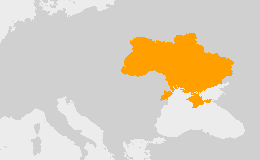
Las organizaciones afiliadas de la CSI en Ucrania son la Unión Ucraniana de Solidaridad Obrera (VOST), la Confederación de Sindicatos Libres de Ucrania (KVPU) y la Federación de Sindicatos de Ucrania (FPU).
Ucrania ratificó el Convenio nº 87 sobre la libertad sindical y la protección del derecho de sindicación (1948) en 1956 y el Convenio nº 98 sobre el derecho de sindicación y de negociación colectiva (1949) en 1956.
según la ley
Libertad sindical / Derecho de sindicalización
Libertad sindical
El derecho a la libertad sindical está consagrado en la Constitución.
El derecho a la libertad sindical figura consagrado en la Constitución, pero está estrictamente regulado.
Discriminación antisindical
La ley prohíbe la discriminación antisindical, pero no pevé medidas adecuadas de protección al respecto.
Barreras legales al establecimiento de organizaciones
- Para establecer un sindicato se requiere autorización o aprobación previa por parte de las autoridades
- En virtud del artículo 87 del Código Civil (2003), una organización adquiere derechos de personalidad jurídica desde el momento de su registro. Sin embargo, el artículo 16 de la Ley de Sindicatos, establece que un sindicato adquiere los derechos de persona jurídica desde el momento de la aprobación de sus Estatutos y la confirmación de su estatus por parte de una autoridad responsable de la legalización. Esta autoridad ya no tiene poder discrecional para negarse a legalizar a un sindicato. Esta contradicción puede generar una incertidumbre jurídica respecto a la existencia de la personalidad jurídica de los sindicatos.
Categorías de trabajadores a quienes la ley prohíbe o restringe la posibilidad de formar o afiliarse a sindicatos, o de ocupar cargos sindicales
- Otros funcionarios y empleados públicos
- La Constitución del país establece que los jueces no tienen derecho a formar o a afiliarse sindicatos (Art. 127, Constitución de Ucrania).
Derecho a la negociación colectiva
Derecho a la negociación colectiva
El derecho a la negociación colectiva está reconocido por la ley.
Obstáculos legales para el reconocimiento de los agentes de negociación colectiva
- Se requiere una representatividad excesiva o un número mínimo de miembros para poder negociar colectivamente
- La Ley del Diálogo Social aprobada en 2010 requiere que los sindicatos representativos, a nivel nacional, cuenten con no menos de 150.000 miembros; a nivel sectorial, los miembros deben representar el 3% de los trabajadores empleados en el sector correspondiente; a nivel territorial, el porcentaje de asalariados pertenecientes al sindicato no debe ser inferior al 2%.
Derecho de huelga
Derecho de huelga
El derecho de huelga está consagrado en la Constitución
El derecho de huelga está reconocido por la ley pero estrictamente regulado.
Impedimentos legales a acciones de huelga legítimas
- Se requiere una representatividad excesiva o un número mínimo de miembros para organizar una huelga legal
- La Ley sobre el procedimiento para la solución de conflictos colectivos de trabajo establece que una huelga puede organizarse solamente si la mayoría de los trabajadores de la empresa o dos tercios de los delegados de una conferencia votan a favor (Artículo 19, Ley sobre el procedimiento para la solución de conflictos colectivos de trabajo).
Prohibición o restricciones para ciertos tipos de acción de huelga
- Restricciones respecto al nivel o el ámbito de cobertura de una huelga (por ej. empresa, industria/sector, regional/territorial, nacional)
- Las federaciones y confederaciones no pueden convocar huelgas.
Disposiciones que socavan el recurso a acciones de huelga o su eficacia
- Excesivas sanciones civiles o penales contra los trabajadores/as y sindicatos involucrados en acciones de huelga no autorizadas
- El Código Penal establece que las acciones colectivas que perturben gravemente el orden público, o que interrumpan significativamente las actividades de transporte público, de cualquier empresa, institución u organización, podrán ser objeto de una multa de hasta 50 salarios mínimos o una pena de prisión de hasta seis meses, en particular si se trata de una acción sindical (Artículo 293, Código Penal).
Limitaciones o prohibición de hacer huelga en algunos sectores
- Restricciones injustificadas para los funcionarios públicos
- De conformidad con el párrafo 5 del artículo 10 de la Ley de la Administración Pública, se prohíbe a los funcionarios públicos ejercer el derecho de huelga.
En la Práctica
El Gobierno de Ucrania está preparando un ataque legislativo en gran escala contra los derechos sindicales fundamentales. El 27 de diciembre, el gabinete de ministros neoliberal de Ucrania remitió al Verkhovna Rada (parlamento ucraniano) un nuevo proyecto de ley, hecho público ese mismo mes, y que despoja a los trabajadores de protecciones legales y a los sindicatos de su facultad de protegerlos. Entre otras medidas excluye a los sindicatos del lugar de trabajo y elimina la negociación colectiva; fomenta los despidos injustos al tiempo que promueve los contratos de duración determinada y de cero horas; facilita la transferencia de empleados y empleadas sin su consentimiento; impone una enorme extensión de las horas extra; y elimina muchas protecciones sociales, por ejemplo, facilitando el despido de las madres con niños pequeños.
Otros proyectos de ley han sido introducidos recientemente del mismo modo, como el proyecto de ley de Enmienda a ciertos actos legislativos de Ucrania (incluyendo algunos aspectos de la actividad sindical), Nº 2681; las Enmiendas al Código Laboral de Ucrania en relación con motivos adicionales de despido, Nº 2584; entre otros. Todos estos proyectos de ley erosionan los derechos fundamentales, vulnerando las normas internacionales.
El nuevo proyecto de ley constituye una violación flagrante de numerosos convenios fundamentales y técnicos de la OIT, en particular el Convenio Nº 87 sobre libertad sindical, el Convenio Nº 98 sobre negociación colectiva, el Convenio Nº 131 sobre fijación de salarios mínimos, así como del Acuerdo de Asociación UE-Ucrania.
Además, estas enmiendas legislativas se elaboraron a puerta cerrada y sin una consulta tripartita y franca con los sindicatos representativos.
Los sindicatos ucranianos anunciaron una campaña de protesta contra los proyectos de ley y la actuación del Gobierno. Se está organizando además una campaña de solidaridad internacional.
El 10 de enero de 2020, a eso de las 9:30 de la noche, Serhiy Barabashuk, presidente del sindicato de la empresa minera PJSC Sukha Balka –miembro del Sindicato Independiente de Mineros de Ucrania (NPGU)– fue agredido por dos individuos armados con un cuchillo y una nudillera metálica.
NPGU considera que el motivo de la agresión fue la actividad de Barabashuk en tanto que dirigente sindical. Un día antes del ataque, se le impidió la entrada a la mina Juvileina, donde tenía previsto reunirse con representantes de los trabajadores. Es bien conocido como un activo defensor de los derechos sindicales, además de ser presidente adjunto de la organización local del NPGU en Kryvyi Rih.
El Sindicato de Mineros de Ucrania (NGPU) y la Confederación de Sindicatos Libres de Ucrania (KVPU) apoyaron varias protestas de los trabajadores en el sector del carbón contra el impago de salarios en este sector, incluidas las protestas nacionales en julio y agosto de 2018. A principios de octubre, la deuda salarial en el sector del carbón se estimó en 1.200 millones de UAH. A algunos mineros no se les había pagado desde la primavera de 2018. El Gobierno no participó en un diálogo social significativo con los sindicatos sobre el futuro de la industria y, en particular, sobre cómo encontrar una solución para abordar las demandas salariales de los trabajadores. El 18 de septiembre, el presidente del Sindicato Local Independiente de Trabajadores Mineros de Ucrania (NPGU) en Selidovo y Novogrodivka, Viktor Trifonov, inició una huelga de hambre en las oficinas del Ministerio de Energía e Industria del Carbón de Ucrania para protestar contra la ausencia de solución al impago de los atrasos salariales a los trabajadores mineros de la empresa estatal «Selidivugillia». El 22 de octubre, 15 trabajadores mineros de la mina G.G. Kapustin PJSC «Lisichanskvugillia» iniciaron una acción de protesta clandestina en condiciones extremas, que resultaban peligrosas para la salud.
El 16 de enero, el 13 de marzo y el 18 de junio de 2018, el Fondo de Activos del Estado de Ucrania (SAFU) intentó interferir en las actividades del Centro de Formación y Desarrollo de Métodos, una instalación de formación básica que brinda capacitación a más de 10.000 miembros sindicales anualmente y es propiedad de la sección regional en Chernigovskaya de la Federación de Sindicatos de Ucrania (FPU). Durante cada incidente, los representantes de SAFU solicitaron que el centro presentara todos los documentos legales que acreditan la propiedad y requirió que el personal les diera acceso a los locales para «determinar si el sindicato estaba usando el centro de acuerdo con sus objetivos y metas declarados». En el pasado, SAFU había realizado otras varias visitas abusivas e ilegítimas al Centro, a pesar de un fallo del Tribunal Económico Supremo de Ucrania del 19 de febrero de 2015, en el que reconoció que la Federación Sindical de la región de Chernigovskaya utilizaba legalmente el Centro de Formación y Desarrollo de Métodos. Las amenazas dirigidas al Centro no han disminuido ya que actualmente el Consejo de Ministros está examinando la posibilidad de transferirlo a un organismo o institución gubernamental para su uso permanente.
El 14 de mayo de 2018, los empleados de la red ferroviaria estatal ucraniana Ukrzaliznytsia iniciaron una huelga de celo para protestar por el deplorable estado del material rodante ferroviario, que amenaza a diario la salud y la seguridad de trabajadores y pasajeros. Los trabajadores también continuaron protestando contra los bajos salarios y los horarios de trabajo excesivamente largos, factores que reunidos resultan en una baja esperanza de vida entre los trabajadores del sector. Los conductores de Kremenchug, Kryvyi Rih, Darnytsa (Kiev) y otros depósitos ferroviarios se negaron a conducir trenes que no cumplieran con los requisitos de seguridad. La empresa respondió con varias medidas antisindicales, incluida la participación de la organización sindical controlada por el empleador en las conversaciones con el Gobierno y, según informes, pagó a los participantes en la huelga sumas que ascienden al salario de un mes.
Entre los meses de marzo y mayo, la dirección de la planta siderúrgica ArcelorMittal Kryvyi Rih emprendió una serie de medidas antisindicales contra los trabajadores. El 27 de marzo, la dirección trató de interrumpir la asamblea general de trabajadores anunciando otro lugar de celebración. La asamblea logró celebrarse y aprobar las demandas de los trabajadores/as, así como la estructura del organismo autorizado para representar sus intereses en el conflicto, pero la dirección impugnó de inmediato su legalidad ante el tribunal, sin éxito. Posteriormente, la dirección organizó una sesión agotadora de 26 horas de negociaciones, exigiendo que se celebrara a puertas cerradas. Cuando los sindicatos protestaron, exigiendo el derecho a comunicarse con los trabajadores/as y solicitando una reunión con el director general de la empresa, la dirección llamó a las fuerzas de seguridad y la policía. Las conversaciones finalmente dieron como resultado que la dirección acordara la creación de una comisión de conciliación.
El 14 de mayo, los trabajadores iniciaron varias protestas contra sus pésimas condiciones de trabajo, incluida una huelga de celo, negándose a utilizar máquinas defectuosas hasta que cumplieran con las normas técnicas.
En mayo, la Confederación de Sindicatos Libres de Ucrania (KVPU) recibió información sobre una carta enviada a la dirección de «Myrnogradvugilia» (Empresa Estatal del Carbón en la ciudad de Myrnograd) del Departamento de Servicio de Seguridad Regional de Pokrovsk de Ucrania (SBU) 2 en las regiones de Donetsk y Lugansk. Esta carta daba instrucciones a la dirección de informar de inmediato al SBU sobre las actividades de las secciones locales del Sindicato Independiente de Trabajadores Mineros (NPGU), una organización afiliada de la KVPU. La confederación KVPU envió una carta al Gobierno, incluyendo al presidente, al primer ministro y al jefe del servicio de seguridad del Estado, para pedir que se pusiera inmediatamente alto a la violación de los derechos de los sindicatos de trabajadores mineros, y a la persecución de los activistas sindicales, así como prevenir medidas ilícitas similares de parte del Servicio de Seguridad de Ucrania en el futuro.
El 20 de abril, dos hombres no identificados atacaron a Svitlana Savchuk, inspectora técnica sindical del Sindicato Libre de Trabajadores Ferroviarios de Ucrania en la empresa municipal «City Trolleybus». La agresión tuvo lugar después de la consulta sobre los mecanismos sindicales que Savchuk proporcionó a los trabajadores de la organización, luego de la acción de protesta en la empresa organizada contra la dirección. Según informes médicos, Savchuk sufrió daños corporales y mostró señales de conmoción cerebral.
El 22 de marzo de 2018, durante la reunión ordinaria del IV Pleno del Comité Central Sindical, un grupo de 60 personas irrumpió en la sala de conferencias Prazdnichnyi del Hotel Tourist en Kiev e interrumpió la celebración de una reunión del sindicato de trabajadores de la vivienda, servicios públicos y servicios del hogar e industrias locales de Ucrania.
Las demandas de los atacantes iban dirigidas al Sr. Romanyuk, presidente del sindicato. Insistieron en que debía escribir una solicitud formal para retirarse del cargo de presidente del consejo de supervisión de la sociedad anónima privada Ukrprofzdravnitsa. Al no obtener el consentimiento de Romanyuk, los atacantes recurrieron a la intimidación física y lo separaron de los demás participantes de la reunión que se habían levantado para defenderlo, para luego empujarlo a una habitación separada y echarle pintura encima. Se llamó a la policía, pero tardó en responder y no pudo evitar este acto de violencia.
Desde abril de 2016, los trabajadores del depósito de trolebuses de la empresa municipal Kyivpastrans, en Kurynivska, han venido intentando establecer un sindicato local afiliado al Sindicato Libre de Trabajadores Ferroviarios de Ucrania (VPZU).
No obstante, la dirección de la empresa se negó a reconocer el sindicato y sus actividades legítimas, prohibiéndole de facto el ejercicio de cualquier función prevista en la legislación para la defensa de los derechos de los trabajadores. Los actos de represalia se multiplicaron: las cuotas de afiliación no se transfirieron a la cuenta del sindicato y los trabajadores sindicalizados empezaron a ser víctimas de presiones –denegación de la posibilidad de realizar ciertos turnos, cambios de horarios, anulación de bonificaciones, amonestaciones injustificadas, y aquellos que se alojaban en dormitorios propiedad de la empresa fueron amenazados con ser desalojados. Por otro lado, la compañía despidió de manera injustificada a tres activistas y denegó a los trabajadores acceso al convenio colectivo.
En respuesta a estas violaciones de los derechos laborales básicos, el 3 de febrero de 2017, cuatro miembros del VPZU iniciaron una huelga de hambre exigiendo que se ponga fin a las violaciones de sus derechos, así como la readmisión de los tres trabajadores ilegalmente despedidos. Los trabajadores en huelga de hambre son Andrew Samko, líder del sindicato independiente del depósito de trolebuses de Kyivpastrans en Kurynivska, y los activistas Tatyana Oleynik, Natalia Pristinska y Andriy Troyan.
El Sindicato Libre de Trabajadores Médicos de Ucrania (VPMPU), que forma parte de la asociación médica territorial Kyiv Dentistry, no pudieron tomar parte en el proceso de negociación colectiva, lo que constituye una violación de las normas fundamentales del trabajo internacionalmente reconocidas. La solicitud del VPMPU fue remitida al Servicio Nacional de Mediación y Conciliación donde está siendo examinado en el marco del proceso de una disputa laboral.
Por otro lado, los trabajadores sindicalizados fueron presionados por la dirección para que abandonasen el sindicato independiente y se registraron diversos casos de discriminación contra los trabajadores sindicalizados. Anteriormente, en septiembre de 2016, miembros del VPMPU habían convocado protestas cerca del Ministerio de Sanidad, plantaron tiendas de campaña y varios activistas iniciaron una huelga de hambre, en la que participaría también el líder del sindicato, el Sr. Panasenko. El campamento fue atacado y saqueado por desconocidos, destruyendo todo el material y pertenencias personales (incluyendo documentos) de los manifestantes.
El Gabinete de Ministros y el Ministro de Finanzas de Ucrania aprobaron dos órdenes ejecutivas, respectivamente la Orden No.440 y la No.553. Esta nueva legislación establece requisitos más estrictos en cuanto a la rendición de cuentas financieras y el reconocimiento del estatus de los sindicatos como organizaciones sin fines de lucro, exigiendo a los sindicatos a presentar detallados informes sobre sus actividades a las autoridades fiscales.
La Confederación de Sindicatos Libres de Ucrania (KVPU) considera que estas órdenes vulneran el principio de independencia de los sindicatos y la libertad sindical consagrada en el Convenio No. 87 de la OIT, ratificado por Ucrania en 1956. A través de esta extensa e intrusiva facultad de control sobre la situación financiera de los sindicatos y su estatus legal, el Gobierno está capacitado para interferir en sus actividades legítimas, socavando su independencia.
Haciendo gala de un comportamiento abiertamente antisindical, la dirección de la mina EVRAZ Sukha Balka intentó desalentar la formación y las actividades del sindicato de empresa, asociado al Sindicato Independiente de Mineros de Ucrania (NGPU). A lo largo del año, la empresa minera con sede en la ciudad de Kryviy Rih perpetró múltiples violaciones de los derechos de los trabajadores sindicalizados, limitando por diversos medios el derecho del sindicato de empresa a defender los derechos sociales y económicos de sus afiliados. En respuesta a eta situación, los mineros denunciaron el comportamiento antisindical de la empresa, incluyendo varios llamamientos con fecha 25 de febrero (No.242) y 5 de abril, remitidos a miembros del Parlamento del Reino Unido.
La mina de Sukha Balka pertenece al Grupo EVRAZ, cuya sede está en Londres, y que afirma ser una compañía transparente y socialmente responsable, comprometida a respetar las leyes del Reino Unido, lo que no es el caso en su filial ucraniana. El Director General de Administración de EVRAZ Sukha Balka se ha negado sistemáticamente a facilitar al sindicato la información solicitada respecto a la aplicación por parte de la empresa de la legislación en vigor, los convenios colectivos y los pagos de salarios. Se ha boicoteado la actividad sindical mediante medidas sistemáticas contra los trabajadores sindicalizados. Los directores de división de la empresa y de sus subsecciones falsificaron informes respecto a supuestas infracciones administrativas cometidas por los trabajadores, imponiendo sanciones disciplinarias en base a acusaciones falaces y explotando luego la situación para obligar a los trabajadores a renunciar al sindicato, como le ocurriría a Volodymyr Tkachenko (miembro del equipo de construcción de la mina), quien fue inicialmente suspendido para luego ser despedido. Otro caso de flagrante discriminación antisindical fue el de Yuri Yurchenko, operador de una máquina excavadora del taller del tren minero y miembro de la sectorial del NGPU y de la comisión de conciliación sobre disputas laborales colectivas. Su salario se vio reducido en dos ocasiones y se cuestionó su profesionalismo al cambiar su puesto de maquinista asignándole el de cerrajero, un trabajo muy por debajo de sus cualificaciones. El vicepresidente de la sectorial del NGPU, Serhiy Barabashchuk, también fue víctima de discriminación, ya que la dirección no le permitió que completase sus exámenes de cualificación y lo amenazó con el despido a causa de sus actividades sindicales.
Un proyecto de ley “sobre los convenios colectivos” limita considerablemente el alcance de dichos convenios. El Organismo Común Representativo (JRB) envió una copia de la ley, publicada por el Ministerio de Políticas Sociales, a la Confederación de Sindicatos Libres de Ucrania (KVPU) para su aprobación. Durante la preparación del proyecto de ley no se consultó a la KVPU.
Si se aprueba la nueva ley, se liquidarán los convenios colectivos nacionales y territoriales, lo cual podría traducirse en una menor protección de los trabajadores/as. El nuevo proyecto de ley también estipula que los convenios colectivos no son medidas obligatorias, lo cual permite al empleador reducir las obligaciones y garantías. Además, otorga al empleador el derecho a suspender la aplicación de un convenio colectivo durante un período indeterminado de tiempo. El proyecto de ley no incluye medidas para que alguien rinda cuentas en caso de que se vulnere un convenio colectivo.
Además, incorpora un nuevo lenguaje para debilitar las leyes existentes. Por ejemplo, la sección 7 del artículo 65 del Código Laboral de Ucrania se cambiará de “debe celebrar un convenio colectivo” a “puede celebrar”.
El Sr. Lobas, líder del sindicato local del Sindicato Independiente de Mineros de Ucrania (NPGU) en la empresa conjunta Marganets Mining and Processing Plant (MMPP) en la región de Dnipropetrovsk, acusó a la dirección de la planta de acosar y amenazar a los miembros del sindicato.
El Sr. Lobas recibió cuatro quejas de miembros del sindicato denunciando el comportamiento discriminatorio e intimidación por parte de la dirección de MMPP contra activistas sindicales. Concretamente, se amenazaba a los trabajadores con amonestaciones, despido y sanciones financieras (reducción en el coeficiente de participación laboral, deducciones, multas). La dirección advirtió a los trabajadores que las sanciones continuarían si no desistían del sindicato y se afiliaban a un sindicato amarillo, y repartió formularios en blanco entre los trabajadores sindicalizados presionándolos para que abandonasen el sindicato del NPGU. Es evidente que tal comportamiento tiene por único objetivo desalentar la presencia de un sindicato independiente capaz de negociar eficazmente para defender los derechos de los trabajadores.
El 11 de febrero de 2016 varios miles de trabajadores de la planta metalúrgica Dniprodzerzhinsk S.A. coincidieron en la manifestación encabezada por Mykhailo Volynets, dirigente de la Confederación de Sindicatos Libres de Ucrania (KVPU), y por Mykola Zhytnyk, dirigente de la KVPU en el óblast de Dnipropetrovsk. A pesar de los intentos de la sociedad de interferir en la organización y el libre desarrollo de la reunión, los trabajadores consiguieron hacer oír su mensaje en contra de las acciones ilegales de la dirección de la sociedad anónima. La empresa creó de hecho un sindicato amarillo controlado por la dirección y obligó a los trabajadores a cancelar su afiliación a la KVPU. Al verse intimidados y amenazados con el despido en un momento tan difícil de la crisis económica, los trabajadores abandonaron la KVPU y se afiliaron al nuevo sindicato amarillo. Mykhailo Volynets se dirigió a la Oficina del Fiscal General de Ucrania, a la Organización Internacional del Trabajo (OIT) y a la Confederación Sindical Internacional (CSI), solicitando a estas instituciones que aplicaran las medidas necesarias en al ámbito de sus competencias para acabar con las violaciones de las normas internacionales y de la legislación sindical nacional.
El 3 de febrero de 2016, Anatolyi Mukhamedzhanov, presidente del sindicato de base en la mina de Novovolynska, fue brutalmente agredido en la oficina del director de la empresa minera. El Sindicato Independiente de Mineros de Carbón de Ucrania (NPGU) cree que el objetivo del ataque fue intimidar al líder del sindicato independiente de mineros tras las protestas celebradas contra la privatización y los cierres previstos.
El 3 de febrero de 2016, Anatolyi Mukhamedzhanov, dirigente del Sindicato Independiente de Mineros de Ucrania (NPGU) en la mina Novovolynska, recibió una violenta paliza en la oficina del director de la empresa de minas de carbón. Tras el incidente, tuvo que ser llevado a un centro médico, y posteriormente se dirigió a la comisaría local y al departamento del Servicio de Seguridad del Estado.
El propósito de este ataque era intimidar al líder del sindicato independiente por el hecho de haber denunciado, junto con otros líderes y activistas del mismo, el programa de privatización salvaje que pretende desmantelar el sector minero en Ucrania. De hecho los sindicalistas y activistas se encuentran bajo una presión e intimidación constantes, y en ocasiones son objeto de agresiones físicas. Así sucedió, por ejemplo, cuando varios representantes del Ministro de Energía y de la Industria del Carbón, Volodymyr Demchyshyn, recurrieron a la violencia física para intimidar al líder del NPGU que se manifestaba contra las órdenes núm. 41 y núm. 42. Estas órdenes prevén la privatización de las mejores minas del país y el cierre de tres de las cuatro minas de propiedad estatal restantes. Ninguna de las órdenes había sido debatida ni aprobada por los sindicatos (es decir, que se habían aprobado infringiendo la ley). El Gobierno no demostró el más mínimo interés respecto al destino de los mineros que se quedarían sin trabajo una vez se completara el proyecto de privatización, lo que provocó la indignación justificada de los sindicalistas y activistas.
El director de la escuela de formación profesional de arte en Lviv ha venido ejerciendo presiones sobre los trabajadores sindicalizados afiliados al Sindicato Libre de Educación y Ciencia de Ucrania (VPONU). Los miembros del sindicato fueron víctimas de acoso por sus actividades sindicales, particularmente en relación con la lucha contra la corrupción. Se han registrado incidentes de reducciones salariales, amenazas de despido y amonestaciones, y el líder del sindicato, el Sr. Chumaka, fue víctima de una agresión física durante una reunión del consejo escolar. De hecho, fue con ocasión de esta reunión colectiva cuando quiso poner de relieve las violaciones por parte de la administración. Como consecuencia de la agresión, tuvo que ser hospitalizado.
Varios mineros de la empresa Makiyivka, respaldada por el Kremlin y controlada por los milicianos, se enfrentan a un posible juicio por “traición” después de su huelga del 13 de enero de 2016 por el impago de salarios. Según un diario local, las “autoridades” de la autodenominada “República Popular de Donetsk” [RPD] habían identificado a los organizadores del acto que tildaron de “sabotaje” y estaban llevando a cabo una investigación por la vía penal.
A algunos mineros les pagaron parte de sus salarios pendientes, pero varias publicaciones en las redes sociales aseguraron que 132 de los huelguistas habían sido despedidos. En un incidente similar en la mina de Chaikino, a los mineros que hicieron huelga el 29 de diciembre de 2015 también les pagaron parte de sus salarios, pero al parecer muchos de ellos fueron despedidos. Según varias publicaciones en las redes sociales, también se emitió una orden para que los mineros en huelga no fueran contratados en otras minas.
El 23 de enero de 2016, la página web oficial del gobierno de la ciudad publicó que el llamado “Ministerio de Energía de la RPD” había declarado que: “se está librando una guerra y, por tanto, no es aceptable ningún tipo de sabotaje, el cual solo se puede considerar una traición”. El ministerio reconoció que existían problemas con los retrasos salariales, pero aseguró que estos eran temporales.
El 12 de enero de 2016, Olena Maslova, activista del Sindicato Independiente de Mineros de Carbón de Ucrania (NPGU) y la Confederación de Sindicatos Libres de Ucrania (KVPU), fue brutalmente atacada a las 11 de la noche mientras regresaba a casa desde su trabajo en la mina Lenin. El agresor le golpeó la cabeza por detrás con un objeto pesado. Al poco rato llegó una patrulla de seguridad de los trabajadores, la cual le prestó asistencia médica. Olena denunció la agresión en la comisaría de policía, pero parece que el incidente no se ha investigado.
La KVPU opina que el motivo de la agresión puede haber sido su activismo sindical, ya que Olena es la Directora Adjunta del Departamento de Defensa del NGPU en Kryvyi Rih y miembro de la Comisión de Mujeres.
Mykhailo Volynets, presidente del Sindicato Independiente de Mineros, advirtió que la situación en el sector minero de la autodenominada “República Popular de Luhansk” (RPL) también era crítica. En diciembre de 2015 y enero de 2016 a los mineros solo se les pagó el 20% de sus salarios: 500 UAH en moneda ucraniana, en una época en la que un kilógramo de carne cuesta alrededor de 200 UAH. “Nos han despojado del derecho de huelga, es decir, de luchar por nuestra propia existencia”, se lamentó Volynets. Las nuevas leyes aprobadas en la RPL prohíben la creación de cualquier sindicato que no sea el sindicato único encabezado por miembros del gobierno de la RPL.
La Federación de Sindicatos de Ucrania (FPU) denunció que en agosto de 2015 el Fiscal Adjunto de Odessa interpuso una demanda para confiscar la sede del sindicato. El edificio era uno de los activos más importantes de la organización y había sido propiedad de la Federación desde 1984. El mensaje que enviaba dicha demanda fue claro: el gobierno se sentía libre para menospreciar el derecho de los sindicatos a tener un patrimonio propio.
El 14 de julio de 2015, el parlamento de Ucrania, el Verkhovna Rada, aprobó el proyecto de ley “sobre el Registro Estatal de Entidades e Individuos Legales – Empresarios y Grupos Comunitarios” en primera lectura. El proyecto de ley incluye enmiendas a la Ley sobre Sindicatos que debilitarían gravemente la autonomía de las organizaciones sindicales y socavarían su democracia interna. No hubo ningún tipo de consulta sobre el texto del proyecto de ley con los sindicatos ni las organizaciones de la sociedad civil.
El proyecto de ley anula las actuales leyes que exigen al Estado la legalización de los sindicatos recién formados, sin discriminación ni retrasos. En su lugar, se aprueba un proceso arbitrario y complejo de registro estatal. El proceso que se propone complicaría notablemente la formación de sindicatos y sería fácil objeto de manipulación para denegar o retrasar el registro.
el proyecto de ley también cambia el momento en el que los sindicatos adquieren la condición de entidad legal, desde el momento en el que se aprueba el estatuto tal y como se estipula en la actual Ley sobre Sindicatos, hasta la fecha de su registro estatal. La consecuencia más probable de esta medida será un retraso de al menos 30 días, por lo que los trabajadores/as serán más vulnerables al acoso y las represalias.
El proyecto de ley también anula la disposición de la Ley sobre Sindicatos que estipula que el organismo autorizado no puede negarse a legalizar un sindicato u organización sindical y aplica en su lugar principios generales para negarse a registrar entidades legales, incluidos los sindicatos.
Además, el proyecto de ley exige que se registre la información personal de los fundadores de los sindicatos y otorga a los organismos autorizados el derecho a formar organizaciones sindicales, despojando así a los miembros de los sindicatos del derecho a crear organizaciones de base.
Otra disposición exige el nuevo registro de todas las organizaciones sindicales (que actualmente ya están registradas) y estipula un plazo de 30 días (para otras entidades legales el plazo es de 24 horas). Esto no solo complicaría el funcionamiento de los sindicatos, sus federaciones y las organizaciones sindicales a todos los niveles, sino que también sugiere que la ley está dirigida intencionalmente contra los sindicatos para obstaculizar su registro.
El proyecto de ley introduce un estricto control estatal de las actividades de los sindicatos y las organizaciones públicas y parece que intenta permitir la injerencia y el control gubernamentales de las organizaciones de la sociedad civil y los sindicatos.
A medida que la situación en el sector minero ucraniano seguía deteriorándose, las autoridades ignoraron totalmente a los sindicatos y violaron los términos de los convenios colectivos. En julio de 2015, el sindicato de la empresa estatal Krasnoarmiiskvugillia recibió una carta del Ministerio de Energía e Industria de la Minería del Carbón de Ucrania en la que les informaba de que, según el programa estatal para la reforma de la industria minera del carbón de 2015 a 2020, Krasnoarmiiskvugillia había comenzado la reorganización de las minas de carbón de Tsentralna y Stakhanov. Según el NPGU, no se habían llevado a cabo consultas ni debates con los sindicatos antes de la reorganización ni durante la misma, lo cual constituye una violación del Convenio del Sector.
También en julio, la organización sindical de base del Sindicato Independiente de Mineros de Carbón de Ucrania (NPGU) en la empresa Kharkivmiskgas S.A. denunció que en la empresa se estaban socavando los derechos de negociación colectiva. Al menos cuatro artículos de su Convenio Colectivo contradecían al Convenio Colectivo del Sector y contemplaban unas peores condiciones laborales, lo cual es incompatible con el Código Laboral. La dirección se negó a entablar un diálogo con el sindicato y empezó a ejercer presión sobre sus líderes.
En noviembre, Natalia Necheporenko, presidenta del sindicato de base del NPGU en la empresa estatal Cherkassytorf, denunció que el 24 de noviembre de 2015 el Ministerio de Energía e Industria de la Minería del Carbón de Ucrania había emitido una orden para liquidar la empresa. No hubo ninguna negociación ni acuerdo con los sindicatos en relación con la orden de liquidación, a pesar de que existe un requisito legal que así lo exige. El NPGU envió una carta oficial al Ministerio en la que solicitaba al gobierno que cumpliese la legislación y entablara negociaciones con los sindicatos. Hasta la fecha no ha habido ninguna respuesta a dicha carta.
En diciembre, el presidente del sindicato de base del NPGU en la empresa minera Vilnogiskyi denunció que la compañía había despedido ilegalmente a varios empleados cuando la empresa se traspasó a la sociedad Crimean Titan S.A. La nueva empresa se negó a emplear al líder del sindicato y a otros activistas sindicales. De nuevo, no hubo ninguna negociación ni acuerdo con el sindicato sobre el traspaso de la propiedad, como exige la ley.
Volodymyr Petrovskiy, vicepresidente de la central sindical Sindicatos Libres de Trabajadores Ferroviarios de Ucrania (FTURWU), denunció en julio que un miembro del sindicato había sido víctima de una agresión física. Pyotr Efimovich, director del depósito de locomotoras Korosten en el oblast (provincia) de Zhitomyr, fue brutalmente apaleado por A. Bolsunivsky, jefe del Departamento de Seguridad Laboral, por haber ejercido presión en nombre del sindicato y los trabajadores/as para lograr mejoras en la seguridad laboral del ámbito ferroviario. Su caso fue registrado por la milicia y el departamento médico de la estación de trenes de Korosten. A finales de año, nadie había rendido cuentas por la paliza.
Diversos líderes y activistas del Sindicato Independiente de Mineros de Ucrania (NPGU) y del Sindicato de Trabajadores Mineros del Carbón de Ucrania fueron interrogados por los Servicios de Seguridad de Ucrania (SBU) en junio, en relación con las manifestaciones en las que tomaron parte miles de mineros que acudieron a la capital, Kiev, a finales de abril de 2015, para protestar contra la falta de pago de salarios y el cierre de las minas.
El motivo de los interrogatorios era que al parecer las autoridades sospechaban que las protestas de los mineros fueron financiadas por terceras partes con el objetivo de atentar contra el poder estatal; por lo que se lanzaría una investigación criminal.
Entre los interrogados, figuraba Mikhailo Volynets, dirigente del NPGU, que sería sometido a un interrogatorio de varias horas el 18 de junio sobre sus actividades sindicales. Volynets negó rotundamente las acusaciones.
Tal como explicaron los mineros en una carta abierta al Gobierno, las protestas estuvieron motivadas por su frustración ante la mala gestión en la industria minera, que ocasionara numerosos problemas incluyendo retrasos en el pago de salarios y cierres de minas. En lugar de emprender el diálogo social para abordar los graves problemas en la industria, las autoridades intentaron perseguir y desacreditar a los sindicatos. Las protestas de abril tendrían lugar tras finalizar el Tercer Congreso de Mineros celebrado por ambos sindicatos en Kiev el 21 de abril de 2015. Los interrogatorios coincidieron con otra ronda de protestas sindicales masivas en Kiev durante los meses de mayo y junio.
El 18 de junio de 2015 los sindicatos ucranianos denunciaron la represión por parte de las Fuerzas de Seguridad del país. Publicaron una declaración solicitando al Presidente Poroshenko que tomara medidas para acabar con la persecución de los líderes sindicales.
En la declaración publicada por la Confederación de Sindicatos Libres de Ucrania (KVPU), se especificaba: “El Presidente de Ucrania, como garante de la Constitución del país, debería acabar inmediatamente con las acciones inconstitucionales relacionadas con el acoso por parte de las Fuerzas de Seguridad”. El sindicato también solicitaba al Fiscal General de Ucrania que tomara medidas inmediatas para condenar a todas las personas implicadas en la falsificación de causas penales, la represión y la persecución de líderes sindicales.
Los sindicatos denunciaron también la “incompetencia jurídica” y la “irresponsabilidad” del Servicio de Seguridad de Ucrania (SBU), que en otras ocasiones también había participado en la persecución de la KVPU y de líderes sindicales, “todo lo cual apunta a la formación de un Estado totalitario”. En este sentido, los sindicatos apelaron a los Gobiernos extranjeros, pidiéndoles que exigieran a las autoridades ucranianas responsabilidades por el incumplimiento de las normas y leyes internacionales.
Sergyi Godko, presidente de la organización de base del Sindicato Independiente de Mineros de Carbón de Ucrania (NPGU) en el complejo minero de Vilnogirsk, fue despedido el 2 de junio de 2015 por su empleador sin consultárselo previamente al sindicato, el cual consideró que su despido fue injustificado y, por tanto, ilegal. El sindicato ya había denunciado varios casos de discriminación en su contra.
El 25 de marzo de 2015, Oleh Vernik, líder del sindicato independiente “Defensa del Trabajo”, fue atacado por un grupo de agresores desconocidos y tuvo que ser hospitalizado. El martes 31 de marzo, Vitaliy Dudin, un conocido abogado sindicalista, recibió una brutal paliza a manos de diez hombres de los que se sospecha que forman parte de la ultraderecha. Tanto Oleh como Vitaliy son miembros de un Comité Organizador para fundar un nuevo partido de izquierdas en Ucrania y ambos son activistas bien conocidos en el movimiento sindical.
El Consejo de la Academia Nacional de Ciencias de Ucrania decidió disolver el Centro de Economía Mundial y Relaciones Internacionales de la Academia Nacional de Ucrania sin haber mantenido previamente ninguna consulta con el sindicato principal de Centro, que pertenece al Sindicato Independiente de Científicos y Trabajadores de la Educación de Ucrania, a pesar de haberse presentado varias solicitudes. Desde el 13 de octubre de 2014, a varios miembros del personal y al dirigente sindical Mykola Zymenko se les ha prohibido acceder a su lugar de trabajo en el Centro de Economía Mundial y Relaciones Internacionales. Los trabajadores llevan cuatro meses sin recibir sus salarios. El sindicato principal ha presentado una denuncia en los tribunales y ha señalado el caso a la atención de los medios de comunicación.
La Confederación de Sindicatos Libres de Ucrania (KVPU) informó de que el 6 de octubre de 2014 Volodymyr Stepanenko, dirigente de la KVPU en la mina “Kalinin”, había sido detenido a la fuerza por varias personas armadas vinculadas a las fuerzas de seguridad de la denominada República Popular de Donetsk. Sus dos hijos, Maxim y Sergyi, que trataron de averiguar dónde permanecía detenido su padre, fueron también detenidos y llevados a paradero desconocido. Una semana antes de la desaparición de Volodymyr y sus hijos, éste había visitado la mina y el jefe del servicio de seguridad de la mina le había agredido físicamente.
También se han denunciado otros casos de violencia contra activistas sindicales en el este de Ucrania. En junio de 2014 desapareció Ivan Resznichenko, delegado del Sindicato Independiente de Mineros (NPGU) en la empresa “Artemsil”. En mayo de 2014 dos activistas del NPGU, Alexander Vovk y Alexander Gurov, fueron capturados y apaleados por varios soldados.
On 20 January 2015 the Minister of Justice of the self-proclaimed Luhansk Peoples Republic issued an order banning the registration of independent trade unions. The first union to feel the effect of the ban was the Independent Miners Union, which applied on 16 January to register at the Barakov Coal Mine, but was denied registration under the terms of the new order.
The territory under the control of the Russian para-military forces of the Donetsk Peoples Republic and the Luhansk Peoples Republic has an appalling trade union rights record. Both the Federation of Trade Unions of Ukraine and the Confederation of Free Trade Unions have recorded extensive human rights violations against their unions. Miners’ wages and holidays have been cut, where wages are actually being paid. While existing trade unions are being banned, a number of yellow unions have been set up.
El 20 de enero de 2015, el Ministro de Justicia de la autoproclamada República Popular de Luhansk emitió una orden prohibiendo el registro de los sindicatos independientes. El primer sindicato en sentir los efectos de esta prohibición ha sido el Sindicato Independiente de Mineros, que había solicitado su registro el 16 de enero en la mina de carbón de Barakov, el cual se le negó en aplicación de la nueva orden.
El territorio bajo control de las fuerzas paramilitares rusas de la República Popular de Donetsk y la República Popular de Luhansk cuenta con un terrible historial respecto a los derechos sindicales. Ambas centrales ucranianas, la Federación de Sindicatos de Ucrania y la Confederación de Sindicatos Libres de Ucrania, han registrado gran número de violaciones de los derechos humanos contra sus sindicatos. Se han reducido los salarios y los días de vacaciones de los trabajadores mineros, y los salarios no siempre se hacen efectivos. Al tiempo que se prohíben los sindicatos existentes, se han creado varios sindicatos amarillos.
Ivan Reznichenko, an activist in the Independent Trade Union of Coal Miners of Ukraine (NPGU), was found dead on 14 January 2015. Ivan was the head of the primary trade union at state enterprise “Artemsil” and a member of the Solidar Town Council (Donetsk oblast) from Batkivshina. Ivan disappeared 21 June 2014. His body was found in by a friend and fellow town councillor in a salt pit. He had been shot twice in the head and had his throat slashed. He is thought to have been killed by separatists.
Ivan Reznichenko, activista del Sindicato Independiente de Mineros (NPGU), fue encontrado muerto el 14 de enero de 2015. Ivan era el responsable del sindicato de base de la empresa estatal Artemsil y miembro del Consejo Municipal del oblast Donetsk, en Batkivshina. Ivan desapareció el 21 de junio de 2014 y su cuerpo fue encontrado por un amigo y compañero concejal en un pozo de sal. Tenía dos tiros en la cabeza y lo habían degollado. Se piensa que fue asesinado por los separatistas.
Bajo la presión de la administración de la empresa minera Krasnoarmiiskvugillia, los trabajadores se vieron obligados a aceptar un despido temporal para ser posteriormente reincorporados a la empresa con un contrato indefinido. La empresa obligó a los trabajadores a desempeñar el mismo trabajo sin aplicar a los nuevos contratos las prestaciones sociales que estipula el convenio colectivo. La empresa socavó así considerablemente el derecho de negociación colectiva, abusando malintencionadamente de las modalidades contractuales. Esta situación fue denunciada por el líder del Sindicato Independiente de Mineros de Ucrania (NPGU) de la ciudad de Demitrov, Abramov O.B.
Natalia Skalska, dirigente del Primary Trade Union (PTU) en la sociedad anónima privada National Depository of Ukraine (NDU), fue despedida junto con varios de sus compañeros por haber denunciado las prácticas discriminatorias perpetradas por la empresa. La administración del NDU, a través de su director Zhurov G.M., discriminó a los sindicalistas al no reconocer la legitimidad del PTU y al hacer caso omiso de los derechos de sus miembros. Natalia ha denunciado este tipo de comportamiento ante la Confederación de Sindicatos Libres de Ucrania (KVPU) y ha apelado ante el tribunal. El caso está aún en vías de estudio.
Los procedimientos legales para iniciar una huelga suelen durar entre medio año y un año y medio. A pesar de que existen graves problemas en la práctica, como el impago de salarios y unas condiciones laborales extremadamente precarias, en los últimos 23 años no ha habido ninguna huelga legal en Ucrania. Por tanto, los trabajadores y trabajadoras llevan a cabo protestas y piquetes para concienciar sobre los problemas en los lugares de trabajo.
A pesar de la existencia de convenios colectivos válidos, los empleadores han utilizado el impago de las cuotas sindicales para debilitar a los sindicatos. Por ejemplo, el Sindicato Independiente de Mineros de Ucrania (NPGU) todavía no ha recibido las cuotas sindicales por valor de 100.000 hryvnas procedentes de la mina de carbón Velycomostivska.
Alina Bazarnaya, representante sindical en la empresa “Volyntorf”, informó a la Confederación de Sindicatos Libres de Ucrania (KVPU) de que el director de la empresa se había hecho con el control del sindicato e incluso estaba celebrando reuniones con sus miembros para que emitieran una moción de censura contra ella.
In August the Confederation of Free Trade Unions of Ukraine (KVPU) reported that a representative of one of its new branch unions was being victimised. The Free Trade Union of Railway Workers of Ukraine (VPZU) was created after workers at the municipal authority-owned company Electrotrans in Khmelnitsky (central-west Ukraine) faced a three-month delay in the payment of their salaries. Management responded to the creation of the union by trying to destroy it and victimising its representative Anastasia Podpruzhnikova. They threatened to sack her, and made her drive old, unsafe trolley buses during her shifts. The director of the company was also a member of the city council and used his position to force a doctor to destroy Podpruzhnikova’s sickness record and registered absences. The company imposed an illegal penalty on her for being a member of the trade union committee, and local traffic police stopped Anastasia for no reason. An officer advised her “to resign from this work because you are going to have big problems”.
En agosto, la Confederación de Sindicatos Libres de Ucrania (KVPU) señaló las represalias tomadas contra la representante de uno de sus nuevos sindicatos sectoriales. El Sindicato Libre de Trabajadores Ferroviarios de Ucrania (VPZU) fue creado por los trabajadores/as de la empresa Electrotrans en Khmelnitsky, propiedad de la autoridad municipal y situada en el centro-oeste de Ucrania, a raíz del retraso de tres meses de los pagos salariales. Desde la creación del sindicato, la dirección hizo lo posible por destruirlo y tomar represalias contra su representante, Anastasia Podpruzhnikova. Amenazaron con despedirla y la hicieron conducir viejos trolebuses inseguros durante sus turnos de trabajo. El director de la empresa, también miembro del consejo municipal, utilizó su posición para obligar a un médico a destruir los registros de enfermedad de Podpruzhnikova y las ausencias registradas. La empresa le impuso una sanción ilegal por ser miembro del comité sindical y la policía de tráfico local la detuvo sin motivo. Un responsable le aconsejó “renunciar a ese trabajo o tendría grandes problemas”.
Ukrainian trade unions reported in June 2014 that they faced constant attacks against their leadership and members by nationalist radicals. A meeting of the Presidium of the FPU national trade union centre was interrupted by a crowd seeking to intervene in the meeting, while in the Verhovna Rada, the Ukranian Parliament, a resolution was tabled seeking an investigation into the union’s activities and especially the use of the properties of the union. For many years there have been attempts to confiscate buildings, holiday and health resorts to make the work of the unions more difficult and to seize on prime real estate. The resolution in the Rada accused the unions of having relations with the past government, now considered to have been criminal. The unions underlined that they have relations with governments and employers in order to defend workers’ rights.
The most worrying developments, however, have been in Eastern Ukraine with continued interventions by armed groups in the internal affairs of the unions. This included, notably, attempts to bring the Federation of Trade Unions of Lugansk Oblast (FPLO) under the control of the self-proclaimed leaders of the “Lugansk People’s Republic”. FPLO officials were told, at gunpoint, to convene a meeting of the Federation to disaffiliate from the national trade union centre FPU and were threatened with reprisals if they took part in FPU meetings. The KVPU national centre also reported violence and intimidation against its members and officials in the Luhansk and Donetsk regions.
En junio de 2014, los sindicatos de Ucrania señalaron ser objeto de constantes ataques contra sus dirigentes y miembros por parte de los radicales nacionalistas. Una reunión del Presidium de la central sindical nacional FPU fue interrumpida por una multitud que pretendía intervenir en la reunión, mientras que en el Verhovna Rada, el parlamento ucraniano, se presentó una resolución solicitando una investigación sobre las actividades del sindicato y, especialmente, el uso de las propiedades sindicales. Durante muchos años se han producido intentos de confiscar edificios, centros turísticos y sanitarios sindicales para dificultar aún más el trabajo de los sindicatos y apoderarse de los principales bienes raíces. La resolución del parlamento acusaba a los sindicatos de tener relaciones con el Gobierno anterior, ahora considerado como proscrito. Los sindicatos subrayaron que tienen relaciones con Gobierno y empleadores con el fin de defender los derechos de los trabajadores y las trabajadoras.
Sin embargo, los acontecimientos más preocupantes han tenido lugar en el este de Ucrania, con una injerencia continua por parte de grupos armados en los asuntos internos de los sindicatos. Estas injerencias incluyen, en particular, intentos para situar a la Federación de Sindicatos de Lugansk Oblast (FPLO) bajo el control de los líderes de la autoproclamada República Popular de Lugansk. Se conminó a punta de pistola a los dirigentes de la FPLO a convocar una reunión de la federación para desafiliarse de la central sindical nacional FPU, y se les amenazó con represalias en caso de participar en reuniones con el FPU. La Confederación de Sindicatos Libres de Ucrania (KVPU) también señaló violencias e intimidación contra sus miembros y responsables en las regiones de Donetsk y Luhansk.
Se han presenciado frecuentes amenazas y agresiones físicas contra sindicalistas. En enero de 2014, Valentyna Korobka, líder del Sindicato Libre de Empresarios, fue atacada cerca de su casa y tuvo que ser hospitalizada. El 16 de diciembre de 2013, Volodymyr Stepanchenko, líder de una organización sindical de base en una mina de carbón de la región de Donetsk, fue agredido por las fuerzas de seguridad de la mina cuando le estaba entrevistando un periodista francés.
Petro Garmash, líder del Sindicato Independiente de la empresa DonbassAero, informó de que 724 empleados de la empresa habían sido despedidos sin consulta previa a los sindicatos, en clara violación de la ley y de un convenio colectivo empresarial. Oleg Novikov, el director general de DonbassAero, se negó a reconocer el convenio colectivo como un documento efectivo y no consultó al sindicato en lo relativo a la reducción de personal y los despidos. El sindicato recurrió ante el Fiscal General, el Ministerio de Política Social, la oficina de Inspección de Trabajo, el Ministerio del Interior, el Ministerio de Ingresos e Impuestos y el Ministerio de Economía. Hasta la fecha, no se ha obtenido ningún resultado.
Pavel Efimovich, líder del sindicato de base en Korosten, informó de que la administración del depósito de locomotoras le discriminaba y presionaba debido a sus actividades sindicales. La KVPU envió una carta oficial al ministro de Infraestructuras de Ucrania, solicitándole que investigara la situación y emprendiera las medidas pertinentes.
El líder del sindicato de base afiliado al NPGU en “Interpipe NTZ” fue despedido sin previa consulta al sindicato y sin ninguna justificación. Se interpuso un recurso de apelación en el tribunal administrativo local.
Igor Pryzhbylo informó a la Confederación de Sindicatos Libres de Ucrania de que la dirección de Ordzhonikidzevugillia había incumplido un convenio colectivo con el Sindicato Independiente de Mineros de Ucrania (NPGU) en Unokomunarivsk y Vuglegirsk. Según dicho convenio colectivo, la empresa debe al sindicato 214.450 UAH en concepto de actividades culturales y de salud pública llevadas a cabo en la mina de carbón de Poltavska.
Sergyi Bizhko, líder del sindicato de base afiliado al NPGU en la “unidad de producción de la fábrica de South Machinery Building bautizada en honor a Makarov”, informó de que la dirección se niega a proporcionar instalaciones para las actividades sindicales. Asimismo, aseguró que los líderes sindicales no disponen de horas libres para las actividades sindicales. El sindicato interpuso una demanda ante el tribunal.
El puerto comercial de Izmail está intentando cambiar la ubicación de los puestos de trabajo de los sindicalistas, trasladándoles a lugares apartados sin una descripción clara del trabajo. La dirección se niega a hacer pública una justificación por escrito del traslado. El sindicato sigue llevando a cabo consultas con la administración del puerto.
El 18 de diciembre 2012 las actividades de la Confederación de Sindicatos Libres de Ucrania (KVPU) fueron prohibidas en la región de Zaporojia por el Tribunal Administrativo Regional de Zaporojia, porque el sindicato no había presentado su declaración de impuestos a tiempo.
En noviembre de 2012, la empresa estatal “Selidovugillia” incumplió el convenio colectivo del sector firmado entre el Ministerio de Energía e Industria de la Minería del Carbón de Ucrania y los sindicatos de la industria minera del carbón en toda Ucrania al reducir y transferir personal a otros centros de trabajo .
En octubre de 2012, Valentyna Koroba, líder del Free Trade Unions of Entrepreneurs of Ukraine fue agredida físicamente por Natalia Boitchenko, gerente del mercado en el que trabaja.
Los miembros del NPGU se vieron obligados a tomar una licencia no remunerada cuando intentaban negociar un convenio colectivo con la dirección de la mina “Sadova” en octubre de 2012.
En octubre de 2012, Andryi Kudelya, a la cabeza del sindicato de base “Protección de la Justicia”, fue despedido cuando estaba en proceso de interponer una notificación de controversia en nombre de los trabajadores de “Metro Cash & Carry” ante el Servicio Nacional de Mediación y Conciliación.
En abril y agosto de 2012, el Sr. Zavgorodniy R.V., Presidente del sindicato de base de los trabajadores de la empresa extranjera “Coca-Cola Ucrania Limited”, no obtuvo el permiso para asistir a un seminario de formación previsto para los miembros de la Confederación de Sindicatos Libres de Ucrania (KVPU).
La dirección de la mina “Novodruzhivska” de OJSC Lesechanskvugillya, hizo saber al sindicato a nivel de la planta que ya no podía seguir utilizando sus locales y que en julio de 2012 el Presidente Marchenka tendría que dejar de ser su representante.
El movimiento sindical ucraniano tuvo que luchar en 2011 contra las propuestas de reforma promovidas por el Fondo Monetario Internacional, y en contra de un nuevo proyecto de Código Laboral, que reduciría el derecho de los sindicatos a proteger a sus miembros contra el despido improcedente. A pesar de las protestas, el nuevo Código parece destinado a convertirse en ley en 2012. Las centrales sindicales minoritarias se mostraron sumamente críticas con respecto a la nueva ley sobre el diálogo social (que entró en vigor a principios de 2011), ya que en la práctica las excluye del diálogo social tripartito en el ámbito nacional. La Federación de Sindicatos de Ucrania (FPU), por su parte, fue objeto de una campaña antisindical en su contra. El Presidente de la FPU, Vasil Hara, fue convocado a la oficina del fiscal en junio; la cúpula de la FPU fue acusada de privatización ilegal de bienes sindicales, y la Casa de los Sindicatos de Kiev fue allanada por la policía fiscal en agosto. Vasil Hara renunció el 7 de noviembre, y fue sucedido por Yuri Kulik.
La FPU y la Confederación de Sindicatos Libres de Ucrania (KVPU) señalaron que en Ucrania los derechos sindicales se vulneraban reiteradamente.
La Confederación de Sindicatos Libres de Ucrania (KVPU) también registró numerosos casos de acoso a miembros sindicales, represión antisindical, escasa eficacia de los tribunales u organismos encargados de hacer cumplir la ley cuando se recurre a ellos para obtener protección y escaso cumplimiento de las decisiones judiciales. Además, añaden que los empleadores se oponen a la formación de nuevos sindicatos, ignoran a los sindicatos locales y se niegan a recaudar las cuotas sindicales (mediante el uso del sistema de retención en nómina de las cotizaciones sindicales).
Tanto la FPU como la KVPU son víctimas de discriminación antisindical, así como de la injerencia de las autoridades públicas en sus actividades sindicales y de los empleadores que ignoran el derecho de sindicalización y negociación colectiva.
La negociación colectiva es cada vez más complicada y menos efectiva. Uno de los motivos es la liberalización del proceso de la negociación colectiva. Los empleadores también se han negado abiertamente a negociar con los sindicatos, como por ejemplo en el caso de los afiliados a la Federación de Sindicatos de Ucrania (FPU) en la Compañía de Fontanería de Chuhuiv en la región de Kharkiv, o en el Laboratorio Químico y del Carbón PC en la región de Donetsk, así como de los afiliados a la KVPU del Metro de Kiev, Epicenter-K y la panificadora JSC en Myronivsky.