
India
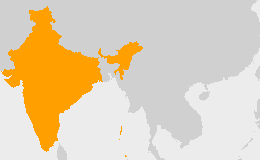
Las afiliadas de la CSI en la India son la Confederation of Free Trade Unions of India (CFTUI), el Hind Mazdoor Sabha (HMS), el Indian National Trade Union Congress (INTUC) y la Self-Employed Women’s Association (SEWA).
según la ley
Libertad sindical / Derecho de sindicalización
Libertad sindical
El derecho a la libertad sindical está consagrado en la Constitución.
El derecho a la libertad sindical está regulado por el Código de Trabajo
Discriminación antisindical
La ley prohíbe la discriminación antisindical, pero no pevé medidas adecuadas de protección al respecto.
Barreras legales al establecimiento de organizaciones
- Se requiere un número mínimo de miembros excesivo para establecer un sindicato
- Según la Ley de Sindicatos de 2001, un sindicato debe representar a un mínimo de 100 trabajadores o al 10% de la mano de obra, lo que sea menor.
- Otras formalidades o requisitos que retrasan en exceso o impiden considerablemente el libre establecimiento de una organización
- En el Estado de Sikkim, se ofrece al público la posibilidad de formular objeciones a la creación de un sindicato, lo que a veces es suficiente para impedir su registro.
Restricciones al derecho de los trabajadores y trabajadoras a formar y afiliarse a organizaciones de su elección
- La ley impone restricciones al derecho de los trabajadores/as a afiliarse al sindicato de su elección
- Al prever la amalgama y la fusión de sindicatos, el Código de Relaciones Laborales hace prescripciones detalladas sobre los fondos y los métodos de fusión.
Restricciones al derecho de los sindicatos a organizar su administración
- Restricciones al derecho a establecer libremente sus propios estatutos y reglamentos
- El Código de Relaciones Laborales, enmendado en 2020, ha determinado que el período de elecciones sindicales sea cada dos (2) años.
- Restriciones al derecho a elegir representantes y autoadministrarse con plena libertad
- En virtud del Código de Relaciones Laborales, enmendado en 2020, los titulares de oficinas sindicales deben ser empleados en el establecimiento. En el sector no estructurado, el requisito es que se emplee a un máximo de dos oficinistas en el establecimiento en el que trabaja el sindicato. La Ley de Sindicatos de 2001 limita el número de "gente del exterior" (aquellos no empleados en la empresa) que podría ocupar algún cargo en la ejecutiva sindical.
Categorías de trabajadores a quienes la ley prohíbe o restringe la posibilidad de formar o afiliarse a sindicatos, o de ocupar cargos sindicales
- Otros funcionarios y empleados públicos
- La legislación establece una clara distinción entre los funcionarios y los demás trabajadores. Los empleados de los servicios públicos tienen derechos muy limitados de sindicalización y negociación colectiva.
Derecho a la negociación colectiva
Derecho a la negociación colectiva
El derecho a la negociación colectiva está reconocido por la ley, pero no está debidamente fomentado y promovido.
Obstáculos legales para el reconocimiento de los agentes de negociación colectiva
- Se requiere una representatividad excesiva o un número mínimo de miembros para poder negociar colectivamente
- Con respecto al umbral de las negociaciones de negociación colectiva, el Código de Relaciones Laborales estableció un requisito del sesenta y seis (66) por ciento para que un sindicato pueda negociar un convenio colectivo o desempeñar sus funciones de representación.
Restricciones al principio de negociación libre y voluntaria
- Procedimiento de arbitraje impuesto en caso de disputa durante una negociación colectiva, no sólo en los servicios esenciales
- En septiembre de 2020, se ha modificado el Código de Relaciones Laborales para establecer un comité de reparación de agravios obligatorio, además de los procesos de conciliación y reclamación ya existentes en la legislación y en los convenios colectivos.
Disposiciones que entorpecen el recurso a convenios colectivos y su eficacia
- Derecho discrecional de los empleadores a negarse a negociar con los sindicatos representativos
- Los empleadores no tienen la obligación legal de reconocer a un sindicato ni de emprender negociaciones colectivas.
Restricciones o prohibición de negociar colectivamente en algunos sectores
- Otros funcionarios y empleados públicos
- La legislación establece una clara distinción entre los funcionarios y los demás trabajadores. Los empleados de los servicios públicos tienen derechos muy limitados de sindicalización y negociación colectiva.
Derecho de huelga
Derecho de huelga
El derecho de huelga está reconocido por la ley pero estrictamente regulado.
Impedimentos legales a acciones de huelga legítimas
- Plazo de notificación previa / período de reflexión excesivamente largo
- El artículo 62 del Código de Relaciones Laborales de 2020 exige amplios plazos de preaviso para las huelgas y prohíbe las huelgas en determinados contextos, como se indica a continuación: 62. (1) Ninguna persona empleada en un establecimiento industrial podrá ir a la huelga, en incumplimiento del contrato (a) sin dar al empleador un preaviso de huelga, como se establece más adelante, dentro de los sesenta días anteriores a la huelga; o (b) dentro de los catorce días siguientes a dicho preaviso; o (c) antes de la expiración de la fecha de huelga especificada en dicho preaviso; o (d) durante la pendencia de cualquier procedimiento de conciliación ante un funcionario de conciliación y siete días después de la conclusión de dicho procedimiento; o (e) durante la pendencia de un procedimiento ante un Tribunal o un Tribunal Industrial Nacional y sesenta días después de la conclusión de dicho procedimiento; o (f) durante la pendencia de un procedimiento de arbitraje ante un árbitro y sesenta días después de la conclusión de dicho procedimiento, cuando se haya emitido una notificación en virtud de la subsección (5) de la sección 42; o (g) durante cualquier período en el que esté en vigor un acuerdo o laudo, con respecto a cualquiera de los asuntos cubiertos por el acuerdo o laudo.
- Recurso obligatorio al arbitraje o a largos y complejos procedimientos de conciliación y mediación antes de iniciar una acción de huelga
- La Ley de Controversias Industriales permite al Gobierno remitir una controversia a un tribunal para su resolución, según lo considere oportuno.
Prohibición o restricciones para ciertos tipos de acción de huelga
- Restricciones respecto al objetivo de una huelga (por ej. disputas industriales, cuestiones económicas y sociales, políticas, de simpatía o solidaridad)
- Estado de Kerala: En 2002, el Estado de Kerala dictó una orden estableciendo que todas las huelgas generales eran ilegales si implicaban un cese completo de las actividades. Dicha orden del Estado de Kerala fue cuestionada, pero su legalidad sería confirmada por el Tribunal Supremo.
- Restricciones respecto al nivel o el ámbito de cobertura de una huelga (por ej. empresa, industria/sector, regional/territorial, nacional)
- Estado de Tamil Nadu: Según la Ley sobre el Mantenimiento de Servicios Esenciales (ESMA) de Tamil Nadu, se entiende por "huelga" no sólo la negativa de los trabajadores vinculados con estos "servicios esenciales" a "continuar trabajando o aceptar el trabajo asignado", sino también "negarse a realizar horas extraordinarias" y "cualquier otra conducta que pudiera resultar, o resulte en el cese o un retraso considerable del trabajo en cualquier servicio esencial".
Disposiciones que socavan el recurso a acciones de huelga o su eficacia
- Discriminación a favor de los no huelguistas
- Estado de Tamil Nadu:La Ley sobre el Mantenimiento de Servicios Esenciales de Tamil Nadu de 2002 prescribe penas de hasta tres años de prisión y multas de 5.000 rupias para los participantes en una huelga que involucre los "servicios esenciales".
- Excesivas sanciones civiles o penales contra los trabajadores/as y sindicatos involucrados en acciones de huelga no autorizadas
- En virtud del artículo 25U de la Ley de conflictos laborales, toda persona que cometa una práctica laboral desleal, lo que incluye la participación en una huelga, puede ser condenada a una pena de prisión de hasta seis meses o a una multa. En virtud de los artículos 5 y 6 de la Ley de mantenimiento de los servicios esenciales, los trabajadores que participen en una huelga que se considere ilegal pueden ser condenados a prisión por un período de hasta seis meses, mientras que los organizadores de la huelga pueden ser castigados con una pena de prisión de hasta un año o con una multa.
- Sanciones excesivas en caso de daños ocasionados por acciones de huelga
- Estado de Tamil Nadu: Los activistas que convoquen una huelga o instiguen a los trabajadores a sumarse a la misma y cualquiera que proporcione asistencia financiera para conducir la huelga, se arriesgan a penas similares a las aplicables a los trabajadores en huelga, en base a la Ley sobre el Mantenimiento de Servicios Esenciales de Tamil Nadu.
- Otras disposiciones legales que socavan el derecho de huelga
- En virtud del artículo 10 de la Ley de mantenimiento de los servicios esenciales, todo agente de policía podrá detener sin orden judicial a cualquier persona de la que se sospeche razonablemente que ha cometido un delito en virtud de esta ley.
Limitaciones o prohibición de hacer huelga en algunos sectores
- Restricciones injustificadas para los funcionarios públicos
- La Ley sobre el Mantenimiento de los Servicios Esenciales permite al gobierno exigir la conciliación o el arbitraje en ciertas industrias "esenciales". Pero como la ley no define cuáles son estos servicios esenciales, la interpretación varía de un Estado a otro. No obstante, en caso de conflicto existen mecanismos legales para cuestionar una decisión tomada en el marco de esta ley. Estado de Tamil Nadu: La Ley sobre el Mantenimiento de Servicios Esenciales de Tamil Nadu incluye en la definición de servicios “esenciales” a numerosos servicios públicos, como por ejemplo el suministro de agua y electricidad, el transporte de pasajeros y mercancías, el servicio de bomberos y la sanidad pública.
En la Práctica
El 8 de enero de 2020, una decena de sindicatos indios organizaron la mayor huelga del mundo, con más de 250 millones de trabajadores, en protesta por las actuales políticas económicas y sociales del Gobierno de Narendra Modi, acusado de centrarse demasiado en la privatización y de prestar poca atención al empleo y el crecimiento.
Las protestas del sector manufacturero iban contra la privatización de las empresas públicas y las políticas que no apoyan el empleo, con reivindicaciones como un salario mínimo, una reforma de las pensiones y una reforma laboral.
El sector del transporte, el sector bancario y la industria del carbón se sumaron masivamente a la huelga. Cerca de 220.000 millones de transacciones bancarias peligraban, tanto las que se realizan en cuentas corrientes como en efectivo. Según los sindicatos, al menos 500.000 empleados de bancos iban a dejar de trabajar, junto a otros 600.000 empleados del sector de la minería del carbón.
Los sindicatos se quejaban de la indiferencia del Gobierno central, que hizo caso omiso de su “carta de 12 puntos”. Entre las reivindicaciones del sector servicios y del sector de producción figuraban un salario mínimo mensual de 21.000 INR (262 EUR); creación de empleo; la retirada de las políticas en materia de contratación de mano de obra; debates a diversos niveles sobre la reforma laboral; el no a la privatización de las industrias del sector público; y, por último, un sistema universal de pensiones.
La India se encuentra en un momento crítico debido a la desaceleración del desarrollo económico, además del estancamiento en el sector del empleo y un desempleo generalizado en todos los sectores de la población, que alcanzó un 7,7% en diciembre. Según las últimas previsiones publicadas el día de ayer, el crecimiento debería alcanzar el 5% en el actual ejercicio fiscal, el nivel más bajo de los últimos 11 años.
Para la central sindical Centre of Indian Trade Unions, una de las organizaciones en huelga, “el Gobierno no ha sabido abordar la crisis económica. Al mismo tiempo, se ha comprometido a privatizar y vender propiedades públicas, recursos naturales y otros bienes nacionales. Todo esto va en detrimento del interés nacional y del desarrollo del país”.
El 26 de abril de 2019 la empresa de metro Chennai Metro Rail Corporation Limited (CMRL) despidió a ocho trabajadores por participar en una protesta contra la externalización. En noviembre de 2018 el sindicato de trabajadores de CMRL, CMRL Employees’ Union, había escrito a la dirección de la empresa para protestar por el uso excesivo de mano de obra subcontratada. A. Soundararajan, presidente estatal de la central sindical Centre for Indian Trade Unions (CITU), que también es presidente honorario del sindicato, había firmado la carta. Los empleados despedidos eran delegados del sindicato CMRL Employees’ Union, afiliado a la CITU.
El 29 de abril los trabajadores llevaron a cabo una sentada en protesta contra los despidos de los ocho delegados sindicales. A continuación tuvo lugar una huelga de dos días en la que los trabajadores permanentes plantearon varias cuestiones, como los recortes a sus prestaciones, el aumento de la externalización y la reincorporación de sus compañeros injustamente despedidos. La huelga finalizó el 1 de mayo, tras recibirse garantías por parte de la dirección de que se estudiaría un recurso contra los despidos y que nadie sufriría represalias por haber participado en la huelga.
Las promesas relativa a las represalias no se cumplieron. Tres trabajadores fueron suspendidos durante la huelga, el 1 de mayo. En un primer momento fueron acusados de sabotear el sistema de señalización, pero más tarde se les acusó de abandonar su trabajo. Otros seis trabajadores fueron suspendidos después de la huelga. Además, los trabajadores despedidos no tuvieron ninguna noticia respecto al recurso de su despido, sino que recibieron sendas cartas en las que se les solicitaba que desocuparan el alojamiento que les había proporcionado la empresa.
Se supone que el Departamento Estatal de Trabajo debería haberse ocupado en primer lugar del caso, y que después debería haber pasado al Departamento Central de Trabajo, pero debido a la confusión sobre quién tiene jurisdicción sobre el caso, nadie se ocupó de él, y para finales de año el caso de los ocho trabajadores despedidos todavía no se había resuelto.
En nombre de la racionalización de las relaciones laborales, el Gobierno de Modi está reduciendo los derechos de los trabajadores e institucionalizando los salarios de pobreza, todo ello en interés de las multinacionales. Las reformas de la legislación laboral india son bastante amplias y van a afectar considerablemente a la política económica y social. Abarcan las relaciones laborales, los salarios, la seguridad social, el bienestar, las inspecciones de trabajo, los sindicatos y las zonas económicas especiales.
Las reformas están consolidando aproximadamente 44 leyes laborales centrales en cuatro códigos laborales que abarcan lo siguiente: Código Laboral sobre Relaciones Laborales, Código Laboral sobre sobre Salarios, Código Laboral sobre Seguridad Social y Código Laboral sobre Salud y Seguridad en el Trabajo y Condiciones de Trabajo.
Incluyen la adopción de una serie de prácticas flexibles del mercado laboral que debilitan y socavan los sindicatos, eliminan la carga normativa impuesta a la conducta empresarial perjudicial, desempoderan al trabajador individual y debilitan la cohesión social y la responsabilidad mutua en el lugar de trabajo. Para ello se sustituyen los contratos de empleo indefinido y a largo plazo por mano de obra con contratos temporales, flexibles y de duración determinada y otras categorías de trabajo precario; se adoptan prácticas que favorecen los comités de trabajadores antes que los sindicatos; y se hace la vista gorda con los empleadores que adoptan prácticas antisindicales, como no reconocer ni negociar con los sindicatos representativos.
Con estos cambios, el Gobierno pretende, en particular, conseguir una mejor calificación en la desacreditada clasificación Doing Business del Banco Mundial para catalizar un aumento de las inversiones del sector privado.
Tras las protestas masivas que se han producido desde principios de 2019 contra las propuestas de Modi, los sindicatos indios han respondido con un espíritu de unidad sin precedentes a los nuevos planes del Gobierno. Las diez confederaciones sindicales que integran el Trade Union Co-ordinating Council –entre ellas las organizaciones afiliadas a la CSI, INTUC, HMS, SEWA y otras confederaciones y sindicatos independientes– volvieron a manifestarse el 2 de agosto insistiendo en que “se oponen firmemente y condenan el atropello de la codificación de la legislación laboral y otras leyes a pesar de las fuertes objeciones por parte del movimiento sindical”.
Hasta ahora, el Gobierno indio no ha consultado de manera significativa a los interlocutores sociales (en especial a los sindicatos) en lo que respecta a las reformas de la legislación laboral en curso. La falta de buena fe por parte del Gobierno supuso el fracaso de dos reuniones convocadas para tratar los proyectos de ley. Las centrales sindicales se han quejado de que, aparte de la reunión abortada de la Conferencia del Trabajo de 2015, no se han llevado a cabo consultas genuinas, significativas y exhaustivamente planificadas a nivel central. En 2017 y 2018, el Comité Permanente de Trabajo aprobó un orden del día para una reunión de la Conferencia del Trabajo de la India, que fue cancelada unilateralmente por el primer ministro. La situación es peor a nivel estatal, donde no se mantienen consultas tripartitas. Se alega que, a nivel estatal, las consultas a nivel de industria se ven comprometidas porque, entre otras inquietudes, los Gobiernos estatales designan unilateralmente a los representantes de los trabajadores y normalmente lo hacen sobre un fundamento político y sin referencia a las normas de la OIT.
Además de reclamar la retirada de las propuestas y una subida del salario mínimo nacional, los sindicatos solicitan la suspensión de la privatización y la creación de más y mejores puestos de trabajo incrementando la demanda en la economía mediante unos sueldos más altos, en lugar de intentar atraer a multinacionales mediante la reducción de las protecciones laborales.
El 10 de octubre, miles de trabajadores con contrato temporal de la empresa de generación y distribución de electricidad Tamil Nadu Electricity Generation and Distribution Corporation (TANGEDCO) fueron arrestados en nueve regiones del estado durante una protesta organizada para exigir un salario mínimo fijo, un contrato indefinido para cerca de 43.000 vacantes existentes, el pago de bonificaciones similares a las de los empleados fijos, y una reducción de la fuerte subida de los cargos por nuevas conexiones eléctricas. La protesta estuvo encabezada por el sindicato de empleados de la electricidad Central Organisation of Tamil Nadu Electricity Employees (COTEE), afiliado a la central sindical Centre of Indian Trade Unions (CITU).
Más de 10.000 trabajadores con contrato temporal de TANGEDCO llevaban más de 10 años trabajando para la empresa desempeñando diversas funciones en las áreas de generación de electricidad y mantenimiento, y querían que su situación se regularizara.
Ante la falta de progresos, el 1 de noviembre los trabajadores comenzaron una huelga indefinida. El 5 de noviembre la policía detuvo a 142 trabajadores que habían hecho un piquete delante de la oficina de TANGEDCO. Estuvieron retenidos en una sala y fueron puestos en libertad por la noche.
El gobierno de Telengana anunció el 6 de octubre de 2019 el despido de 48.000 empleados de la corporación Telangana State Road Transport Corporation (TSRTC) después de que iniciaran una huelga indefinida para reclamar soluciones a problemas que vienen teniendo desde hace mucho tiempo.
No quedaron más que cerca de 1.200 empleados, entre ellos los que no se sumaron a la huelga y los que regresaron a sus puestos de trabajo antes de las 6.00 pm del 5 de octubre, plazo establecido por el Gobierno para que los sindicatos suspendieran la huelga.
Los trabajadores se habían declarado en huelga tras un llamamiento del Comité de Acción Conjunta de los sindicatos de trabajadores de Telangana RTC en la madrugada del 5 de octubre.
Las demandas de los trabajadores incluían una fusión de la empresa TSRTC con el Gobierno estatal; como se había hecho en el estado vecino Andhra Pradesh, donde los trabajadores son tratados como empleados del Gobierno y la edad de jubilación se ha cambiado a los 60 años.
También exigían una revisión de sus salarios, pendiente desde abril de 2017, y nuevas contrataciones en la corporación para reducir la carga de trabajo de los empleados.
El jefe de Gobierno descartó categóricamente una fusión de TSRTC con el Gobierno estatal. Anunció que el Gobierno comenzaría pronto el proceso de contratación de nuevo personal. Una semana más tarde, el jefe de Gobierno dijo que estaría abierto a la posibilidad de que los trabajadores de TSRTC volvieran a sus puestos de trabajo, pero únicamente si accedían a renunciar a su derecho a la representación sindical y se comprometían a “no se afiliarse a ningún sindicato”.
Las protestas continuaron y, el 19 de octubre, la policía detuvo a varios activistas durante un paro de un día. El jefe de Gobierno siguió negándose a acceder a la principal demanda de los trabajadores: una fusión con el Gobierno que garantizara mayor seguridad laboral. Es más, amenazó con privatizar todo el servicio.
Más de 200 trabajadores en huelga de la empresa Motherson Automotive Technologies & Engineering (MATE), situada en Sriperumbudur, un polígono industrial a 40 kilómetros de Chennai, capital de Tamil Nadu, fueron arrestados por la policía el 24 de septiembre durante un mitin de protesta que habían organizado a las puertas de la Oficina del comisionado adjunto de Trabajo en Irunkatukotai.
Cerca de 500 trabajadores fijos de Motherson habían estado en huelga durante más de un mes para exigir el reconocimiento de su sindicato recién formado, Chengai Anna Mavatta Jana Nayaga Thozhilalar Sangam (CAMJNTS), así como un aumento salarial y mejores condiciones de trabajo.
La policía cargó con porras y detuvo a varios de los docentes que se manifestaban e intentaban entrar en la sede del Departamento de Educación del estado de Bengala Occidental el 24 de junio. Los docentes de primaria estaban allí para presentar sus demandas de un aumento de sueldo tras la congelación del mismo durante los últimos ocho años.
El 17 de agosto se produjo un incidente similar cuando la policía de Bengala Occidental cargó con porras para dispersar a los profesores auxiliares que se encontraban en huelga de hambre cerca de la terminal de autobuses de Kalyani y de la estación de tren de Kalyani, en el distrito de Nadia. Los profesores auxiliares se habían reunido en diferentes distritos para exigir un aumento de sueldo y un contrato indefinido.
Los trabajadores de la empresa de recambios para automóviles Motherson se afiliaron al sindicato Chengai Anna Mavatta Jana Nayaga Thozhilalar Sangam (CAMJNTS), a lo que la dirección respondió exigiendo a todos los trabajadores que firmaran un documento comprometiéndose a no vincularse al sindicato. Motherson es uno de los mayores fabricantes de componentes de automóviles de la India, con un total de 11 fábricas.
Los trabajadores con ocho años de servicio solo reciben entre 9.000 y 10.000 INR (entre 128 y 142 USD) mensuales y no reciben las prestaciones adecuadas. En las plantas de Chennai no hay medios de transporte ni comedores adecuados. Los trabajadores del turno de noche no reciben comidas adecuadas sino solo snacks.
Los trabajadores formaron su sindicato con el objetivo de negociar mejores salarios y condiciones. El 31 de julio y el 1 de agosto de 2019 realizaron una sentada de protesta contra las tácticas coercitivas de la dirección para impedir que los trabajadores se organizaran.
Las protestas terminaron y el trabajo se reanudó dos días después, cuando la dirección anuló los documentos de no vinculación sindical.
La noche del domingo 19 de mayo de 2019 fueron arrestados los trabajadores y dirigentes sindicales en huelga de Chowel India Limited, una empresa de fabricación de recambios para automóviles ubicada en Sriperumputhur, cerca de Chennai. Los trabajadores, afiliados a la central sindical Centre of Indian Trade Unions (CITU), habían estado llevando a cabo una sentada desde el 14 de mayo en protesta por el retraso en el pago de los salarios.
El arresto a medianoche tuvo lugar cuando los trabajadores y líderes sindicales intensificaron su protesta contra la intención de un proveedor de la empresa de confiscar maquinaria por motivo de impago. Los trabajadores temían quedarse sin trabajo si la maquinaria era confiscada. La protesta fue organizada por la CITU, cuyo presidente de distrito, S. Kannan, y secretario, E. Muthu Kumar, fueron maltratados y arrestados por la policía junto con otros 149 trabajadores que participaban en la protesta.
El 12 de julio se produjeron nuevas detenciones cuando antiguos empleados de las plantas de Chowel India y Dongsun protestaban a las puertas de la empresa Hyundai India en Chennai. Los trabajadores intentaban presentar una petición por el cierre de las dos empresas, que son filiales del gigante de la automoción Hyundai. Cerca de 150 trabajadores, junto con los líderes de distrito de la CITU Kanchipuram, fueron arrestados por la policía y posteriormente puestos en libertad.
La dirección de Chowel India y Dongsun había respondido a la creciente oposición de los trabajadores por la violación de sus derechos cerrando las plantas y trasladando la maquinaría a otra filial de Hyundai llamada Hwashin Automotive India.
Alrededor de 100 empleados de la empresa estatal Puducherry Agro Service and Industries Corporation Ltd. (PASIC) fueron arrestados el miércoles 10 de julio de 2019 tras haber bloqueado el tráfico en Rajiv Gandhi Square exigiendo el pago inmediato de los salarios pendientes. Los trabajadores habían estado organizando protestas y piquetes desde el 26 de junio en apoyo a su carta de reivindicaciones. Durante los últimos 57 meses, la dirección no había pagado íntegramente a los empleados, entre ellos jornaleros y trabajadores basados en un sistema de vales, vulnerando la legislación laboral de la India.
Asahi Glass, fabricante de parabrisas para grandes empresas de automoción, se negó a reconocer la central sindical Centre of Indian Trade Unions (CITU) tras asumir esta la representación de los trabajadores para ayudarles a resolver su conflicto con la dirección. La empresa había despedido a 28 trabajadores en octubre de 2018 por su participación en una huelga convocada a raíz de un conflicto salarial. Desde entonces, la empresa había negado arbitrariamente a los trabajadores sus vacaciones y había modificado los turnos, de manera que, con frecuencia, se veían obligados a trabajar los siete días de la semana. Tras la incorporación de varios trabajadores a la CITU, la dirección suspendió a seis empleados, entre ellos un delegado del sindicato. El 5 de febrero de 2019 la CITU exigió la reincorporación incondicional de los 28 trabajadores. Ante el estancamiento de las negociaciones, el 5 de marzo la central sindical emitió un aviso de huelga indefinida a partir del 25 de marzo. La huelga duró 87 días, hasta que el proceso de conciliación condujo a un acuerdo. La dirección todavía no había reincorporado a los 28 huelguistas despedidos, pero acordó proseguir con los debates y llegar a una resolución en un plazo de tres a seis meses. También accedió a retirar la suspensión de los seis trabajadores y reincorporarlos inmediatamente, así como negociar incrementos salariales y otras prestaciones.
El 11 de febrero de 2019, la empresa de repuestos para automóviles Pricol, en Coimbatore, Tamil Nadu, despidió a 294 trabajadores por su participación en una huelga de 100 días. Los trabajadores, que forman parte del sindicato Kovai Manila Pricol Thozhilalargal Otrumai Sangam (KMPTOS), afiliado a la central sindical All India Central Council of Trade Union (AICCTU), habían estado protestando contra las políticas represivas de la dirección. La huelga finalizó en diciembre de 2018 después de que la dirección aceptara acatar las instrucciones del Departamento de Trabajo, como liquidar la proporción de beneficios adeudada y las bonificaciones, abonar las prestaciones pendientes y garantizar a los huelguistas que no habría represalias. Sin embargo, cuando volvieron al trabajo, 302 trabajadores que habían participado activamente en la protesta recibieron órdenes de traslado a los estados de Andhra Pradesh, Uttarakhand y Maharashtra. La dirección justificó los traslados aludiendo las graves pérdidas ocasionadas por la huelga, y solo dio a los trabajadores tres semanas para trasladarse.
No obstante, 294 trabajadores se negaron a aceptar las órdenes de traslado, por lo que fueron despedidos el 11 de febrero de 2019. Los despidos se produjeron cuando estaban pendientes las conversaciones de reconciliación y, según el sindicato KMPTOS, solo sufrieron represalias los miembros del sindicato. El KMPTOS también señaló que los trabajadores se vieron privados de sus bonificaciones y de su participación en los beneficios, en contra de lo acordado.
El caso fue llevado a los tribunales, y, el 6 de marzo, el Tribunal Superior de Madrás ordenó a la empresa que reincorporara a todos los trabajadores despedidos. Sin embargo, la empresa ignoró la orden judicial, por lo que, el 30 de mayo de 2019, los trabajadores llevaron a cabo una gran manifestación de protesta. El conflicto continúa.
Los repartidores empleados por el servicio de reparto de comida a domicilio Swiggy, en Kochi, fueron obligados a dimitir por organizar una protesta. El 29 de mayo de 2019, los trabajadores protestaron contra una nueva escala salarial que Swiggy había establecido sin previo aviso y que suponía una drástica reducción de sus ingresos. Unos días después, Swiggy amenazó con retener los salarios semanales de quienes habían iniciado la protesta a menos que presentaran su dimisión.
Cerca de 200 repartidores se declararon en huelga en protesta no solo por el cambio en la escala salarial, sino también por otras cuestiones como la reducción del cargo por espera y los nuevos criterios para los incentivos mensuales y semanales. Fuentes de Swiggy confirmaron que algunos de los repartidores fueron suspendidos del servicio.
Se han publicado varios informes sobre la represión policial durante la huelga general, All India Worker’s Strike, que tuvo lugar los días 8 y 9 de enero de 2019. Uno de los informes más detallados se refiere a los trabajadores del sindicato Daikin Air Conditioning Mazdoor Union, en la zona industrial de Neemrana, donde, al parecer, la represión policial formaba parte de la represión que la empresa Daikin ejerce contra el sindicato.
Sobre las 14h00 del 8 de enero de 2019, cuando la manifestación de los trabajadores llegó a las puertas de la empresa Daikin, la policía armada con lathis cargó contra los trabajadores, utilizando además balas de goma, gases lacrimógenos y cañones de agua contra ellos. Cuarenta trabajadores resultaron gravemente heridos y numerosas personas necesitaron hospitalización por fracturas y heridas en la cabeza.
Durante la noche del 8 al 9 de enero, 14 trabajadores fueron capturados en sus domicilios y llevados a comisaría, a saber: Mahesh Kumar, de Jhunjhunu; Ghanshyam Saini, de Alwar; Surendar Kumar, de Himachal Pradesh (HP); Jagdev, HP; Ajay Kumar, HP; Sukh Ram, HP; Avinash Chandra, HP; Praveen Kumar, HP; Pankaj Chaudhary, HP; Ranjeet Kumar, HP; Sujit, HP; Deep Singh, UP; Ajay Thakur, de Orissa; y Lal Chand, de Orissa.
Los trabajadores consideran que los ataques que han sufrido se deben a sus constantes intentos para conseguir el reconocimiento del sindicato en Daikin. La primera vez que se intentó crear un sindicato fue en 2013, pero, debido a la oposición de la dirección de la empresa, el sindicato no pudo registrarse hasta el 29 de agosto de 2018, y fue solo gracias a la intervención del Tribunal Supremo de Rayastán. La dirección siguió negándose a reconocer el sindicato y a negociar con los dirigentes, y trasladó a 15 trabajadores a otras unidades de servicios. Desde 2013, cerca de 50 trabajadores fijos e innumerables trabajadores contractuales han sido despedidos durante la batalla para registrar el sindicato. La lucha continúa y, en dos ocasiones, cuando el sindicato trató de izar su bandera, el personal de seguridad de la fábrica la bajó a la fuerza.
El 8 y 9 de enero de 2019, 150 millones de trabajadores indios participaron en lo que, al parecer, ha sido la mayor huelga de la historia. Diez centrales sindicales y varias federaciones independientes se unieron en esta histórica huelga general en la que participaron trabajadores de los sectores de la manufactura, minería, energía, transporte, banca, servicios públicos, construcción y agricultura, entre otros.
Los trabajadores protestaban por el grave deterioro de las condiciones de trabajo, las subidas de los precios y la escasez de empleo. Los sindicatos se oponían en particular a las propuestas de enmienda a la Ley de Sindicatos de 1926, mediante las cuales se trataba de contemplar la obligación legal de reconocer los sindicatos pero únicamente a discreción del Gobierno, menoscabando así la independencia de los sindicatos.
Las diez centrales sindicales también acusaron al Gobierno de hacer caso omiso de su Carta de demandas de 12 puntos relativos al código laboral, el salario mínimo, la seguridad social universal, etc. Instaron al Gobierno a que participara en consultas genuinas con los sindicatos sobre la reforma de la legislación laboral, y a que ratificara los Convenios núm. 87 y 98 de la OIT.
Se informó que, tras la huelga, que derivó en varios enfrentamientos violentos y detenciones, algunos trabajadores fueron víctimas de violentas reacciones en represalia por su participación. La central sindical Centre of Indian Trade Union (CITU) señaló que los trabajadores contractuales y los trabajadores del sector no organizado que participaron en la huelga no podían volver al trabajo y estaban viéndose obligados a entregar sus pases de entrada a la fábrica.
En un informe enviado a la CSI a finales de 2018, el sindicato de marinos National Union of Seafarers of India (NUSI) ponía de relieve la persistencia de diversos obstáculos al ejercicio de los derechos sindicales, señalando en particular la oposición generalizada de los empleadores a los sindicatos, la tendencia a favorecer los sindicatos amarillos, y la discriminación contra los activistas sindicales. También destacaba la firme oposición de los empleadores a la negociación colectiva, sobre todo si implicaba mejores condiciones de trabajo, y lo que calificaba como “enormes retos” que afrontan quienes tratan de organizar sindicatos en las zonas francas industriales, en particular en los sectores de la manufactura, la logística y los servicios. El NUSI mantuvo una dura batalla con el Gobierno sobre su fondo de previsión, y denunció el arresto de varios activistas durante este conflicto.
Asimismo, la central sindical nacional Hind Mazdoor Sabha (HMS) declaró que las violaciones de los derechos sindicales, en particular el derecho a la libertad sindical y la negociación colectiva, eran muy habituales. Señaló que los sindicalistas se están viendo acosados, marginados, amenazados, agredidos físicamente, torturados mental y físicamente, acusados de delitos graves, arrestados y, a veces, condenados. Los empleadores suelen negarse a negociar. E incluso cuando negocian, se retractan a menudo de los acuerdos. Las huelgas están casi siempre prohibidas, y cuando los trabajadores consiguen convocarlas, se ven obligados a suspenderlas. En el sector no organizado hay muy poco margen de negociación. La central sindical HMS también coincide con el NUSI en que los empleadores favorecen los sindicatos amarillos.
El 8 de octubre de 2018, los trabajadores de la limpieza empleados por la East Delhi Municipal Corporation (EDMC), que se dirigían a una sentada de protesta, tuvieron que enfrentarse a una carga policial con lathis en la que varios trabajadores resultaron heridos, algunos de los cuales necesitaron atención médica hospitalaria.
Los trabajadores se habían declarado en huelga el 12 de septiembre por motivos salariales y contractuales. Setenta y uno fueron suspendidos por haber participado en la huelga.
Sanjay Gehlot, presidente del sindicato MCD Swachhata Karamchari Union, explicó que se habían declarado en huelga para reclamar que los trabajadores con contratos temporales recibieran un contrato fijo, para que les pagaran los salarios sin retraso y para poder disponer de asistencia médica. Otro trabajador añadió que, a pesar de los peligros para la salud que entraña su trabajo, no tienen seguro médico, y que además reciben su salario con retraso. Tras años de protestas y falsas promesas, decidieron convocar una huelga indefinida.
La huelga de 28 días fue suspendida el 9 de octubre después de que la East Delhi Municipal Corporation accediera a sus demandas, en particular la referente a la regularización de los empleos.
Cerca de 3.000 trabajadores de la sanidad de Accredited Social Health Activists (ASHA) y de Urban Social Health Activists (USHA), empleados por el Gobierno de Madhya Pradesh, fueron apaleados con lathis por agentes de la policía durante una concentración que habían organizado en Bhopal el 3 de octubre de 2018 para reclamar un salario mínimo fijo por su trabajo.
Los trabajadores se habían desplazado desde 16 distritos distintos hasta Bhopal. Cuando se encontraban a unos 200 metros de la residencia del jefe de Gobierno, fueron agredidos por la policía armada con lathis. Los agentes les impidieron avanzar e introdujeron a más de 100 trabajadores a la fuerza en varias furgonetas y se los llevaron a la Cárcel Central. Entre los detenidos había un niño de cinco años.
Los trabajadores de ASHA y USHA en Madhya Pradesh habían estado protestando desde abril de 2018. Al parecer, el jefe de Gobierno les había prometido en otra ocasión que atendería sus demandas. Su principal reivindicación era salarial, puesto que no se les estaba pagando el salario mínimo legal de 18.000 INR: reclamaban 10.000 INR mensuales para los trabajadores de ASHA-USHA y 25.000 INR mensuales para los “sahayoginis” de ASHA, que supervisan y coordinan los servicios de sanidad suministrados por los trabajadores de ASHA en la región. También solicitaban una dieta para cubrir gastos de desplazamiento, puesto que su trabajo implica largos viajes sobre el terreno y se estaban viendo afectados por la subida de los precios del carburante.
El jefe de Gobierno Chouhan no se reunió con los trabajadores que se manifestaban, ni tampoco reconoció sus demandas.
Más de 150 trabajadores de Myougn Shin India fueron detenidos el 27 de septiembre de 2018 tras haberse congregado para llevar a cabo una manifestación pacífica frente al Consulado de Corea en Chennai. Los trabajadores se habían declarado en huelga el 6 de septiembre para reclamar un convenio salarial negociado que incorporara un incremento salarial adecuado. A pesar de las numerosas tentativas de conciliación mediante el proceso tripartito, la empresa se había negado a entablar negociaciones. Es más, intentó imponer un convenio salarial unilateral que los trabajadores se negaron a aceptar.
Los trabajadores empezaron a concentrarse cerca del consulado sobre las 10 a.m., pero enseguida fueron conducidos por la policía a una esquina situada a más de 250 metros del consulado. Los policías cerraron filas y no permitieron que los trabajadores abandonaran la zona rodeada de barricadas. Los representantes de los trabajadores explicaron que lo único que querían era entregar una petición al Gobierno coreano a través del consulado, pero la policía se negó a dejarles pasar. Sobre las 11 a.m. los trabajadores fueron introducidos en furgonetas y conducidos a un salón de bodas cercano.
Una vez allí, la policía se negó a darles agua, como consecuencia de lo cual uno de los trabajadores se desmayó y tuvo que ser llevado a urgencias. Más tarde, los trabajadores pudieron abandonar el salón y, por la noche, se manifestaron a modo de protesta a las puertas del hospital. Todos ellos se dispersaron después de que la policía se disculpara públicamente por lo sucedido.
El 21 de septiembre de 2018 Yamaha India Pvt Ltd despidió sin preaviso a dos trabajadores por su participación en actividades sindicales. Los trabajadores habían registrado un sindicato en la central sindical Centre of Indian Trade Unions (CITU) y habían presentado una carta de demandas. El 10 de septiembre habían notificado a la dirección sobre un conflicto laboral, y los procedimientos de conciliación estaban en marcha.
Los trabajadores despedidos eran dirigentes sindicales y habían solicitado permiso para asistir a una reunión de conciliación convocada por el Ministerio de Trabajo. Yahama les denegó el permiso a pesar de la vigencia de un proceso que permite tomarse dos horas libres al mes para resolver asuntos personales. Los trabajadores se tomaron sus dos horas para asistir a la reunión de conciliación, a la que la dirección no asistió. Cuando fueron a trabajar el viernes 21 de septiembre, se encontraron que sus tarjetas de acceso habían sido anuladas.
Los compañeros de los trabajadores despedidos convocaron una huelga a modo de protesta. La dirección aparentemente envió guardias de seguridad a los domicilios de ocho representantes sindicales y amenazó con despedir a los trabajadores si no suspendían la huelga. La dirección también acusó a un trabajador de robo y fuga. La dirección no se presentó a la reunión de conciliación convocada por el Ministerio de Trabajo el 23 de septiembre.
El 30 de agosto, el Gobierno de Haryana se acogió durante seis meses a la Ley sobre el mantenimiento de servicios esenciales (ESMA) para prohibir una huelga de trabajadores del transporte. La huelga había sido convocada en protesta por la decisión del Gobierno estatal de privatizar los servicios de autobuses, una medida que, temían, daría lugar a reducciones salariales, menos seguridad del empleo y un aumento de las tarifas.
El sindicato Haryana Roadways Workers’ Joint Action Committee afirmó que se había mantenido abierto a negociar hasta el último momento, pero que el Gobierno se había mostrado inflexible. La huelga de dos días se llevó a cabo el 4 y 5 de septiembre, y la policía terminó cargando contra los manifestantes a golpe de lathi y deteniendo a 164. Ciento diez fueron puestos bajo custodia judicial, mientras que 12 permanecieron bajo custodia policial. El Gobierno estatal suspendió con carácter inmediato a 122 empleados, entre los que se encontraban los dirigentes del sindicato.
Según las disposiciones de la Ley sobre el mantenimiento de los servicios esenciales de Haryana, se presentaron cargos contra 23 empleados de Haryana Roadways, incluidos los líderes sindicales, por perturbar los servicios de autobús en la terminal de la ciudad.
Centenares de trabajadoras de comedores, encargadas de preparar los almuerzos en escuelas públicas, fueron arrestadas por la policía el 6 de agosto de 2018 tras intentar llevar a cabo una protesta en Vijayawada, capital política de Andhra Pradesh.
Cerca de 3.000 trabajadoras de comedores se desplazaron a la ciudad para reclamar al Gobierno el pago de los atrasos salariales así como la anulación de los planes para privatizar los servicios de almuerzos en dicho estado.
Se necesitaron decenas de furgonetas de policía para transportar a las mujeres a celdas de diversas comisarías de la ciudad.
Las trabajadoras eran miembros del sindicato Mid-Day Meals Scheme Workers Union, afiliado a la central sindical Centre for Indian Trade Unions (CITU). Las trabajadoras temían que, de aprobarse los planes de privatización, se destruyeran más de 80.000 empleos.
Durante una manifestación parecida que tuvo lugar el 30 de julio, muchas mujeres que trabajan en comedores y que trataron de acceder a la propiedad de un ministro de estado para protestar contra la propuesta de privatización, resultaron heridas durante una carga policial con varas de bambú (lathis). Cerca de 3.000 trabajadoras participaron en la protesta y muchas fueron arrestadas, entre ellas las dirigentes del sindicato Mid-Day Meal Scheme Workers Union, a saber la presidenta y la secretaria estatal del sindicato, G. Varalakshmi y K. Swarupa Rani respectivamente, la presidenta de distrito, K. Prasanna, la presidenta honoraria, S. Aruna, y las dirigentes de distrito de la central sindical Centre of Indian Trade Unions (CITU), G. Koteswara Rao y RKSV Kumar.
El 24 de julio de 2018 la empresa Telangana Northern Power Discom (TSNPDCL) emitió un comunicado oficial solicitando a sus directores que rescindieran los servicios de los trabajadores contractuales y subcontratados que participaran en una huelga.
Más de 10.000 trabajadores contractuales del sector de la electricidad se encontraban en el cuarto día de una huelga indefinida, convocada para reclamar contratos de trabajo regulares. Representados por el sindicato Telangana Vidyut Karmika Sangham (TVKS), los trabajadores también solicitaban el pago del salario mínimo, además del seguro estatal de empleados y las contribuciones al fondo de previsión.
El 23 de julio de 2018 la policía detuvo a más de 580 trabajadores de la empresa Tamil Nadu Rubber Corporation durante una manifestación que estaba teniendo lugar a las puertas de la oficina de la corporación y que bloqueaba el tráfico.
Las plantaciones de caucho propiedad del Gobierno estatal emplean a más de 1.700 trabajadores contractuales a los que solo se les paga 442 INR (6 USD) diarios durante un período de entre 200 y 210 días al año, lo que equivale a una media de 13.950 INR al mes. Los sindicatos habían solicitado un aumento a 18.000 INR.
Desde 2016, cuando comenzaron las negociaciones, se han mantenido más de 30 reuniones tripartitas en las que participaron los sindicatos de los trabajadores del caucho, la Tamil Nadu Rubber Corporation y el Gobierno estatal. El Gobierno del estado de Tamil Nadu solo ofrecía un aumento de 23 INR al día.
Todos los detenidos fueron puestos en libertad aquella misma noche.
En junio de 2018, la organización defensora de los derechos de los trabajadores Worker Rights Consortium (WRC), con sede en Washington, publicó un informe en el que revelaba la existencia de una salvaje campaña de represión para impedir que los trabajadores de Shahi Exports crearan un sindicato y se organizaran para reclamar mejores salarios y condiciones.
Shahi Exports es el mayor exportador de prendas de vestir de la India, y fabrica artículos de confección para grandes marcas, como H&M y Benetton. En marzo de 2018 varios activistas sindicales hicieron circular una petición solicitando a la dirección que proporcionara agua más limpia y un incremento salarial. Los directivos de Shahi respondieron amenazando de muerte a varios trabajadores que estaban a favor del sindicato e instando a otros trabajadores a agredir a los simpatizantes sindicales.
La WRC señaló que sus investigadores habían entrevistado a más de 30 trabajadores de la fábrica “Unidad 8” de Shahi en Bangalore, y concluyeron que había ocho directores responsables de la violencia y las amenazas de muerte y que 15 trabajadores favorables al sindicato habían sido despedidos.
Al parecer, varios directivos habían citado a los activistas sindicales en su oficina, donde les amonestaron, y después mandaron a otros empleados que les pegaran. Un directivo instó a varios trabajadores a que pegaran a una activista sindical, y uno de ellos casi la estrangula. Un segundo directivo arremetió contra otra activista sindical y dijo dirigiéndose a un grupo de empleados: “Estas putas están tratando de cerrar la fábrica. Dadle una paliza y matadla”. Estos la golpearon, le arrancaron la ropa y le robaron el collar, el móvil y el bolso.
Las presiones por parte de la WRC, y la reacción de varios clientes occidentales de Shahi, especialmente tras la mala prensa que provocó la publicación del informe de la WRC, obligaron a Shahi a anunciar en julio el despido de los directivos implicados. La empresa readmitió asimismo a los 15 trabajadores despedidos, abonándoles los atrasos salariales, y accedió a reconocer el sindicato de trabajadores de la confección, Karnataka Garment Workers’ Union, y a negociar con él.
El 29 de junio de 2018, el Tribunal Supremo de Delhi aprobó una petición presentada por el metro de Delhi Delhi Metro Rail Corporation (DMRC) para evitar que su plantilla de 9.000 empleados no ejecutivos —operadores ferroviarios, personal de mantenimiento, controladores de estación y técnicos— hicieran una huelga, puesto que los viajeros se verían “considerablemente incomodados”.
Sin embargo, los propios viajeros se pusieron de lado de los trabajadores y trabajadoras del metro. La asociación de viajeros Delhi Metro Commuters’ Association (DMCA) emitió el 30 de junio una declaración en apoyo a los trabajadores del DMRC, que habían estado protestando durante 10 días por un salario mejor y por su derecho a crear un sindicato.
La corporación ferroviaria alegó que en julio de 2017 había llegado a un acuerdo con el Consejo del Personal. Pero los empleados, que al ver sus demandas insatisfechas habían estado organizando sentadas en diversas estaciones de metro durante varios días, señalaron que el DMRC no había cumplido los términos de aquel acuerdo.
El sindicato Luminous Power Technologies Workers Union fue creado el 26 de marzo de 2018, cuando los trabajadores trataban de defenderse contra las crecientes violaciones de sus derechos, unas condiciones de trabajo pésimas y diversos problemas en materia de salud y seguridad ocupacional. La empresa Luminous Power Technologies, con sede en el estado de Himachal Pradesh, es propiedad de Schneider Electric, un especialista mundial en gestión energética.
El sindicato realizó todas las gestiones necesarias para proceder a su registro oficial. No obstante, tan pronto como tuvo conocimiento de la iniciativa de los trabajadores de crear un sindicato, la dirección de la empresa puso en marcha una serie de maniobras para acabar con el sindicato, entre ellas amenazar a los miembros del comité sindical y modificar los turnos de trabajo de todos los dirigentes sindicales con el fin de aislarlos y limitar sus posibilidades de reunirse con otros miembros del sindicato en el lugar de trabajo.
La dirección recurrió después a otra táctica, trasladando a los 12 dirigentes sindicales a la fábrica de Hosur Tamilnadu, situada a más de 2.800 kilómetros de distancia, justo antes del comienzo del proceso de verificación del sindicato por parte de la Administración del Trabajo.
Los trabajadores informaron que algunos directivos de Luminous Power Technologies utilizaban un lenguaje abusivo basado en la casta de los dirigentes sindicales, con objeto de humillarles y denigrar al sindicato delante de los demás trabajadores, tratando así de disuadirles de afiliarse.
Los trabajadores interpusieron una denuncia contra los directivos abusivos y organizaron una manifestación el 9 de junio de 2018 reclamando el derecho a la libertad sindical y a la negociación colectiva, así como el fin del acoso contra los dirigentes sindicales.
El 2 de junio de 2018 la policía arrestó a 600 enfermeros del sistema de sanidad pública que se manifestaban en Rajpur, capital del estado de Chhattisgarh. Los enfermeros habían estado convocando huelgas durante las dos semanas anteriores para reclamar una revisión de su escala salarial.
Dos días antes de los arrestos, el Gobierno del estado de Chhattisgarh declaró que la huelga era ilegal en virtud de la draconiana Ley sobre mantenimiento de los servicios esenciales. Los enfermeros y enfermeras fueron arrestados por desobedecer la orden judicial.
Los enfermeros del sistema de sanidad pública, que solo ganan 3.500 INR (52 USD) al mes, reclamaban una subida salarial a 4.600 INR al mes. Mientras que otros empleados del Gobierno reciben un salario de acuerdo con las recomendaciones de la 7ª Comisión de Salarios, los enfermeros del Gobierno estatal reciben un salario inferior al estipulado por la 6ª Comisión de Salarios.
Los enfermeros fueron puestos en libertad poco después de su arresto, y concluyeron la huelga el 4 de junio, después de que el Gobierno estatal les garantizara la satisfacción de sus demandas.
El sindicato Haryana Breweries Limited Mazdoor Union (HBLM) se enfrentó a crecientes ataques contra sus miembros al tiempo que la dirección se negaba reiteradamente a entablar negociaciones de buena fe para establecer un convenio colectivo. En febrero de 2018 el sindicato empezó a organizar protestas permanentes a las puertas de la fábrica en apoyo al derecho de los trabajadores y trabajadoras al reconocimiento del sindicato y a la negociación colectiva.
El 8 de marzo de 2018, la dirección despidió al presidente del sindicato, Anil Kumar Saini, después de que este utilizara un permiso compensatorio para asistir a una reunión sindical de AB InBev organizada por la Unión Internacional de Asociaciones de Trabajadores de la Alimentación, la Agricultura, Hoteles, Restaurantes, Tabacos y Afines (UITA). Saini había acumulado el permiso tras haberse visto obligado a trabajar durante 16 horas seguidas un día festivo.
El 28 de abril se produjo lo que la UITA describió como una “agresión física orquestada por la dirección” contra una manifestación pacífica de trabajadores organizada frente a la Oficina del Gobierno de Sonepat, en la que un miembro del comité sindical resultó gravemente herido. Posteriormente se presentó una denuncia policial por una supuesta agresión contra varios miembros del sindicato, lo que dio lugar a la detención de los dirigentes sindicales. Los líderes detenidos fueron puestos en libertad bajo fianza mientras el conflicto y las protestas proseguían.
El 27 de diciembre de 2017, el Mazdoor Sangathan Samiti (MSS), un sindicato de 30 años que representa a los trabajadores y trabajadoras del sector de la economía informal, fue inhabilitado por el gobierno del partido BJP del estado de Jharkhand, en virtud de la Ley de enmienda del Código Penal. Con arreglo a dicha ley, este partido interpuso asimismo varias denuncias contra diez delegados del MSS por unas acusaciones que el sindicato ha calificado de falsas.
La prohibición entró en vigor después de que el MSS invitara a Varvara Rao, un destacado poeta de Telugu, a hablar sobre el 100º aniversario de la Revolución Rusa. Según el Gobierno esto demostraba que el MSS estaba afiliado al partido maoísta, razón por la cual decidió prohibirlo. También acusó al MSS de “recaudar fondos de manera ilegal” para organizar el programa.
El MSS se estableció en 1985 y fue registrado en 1989. En 2017 contaba con 22.000 afiliados/as, todos ellos pertenecientes al sector de la economía informal. El MSS organizó a trabajadores de minas de carbón de Dhanbad, a trabajadores de centrales termoeléctricas, a campesinos y a trabajadores de un centro de peregrinación de Shikharji. El sindicato gestiona un hospital en Jharkhand que ofrece servicios gratuitos a todos los trabajadores y grupos tribales de la zona, y publica un periódico mensual para los trabajadores. A través de su labor en el sector informal, el MSS ha estado durante más de tres décadas en primera línea de muchas de las luchas de los grupos tribales y los trabajadores.
El MSS también ha desempeñado un papel decisivo a la hora de oponerse al denominado “programa de fomento de Jharkhand”, cuyo objetivo es desplazar a los grupos tribales y destruir sus medios de vida privándoles de recursos naturales en nombre del desarrollo.
El MSS cree que su labor, junto con la conocida aversión del Gobierno por los sindicatos militantes, es lo que realmente ha motivado esta prohibición.
El 9 de diciembre, el Departamento de Sanidad del estado de Haryana despidió a cerca de 500 empleados contractuales por hacer huelga.
Los miembros del personal contractual convocaron la huelga para reclamar un empleo regular en el Departamento de Sanidad Pública, al igual que los empleados que habían sido regularizados en 2012 y 2013. Según el Departamento de Sanidad, los trabajadores no habían acatado una orden de regresar al trabajo tras 24 horas de huelga, y esa es la razón por la que fueron despedidos. No obstante, el viernes 8 de diciembre el Departamento de Sanidad ya había emitido una orden instando a los cirujanos públicos a despedir a todos los empleados que estuvieran participando en la protesta.
En octubre de 2017 los trabajadores de SPM Autocomp Systems Pvt. Limited, un fabricante y distribuidor de piezas de automóvil de Manesar, en el distrito de Gurugram (Haryana), acusaron a la dirección de la empresa de acosarles y de insinuar amenazas a sus familias para intentar disuadirles de crear un sindicato. Las denuncias presentadas ante el Comisario de Trabajo y la Policía fueron en vano.
Los trabajadores decidieron crear un sindicato después de que en abril de 2017 un compañero suyo se matara al engancharse en la cinta transportadora mientras trabajaba. La dirección empezó a acosar a los delegados del sindicato poco después de que hubieran iniciado el proceso de registro en septiembre. Uno de ellos notificó que los miembros de la dirección llegaron incluso a presentarse en los domicilios de los delegados e insinuar amenazas.
Ravinder, presidente del sindicato, alegó que, el 9 de octubre, él y otra media docena de delegados fueron secuestrados en el interior de la empresa, donde les agredieron y forzaron a firmar documentos para llegar a un acuerdo con la empresa sobre la creación de sindicatos. La empresa también consiguió que algunos habitantes del pueblo les amenazaran, y desde el 10 de octubre les ha impedido acceder a sus instalaciones.
El abogado de los trabajadores señaló: “Los trabajadores de la mayoría de las empresas de Gurugram que establecen un sindicato son víctimas de acosos. El hecho de que apenas un centenar de empresas –de un total de varios miles de fábricas– en Gurugram tengan sindicatos dice mucho sobre la situación actual”.
El 22 de septiembre de 2017, los trabajadores de la empresa Tayo Rolls (una filial de TATA Steel) y sus familias fueron brutalmente agredidos por la policía cuando se manifestaban pacíficamente frente a las puertas de la fábrica de acero en Jamshedpur.
Los trabajadores estaban protestando por el cierre de la empresa, y reclamando un empleo alternativo o una compensación adecuada, cuando fueron agredidos por un grupo de agentes de la policía que además utilizó cañones de agua. Cerca de 40 manifestantes resultaron heridos en el ataque. La policía presentó acusaciones falsas contra muchos trabajadores.
Los trabajadores reivindicaban el pago de los salarios pendientes, un empleo alternativo para los trabajadores en otras empresas de TATA, o, en caso de no poder ofrecer un puesto de trabajo alternativo, el pago de una compensación equivalente a 100 meses de salario básico y un subsidio por el ajuste vinculado al aumento del coste de la vida, tal como se había hecho unos años antes, tras el cierre de una unidad parecida perteneciente al mismo grupo de empresas. La empresa había ofrecido un plan de cese voluntario, pero 284 trabajadores fijos lo rechazaron por considerarlo insuficiente.
Los trabajadores cuestionaron el cierre y presentaron una petición ante el Departamento de Trabajo, Empleo y Formación alegando que las pérdidas de la empresa se habían debido a las prácticas corruptas de los responsables, y que la empresa debería reactivarse y ofrecer empleo a todos los trabajadores y trabajadoras. La empresa era una filial de TATA Steel, por lo que tenía capacidad para proporcionar empleo alternativo a los trabajadores en otras plantas.
En octubre de 2016, el Departamento de Trabajo de Jharkhand rechazó la solicitud de cierre, pero a partir de ese mes la empresa suspendió el pago de sueldos.
En junio de 2017 los trabajadores interpusieron ante el tribunal laboral una demanda para que se ordenara a la empresa pagar los sueldos. La empresa, por su parte, ha presentado ante el tribunal supremo una apelación referente al cierre.
El 12 de septiembre de 2017, cerca de 2.200 empleados de diversos departamentos del Gobierno de Madras fueron sacados a la fuerza y arrestados por la policía tras organizar un piquete en la Oficina de Administración de Tirupur para presionar por sus reivindicaciones de una revisión salarial y una mejor seguridad social, entre otras cuestiones. La protesta tuvo lugar en el marco de la huelga indefinida que habían estado llevando a cabo los empleados públicos afiliados a Joint Action Council of Tamil Nadu Teachers Organisation- Government Employees Organisations (JACTTO-GEO).
En junio de 2017 el Indian National Trade Union Congress (INTUC) solicitó el registro de un sindicato a nivel de empresa en M/s TATA Advanced Systems Ltd. Adibatla, una industria de fabricación de material aeroespacial, pero el Gobierno se lo denegó. El 15 de agosto la policía arrestó a 11 delegados y activistas del sindicato por llevar a cabo una manifestación. Según la policía, esta manifestación se había prohibido en virtud del artículo 144 del Código Penal, que prohíbe las reuniones de más de cuatro personas.
En mayo de 2017 la central sindical Centre of Indian Trade Unions (CITU) organizó a los trabajadores de JK Tyres Factory cerca de Manimangalam, en el distrito de Kanchipuram (Tamil Nadu), a lo que la dirección de la empresa respondió estableciendo un sindicato amarillo.
Muthukumar, uno de los delegados de la CITU, declaró que varios trabajadores fijos pertenecientes a la CITU fueron intimidados para que se unieran al sindicato amarillo y nombrados delegados del mismo. La dirección también apuntó contra varios líderes de la CITU mediante suspensiones y traslados a otros departamentos internos. Los trabajadores habían decidido afiliarse a la CITU para abordar diversas reivindicaciones, a saber, los bajos salarios, la presión de la producción y la falta de servicios e instalaciones en la fábrica.
El 24 de julio, más de 600 trabajadores fueron a la huelga para reclamar el reconocimiento de su sindicato. El 2 de agosto, tras una semana de huelga, la dirección la declaró ilegal, alegando que las industrias del sector del automóvil han sido calificadas de servicio de utilidad pública, y amenazó con emprender medidas disciplinarias. Más de 27 trabajadores fueron despedidos, citándose como razón “un rendimiento insatisfactorio”.
Los trabajadores prosiguieron con su acción y aumentaron la publicidad de la huelga llevando a cabo protestas delante de la Oficina de Administración del distrito de Kanchipuram así como en otras partes del distrito.
Tras 17 días de huelga, la dirección accedió a negociar con el sindicato mayoritario y readmitir a los 27 trabajadores despedidos durante la huelga.
El 21 de julio el Gobierno del estado de Punjab publicó una notificación provisional para disolver los sindicatos de conductores de camión.
Los sindicatos de camioneros se prohibieron en virtud de la Ley (de regulación y prevención de la normativa de organización de consorcios) de vagones de mercancías de Punjab de 2017. El Gobierno alegó que la decisión se había tomado para acabar con la mafia de transportadores de mercancías, que había monopolizado el negocio de los camiones utilizando influencias políticas y que estaba obstruyendo el movimiento libre y justo del transporte de mercancías.
A finales de abril de 2017 la dirección de Pricol Pvt Ltd, una unidad de fabricación de piezas de automóvil situada en Coimbatore, Tamil Nadu, dedujo los salarios de ocho días a los trabajadores que participaron en una huelga de un día que tuvo lugar el 25 de abril en apoyo a los agricultores, en el marco de una serie de acciones de solidaridad para llamar la atención del Gobierno sobre la difícil situación de los campesinos.
Según el convenio colectivo de la fábrica, una huelga puede compensarse trabajando un día alternativo, pero el 19 de abril, cuando se publicó la convocatoria de huelga, la dirección se negó a dialogar para convenir una fecha alternativa y anunció que todos los que participaran en la huelga serían penalizados con una deducción salarial.
Los representantes del personal declararon que los trabajadores se ven continuamente acosados por la dirección con objeto de entorpecer la sindicalización, o son trasladados por pertenecer al sindicato. Así pues, cerca de 250 trabajadores han sido ya trasladados a otras unidades, todos ellos mayores de 50 años y con una antigüedad de más de 20.
El 29 de junio, más de 120 activistas de una serie de asociaciones, entre ellas la All India Central Council of Trade Unions, la Democratic Advocates Association (DAA) y la All India Agricultural Rural Labourers Association AIARLA, se manifestaron a las puertas de la Secretaría de Estado reclamando justicia para los trabajadores de Pricol. Los activistas fueron arrestados y brevemente detenidos hasta el final de la jornada.
La dirección amenazó con trasladar la fábrica de Coimbatore si las manifestaciones proseguían. Estas prosiguieron de todas formas, y además se llevó a cabo una huelga de hambre de 16 días. El 5 de julio el Gobierno estatal emitió una orden gubernamental refutando la decisión de la dirección de deducir los salarios de ocho días por una huelga de un día, y decidió remitir el asunto al tribunal laboral.
El 16 de junio de 2017, cerca de 60 líderes y trabajadores de la empresa Singareni Collieries Company Limited fueron arrestados en la región de Ramagundem cuando intentaban llevar a cabo una huelga convocada por cinco importantes sindicatos–INTUC, CITU, AITUC, HMS y BMS– tras el fracaso de las negociaciones sobre la observancia de las promesas incumplidas para restablecer el Dependent Employment Scheme (DES, Plan de empleo para personas dependientes). Otros 30 trabajadores fueron arrestados en Khammam, mientras que en Adilabad también se notificaron varios arrestos.
Singareni Collieries gestiona 30 minas subterráneas y 16 proyectos a cielo abierto con una mano de obra total de 56.000 trabajadores, repartidos por la gran cuenca minera del valle de Godavari, en el estado de Telangana. El objetivo del DES era poder ofrecer un puesto de trabajo a una persona a cargo de un empleado cuando este opta por una jubilación voluntaria debido a problemas de salud. Antes de que los sindicatos presentaran su preaviso de huelga el 31 de marzo, y mucho antes del comienzo de su acción, se habían celebrado cuatro rondas de negociaciones. Los arrestos se efectuaron como consecuencia de una asamblea considerada ilegal según el artículo 144 del Código Penal, que permite a las autoridades declarar ilegal cualquier reunión de más de cuatro personas. Sin embargo, los sindicatos sostienen que la huelga había sido legal puesto que habían cumplido todos los procedimientos adecuados, y que los arrestos eran por tanto injustificados.
La huelga se suspendió el 24 de junio para tratar de seguir negociando.
Ciento cincuenta trabajadores de comedores de almuerzos escolares, todos ellos miembros del sindicato Noon Meal Scheme Workers’ Union, fueron arrestados el 19 de junio de 2017 cuando se reunieron a las puertas de la Administración de Srikakulam (Andrah Pradesh) para protestar por los atrasos salariales y por la imposibilidad de acceder a derechos como el Plan de Seguros de Empleados Públicos y el Fondo de Previsión. Los trabajadores no habían recibido sus salarios desde diciembre de 2016.
El Gobierno estatal había recortado la asignación de fondos para el programa de almuerzos escolares, que se había diseñado para reducir los índices de abandono escolar; y había encomendado la gestión de algunos de los comedores a actores privados y a organizaciones no gubernamentales.
El 31 de mayo la policía de Haryana apaleó, arrestó y detuvo a más de 400 trabajadores, entre ellos 35 mujeres, de una planta de Aisin Automative Ltd, empresa de propiedad japonesa, en IMT, Rohtak.
La central sindical Centre of Indian Trade Unions (CITU) señaló que el incidente se produjo durante una manifestación solidaria con los trabajadores de Aisin, que habían organizado una protesta pacífica tras la terminación de los contratos de 20 trabajadores. Varios de ellos resultaron heridos en la carga policial.
“Los trabajadores de Aisin tomaron la iniciativa de crear un sindicato y presentaron el correspondiente formulario ante el Departamento Estatal de Trabajo. Pero el Departamento de Trabajo del gobierno dirigido por el partido BJP en Haryana rechazó la solicitud sin dar ninguna explicación al respecto. Casi al mismo tiempo, el 3 de mayo de 2017, la dirección de Aisin Automotive despidió a los 20 trabajadores que habían encabezado la iniciativa, entre ellos 4 mujeres, sin previa notificación y sin dar ninguna razón”, especificaba la declaración publicada por el secretario general de la CITU, Tapan Sen.
Sen señaló además que, tras las protestas, los 700 trabajadores restantes de Aisin también fueron expulsados de la fábrica, y se les “indicó” que podrían regresar a su trabajo una vez hubieran presentado un escrito comprometiéndose a no afiliarse a ningún sindicato.
La CITU solicitó la puesta en libertad inmediata de todos los trabajadores así como la celebración de negociaciones bilaterales para resolver las cuestiones planteadas por los trabajadores.
El 22 de mayo de 2017, los trabajadores de la planta de BASF India de Mangalore iniciaron una manifestación pacífica para solicitar a la empresa que acabara con la discriminación antisindical y empezara a cumplir su propio código de conducta, según ha informado IndustriALL.
BASF adoptó un código de conducta vinculante para todos los empleados del grupo BASF del mundo, un código que incluye normas de conducta, así como derechos humanos y normas laborales y sociales, aplicables a nivel mundial.
Sin embargo los empleados de la planta de BASF de Mangalore están siendo objeto de discriminación. Los empleados no sindicalizados que realizan trabajos similares a los empleados sindicalizados son ascendidos a puestos con sueldos más altos, disfrutan de mejores prestaciones de empleo y tienen que trabajar menos horas, lo que disuade a los trabajadores de afiliarse al sindicato.
Con el tiempo, las estrategias antisindicales de la dirección han dado lugar a una reducción de empleados en la categoría de trabajador, pasando de 138 a 78. Cuando un trabajador reclama sus derechos, se le entrega una carta de amonestación falsa.
Tras varios accidentes en la planta, la sectorial local de la India Worker’s Federation de BASF ha pedido transparencia y ha solicitado que se lleve a cabo una consulta sobre los detalles de los accidentes así como de las medidas correctivas adoptadas por la dirección. Sin embargo la dirección ha ignorado las solicitudes de información.
Los miembros del sindicato también estaban preocupados por la contratación de un gran número de trabajadores migrantes ocasionales o jornaleros en el departamento de producción, donde se utilizan productos químicos peligrosos. El sindicato ha solicitado a la empresa que deje de utilizar trabajadores precarios con contratos a corto plazo y que contrate a más trabajadores fijos.
Los trabajadores de BASF de otras plantas situadas en Thane (Bombay) y Ankleshwar (Gujarat) también han planteado cuestiones similares y han solicitado a la dirección de BASF que respete el código de conducta.
En abril de 2017 Tukaram Mundhe, presidente y director gerente de Pune Mahanagar Parivahan Mahamandal Limited (PMPML), un organismo de transportes creado por el Gobierno, publicó un aviso alegando que, en virtud de la Ley de empresas de 1956, ninguno de los sindicatos de la empresa estaba autorizado a proseguir con sus actividades. Así pues ordenó a la administración que dejara de atender todas sus cartas y memorandos, y que si los sindicatos intentaban “engañar” de alguna manera a los empleados de la organización, se tomarían medidas legales contra ellos.
Mundhe declaró que “todo sindicato que quiera trabajar para proteger los derechos de los trabajadores deberá contar con una autorización del Gobierno estatal o central. En PMPML no existe actualmente ningún sindicato con este tipo de autorización, de manera que todas las asociaciones son efectivamente ilegales”.
Nuruddin Inamdar, secretario general del sindicato de trabajadores afiliado al Indian National Trade Union Congress (INTUC), declaró: “Nuestro sindicato cuenta con una autorización del tribunal laboral, y los tribunales tienen derecho a decidir si otorgan o no una autorización a los sindicatos de trabajadores. (...) Hemos estado luchando durante los últimos diez años por los derechos de los trabajadores y otras cuestiones diversas”.
El sindicato Delhi Hospitals Contractual Workers Union (DHCWU) notificó que el 12 de abril de 2017 doce trabajadores contractuales del Centro de Traumatología de AIIMS fueron despedidos por plantear a las autoridades del hospital el hecho de no estar recibiendo siquiera el salario mínimo.
Los 12 trabajadores estaban empleados por una agencia privada de contratación, Sudarshan Facilities Pvt Ltd, que les había proporcionado un contrato de trabajo de personal de limpieza para gestionar en realidad los servicios del Centro de Traumatología de AIIMS. Cuando los empleados reclamaron que se les pagara el salario mínimo legal, la administración del hospital llamó a la policía, la cual presuntamente vapuleó a los trabajadores. Estos presentaron el caso ante el Comisario de Trabajo. “Al día siguiente se decidió prescindir de los servicios de los 12 empleados”, declaró el Dr. Animesh Das, presidente del DHCWU.
El sindicato escribió asimismo una carta al Director de AIIMS en la que alegaban que el inspector de sanidad cobraba dinero por asignarles tareas; les obligaba a realizar tareas del personal de 3ª clase, como técnicos de quirófano y operadores informáticos; retrasaba el pago de los salarios; utilizaba un lenguaje abusivo y a veces incluso les agredía físicamente.
La policía disparó contra un grupo de trabajadores y campesinos que se manifestaban a las puertas de una central azucarera el 10 de abril de 2017. Los campesinos, junto con los trabajadores empleados anteriormente por la central, habían estado protestando durante tres días frente a la entrada principal del recinto. Dos de ellos habían amenazado con inmolarse si no se les pagaban los salarios pendientes. La fábrica cerró en 2002 sin haber abonado a los trabajadores sus salarios ni a los campesinos lo que se les debía.
La manifestación se volvió violenta, y algunos de los trabajadores empezaron a arrojar piedras a la policía. La policía afirma que disparó contra los manifestantes únicamente en defensa propia. Ramchandra Pandit, uno de los trabajadores de la fábrica de azúcar, resultó herido de bala. Uno de los manifestantes declaró que la policía apaleó a muchas personas.
El 12 de abril de 2017 el Gobierno del estado de Haryana suspendió a 120 trabajadores de Haryana Roadways por haber ido a la huelga y no haber presentado el preaviso correspondiente. Los directores generales de 24 terminales de Haryana Roadways recibieron órdenes de suspender a cinco trabajadores cada uno. Los 120 trabajadores suspendidos eran delegados de los sindicatos de carreteras a nivel de terminal.
El conflicto se produjo a raíz de la decisión del Gobierno de expedir permisos a los operadores de transporte privado. La huelga comenzó tras haberse interrumpido el día anterior las negociaciones entre el Gobierno y los empleados de las empresas estatales de carreteras que protestaban.
Los líderes sindicales responsabilizaron al Gobierno de su huelga. Alegaron que, si bien el ministro principal Manohar Lal Khattar había asegurado en una reunión en marzo que no se expedirían los permisos, los altos directivos les informaron posteriormente sobre la decisión de otorgar permisos a los transportistas privados.
La huelga concluyó cuatro días después, tras una reunión mantenida entre el ministro de Transportes y los líderes del sindicato de empleados de Recursos Humanos. El ministro de Transportes Panwar dijo que el Gobierno estatal elaboraría una nueva política de transporte con aportaciones de la Autoridad Regional del Trasporte y la participación de delegados de los sindicatos de trabajadores de empresas estatales de carreteras. Además se anularían las notificaciones de suspensión concernientes a los 120 trabajadores.
Los permisos expedidos a 873 autobuses se mantendrían, pero incluirían una cláusula con arreglo a la cual los titulares permitirían viajar gratuitamente a las categorías de viajeros especificadas por el Gobierno de Haryana.
Entre mediados de febrero y mediados de marzo de 2017, tras el fracaso de las negociaciones de conciliación mantenidas con funcionarios del Ministerio de Trabajo, Omax Autos de Dharuhera procedió a despedir a un total de 34 trabajadores fijos, entre los que se encontraban todos los integrantes del órgano sindical.
El conflicto empezó el 1 de febrero, cuando Omax Autos despidió a 388 trabajadores contractuales que en su mayoría habían estado trabajando en la empresa durante 15-20 años. Lamentablemente, el 13 de febrero, uno de esos trabajadores, Ajay Pandey, se suicidó en un momento de desesperación. Tras el incidente se llevaron a cabo varias manifestaciones para reclamar a la dirección el pago de una compensación a la familia de Ajay Pandey y para pedir que se negociara la reincorporación de los trabajadores despedidos. Los trabajadores fijos participaron en la manifestación en apoyo a sus compañeros “temporales”. Ante las presiones, la dirección accedió a abonar una compensación a la familia del trabajador fallecido, pero se negó a readmitir a los trabajadores despedidos. Omar Autos gestiona nueve unidades en todo el país, y los trabajadores notificaron que la empresa había trasladado la producción a otras unidades, por lo que en realidad la huelga había sido inefectiva.
El Gobierno de Uttar Pradesh ha prohibido todo tipo de huelgas de empleados y docentes de institutos y universidades estatales, con efecto inmediato a partir del 31 de marzo de 2017. La prohibición confiere a la policía el poder para arrestar, sin necesitad de orden de arresto, a toda persona que viole las disposiciones de la misma. Además las autoridades decidieron prorrogar la prohibición hasta el 30 de junio para que cubriera también el período de exámenes.
El Gobierno anunció la prohibición basándose en lo estipulado en la rigurosa Ley sobre mantenimiento de los servicios esenciales, en virtud de la cual los empleados de los “servicios esenciales” tienen estrictamente prohibido hacer huelga. La ley permite que los propios estados sean los que decidan para qué servicios esenciales puede invocarse la misma. Con arreglo a sus disposiciones, toda persona que participe en una huelga podrá ser condenada a penas de cárcel de hasta seis meses.
El 18 de marzo de 2017 el Tribunal de Audiencia y de Distrito de Gurugram, en el estado de Haryana, al norte de la India, condenó a 13 trabajadores de la fábrica de Maruti Suzuki India Limited de Manesar a cadena perpetua por conspiración criminal, destrucción de pruebas y asesinato, a raíz de su presunta participación en unas confrontaciones mortales que se produjeron en la fábrica de automóviles en julio de 2012. De los 13 trabajadores condenados a cadena perpetua, 12 eran delegados sindicales.
Los trabajadores fijos y contractuales de la planta decidieron crear en 2011 un sindicato independiente para tratar de acabar con la precarización masiva del empleo y mejorar las condiciones de trabajo, pero la dirección de Maruti Suzuki, respaldada por el Gobierno estatal de Haryana, se negó a registrarlo. Aunque los trabajadores finalmente consiguieron crear un sindicato en 2012, la dirección se ha negado a reconocerlo.
Las tensiones terminaron por desencadenar una espiral de violencia el 18 de julio de 2012. Un incendio accidental se cobró la vida de Awanish Kumar Dev, director de Recursos Humanos de la empresa, y más de un centenar de trabajadores resultaron heridos por la policía y los guardias de seguridad. No existen pruebas que demuestren que alguno de los condenados hubiera estado siquiera presente cuando se desató el incendio; fueron arrestados con arreglo a una lista de nombres que la dirección había entregado a la policía.
La defensa señaló que la investigación había sido parcial en relación a varios aspectos cruciales, y observó que “la fiscalía no ofreció durante el juicio ninguna prueba sustancial que vinculara a los trabajadores con actos de violencia ni con un incendio provocado”.
La abogada de los trabajadores, Vrinda Grover, declaró: “Estos 13 trabajadores son los delegados y principales dirigentes del sindicato. Los testigos de la parte empresarial declararon en su contra porque habían defendido los derechos de los trabajadores. No hay pruebas sólidas que demuestren que los 13 trabajadores hubieran estado de alguna manera implicados en el incendio”.
La defensa de los trabajadores de Maruti afirmó que va a cuestionar de manera muy convincente esta condena en el recurso que tiene previsto interponer ante el Tribunal Supremo.
A raíz de un conflicto que tuvo lugar a finales de febrero de 2017, quedó patente la falta de derechos sindicales que prevalece en los bancos de la India. Los empleados de varios bancos estatales, liderados por la sectorial de Ludhiana del United Forum of Bank Unions (UFBU), habían estado en huelga desde mediados de febrero. El 28 de febrero organizaron una manifestación masiva frente al Canara Bank, en Bharat Nagar Chowk, acusando al Gobierno y a la Indian Banks Association (IBA) de no satisfacer sus demandas.
Naresh Gaur, organizador del UFBU, se dirigió a los manifestantes diciendo: “Cada vez se están dando más casos de denegación de derechos sindicales, como por ejemplo la vulneración del derecho de representación en las juntas de los bancos y del derecho a la negociación colectiva, el incumplimiento de convenios, el cuestionamiento del derecho de huelga, etc. Por otra parte, se está haciendo todo lo posible por externalizar los empleos fijos en el sector bancario, lo cual entraña muchos riesgos”.
Gaur señaló asimismo que los empleados de los bancos habían estado luchando durante dos décadas contra las reformas del Gobierno en el sector bancario que socavaron los derechos de los trabajadores y trabajadoras.
Los trabajadores en la compañía Suja Shoie, que fabrica presas hidráulicas, llevan desde 2014 intentando obtener el reconocimiento de su sindicato como unidad para la negociación colectiva. La respuesta de la dirección ha sido intimidar a los trabajadores y amenazar con terminar sus contratos de empleo si se afiliaban al sindicato. Los más de 400 trabajadores que integran la plantilla están empleados como subcontratados y no han recibido contratos permanentes pese a haber estado trabajando para la compañía durante más de siete años en algunos casos. Una de las principales demandas del sindicato es la regularización de todo el personal. Dando muestra de unidad sindical, se juntaron para colocar la bandera del sindicato frente a la fábrica el 9 de enero de 2017. La policía local intentó en un principio impedirles llevar a cabo su acción de protesta, pero finalmente pudieron colocar la bandera tras la intervención del Superintendente Adjunto de la Policía.
Cuando los trabajadores de la zona económica especial de Aequs formaron un sindicato el 5 de septiembre de 2016, la dirección respondió despidiendo en el acto a los ocho miembros de la directiva sindical. Otros cuatro de los miembros fundadores serían despedidos también poco después. Se sucedieron protestas y los trabajadores continuaron siendo acosados y represaliados por la dirección.
La situación alcanzó su apogeo el 17 de diciembre, cuando 42 trabajadores fueron confinados en un taller por oponerse a la orden de la dirección de no afiliarse al sindicato. Otros compañeros se unieron espontáneamente a ellos en protesta, momento en que la dirección llamó a la policía. Agentes de la policía armados con lathis cargaron contra los trabajadores deteniendo a 195 de ellos. Un tribunal local decretó libertad bajo fianza a 160 de ellos el 23 de diciembre de 2016.
Tras una reunión tripartita entre representantes del sindicato, la dirección de Aequs y el Ministerio de Trabajo, el ministro ordenó que se revocase el despido de 15 trabajadores y se retirasen los cargos presentados contra los trabajadores.
Los trabajadores de la planta Honda Motorcycles and Scooters India en Tapukara afrontan una dura represión por reclamar derechos sindicales y contratos regulares.
El 16 de febrero de 2016 dio lugar una protesta, después de que un supervisor agrediese a un trabajador contratado ya exhausto por negarse a realizar más horas extraordinarias. Cuando sus compañeros iniciaron una sentada en protesta, la dirección recurrió a la policía para dispersarlos. Los agentes de policía armados con lathi cargaron contra los trabajadores, ocasionando varios heridos. Cientos de trabajadores fueron arrestados y 44 mantenidos en detención. El tribunal de primera instancia denegó la fianza de los trabajadores detenidos, aunque sería más tarde concedida por el Tribunal Superior.
La dirección suspendió a unos 100 trabajadores acusándolos de sabotaje, y presentó cargos contra muchos de ellos. Unos 3.000 trabajadores con contratos temporales y más de 500 trabajadores permanentes fueron despedidos. En los siete meses siguientes, alrededor de 350 de éstos serían readmitidos, tras las protestas generalizadas y el apoyo recibido, pero la suerte de unos 200 trabajadores permanentes y de los 3.000 con contrata continúa siendo incierta.
Todos estos hechos se produjeron en un contexto de reiteradas negativas a reconocer el sindicato formado por los trabajadores en agosto de 2015, el Honda Motorcycle and Scooter 2f Kamgar Union Tapukara. Una de sus principales demandas era la regularización de los miles de trabajadores con contratos precarios. Poco después del conflicto de febrero de 2016, la dirección de la empresa dio su apoyo a la rápida conformación en la fábrica de un sindicato respaldado por la central sindical de derechas, Bharatiya Mazdoor Sangh (BMS) y señaló que únicamente negociaría con la BMS
En septiembre de 2016, la dirección firmó un convenio colectivo con el sindicato apoyado por BMS. Sin embargo, en este convenio no figura ninguna de las reivindicaciones de los trabajadores, como la reincorporación de los trabajadores subcontratados o que se retiren las acusaciones policiales.
Las protestas de los trabajadores reclamando justicia continuaron, llegando a emprender huelgas de hambre a partir del 19 de septiembre. La empresa optó por contratar personal de reemplazo, y en el momento de redactar este artículo, la disputa seguía sin resolverse.
El 2 de septiembre de 2016, más de 100 millones de trabajadores y trabajadoras en toda India tomaron parte en una huelga nacional para protestar contra las políticas anti-obreras del Gobierno. La acción fue convocada por diez centrales sindicales nacionales (INTUC, AITUC, HMS, CITU, AIUTUC, TUCC, SEWA, AICCTU, UTUC y LPF) frustradas ante la continua indiferencia del Gobierno a sus reivindicaciones.
Los sindicatos estaban particularmente inquietos ante las reformas anti-laborales de la legislación laboral promulgadas por la Alianza Democrática Nacional, encabezada por el Partido Bharatiya Janata (BJP). Elaboraron una lista de 12 reivindicaciones, pero el Gobierno no acudió a la mesa de negociación.
Las demandas incluían el cumplimiento estricto de toda la legislación laboral, poner fin a la precarización, enmienda de la ley de salario mínimo para garantizar cobertura universal, un sistema de pensiones garantizadas para todos y el registro obligatorio de sindicatos en un plazo de 45 días, así como la ratificación inmediata de los Convenios 87 y 98 de la OIT.
La huelga nacional del 2 de septiembre formaba parte de una serie de acciones emprendidas por los sindicatos, incluyendo asambleas nacionales, huelgas y protestas que tuvieron lugar el 30 de marzo de 2016, el 10 de marzo de 2016, el 2 de septiembre de 2015, el 5 de diciembre de 2014, el 12 de diciembre de 2013, el 28 de febrero de 2012, y una histórica marcha hasta el Parlamento que se realizó el 23 de febrero de 2011.
LG Electronics India Pvt. Ltd. respondió a la formación de un sindicato en la fábrica empleando las típicas tácticas antisindicales. El personal de LG decidió crear un sindicato en enero de 2016, solicitando inscripción del LG Electronics Employees Union ante el secretario del registro de sindicatos. La compañía tiene una plantilla de unos 2.350 trabajadores/as, constituidos por aproximadamente 850 permanentes y 1.500 con contratas.
La dirección reaccionó promoviendo Management a miembros activos del sindicato a la categoría de personal administrativo, de manera que ya no pudieran ser miembros del sindicato. El secretario del registro de sindicatos denegó por tanto el registro legal citando como motivo el ascenso de sus directivos a otras categorías en la empresa.
El 9 de julio, se negó la entrada a la planta a 11 trabajadores y trabajadoras, incluidos los dirigentes del propuesto sindicato. La administración de la empresa les quitó sus tarjetas de identificación, y en seguida les informó que serían trasladados a diferentes plantas en zonas distantes del país, ordenándoles presentarse al trabajo en esos lugares. Dos días después, otra persona más recibió también una orden de traslado. En solidaridad, toda la plantilla permanente, incluyendo a unas 60 mujeres, realizó una sentada en la fábrica el 11 de julio, exigiendo que se anulara la decisión unilateral de trasladar, además de reclamar el reconocimiento de su sindicato, jornadas de trabajo de ocho horas, aumentos salariales y la regularización de los trabajadores/as a contrata. Unos 250 trabajadores y trabajadoras permanentes se manifestaron frente a la entrada principal de la empresa, mientras 650 trabajadores y trabajadoras permanentes protestaban en el interior de la fábrica.
El 19 de julio la policía detuvo a tres trabajadores acusados de supuestamente intentar impedir que trabajadores a contrata entraran en la fábrica. La policía los mantuvo retenidos en la comisaría de Surajpur, negándose a liberarlos. Debido a las detenciones, y el temor de ser atacados por matones contratados por la empresa, el 20 de julio los trabajadores/as llegaron a un acuerdo con la patronal y pusieron fin a la protesta.
Himachal Road Transport Corporation (HRTC) despidió a 30 empleados por hacer huelga el 16 de junio de 2016. Once sindicatos presentes en la HRTC decidieron conformar un comité de coordinación conjunta (CCC) que formularía varias demandas, incluyendo la regularización del personal contratado y protección de los beneficios de pensiones. Los despedidos eran todos miembros de dicho comité.
El Tribunal Superior de Himachal Pradesh decretó la huelga “ilegal”, invocando la Ley de Mantenimiento de Servicios Esenciales, y ordenó a los empleados que no participasen en la manifestación. Unos 8.000 empleados –en su mayoría contratados– consideraron que sus demandas eran lo suficientemente importantes como para continuar con la acción, y 2.000 buses de la HRTC quedaron paralizados.
La huelga no continuó un segundo día, como estaba previsto inicialmente.
Cuando las trabajadoras de la confección en Bengaluru, estado de Karnataka, organizaron una manifestación los días 18 y 19 de abril de 2016, la respuesta policial fue brutal. Las mujeres protestaban contra las enmiendas al sistema del Fondo de Provisión de los Empleados (EPF), que implicaría no poder retirar la totalidad de sus contribuciones. La All-India United Trade Union Centre (AIUTUC) describió la medida como “antiobrera”, ya que priva a los titulares de la cuenta de su derecho a recurrir a ella en situaciones de emergencia.
Durante la protesta, la policía cargó contra las manifestantes a golpe de lathis, agarrándolas del pelo, maltratándolas y empleando un lenguaje soez. Los vídeos grabados muestran a policías golpeando a mujeres indefensas en el suelo y que pedían clemencia.
Algunas de las manifestantes fueron detenidas y se presentaron cargos en su contra.
La planta de Tata Motors en Sanand suspendió a 26 trabajadores a mediados de febrero de 2016 por protestar tras la suspensión de dos de sus compañeros. La suspensión inicial había sido ya una medida disciplinaria tras las manifestaciones organizadas por los trabajadores en 2015 reclamando un incremento salarial. Tras efectuar una investigación la compañía decidió no readmitirlos, y esa decisión sería lo que provocó la protesta en febrero. El 23 de febrero de 2015 más de 400 trabajadores en la planta se declararon en huelga exigiendo la readmisión de sus compañeros. La compañía declaró ilegal la huelga.
La acción de huelga duró todo un mes. Se alcanzó un acuerdo con la dirección después de una reunión de ocho horas, y los huelguistas reanudaron el trabajo el 23 de marzo de 2016. Tata Motors aceptó revocar la suspensión de 13 de los 26 trabajadores y prometió tomar una decisión respecto al resto una vez completadas las investigaciones. La decisión sobre los otros trabajadores suspendidos se tomaría una vez que respondiesen al segundo requerimiento de “mostrar causa” presentado por la empresa. Tata Motors aceptó además reconocer el sindicato e iniciar negociaciones salariales y respecto al pliego de demandas.
La Secretaría de Trabajo dictó una orden ejecutiva el 12 de enero de 2016 permitiendo que las empresas que están empezando queden exentas de inspecciones y de la aplicación de nueve importantes leyes laborales, incluida la Ley de Sindicatos.
Se define como entidades que empiezan aquellas incorporadas o registradas en los cinco años previos y con un volumen de negocios anual no superior a 250 millones de rupias (unos 3,7 millones USD). Las nueve leyes laborales básicas implicadas son la Ley de Disputas Laborales 1947, La Ley de Sindicatos 1926, La Ley de Trabajadores de Obras y Construcción 1996, la Ley (orden permanente) sobre Empleo Industrial 1946, la Ley de Mano de Obra Migrante Interestatal 1979, la Ley de Pago de Gratificaciones 1972, la Ley sobre Trabajo Contratado (regulación y abolición) 1970, la Ley sobre el Fondo de Previsión para Empleados 1952 y la Ley de Seguro de Seguro Estatal de Empleados 1948. La orden ejecutiva implica que no se realizarán inspecciones en los establecimientos implicados durante al menos tres años, con lo que los empleadores podrán vulnerar la legislación laboral básica con total impunidad.
Cerca de 200 trabajadoras de guarderías (anganwadi) fueron detenidas en diciembre de 2015 por haber participado en manifestaciones para instar al Gobierno a implementar el aumento salarial que se supone deberían haber recibido. Muchas de ellas informaron de que no habían recibido su magro salario desde hacía más de cuatro meses. El Centre of Indian Trade Unions (CITU), que ayudó a organizar las protestas, condenó los arrestos explicando que estas mujeres estaban luchando por sus derechos legítimos. Las trabajadoras también estaban ayudando a pagar de su propio bolsillo los gastos de mantenimiento de los centros de atención infantil. El Gobierno terminó por acceder a satisfacer algunas de las reivindicaciones de las trabajadoras, concretamente un mes de baja médica pagada y la liberación de fondos para construir nuevos centros.
El 31 de diciembre de 2015 la policía detuvo a varios activistas sindicales empleados como trabajadores contractuales con arreglo al Sistema Nacional de Garantías para el Empleo Rural Mahatma Ghandi, que protestaban delante de la secretaría del Gobierno estatal para expresar su frustración por los bajos salarios que se les estaba pagando. A lo largo de los últimos siete años habían mantenido numerosas reuniones con el Ministro de Desarrollo Rural y con otros altos cargos, pero su situación no había mejorado. Además se habían publicado anuncios de vacantes con salarios más altos, mientras que a los trabajadores contractuales que habían estado empleados durante años no se les había ofrecido un contrato permanente. La policía trató de dispersar a los manifestantes hacia el parque infantil, lejos del Ministerio y a un lugar que no guardara ninguna relación con su manifestación. Al negarse a moverse, los manifestantes fueron llevados a comisaría, donde permanecieron detenidos hasta que se registraron los correspondientes informes.
El 13 de diciembre la policía arrestó a varios trabajadores de la sanidad (Accredited Social Health Activists, ASHA) cuando llegaban a Kandi, en el distrito de Medak del estado de Telangana. Llevaban cinco días marchando en señal de protesta. Cuando la policía llegó para dispersar la manifestación, unos 20 trabajadores resultaron heridos y cinco fueron hospitalizados, entre ellos el Secretario del CITU K. Raiaiah. En otro incidente ocurrido el mismo día, numerosos trabajadores de la sanidad fueron arrestados por la policía en Kuknoorpally cuando viajaban desde Sircilla a Hyderabad. Los trabajadores de ASHA habían organizado una serie de protestas durante el año para denunciar sus condiciones salariales y de trabajo.
El 5 de noviembre, Bharat Sanchar Nigam Limited, en Amritsar, suspendió al secretario de distrito del sindicato de su personal, el Bharat Sanchar Nigam Limited Employees Union (BSNLEU). Tres meses antes, el sindicato había escrito a la dirección para reclamar la resolución de problemas pendientes, entre ellos la liquidación de facturas de gastos médicos y diversas cuestiones relacionadas con traslados. La dirección no hizo nada para responder a las demandas del sindicato, y este cree que la suspensión de su secretario fue en represalia por sus reivindicaciones y repetidos intentos de negociación.
La dirección de Neyveli Lignite Corporation (NLC) despidió en agosto al dirigente de uno de sus sindicatos reconocidos de su personal por haber encabezado en 2014 una huelga de trabajadores contractuales de 52 días. Thirumavalavan, Presidente del Labour Progressive Front (LPF), afiliado a DMK, fue objeto de una investigación de un año y siguió todos los procedimientos disciplinarios.
Su despido se produjo tras una decisión, en julio de 2015, de recurrir a los tribunales para impedir a tres dirigentes del NLC Workers Progressive Union y el NLC Anna Workers and Staff Union llevar a cabo una huelga a raíz de un conflicto salarial. La huelga se llevó finalmente a cabo el 20 de julio, por convocatoria de 13 sindicatos tras el fracaso de las negociaciones con la dirección, y se prolongó hasta el 27 de agosto, sin que para entonces se hubieran satisfecho las reivindicaciones de los trabajadores. El 3 de noviembre la dirección de la NLC anunció que deduciría seis días de salario a los miembros del CITU NLC Labour and Staff Union por haber participado en la huelga.
El sábado 26 de septiembre de 2015, un guardia de seguridad privada disparó e hirió a un trabajador de la construcción de una planta de la multinacional suiza de cemento Holcim, situada en Jamul (Chattisgarh). Los trabajadores no habían recibido su sueldo desde hacía más de dos meses, y habían organizado una manifestación para reclamar sus salarios. En el transcurso de la misma, les insultaron y empujaron, y por último un trabajador resultó herido de un balazo. Otro trabajador, miembro del Pragtisheel Cement Shramik Sangathan (PCSS) que organiza a los trabajadores contractuales, fue agredido cuando trataba de grabar el incidente.
Los trabajadores contractuales lo pasan bastante mal en Holcim, que además sólo les paga el salario mínimo, a pesar de que las directrices de la industria establecen que se les debería pagar lo mismo que a los trabajadores permanentes.
La policía de Cachemira detuvo a varios dirigentes sindicales el 6 de septiembre, la víspera de una manifestación prevista en Lal Chowk para protestar por la falta de asistencia por parte del Gobierno a las víctimas de las inundaciones del año anterior. Los manifestantes habían amenazado con bloquear completamente todo Cachemira. Uno de los dirigentes, Shawkat Chaudhary, Presidente de la Kashmir Economic Alliance, había señalado que la comunidad internacional había ofrecido ayuda a Cachemira tras las inundaciones, pero que el Gobierno central había rechazado la ayuda extranjera diciendo que él mismo ayudaría a las víctimas. Un año más tarde, todavía no había hecho nada.
En abril de 2015, tras una demanda presentada por Air India, el Ministerio de Aviación Civil trató de enmendar la Ley de Conflictos Laborales de 1947 con el objetivo de suprimir a los pilotos y a los ingenieros aeronáuticos de la categoría de “trabajadores” con arreglo a la Ley, despojándoles efectivamente del derecho a crear sindicatos y del derecho a la huelga. Gracias a esta exclusión, la aerolínea puede modificar sus condiciones de servicio sin tener que emitir el preaviso previsto por la ley. Asimismo, estos empleados tampoco podrán dirigirse al Comisario de Trabajo ni a un tribunal industrial en caso de conflicto. Por otra, los empleados despedidos (que no son trabajadores según lo define la ley) tampoco podrán apelar al Comisario de Trabajo ni a un tribunal industrial, y sólo podrán presentar recurso en los tribunales civiles.
La propuesta para enmendar la ley se puso en marcha al mismo tiempo que Air India debía explicarse ante el Tribunal Supremo por haber recortado los salarios de los empleados un 25% sin haber seguido el procedimiento prescrito de notificar en primer lugar a los sindicatos de su personal.
La enmienda a la Ley se confirmó cuando, en agosto de 2015, el Ministerio de Trabajo y Empleo anunció que “las obligaciones y responsabilidades de un comandante piloto son de carácter administrativa y de gestión,y no entran en la categoría de trabajador con arreglo a la Ley de Conflictos Laborales”.
La respuesta de Rajdhani Power Ltd a los piquetes y manifestaciones pacíficas organizados por los trabajadores contractuales fue llevar el caso ante los tribunales. El 20 de junio de 2015, un día después de que los trabajadores protagonizaran diversas manifestaciones en el sur y oeste de Delhi para defender sus derechos, la empresa solicitó al Tribunal Superior de Delhi un interdicto por el cual se prohibía a los empleados manifestarse hasta el 20 de julio dentro de un perímetro a 500 metros de distancia de las oficinas de la empresa.
El 22 de junio de 2015, Panchratna Mahakud, Presidente del sindicato Thriveni Mazdoor Sabha, fue despedido por la empresa minera Thriveni en base a acusaciones falsas. Antes de su despido, B. Prabhakaran, propietario y director gerente de Thriveni, le amenazó con enviarlo a miles de kilómetros de distancia y hacer que lo mataran. Thriveni Mazdoor Sabha es una sectorial de la federación nacional de sindicatos de mineros Hind Khadan Mazdoor Federation (HKMF), que había estado llevando a cabo una campaña de sindicalización. La empresa había tratado de impedir esta iniciativa mediante una campaña de intimidación, empezando por el despido de siete sindicalistas en septiembre de 2014.
Un total de 268 miembros del Centre of Indian Trade Unions (CITU) fueron arrestados el 9 de junio de 2015 por bloquear una calle cercana a la estación de tren de Tirupur para reclamar el respeto de los derechos del trabajo en las unidades industriales. Sus reivindicaciones incluían el establecimiento de un salario mínimo de 15.000 INR por turnos de ocho horas de trabajo, y prestaciones por todas las horas extraordinarias trabajadas, así como la formación de sindicatos en todas las unidades industriales.
El 27 de mayo de 2015, un día después de que más de 1.000 miembros del personal no ejecutivo de la Delhi Metro Rail Corporation (DMRC) aprobaran una política de “ayunar y trabajar” y organizaran piquetes en la estación de metro de Yamuna Bank para reclamar mejores sueldos, la policía de Delhi expidió órdenes de prohibición.
Cerca de 2.500 non miembros del personal no ejecutivo de la DMRC habían estado protestando desde el 5 de mayo, llevando a tal fin un brazalete negro sobre el uniforme y organizando piquetes en las plataformas de las estaciones. Sus principales reivindicaciones eran una subida de su salario básico, seguridad del empleo y un comité del personal más responsable.
Doce activistas sindicales, entre ellos dos mujeres chóferes de autobús, Padmasri Raje y Kalawati Narwade, fueron arrestados en la ciudad de Nanded, situada en el estado de Maharashtra, después de que la dirección recurriera a la policía; posteriormente fueron puestos en libertad bajo fianza. En Maharashtra tuvieron que cerrarse el 97% de las estaciones de autobús debido a los bloqueos organizados por el sindicato MSTKS, mientras que una huelga de chóferes de taxi, camión y moto-taxi provocó un colapso total de toda la red de transporte por carretera. La huelga fue convocada para protestar contra la propuesta de un nuevo proyecto de ley (Proyecto de Ley de Transporte y Seguridad Vial 2014) que habría allanado el terreno para la privatización total de la Maharashtra State Road Transport Corporation (MSRTC). El sindicato MSTKS sostiene que una de las primeras consecuencias de este proyecto de ley habría sido transferir el registro de vehículos a empresas privadas. La huelga se suspendió tras concertarse una reunión de emergencia entre el Ministro de Transporte Estatal Divakar Raote y representantes de todos los sindicatos del transporte de Bombay. El Ministro accedió a no implementar el proyecto de ley en el estado de Maharashtra.
L.S. Sibu, un oficial que trabajaba en el Departamento de asistencia en tierra de Air India, en el Trivandrum Airport, y Secretario Regional del sindicato Aviation Industry Employees Guild, fue transferido a Hyderabad a principios de abril. Esta medida supone una vulneración de la normativa que rige los traslados, y los sindicalistas y compañeros del trabajador creen que se trata de una represalia por haber sacado a la luz la manera en que la dirección ha gestionado determinadas cuestiones, como por ejemplo la transferencia del lucrativo negocio de la asistencia en tierra a una empresa conjunta privada.
En abril de 2015 la Federación Internacional de los Trabajadores del Transporte (ITF) informó de que DHL había presentado 26 mandamientos judiciales contra activistas y dirigentes sindicales para tratar de impedirles que se expresaran en contra de los abusos a los derechos del trabajo. Los trabajadores y trabajadoras de DHL llevan muchos años enzarzados en una lucha por los derechos sindicales. Un informe detallado, encargado por la ITF y basado en extensas entrevistas a trabajadores/as de DHL, delegados sindicales y expertos laborales, revela el recurso a prácticas abusivas, como amenazas, intimidación y discriminación, contra los trabajadores que se manifiestan a favor de los sindicatos. La dirección ha recurrido a los traslados punitivos de personal a larga distancia como método para atacar a los activistas sindicales y amenazar a sus compañeros; ha tratado asimismo de socavar por todos los medios los sindicatos existentes; y está intentando impedir que los mensajeros se afilien al sindicato de su elección. Como se informó anteriormente, la dirección de DHL ha tratado de clasificar a los mensajeros como “directivos” a fin de impedirles afiliarse a un sindicato, y al parecer llevan años tratando de resolver el conflicto en los tribunales.
En abril de 2015, el Gobierno de la Alianza Democrática Nacional propuso integrar tres leyes laborales – la Ley de Sindicatos de 1926, la Ley de Conflictos Laborales de 1947 y la Ley de Empleo Industrial (Reglamento) de 1946 – en un código único para las relaciones laborales. Los sindicatos protestaron por no haber podido implicarse lo suficiente en la preparación de unas leyes que podrían socavar los derechos sindicales y la protección de los trabajadores.
El borrador de dicho código alteraba considerablemente la manera de establecer sindicatos en las fábricas y de registrarlos ante las autoridades. Con arreglo a las leyes existentes, bastaba que el sindicato contara con siete miembros para poder presentar una solicitud de registro, independientemente del tamaño del establecimiento. El borrador del proyecto de ley propone que para establecer un sindicato se requiera como mínimo un 10% del número total de empleados o 100 miembros del personal.
El nuevo borrador modifica igualmente la definición de huelga, pasando a incluir “una ausencia ocasional en un día determinado por parte del 50% o más de los trabajadores empleados en una industria”.
La nueva ley no incluye disposiciones para promover la negociación colectiva, haciendo en cambio hincapié en el arbitraje. Varias disposiciones de la ley hacen referencia a agentes de negociación reconocidos o certificados, sin prever ningún procedimiento para la acreditación de los mismos. Además prevé que todos los dirigentes de un sindicato registrado deban estar contratados o empleados en los establecimientos o la industria del sindicato en cuestión, restringiendo la libertad de un sindicato para elegir a sus propios delegados.
Otra disposición permitiría que las empresas que emplean a un máximo de 300 trabajadores puedan despedir personal sin la autorización del Gobierno – frente a la cifra tope que anteriormente estaba fijada en 100 trabajadores. En la India, el 85% de las empresas manufactureras emplean menos de 50 trabajadores, y aproximadamente la mitad de estos trabajadores tienen contratos a corto plazo y ganan apenas 5 o 6 USD al día. Las propuestas del Gobierno les privarían de protecciones jurídicas vitales, dejándoles en una situación más precaria todavía.
En septiembre, las centrales sindicales de la India INTUC, AITUC, HMS, CITU, AIUTUC, TUCC, SEWA, AICCTU, UTUC y LPF (1), convocaron una huelga nacional en protesta por las reformas propuestas. Decenas de millones de personas participaron en la huelga. Los sindicatos habían presentado una carta de doce reivindicaciones que, además de oponerse a las enmiendas de la legislación laboral, incluían un nuevo salario mínimo, acabar con la mano de obra contractual en el trabajo permanente, el pago de los mismos salarios y beneficios a los trabajadores contractuales y a los trabajadores permanentes que realicen un trabajo similar, la aplicación estricta de todas las leyes básicas del trabajo, una cobertura universal de la seguridad social para todos los trabajadores y trabajadoras, el registro obligatorio de los sindicatos en un plazo de 45 días a partir de la fecha de presentación de la solicitud y la ratificación inmediata de los Convenios 87 y 98 de la OIT.
En respuesta a las protestas, el Gobierno constituyó un Comité Interministerial y aseguró a los sindicatos que las reformas se basarían en una serie de consultas. Para finales de 2015 no se había aprobado ninguna reforma.
(1) INTUC – Indian National Trade Union Congress; AITUC - All Indian Trade Union Congress; HMS - Hind Mazdoor Sabha (Asamblea de Trabajadores de la India); CITU - Centre of Indian Trade Unions; AITUC - All India Trade Union Congress; TUCC - Trade Union Coordination Committee; SEWA - Self-Employed Women’s Association; AICCTU - All India Central Council of Trade Unions; UTUC – United Trade Union Congress; LPF - Labour Progressive Federation.
El Gobierno indio notificó en junio de 2014 una serie de propuestas de enmiendas a la Ley de Fábricas de 1948, tras un proceso de consultas iniciado en 2008. Los cambios propuestos han provocado una serie de protestas por parte de los sindicatos desde junio.
Colin Gonsalves, abogado de la Corte Suprema y fundador de la Human Rights Law Network, indicó que las enmiendas eran “insignificantes, anti trabajadores y mal concebidas” y no incorporaban el programa de reforma laboral. Enumeró las siguientes cuestiones como las reformas consideradas como prioritarias por los sindicatos:
- La introducción del derecho a una votación secreta para determinar el reconocimiento sindical;
- Que el derecho de los trabajadores a recurrir a los tribunales no se vea restringido por el requisito de tener que solicitar permiso al Gobierno en base a la Sección 10 de la Ley de Disputas Laborales, que podría prolongar los litigios durante años;
- Que las dos sentencias contra los trabajadores dictadas por la Corte Suprema en los casos Umadevi y SAIL sean derogadas mediante decreto, de manera que los trabajadores no permanentes que lleven numerosos años al servicio del Estado tengan derecho a la regularización y que cuando el sistema de mano de obra contratada sea abolido, los trabajadores/as con contratos temporales sean regularizados.
En octubre de 2014, trabajadores y trabajadoras empleados en distintas industrias participaron en una manifestación contra las reformas propuestas a la legislación laboral. La acción fue organizada por el Workers Solidarity Centre, oponiéndose a las reformas, por considerar que reforzarían “el actual régimen de explotación y represión”.
Entre los participantes en la manifestación figuraban sindicatos establecidos en fábricas de Hero MotoCorp, Maruti Suzuki, Manesar, Nerolac Paints, Autofit, Sunbeam, Belsonica, Maruti Suzuki, Gurgaon y Munjal Kiriu, entre otros.
Los sindicatos señalaron que las enmiendas propuestas a la Ley de Fábricas implicarían que sólo aquellas unidades que tengan al menos 20 trabajadores/as serían reconocidas legalmente. “Si se aprueban las enmiendas, se despojaría de sus derechos a miles de trabajadores empelados en pequeñas y micro unidades”.
El 27 de febrero de 2015, 80 sindicalistas fueron detenidos y puestos bajo custodia cuando participaban en una protesta contra las reformas de la legislación laboral en Ongole. Ese mismo día, siete sindicatos organizaron una manifestación en protesta por las enmiendas “pro-corporativas” y manifestando su apoyo a la carta de 11 puntos establecida por el movimiento sindical.
La policía informó que 50 activistas sindicales permanecían detenidos en Kandukur, 15 en Ongole y otros 15 en Markapur.
Los trabajadores empleados en DHL Express India informaron de que la empresa ha estado impidiéndoles afiliarse al sindicato DHL Employees Union. La empresa decidió registrar a los mensajeros como personal directivo, el cual está excluido del derecho a afiliarse a sindicatos con arreglo a la Ley de relaciones laborales. En septiembre de 2014 los trabajadores organizaron una manifestación para protestar contra el registro erróneo de los mensajeros y contra el traslado forzoso y la suspensión de sindicalistas activos en Jat Mantar.
La policía cargó contra los trabajadores de la mina Rajmahal de Jharkhand, y detuvo a otros cinco en otra mina el 7 de enero de 2015, tras una huelga en protesta por un decreto del Gobierno que permitiría a compañías mineras privadas la extracción y comercialización del carbón.
“Recurren a la policía, a las fuerzas de seguridad, a contratistas y a elementos antisociales para obligar a los huelguistas a reanudar el trabajo”, indicó Ramendra Rai, presidente de la AITUC. Pero la acción policial no hizo sino provocar a los huelguistas, reforzando aún más la acción de huelga, añadiría.
El carbón es la principal fuente de energía en India, cubriendo en torno al 52 por ciento de las necesidades energéticas comerciales primarias del país. La compañía estatal Coal India Limited (CIL) produce alrededor del 80 por ciento del carbón del país, alimentando a 82 de las 86 centrales eléctricas que dependen de ese combustible. No obstante, la compañía se ha quedado corta respecto a los objetivos de producción durante los últimos seis años, convirtiendo al país en el tercer importador de carbón del mundo, pese a contar con la cuarta mayor reserva mundial de ese mineral.
El 7 de enero de 2015, CIL indicó que ese día había despachado menos de la mitad del objetivo diario, apenas 645.000 toneladas, incluyendo la producción del día y reservas almacenadas. Estaba siendo enormemente complicado, utilizando sobre todo trabajadores contratados temporalmente.
Coal India Ltd. tiene una plantilla de 280.000 trabajadores permanentes, sin contar el personal ejecutivo y los supervisores, y emplea a otros 65.000 trabajadores con contratos temporales. La producción podría bajar aún más en caso de que estos últimos se sumasen a la huelga, según indicó un alto responsable.
El 3 de enero de 2015, más de 90 empleados fueron detenidos por haber organizado una sentada en NVH India Auto, proveedor de piezas de automóvil para Hyundai.
Los huelguistas reclamaban la readmisión de 17 compañeros que habían sido despedidos después de otra huelga que tuvo lugar anteriormente. Pedían asimismo que se reconociera su sindicato.
“Venían realizando una sentada dentro del recinto de la compañía desde ayer. Hoy han sido detenidos”, indicó un oficial de la policía a los medios de comunicación.
NVH India Auto suministra parasoles, revestimientos de techo y alfombrillas para Hyundai Motor India. La compañía tiene unos 120 empleados fijos, 300 trabajadores subcontratados y alrededor de 100 aprendices.
En 2013, 162 trabajadores y trabajadoras de tres almacenes contratados en exclusiva por PepsiCo en Bengala Occidental, fueron acosados, agredidos y a continuación despedidos, tras haber organizado un sindicato y presentado sus reivindicaciones a la dirección de la empresa.
Se les indicó que podrían volver al trabajo si declaraban que nunca más se afiliarían a un sindicato, siendo obligados a firmar declaraciones falsas que les dijeron tenían carácter obligatorio, además de exigirles que destruyesen sus carnés sindicales a su entrada en los almacenes. A quienes se negaron, se les dijo que serían incluidos en una lista negra y nunca más podrían volver a encontrar trabajo.
Veintiocho trabajadores/as se negaron a renunciar a su afiliación al sindicato, y decidieron formar el comité de acción PepsiCo (Frito-Lays) Workers Action Committee.
En noviembre de 2013, la UITA remitió una queja formal contra la compañía ante el Punto Nacional de Contacto (PNC) del Gobierno de EE.UU. en el marco de las Directrices de la OCDE sobre Empresas Multinacionales.
En 2014, el PNC aceptó la reclamación, ofreciéndose a mediar para resolver la disputa. PepsiCo se negó a aceptar la mediación.
En 2014, la fábrica Aurobindo Pharma’s Pydibhimavaram, situada en el distrito de Srikakulam, suspendió a cinco líderes sindicales y a 26 trabajadores, y degradó las condiciones de empleo de otros muchos mediante traslados ilegales y acciones judiciales infundadas. La dirección de la empresa también acosó a los trabajadores que solicitaron un acuerdo salarial, y el 26 de octubre de 2014 les denegó el acceso a la fábrica.
La discriminación y los acosos se produjeron después de que la compañía retrasara en repetidas ocasiones en 2013 el registro del sindicato, como consecuencia de lo cual los trabajadores realizaron una protesta que duró 83 días.
En respuesta al acoso al que se vieron sujetos los líderes y miembros del sindicato, la Indian Federation of Trade Unions (IFTU) organizó el 24 de noviembre de 2014 varias protestas en varias de las administraciones de distrito de la empresa.
El líder de la IFTU, M. Venkateswarlu, solicitó al Gobierno que ordenara a la empresa anular los traslados ilegales, las suspensiones y los despidos de trabajadores y retirar de forma incondicional las acusaciones ilegales contra los líderes sindicales. “La dirección de Aurobindo Pharma debería permitir que los trabajadores desempeñen sus funciones, sin presionarles ni exigirles realizar otras tareas. El único delito de los trabajadores ha sido establecer un sindicato hace un año y medio”, indicó.
El Secretario Estatal de la Organisation for Protection of Democratic Rights (OPDR), C. Bhaskara Rao, alegó que la dirección de Aurobindo denegaba a los trabajadores su derecho a crear un sindicato. “Los trabajadores crearon un sindicato para proteger sus empleos y sus derechos, pero la dirección de la empresa no ha dejado de acosarles. Además se ha negado a aceptar el pliego de reivindicaciones presentado por los trabajadores/as. No ha querido discutir dichas demandas, ni tampoco las ha rechazado, limitándose a prolongar la situación y acosar a los trabajadores”, sostuvo.
El Centro para la Investigación de Corporaciones Multinacionales (Stichting Onderzoek Multinationale Ondernemingen - SOMO) y la fundación India Committee of the Netherlands (ICN) publicaron en octubre de 2014 un informe titulado “Tejidos defectuosos: El abuso de niñas y mujeres trabajadoras en la industria textil del sur de la India”. Entre toda una serie de abusos a los derechos laborales, el informe hace las siguientes observaciones con respecto a la capacidad de los trabajadores y trabajadoras de este sector para ejercer su derecho a la libertad sindical:
- El nivel de sindicalización en el sector textil de la India es muy bajo. En ninguna de las cinco fábricas textiles investigadas para el informe había sindicatos activos, y ni uno solo de los trabajadores y trabajadoras entrevistados estaban afiliados a un sindicato.
- Los sindicatos se enfrentan a restricciones y prejuicios generalizados en las fases de formación, registro y operación. El informe declara: “Las penalizaciones, las amenazas contra los activistas sindicales o los trabajadores en huelga, la violencia contra los sindicalistas, así como contra las ONG, son prácticas habituales”.
- El informe describe el concepto de libertad sindical como “letra muerta” para las mujeres del sector: “De hecho, ninguna de las trabajadoras entrevistadas saben lo que es un sindicato ni son conscientes de que tienen el derecho a afiliarse a uno”.
- Los trabajadores y trabajadoras del sector, muchos de los cuales son migrantes, mantienen poco contacto con el mundo exterior, cuanto menos con sindicatos o defensores de los trabajadores. Uno de los trabajadores entrevistados declaró: “Nosotros no tenemos ningún contacto con el exterior, ¿cómo vamos a poder entonces afiliarnos a un sindicato?”
- Varios trabajadores entrevistados señalaron que entendían que las mujeres no pudieran afiliarse a un sindicato.
- Otros indicaron que a los trabajadores que expresaban su deseo de afiliarse a un sindicato seguramente acabarían despidiéndoles.
En octubre de 2014, los trabajadores de la planta Bosch Adugodi en Bangalore, al sur de la India, se declararon en huelga durante más de cinco semanas reclamando mejores salarios y condiciones de trabajo, el reembolso de los recortes salariales aplicados por huelgas anteriores, y que se ponga fin al acoso de los organizadores sindicalizados y se readmita a los trabajadores discriminados, entre otras demandas.
La huelga fue declarada ilegal por el Gobierno del estado de Karnataka el 10 de octubre de 2014, en base a la Ley de Disputas Laborales de 1947, en lo que algunos medios de comunicación calificaron como “un intento flagrante de romper la huelga favoreciendo a Bosch”.
La compañía exigió la reanudación del trabajo a quienes participaron en la huelga “ilegal” y anunció que se deducirían 8 horas de paga por cada hora de huelga.
El 14 de octubre de 2014, la policía de Karnataka detuvo a unos 150 huelguistas cuando alrededor de 1.000 trabajadores se concentraron frente a la residencia del Ministro en Jefe de Karnataka, Siddarmaiah, para protestar por la medida.
El 3 de octubre de 2015, fuentes policiales informaron que más de 2.000 trabajadores y miembros de sus familias habían sido detenidos por intentar formar un piquete ante las minas de lignito NLC en Nevyeli, Cuddalore.
Los trabajadores llevaban en huelga desde hacía 31 días, en apoyo a un pliego de reivindicaciones de 6 puntos presentado a la compañía. Las reclamaciones incluían regularización del servicio, un incremento salarial y el pago de bonificaciones.
Se hicieron varios esfuerzos por resolver la cuestión mediante negociaciones entre sindicatos y la dirección de la empresa, en presencia del Comisionado Central de Trabajo.
En septiembre de 2014, un foro integrado por varias centrales sindicales lanzó una Caravana de Campaña en Bengala occidental, reclamando la ratificación de los convenios de la OIT relativos a la libertad sindical y el derecho a la negociación colectiva.
Anunciando la campaña, el West Bengal Trade Unions Joint Action Forum indicó que la no ratificación de los Convenios de la Organización Internacional del Trabajo (OIT) No. 87 y 98 ha venido afectando los derechos de los trabajadores/as en todo el país.
“A pesar de ser miembro de la OIT, el Gobierno de la India nunca se molestó en ratificar estos Convenios. El resultado es que miles de sindicatos ven denegadas regularmente sus solicitudes de reconocimiento y registro”, indicó el secretario de la central sindical Centre of Indian Trade Unions (CITU). El Fórum está integrado por varios sindicatos, incluyendo CITU, afiliado al Partido Comunista (Marxista) y el All India Trade Union Congress (AITUC) perteneciente a la sección obrera del Partido Comunista Indio.
Según el fórum, unos 2.500 sindicatos solicitaron su registro en Bengala occidental entre 2011-2012 pero apenas 600 fueron registrados.
Hind Mazdoor Sabha (HMS) informó que los tribunales en la India son independientes en la práctica, pero que existe una acumulación de casos y puede llevar mucho tiempo obtener reparación legal. Se aplican restricciones a las manifestaciones, puesto que no se permite a los trabajadores/as protestar en las proximidades de las oficinas del Gobierno y los sindicalistas muchas veces son detenidos acusados de “alterar el orden público”. Las autoridades públicas y los empleadores no tratan a todos los sindicatos por igual. En el Proyecto Nacional de Energía Termoeléctrica, la dirección se negó a negociar con HMS en el foro de negociación bipartito, pese a que el sindicato obtuvo la mayoría en la votación. Los empleadores muchas veces se niegan a cumplir las disposiciones vigentes en los convenios colectivos. Algunos ejemplos son: Graziano con sede en Gaziabad, Maruti Suzuki India con sede en Manesar y Gurgaon con sede en Haryana.
El 18 de julio de 2014, sindicatos de Gurgaon, Manesar y otros lugares del estado de Haryana organizaron una marcha en Gurgaon reclamando la liberación de 147 compañeros que fueron detenidos tras un incidente en la planta Maruti en Manesar dos años antes.
El 18 de julio de 2012, un conflicto laboral escaló en violencia, dejando un balance de un ejecutivo muerto y varios empleados heridos. En respuesta, la compañía despidió a 2.500 trabajadores y cerró la planta durante un mes. La policía procedió a detener a 147 trabajadores, incluyendo los dirigentes del sindicato.
Al 18 de julio de 2014, los 147 trabajadores siguen en la cárcel y en espera de juicio.
“Exigimos que los 147 trabajadores encarcelados sean liberados y que se lleve a cabo una investigación independiente sobre este incidente”, indicó un miembro de uno de los sindicatos participantes.
El 17 de julio de 2014, la policía municipal llevó a cabo una marcha como “signo de advertencia a los sindicatos de que no se tolerará ninguna perturbación del orden público”.
En junio de 2014, Air India retiró unilateralmente el permiso especial acordado a los líderes sindicales para llevar a cabo actividades sindicales a tiempo completo, exigiendo a los 15 dirigentes dedicados de lleno a su labor sindical que se reincorporasen a sus tareas habituales.
El acuerdo había sido establecido en los años 1980, siendo extendido periódicamente hasta mediados de 2014 sin aducir motivo alguno y sin previo aviso ni consulta. La compañía comunicó ala decisión a los sindicatos afectados – Aviation Industry Employees Guild (AIEG), Air India Employees Union y Air India Service Engineers Association – sin consultar previamente con los sindicatos ni motivar su decisión. Se considera un intento de reducir drásticamente el número de sindicatos reconocidos en la compañía.
Un miembro de AEIG indicó que la eliminación unilateral del acuerdo supone una violación de la Ley de Disputas Laborales. Según el abogado de AIEG, Ashok Shetty, la dirección de la aerolínea está obligada en base a dicha ley a notificar previamente cualquier cambio en las condiciones de servicio, de acuerdo con una sentencia del Tribunal Supremo de Bombay, lo que no se hizo en este caso.
Un informe confidencial de la Oficina de Inteligencia India, filtrado en junio de 2014 después de haber sido entregado a los Ministros del nuevo Gobierno Modi (formado en mayo de 2014), ha despertado los temores entre sindicalistas y ONG, respecto a una ofensiva del Gobierno contra las libertades civiles.
El informe cuestiona los objetivos y las fuentes de financiación de varias ONG, sugiriendo que son responsables de entre el 2 y el 3% de las pérdidas del crecimiento económico, y que trabajan como frentes para intereses extranjeros.
El 26 de junio de 2014, 62 representantes de diversas organizaciones populares, grupos de ciudadanos, sindicatos y movimientos de masas se reunieron para firmar una declaración conjunta, calificando el informe de “un mal disimulado intento oficial de desalentar e intimidar los derechos democráticos de los ciudadanos a manifestar su desacuerdo con las políticas estatales y a protestar”.
La declaración continúa diciendo que: “El informe apunta particularmente a aquellas organizaciones que cuestionan el modelo instigado por las empresas y las políticas nucleares, y que defienden los derechos laborales y el medio ambiente. Estamos consternados ante la forma discutible en que la Oficina de Inteligencia India ha denostado, demonizado y criminalizado a numerosos grupos y activistas sociales altamente respetados en este país, que han dedicado sus vidas por una causa social”.
“Vemos en esto un intento de restringir el espacio democrático a la acción de la sociedad civil y de silenciar las voces disidentes de individuos, organizaciones, movimientos sociales y sindicatos. Representa asimismo un intento de acallar las voces de los defensores de los derechos humanos, que representan a sectores marginadas y sin voz de la sociedad. Estamos firmemente convencidos de que es nuestro derecho y nuestro deber moral alzarnos colectivamente y representar la voz de la mayoría invisible de este país”.
El 9 de abril de 2014, la policía disolvió una marcha de protesta de trabajadores, procediendo a numerosos arrestos, cuando intentaban encaminarse hacia el centro de la ciudad de Lal Chowk en Srinagar.
Buen número de trabajadores afiliados a la National Front Trade Unions Federation (NFTF) participaron en una protesta en Press Enclave contra las políticas calificadas de antisindicales que aplica el Gobierno. Los manifestantes, portando pancartas y banderolas, reclamaban la creación de empleo, la aplicación de la legislación laboral, que se ponga fin a la contratación temporal, enmiendas a la Ley sobre Salario Mínimo y que se fije un salario mínimo de al menos 10.000 Rs al mes. Los manifestantes pedían al Gobierno que cumpliese sus promesas, aportando empleo, seguridad y salarios adecuados.
Para poner fin a la protesta, la policía procedió a arrestar numerosos manifestantes, incluidos el Presidente de NFTF, Ashraf Lone Nizami, así como Fayaz Ahmed Bhat.
En 2013, 162 trabajadores/as empleados por PepsiCo en Bengala Occidental establecieron un sindicato. En lugar de negociar con el sindicato recién creado, la compañía emprendió un acoso sistemático contra los trabajadores y posteriormente despidió a los miembros del sindicato. En mayo de 2013, se ofreció a los trabajadores despedidos su reingreso a condición de que nunca más se afiliaran a un sindicato. Antes de entrar en los almacenes, fueron obligados a firmar declaraciones falsas, romper sus carnets sindicales y a pisotearlos. Además, la empresa amenazó con que todos los empleadores locales incluirían en una lista negra a aquellos trabajadores/as que se negasen a cumplir sus demandas. No obstante, 28 de los trabajadores se negaron a aceptar estas condiciones y formaron el Comité de Acción de los Trabajadores de PepsiCo (Frito-Lays) en agosto de 2013. La Unión Internacional de Trabajadores de la Alimentación, Agrícolas, Hoteles, Restaurantes, Tabaco y Afines (UITA) presentó una queja formal contra la compañía por violación de las Directrices de la OCDE ante el Punto Nacional de Contacto del Gobierno de los EE.UU.
En marzo de 2013, el Ministerio de Trabajo informó de que hay un total de 13.525 casos pendientes en los tribunales laborales de todo el país. El mayor número de casos pendientes se localiza en Ahmedabad con 2.194, seguido de Jabalpur con 1.914.
El director regional de GVKEMRI Hemanta Kumar Bhattu anunció que iba a contratar nuevos chóferes y médicos de emergencia para reemplazar a 108 trabajadores que se han declarado la huelga. Los trabajadores reclaman un salario de 15.000 INR y que la jornada laboral se reduzca a ocho horas diarias.
El 18 de julio de 2012, dos meses después del establecimiento del sindicato Maruti Suzuki Workers Union (MSWU) la empresa Maruti Suzuki India contrató a varios matones para intimidar a los líderes sindicales. Las redadas de la policía en los domicilios de los trabajadores terminaron con el encarcelamiento de 137 trabajadores y el despido de 546 trabajadores fijos y 1.800 trabajadores contractuales. La Comisión Provisional del Trabajo del MSWU, el grupo dirigente de los afiliados sindicales que no están en prisión, solicitan la puesta en libertad de todos los trabajadores y activistas arrestados, incluyendo aquellos que estuvieron el año pasado en la cárcel de Gurgaon sin derecho a fianza, y 10 trabajadores y simpatizantes encarcelados durante dos meses por apoyarlos.
En marzo de 2013, los trabajadores de la fábrica Mahindra & Mahindra’s Nashik se declararon en huelga de brazos caídos en respuesta a la suspensión del Secretario General de su sindicato, Pravin Shinde, que había permanecido en huelga de hambre para presionar por la renovación de un acuerdo salarial que finalizó en febrero. Las negociaciones salariales entre el sindicato y la dirección duraron seis meses pero, a pesar de celebrarse varias rondas de negociaciones, el acuerdo salarial finalmente no se renovó.
El Milk Food Factory Workers Union solicitó una reducción de la jornada laboral de 16 a 8 horas, sin pérdidas de salario ni de la seguridad del empleo. La dirección de la fábrica de Horlicks de GlaxoSmithKline (GSK) en Nabha respondió adoptando medidas discriminatorias contra los miembros del sindicato. En abril de 2013 se presentaron falsos cargos contra los sindicalistas, 300 trabajadores sufrieron recortes salariales sin justificación y se interpusieron medidas cautelares para impedir las reuniones del sindicato.
En febrero de 2013, el Tribunal Supremo de Karnataka ordenó al Karnataka Petroleum and Gas Workers’ Union que no instigara ninguna acción en un radio de 500 metros a la redonda de tres plantas de embotellamiento de LPG, propiedad de la Indian Oil Corporation Limited, en Bangalore, Shimoga y Belgaum.
En febrero de 2013 el Gobierno estatal de Goa prohibió todo tipo de huelgas en todos los servicios de transporte terrestre o marítimo de pasajeros o mercancías, en virtud de la Ley de Mantenimiento de Servicios Esenciales de Goa.
En las últimas semanas de 2009, la Federation of All India Nestlé Employees, afiliada a la Federación Internacional de Trabajadores de la Alimentación, Agrícolas, Hoteles, Restaurantes, Tabaco y Afines (UITA) y que representa a más de 1.200 trabajadores en las fábricas de Nestlé de la India en Moga (Punjab) y en Ponda y Bicholim (Goa), firmó su primer convenio colectivo después de un año de lucha. En la fábrica de Nestlé Pantnagar en Uttar Pradesh, el sindicato Nestle Mazdoor Sangh firmó un primer convenio colectivo el 5 de enero. Como parte del acuerdo final, la dirección retiró la suspensión de un miembro fundador del sindicato, que se ha reincorporado ya a su trabajo.
La actitud generalmente hostil de los empleadores hacia los sindicatos es claramente disuasiva para la sindicalización. Los empleadores tienden a ignorar la legislación según la cual es ilegal despedir a un trabajador por sus actividades sindicales, o la eluden trasladando a los trabajadores/as a otros lugares a fin de desbaratar las actividades sindicales o desalentar la formación de sindicatos. Los intentos para que se haga justicia a través de un proceso judicial exigen mucho tiempo y dinero. Los empleadores también establecen y reconocen “comités de trabajadores” o sindicatos controlados por la empresa, a fin de eludir una representación sindical genuina.