
Rwanda
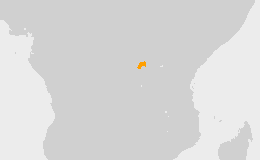
Las afiliadas de la CSI en Rwanda son la Centrale des Syndicats des Travailleurs du Rwanda (CESTRAR) y el Congrès du Travail et de la Fraternité au Rwanda (COTRAF).
Ruanda ratificó el Convenio nº 87 sobre la libertad sindical y la protección del derecho de sindicación (1948) en 1988 y el Convenio nº 98 sobre el derecho de sindicación y de negociación colectiva (1949) en 1988.
según la ley
Libertad sindical / Derecho de sindicalización
Libertad sindical
El derecho a la libertad sindical está regulado por el Código de Trabajo
Discriminación antisindical
La ley no protege específicamente a los trabajadores/as frente a la discriminación antisindical
Barreras legales al establecimiento de organizaciones
- Poderes para rechazar el registro oficial por motivos arbitrarios, injustificados o ambiguos
- Para obtener el registro (un requisito previo indispensable para el estatus legal con vistas a la negociación colectiva) un sindicato debe poder demostrar que sus representantes no han sido condenados a ninguna pena de prisión de seis meses o más (artículo 3(5), Orden Ministerial No 11 del 07/09/2010).
- Otras formalidades o requisitos que retrasan en exceso o impiden considerablemente el libre establecimiento de una organización
- Las autoridades disponen de 90 días para completar la solicitud de registro de un sindicato (artículo 5, Orden Ministerial No 11 del 07/09/2010).
Restricciones al derecho de los sindicatos a organizar su administración
- Otras interferencias externas admitidas por la ley
- Los sindicatos que aspiren a obtener su reconocimiento como organización más representativa deberá autorizar a la administración del trabajo a inspeccionar sus registros de inscripción de afiliados así como sus propiedades (artículo 124, Código del Trabajo, 2009).
Categorías de trabajadores a quienes la ley prohíbe o restringe la posibilidad de formar o afiliarse a sindicatos, o de ocupar cargos sindicales
- Otros funcionarios y empleados públicos
- Todos los agentes de los servicios de seguridad quedan exentos del derecho a afiliarse a sindicatos (artículo 51, Ley sobre el Estatuto General de los Agentes de la Función Pública, 2013).
Derecho a la negociación colectiva
Derecho a la negociación colectiva
El derecho a la negociación colectiva está reconocido por la ley.
Obstáculos legales para el reconocimiento de los agentes de negociación colectiva
- Se requiere autorización o aprobación previa por parte de las autoridades para poder negociar colectivamente
- Un sindicato debe estar registrado para poder obtener estatus legal a efectos de la negociación colectiva y debe publicar sus Estatutos en el Boletín Oficial para obtener personalidad legal (artículo 1, Código del Trabajo, 2009; artículo 7, Orden Ministerial No 11 del 07/09/2010).
- Ausencia de criterios o criterios discrecionales, inciertos o poco razonables para determinar cuáles son las organizaciones más representativas
Restricciones al principio de negociación libre y voluntaria
- Procedimiento de arbitraje impuesto en caso de disputa durante una negociación colectiva, no sólo en los servicios esenciales
- El Gobierno puede intervenir en la solución de los conflictos laborales colectivos, dentro de los límites establecidos por una orden del Ministro de Trabajo que, en virtud del artículo 103 del Código del Trabajo de 2018, determina la organización, el funcionamiento de la inspección del trabajo y el procedimiento para la solución de los conflictos laborales. Esta orden no ha sido aprobada todavía.
Restricciones o prohibición de negociar colectivamente en algunos sectores
- Otros funcionarios y empleados públicos
- Todos los agentes de los servicios de seguridad quedan exentos del derecho a afiliarse a sindicatos (artículo 51, Ley sobre el Estatuto General de los Agentes de la Función Pública, 2013).
Derecho de huelga
Derecho de huelga
El derecho de huelga está regulado por el Código de Trabajo
Impedimentos legales a acciones de huelga legítimas
- Recurso obligatorio al arbitraje o a largos y complejos procedimientos de conciliación y mediación antes de iniciar una acción de huelga
- Se establece un proceso de conciliación y arbitraje en caso de conflictos colectivos, que puede durar más de dos meses (artículos 143-148, Código del Trabajo, 2013). El derecho de huelga tras este proceso se limita a dos únicas situaciones: i) cuando el comité de arbitraje no hubiera adoptado una decisión en el pazo de 15 días; o ii) cuando los acuerdos alcanzados en base al procedimiento de conciliación no se aplicasen (artículo 151, Código del Trabajo, 2013).
Limitaciones o prohibición de hacer huelga en algunos sectores
- Restricciones injustificadas para los funcionarios públicos
- La Ley Nº 86/2013 sobre el Estatuto General de la Administración Pública no contiene ninguna disposición que reconozca el derecho de los funcionarios públicos a la huelga.
- Determinación discrecional o lista excesivamente larga de «servicios esenciales» en los que el derecho de huelga queda prohibido o severamente restringido
- El Ministro de Trabajo dispone de amplios poderes discrecionales para determinar aquellos servicios que se consideran ‘indispensables’ y la manera en que podrá ejercerse el derecho de huelga en dichos servicios (artículo 155, Código del Trabajo, 2013).
En la Práctica
El sindicato del sector de la energía, el agua y el saneamiento de Rwanda SYPELGAZ, afiliado a la Internacional de Servicios Públicos (ISP), ha estado en los tribunales desde mayo de 2016 reclamando una indemnización adecuada para cinco miembros de su ejecutiva despedidos de manera improcedente, así como otros derechos laborales que se le han venido denegando durante mucho tiempo.
La cuestión se remonta a 2014, cuando el Gobierno de Rwanda decidió reformar la Autoridad de suministro de energía, agua y saneamiento (EWSA) y convertir este ente estatal en una empresa comercial. Por aquel entonces, casi todos los trabajadores de EWSA eran funcionarios públicos, de conformidad con la Ley No. 87/2013 que establece el Estatuto General de la Función Pública.
El proceso de privatización condujo a la división de la EWSA en dos compañías: Rwanda Energy Group (REG) y Water and Sanitation Corporation (WASAC). Los antiguos funcionarios fueron invitados a presentar nuevamente sus candidaturas para cubrir los puestos de trabajo, puesto que ambas compañías volvieron a considerar vacantes todos los puestos. Este proceso dio lugar al despido de 700 trabajadores, en su mayoría sindicalizados, entre ellos cinco dirigentes sindicales del SYPELGAZ.
El SYPELGAZ ha estado en los tribunales desde 2016 para reclamar una indemnización adecuada para los trabajadores despedidos improcedentemente, en particular los miembros de su ejecutiva.
De momento se han cerrado cerca de diez expedientes y los demandantes han recibido su indemnización, pero más de 100 casos siguen pendientes en los tribunales, incluido el caso de los miembros de la ejecutiva del SYPELGAZ. Los trabajadores solicitan: (1) una indemnización por despido irregular; (2) una regularización del salario basada en la nueva estructura salarial de marzo de 2013; (3) una regularización de la bonificación; (4) el pago de la promoción horizontal; y (5) la regularización de las cuotas finales. Pero de momento, en todos los casos, el tribunal ha desestimado las demandas relativas a la indemnización por despido improcedente, la regularización de la bonificación y la promoción horizontal.
El tribunal atendió el recurso de dos abogados de REG Ltd sobre una decisión tomada por el Tribunal de Nyarugenge (Kigali), el 27 de noviembre de 2017, reactivando algunos derechos pendientes que habían sido denegados a los trabajadores de la antigua EWSA.
Por ahora, se calcula que el paquete completo que se abonará a todos los trabajadores será de 9.000 millones RWF (8,5 millones EUR). El SYPELGAZ ha solicitado la intervención del Ministerio de Finanzas para el pago, pero REG y WASAC siguen oponiéndose a la decisión del tribunal.
El sindicato del sector de energía, agua y saneamiento de Rwanda, SYPELGAZ ha estado en los tribunales desde mayo de 2016 reclamando la debida compensación para cinco miembros de su ejecutiva, despedidos de manera improcedente.
La cuestión data de 2014, cuando el Gobierno de Rwanda decidió reformar la Autoridad de suministro energético, agua y saneamiento (EWSA), convirtiendo el ente estatal en una empresa comercial. Por aquel entonces, prácticamente todos los trabajadores de EWSA eran funcionarios públicos, en base a la Ley No. 87/2013 que establece los Estatutos Generales para el Servicio Público. El proceso de privatización desembocó en que EWSA se dividiese en dos compañías: Rwanda Energy Group (REG) para el sector de la energía, y Water and Sanitation Corporation (WASAC) para la distribución de agua y saneamiento; y se invitó a los antiguos empleados públicos a presentar nuevamente sus candidaturas para cubrir los puestos de trabajo, dado que todos los puestos en ambas compañías se consideraron vacantes. Este proceso derivaría en el despido de 700 trabajadores, en su mayoría sindicalizados, incluidos cinco de los dirigentes de SYPELGAZ.
SYPELGAZ inició un proceso judicial en mayo de 2016 para reclamar una compensación apropiada para los cinco miembros de su ejecutiva despedidos ilegalmente, así como varios otros derechos sindicales que les fueron denegados desde hacía tiempo. Tras escuchar los testimonios de ambas partes el 27 de noviembre de 2017, el Tribunal postergó su dictamen final sobre el caso hasta el 4 de junio de 2018.
En enero, la Comisión sobre Servicios Públicos revisó el informe fiscal nacional correspondiente a los años 2015-2016. Según los datos, el Gobierno perdió el 75 por ciento de las causas legales presentadas por los empleados contra sus empleadores del sector público. Según la presidencia de la Comisión, esa alta incidencia de violaciones reconocidas viene a demostrar el nivel de injusticia presente en el servicio público, y apunta a la falta de sanciones serias para aquellos empleadores que vulneren la ley en la gestión de su personal.
Seis docentes que trabajaban en la Escuela Privada Mweya en Rubavu fueron despedidos ilegalmente en febrero de 2013, sin preaviso alguno e ignorando el convenio colectivo vigente. La escuela adujo tener dificultades financieras pero no facilitó ningún informe de auditoría. Como resultado de ello, los trabajadores presentaron una queja ante el tribunal, que dictaminó a su favor en junio de 2014, ordenando a la institución escolar a pagarles una indemnización.