
Filipinas
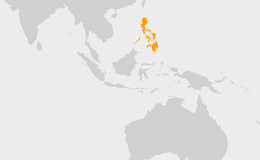
Las afiliadas de la CSI en Filipinas son la Federation of Free Workers (FFW), Kilusang Mayo Uno (KMU), Sentro ng mga Nagkakaisa at Progresibong Manggagawa (SENTRO) y el Trade Union Congress of the Philippines (TUCP).
según la ley
Libertad sindical / Derecho de sindicalización
Libertad sindical
El derecho a la libertad sindical figura consagrado en la Constitución, pero está estrictamente regulado.
Discriminación antisindical
La ley prohíbe la discriminación antisindical, pero no pevé medidas adecuadas de protección al respecto.
Barreras legales al establecimiento de organizaciones
- Para establecer un sindicato se requiere autorización o aprobación previa por parte de las autoridades
- El registro es necesario para adquirir personalidad legal (artículo 234, Código del Trabajo).
- Se requiere un número mínimo de miembros excesivo para establecer un sindicato
- El sindicato tiene que demostrar que cuenta con el apoyo de al menos el 20 por ciento de la unidad de negociación para poder obtener su registro (artículo 234, Código del Trabajo). El requisito asciende al 30 por ciento en los sectores cubiertos por las Regulaciones de los Empleados del Gobierno y deberán facilitarse a la Oficina del Trabajo los nombres de todos los miembros de todos los miembros del sindicato.
- Restricciones al derecho de los sindicatos a establecer ramas, federaciones y confederaciones o a afiliarse a organizaciones nacionales e internacionales
- Las federaciones deben contar con al menos diez sindicatos locales, cada uno de los cuales tiene que haber concluido un convenio colectivo (artículo 237 Código del Trabajo). Debe facilitarse una lista de todos los miembros junto con la solicitud de registro.
Restricciones al derecho de los sindicatos a organizar su administración
- Restriciones al derecho a elegir representantes y autoadministrarse con plena libertad
- Las Regulaciones que rigen el derecho de sindicalización para los empleados del Gobierno son excesivamente prescriptivas en respecto a la manera en que un sindicato organiza sus asuntos. Por ejemplo, los procesos electorales, los temas incluidos en los convenios colectivos, y los regímenes de cuotas figuran detallados en dichas Regulaciones.
- Restricciones a la libertad para organizar libremente actividades y formular programas
- La recepción de asistencia extranjera a sindicatos queda supeditada a la obtención de un permiso previo de la Secretaría de Trabajo.
- Las autoridades administrativas están capacitadas para tomar unilateralmente la decisión de disolver, suspender o retirar el registro a organizaciones sindicales
- Cualquier enmienda a los Estatutos debe comunicarse a la Oficina del Trabajo en el plazo de 30 días, de lo contrario podría cancelarse el registro del sindicato (artículo 239, Código del Trabajo).
- Otras interferencias externas admitidas por la ley
- Existen requisitos excesivos para la recopilación y el procesamiento de datos financieros, como por ejemplo la necesidad de declaraciones firmadas acompañando cada recepción de cuotas de afiliación (artículo 241, Código del Trabajo).
Categorías de trabajadores a quienes la ley prohíbe o restringe la posibilidad de formar o afiliarse a sindicatos, o de ocupar cargos sindicales
- Otros funcionarios y empleados públicos
- Varios funcionarios públicos, incluidos los guardias de prisiones y los bomberos, no tienen derecho a formar sindicatos ni a afiliarse a ellos.
- Trabajadores/as migrantes o no nacionales
- Los no nacionales o los migrantes únicamente pueden afiliarse a sindicatos si su país de origen se lo permite a los migrantes filipinos (artículo 269, Código del Trabajo).
- Personal directivo y de supervisión
- Los cargos directivos no pueden afiliarse a sindicatos. Los supervisores pueden afiliarse a sus propias organizaciones, pero no a sindicatos generales de trabajadores (artículo 245, Código del Trabajo).
- Trabajadores/as temporales / contratados
- Los trabajadores temporales no tienen derecho a unirse y formar sindicatos.
Otras restricciones
- Otras restricciones
- La Ley de la República 11479 de 2020 (o Ley contra el terrorismo) fue firmada por el Presidente Duterte el 3 de julio de 2020 y sustituyó efectivamente a la Ley de seguridad humana de 2007 el 18 de julio de 2020. Esta ley socava gravemente las libertades civiles y pone en peligro los derechos en el trabajo al someter a los trabajadores, los activistas sindicales y otros agentes y defensores de los derechos humanos a la presión de la policía, el ejército y otras fuerzas de seguridad y los expone a más detenciones arbitrarias, ataques indiscriminados y sin fundamento, acoso, intimidación y asesinatos. En virtud del artículo 4 de la ley, el "terrorismo" se define en términos extremadamente amplios, incluidos los actos que ocasionan cualquier daño a una instalación pública, una propiedad privada y una infraestructura o que intimidan al público. Esto podría poner a los trabajadores y a sus representantes en peligro de quedar atrapados bajo esa definición tan amplia cuando participen en actividades sindicales pacíficas y legítimas. El artículo 9 de la Ley tipifica como delito las personas que expresan una opinión u otras formas de expresión a favor de presuntos terroristas. Habida cuenta de la definición excesivamente amplia de terrorismo, esta disposición podría utilizarse para restringir la defensa y la expresión de los sindicatos. El apartado c) del artículo 3 autoriza al Gobierno a realizar entregas extraordinarias mediante el traslado de presuntos terroristas o partidarios a una nación extranjera para su encarcelamiento e interrogatorio. Una vez más, esta sección puede socavar las libertades civiles y exponer a los sindicalistas al peligro, dada la muy amplia definición de terrorismo. Además, el artículo 29 deniega a las personas sospechosas de terrorismo la protección de una orden de detención.
Derecho a la negociación colectiva
Derecho a la negociación colectiva
El derecho a la negociación colectiva está reconocido por la ley.
Obstáculos legales para el reconocimiento de los agentes de negociación colectiva
- Se requiere autorización o aprobación previa por parte de las autoridades para poder negociar colectivamente
- Se requiere una representatividad excesiva o un número mínimo de miembros para poder negociar colectivamente
- El sindicato debe demostrar que cuenta con el apoyo de la mayoría de los miembros en una unidad de negociación (artículo 231, Código del Trabajo)
Restricciones al principio de negociación libre y voluntaria
- Procedimiento de arbitraje impuesto en caso de disputa durante una negociación colectiva, no sólo en los servicios esenciales
- Las autoridades pueden intervenir en la conclusión de convenios colectivos
Restricciones respecto al ámbito de aplicación y la efectividad legal de los convenios colectivos negociados
- Restricciones en cuanto a la duración, el ámbito de aplicación o la cobertura de los convenios colectivos
- La duración de los convenios está limitada a cinco años, aunque algunos términos pueden renegociarse después de apenas tres años (artículo 253A, Código del Trabajo).
- Se requiere la aprobación de las autoridades respecto a convenios colectivos concluídos libremente
- Se aplican gastos de registro para los convenios (Código del Trabajo, artículo 231).
Restricciones o prohibición de negociar colectivamente en algunos sectores
- Otros funcionarios y empleados públicos
- Los empleados del Gobierno tienen una ley de negociación mucho más estricta.
Derecho de huelga
Derecho de huelga
El derecho de huelga está reconocido por la ley pero estrictamente regulado.
Impedimentos legales a acciones de huelga legítimas
- Se requiere una representatividad excesiva o un número mínimo de miembros para organizar una huelga legal
- Únicamente aquel sindicato que haya negociado previamente un convenio colectivo con el empleador podrá hacer huelga (artículo 264, Código del Trabajo).
- Requisito de un quórum excesivo o de obtener una mayoría excesiva en una votación para poder convocar una huelga
- Es necesario contar con el apoyo de la mayoría de todos los trabajadores, no sólo la mayoría de los votos emitidos (Código del Trabajo, artículo 263).
- Plazo de notificación previa / período de reflexión excesivamente largo
- 30 días en caso de que se bloqueen las negociaciones (artículo 263, Código del Trabajo).
- Recurso obligatorio al arbitraje o a largos y complejos procedimientos de conciliación y mediación antes de iniciar una acción de huelga
- Es necesario haber agotado todos los medios de conciliación antes de convocar una huelga.
Prohibición o restricciones para ciertos tipos de acción de huelga
- Restricciones respecto al objetivo de una huelga (por ej. disputas industriales, cuestiones económicas y sociales, políticas, de simpatía o solidaridad)
- Las huelgas derivadas de disputas inter-sindicales están prohibidas (artículo 263, Código del Trabajo).
Injerencia indebida por parte de las autoridades o los empleadores durante el transcurso de una huelga
- Las autoridades o los empleadores están capacitados para prohibir, limitar, suspender o cesar unilateralmente una acción de huelga
- El Ministro de Trabajo puede ‘asumir la jurisdicción’ sobre huelgas y conflictos laborales, prohibiendo de manera efectiva la acción y pudiendo imponer sanciones civiles y penales, si guardan relación con alguna industria considerada indispensable para los intereses nacionales (artículo 263.7, Código del Trabajo).
- Las autoridades o los empleadores están capacitados para prevenir o poner fin a una huelga remitiendo el conflicto al arbitraje
- Si el Secretario de Trabajo y Empleo considera que la industria afectada por la huelga resulta "indispensable para los intereses nacionales", puede imponer un arbitraje y obligar a los huelguistas a volver al trabajo.
- Requisamiento forzoso de los huelguistas (aparte de ciertos casos en los servicios esenciales)
Disposiciones que socavan el recurso a acciones de huelga o su eficacia
- Excesivas sanciones civiles o penales contra los trabajadores/as y sindicatos involucrados en acciones de huelga no autorizadas
- La legislación prevé sanciones desproporcionadas en caso de participación en una huelga ilegal. Los líderes sindicales pueden ser despedidos y condenados a penas de hasta tres años de prisión. Se puede condenar a cadena perpetua a las personas que hayan organizado o dirigido una reunión celebrada "con el fin de hacer propaganda en contra del gobierno". El término "reunión" cubre la formación de piquetes de huelga.
- Sanciones excesivas en caso de daños ocasionados por acciones de huelga
Limitaciones o prohibición de hacer huelga en algunos sectores
- Restricciones injustificadas para los funcionarios públicos
- Las huelgas de empleados del Gobierno quedan sometidas a procedimientos de mediación y arbitraje (Norma XVII de las Normas y Regulaciones enmendadas que rigen el ejercicio del derecho de sindicalización para los empleados del Gobierno).
- Determinación discrecional o lista excesivamente larga de «servicios esenciales» en los que el derecho de huelga queda prohibido o severamente restringido
- La Orden Nº 40-H-13 establece una extensa lista de industrias de interés nacional que va más allá de la definición limitada de servicios esenciales contemplada en las normas de la OIT.
En la Práctica
En diferentes zonas económicas especiales y zonas francas de Luzón Central se está aplicando un nuevo “programa de relaciones comunitarias” de la Policía Nacional de Filipinas (PNP, por sus siglas en inglés), en asociación con la Autoridad de las Zonas Económicas de Filipinas. Según las autoridades, el programa funciona como “primera línea de defensa contra la infiltración de trabajadores radicales” y tiene por objeto “impedir que los grupos laborales militantes organicen sindicatos de trabajadores en fábricas y demás establecimientos comerciales".
Los sindicatos de Filipinas dicen que eso no va a ser más que una herramienta de represión contra la clase obrera filipina, sobre todo en las zonas industriales de Luzón Central”. También denuncian el despliegue de policías de la PNP en las zonas económicas como elemento disuasorio contra la “infiltración laboral radical”, afirmando que la medida tiene por objetivo “señalar” (red-tag) a los sindicatos legítimos de trabajadores.
Los sindicatos también han solicitado al secretario de Trabajo, Silvestre Bello III, que “haga algo para acabar con el nuevo ataque de la PNP contra los sindicatos del país”. Señalan que, en lugar de promover y proteger los derechos laborales básicos de todos los trabajadores y trabajadoras filipinos a afiliarse y formar sindicatos en sus lugares de trabajo, la PNP está vulnerando claramente esos derechos y exponiendo abiertamente la postura antisindical de su institución.
Un coordinador provincial del sindicato Alliance of Concerned Teachers (ACT) fue detenido en el marco de una nueva ofensiva contra los sindicatos y las organizaciones de la sociedad civil del país. Las operaciones de represión no cesan, y el ACT teme que otros de sus afiliados puedan ser blanco de los ataques. El sindicato tuvo que cerrar temporalmente una oficina para garantizar la seguridad de su personal, miembros y delegados.
El clima antisindical bajo el régimen de Duterte ha hecho que sindicalistas, profesores y académicos teman por sus derechos y su seguridad. Raymond Basilio, secretario general del ACT, ha recibido múltiples amenazas de muerte desde enero de 2019. El sindicato de docentes está señalado por el Gobierno. Los activistas sindicales son fichados ilegalmente por la Policía Nacional de Filipinas y sus nombres son incluidos en listas de “terroristas”. Dos docentes del ACT fueron recientemente heridos a tiros en su aula por unos hombres enmascarados en presencia de sus alumnos.
La Internacional de la Educación (IE) y la Confederación Sindical Internacional (CSI) están profundamente preocupadas por los últimos acontecimientos que están deteriorando aún más la situación de los derechos humanos y sindicales de los trabajadores y trabajadoras de Filipinas.
El 4 de marzo de 2019, 141 trabajadores temporales de una planta de cemento de Davao, propiedad de la multinacional suiza Lafarge-Holcim, fueron despedidos en lo que la federación sindical mundial Internacional de Trabajadores de la Construcción y la Madera (ICM) describió como un claro ejemplo de represión sindical.
Los trabajadores temporales carecen del derecho a negociar colectivamente junto a los trabajadores fijos, y tampoco disfrutan de otras muchas prestaciones, como vacaciones anuales y seguridad social, ni siquiera cuentan con disposiciones básicas en materia de salud y seguridad.
Con la ayuda del sindicato Davao Holcim Employees Workers Union –Sentro ng mga Nagkakaisa at Progresibong Manggagawa (DAHEWU-SENTRO), estuvieron exigiendo un empleo estable, de conformidad con la ley filipina. En febrero de 2019, representantes del sindicato y de la ICM se reunieron con representantes de la dirección en la planta de Davao para recalcar la importancia de proteger los derechos de los trabajadores durante cualquier posible venta de activos, y recordarles la necesidad de tomar medidas para regularizar los contratos de los trabajadores temporales.
Poco después de esa reunión se produjeron los despidos. El empleador ofreció entonces a 59 de esos trabajadores (seleccionando a los no sindicalizados) un contrato adicional de dos años en la planta de Holcim, pero 18 rechazaron la oferta.
El 6 de marzo, 80 trabajadores comenzaron a hacer piquetes en la fábrica, exigiendo a Holcim una relación de empleo directo en lo referente a los términos del convenio colectivo y la indemnización. Para mayo continuaban los piquetes, y el Primero de Mayo fueron violentamente atacados por un grupo de matones. El sindicato está convencido de que Holcim es el responsable del ataque. Días después supieron que Lafarge-Holcim estaba planeando vender la fábrica al conglomerado filipino San Miguel, famoso por su predisposición antisindical.
Los problemas continuaron y, el 12 de diciembre, la ICM y la SENTRO interpusieron una denuncia contra Lafarge-Holcim por su falta de respeto a los derechos de los trabajadores de la planta de Davao.
Reynaldo Malaborbor, líder sindical y organizador comunitario, fue asesinado el 4 de noviembre de 2019. Recibió varios disparos en la cabeza a manos de un hombre no identificado mientras paseaba con su esposa a las 9:30 p.m., cerca de su domicilio, en Barangay Banay-banay. La policía dijo que el pistolero se las arregló para huir del lugar del crimen a pie.
Malaborbor fue durante mucho tiempo activista y colaboró con varias organizaciones sindicales. Antes de convertirse en activista de los campesinos, Malaborbor fue presidente de un sindicato en Universal Robina Corporation de Calamba y organizador de Trade Unions of the Philippines – February Six Movement. También fue coordinador de Makabayan Southern Tagalog durante las elecciones de 2019.
Fue uno de los tres campesinos detenidos en 2010 y acusados por el ejército de posesión ilegal de armas de fuego y explosivos. Pasó cinco años detenido hasta que, en 2015, el caso se desestimó.
Pagkakaisa ng Manggagawa sa Timog Katagalugan-Kilusang Mayo Uno (PAMANTIK-KMU) ha condenado este asesinato, que parece inscribirse en lo que diversos grupos de derechos humanos han calificado de “represión masiva” contra las organizaciones progresistas bajo la Administración del presidente Rodrigo Duterte.
El 31 de octubre de 2019, 57 personas fueron detenidas durante una serie de redadas simultáneas efectuadas por las fuerzas militares y policiales contra sindicatos, grupos de la sociedad civil, activistas de derechos humanos y agrupaciones de mujeres.
Entre los grupos objeto de las redadas se encontraban la central sindical nacional Kilusan Mayo Uno (KMU) y la federación nacional de trabajadores del azúcar National Federation of Sugar Workers (NFSW).
También se llevó a cabo una redada en el edificio de los trabajadores de autobuses que estaban celebrando una reunión sindical en la ciudad de Bacolod, capital de la provincia de Negros Occidental. En otras partes de la ciudad, ocho personas, entre ellas cuatro niños, fueron retenidas a punta de pistola por la policía. Testigos presenciales declararon que varios hombres vestidos de paisano entraron en la propiedad y plantaron armas de fuego. Los 43 adultos arrestados fueron acusados de posesión ilegal de armas de fuego.
Entre los detenidos también estaba Mary-Anne Krueger, organizadora de la asociación de trabajadores BIEN de la ciudad de Bacolod. Su domicilio, donde vive con su pareja, Michael de la Concepcion, y cinco niños pequeños, fue allanada a las 9.00 p.m. por la policía filipina armada. En la orden de registro se mencionaba el nombre de Michael de Concepcion, pero este no se encontraba en el domicilio en el momento de la redada. Según testigos presenciales, varios hombres vestidos de paisano entraron en la propiedad con un grupo de agentes de la policía militar y plantaron dos pistolas y ocho balas, que posteriormente utilizaron como pretexto para efectuar el arresto.
El 5 de octubre de 2019, la dirección de la planta de Coca-Cola de la ciudad de Bacolod celebró una reunión para que todos los empleados denunciaran al sindicato de la planta como una organización subversiva, en el marco de una campaña de difamación denominada red-tagging. Al tachar a los sindicatos de organizaciones subversivas o terroristas, las autoridades exponen a sus miembros a la violencia y la represión, al tiempo que siembran el miedo entre los miembros para que abandonen el sindicato.
En la reunión del 5 de octubre, el personal de seguridad de la planta, acompañado por dos hombres que se identificaron como agentes de policía, presentaron a un tal Ka Tom Mateo, que se identificó como ex insurgente armado y actual informante del presidente con el apoyo de los servicios de inteligencia. Dijo que el sindicato reconocido era una organización subversiva, criticó el convenio colectivo y la estructura de cuotas del sindicato, e instó a los miembros a renunciar a su afiliación a la Federation of Coca Cola Unions (FCCU) y a la central sindical nacional progresista SENTRO.
El 17 de octubre, dos hombres que se identificaron como oficiales militares visitaron el domicilio de un delegado electo del sindicato Bacolod City Coca-Cola que trabaja en la fábrica. Según su testimonio jurado, los hombres mencionaron la reunión del 5 de octubre y a Ka Tom Mateo, denunciaron el sindicato, le ofrecieron su cooperación y le animaron a reemplazar al presidente del sindicato local. Le preguntaron por qué el presidente del sindicato había participado en la reunión mundial de la UITA con la dirección internacional de Coca-Cola Company en septiembre de 2018, y le amenazaron con los métodos que utiliza el Gobierno para silenciar a los alborotadores. Las amenazas se toman en serio en Filipinas, donde muchos dirigentes sindicales y demás representantes de organizaciones consideradas opuestas al Gobierno han perdido su libertad e incluso la vida desde la llegada de Duterte al poder.
El 15 de octubre, Zhaydee Cabañelez, miembro activa del sindicato de docentes Alliance of Concerned Teachers (ACT), recibió seis tiros a manos de cuatro hombres enmascarados, quedando en estado crítico con dos heridas de bala en el pecho y dos en los pies.
El ataque se produjo sobre las 8:00 a.m. en la escuela de primaria Dalet Elementary School en Barangay Lumbayao, ciudad de Valencia, Bukidnon, con testigos presenciales, entre ellos varios alumnos de la escuela. Cabañelez había ganado el premio al maestro destacado Outstanding Teacher de 2016 en su comunidad, otorgado por el Ministerio de Educación, y era también una miembro muy activa del sindicato. Su marido, Ramil Cabañelez, se encontraba en el aula en el momento del ataque y los hombres también dispararon hacia él, pero consiguió escapar ileso.
El ataque se produjo en un momento en que los docentes se encontraban más fuertes y unidos para reclamar un aumento salarial sustancial. Tras varios meses de red-tagging (campaña de difamación por la cual cualquier individuo que critique al Gobierno es acusado de ser un comunista “peligroso”), así como de amenazas y acoso, el ACT señaló en una declaración que este había sido el peor ataque contra el sindicato.
El calvario de la docente no terminó ahí. Zhaydee fue llevada al hospital para que le trataran las heridas, pero, según el ACT, ella y su marido permanecieron retenidos como rehenes en la habitación del hospital y no se les permitía recibir visitas. El 23 de octubre, ocho agentes de la policía apostados en el hospital impidieron que varios miembros del ACT y del personal de la Comisión de Derechos Humanos efectuaran una visita solidaria. En cambio, la policía sí que permitió el acceso a un periodista de una agencia de noticias del Gobierno. La pareja informó posteriormente a su sindicato que el periodista había publicado información errónea sobre ellos tras haber manipulado sus declaraciones.
La policía parecía estar centrada en mantener a las dos víctimas aisladas, en lugar de investigar e identificar a los perpetradores del crimen. Los padres de los alumnos señalaron que la policía ni siquiera se había personado en la escuela.
El 12 de septiembre de 2019, Ophelia Tabacon, profesora de la escuela de enseñanza primaria Camaman-an Elementary School de la ciudad de Cagayán de Oro, y afiliada al sindicato Alliance of Concerned Teachers (ACT), descubrió pegados en la pared unos folletos en los que aparecía su fotografía y las de otros defensores de los derechos humanos, y en los que se la calificaba de “maestra comunista” y se le acusaba de lavarles el cerebro a los niños para convertirlos en comunistas. En los folletos también se acusaba al hijo de Ophelia, Sigfyl Tabacon, de ser un líder del Nuevo Ejército Popular (NPA, por sus siglas en inglés) junto con su nuera, Kristin Lim.
Las acusaciones que figuraban en el folleto se inscriben en un proceso denominado red-tagging, por el cual cualquier individuo considerado de izquierdas o crítico del Gobierno es etiquetado de comunista y terrorista peligroso. A algunas de las personas que aparecían en los folletos se les acusaba de falsos cargos de asesinato múltiple, intento de asesinato y otros delitos relacionados con las actividades del NPA. La propia Ophelia Tabacon se enfrentaba a falsos cargos de provocación de incendios, secuestro y robo por su presunta participación en una redada de la NPA en Sibagat. Ophelia Tabacon nunca ha estado en Sibagat ni ha participado en semejantes actividades.
El hecho que Ophelia esté acusada de ser una combatiente del NPA pone en peligro su vida al convertirla en un blanco de las ejecuciones extrajudiciales. Poco después de que aparecieran los folletos con su fotografía, recibió una nota dentro de un paquete con más folletos (disimulados como material para un seminario al que estaba asistiendo) con una amenaza de muerte del grupo Anti-Communist Terrorist Vigilante (ACTIV).
El 19 de agosto de 2019, aproximadamente a las 11:30 a.m., agentes de la Policía Nacional de Filipinas dispersaron los piquetes de Peerless Products Manufacturing Corporation (Pepmaco) en Calamba, Laguna, y arrestaron a 18 trabajadores.
Según el sindicato Pagkakaisa ng Manggagawa sa Timog Katagalugan (Pamantik-KMU), los policías obligaron a los trabajadores a subir a una camioneta policial y se los llevaron a la Prisión de la Ciudad de Calamba, sin explicarles de qué se les acusaba. Fueron retenidos durante la noche y puestos en libertad al día siguiente.
Los trabajadores de Pepmaco estaban en huelga desde el 24 de junio para reclamar la regularización de su contrato, mejores horarios y unas condiciones de trabajo seguras, y ya habían sido víctimas de violentos ataques a manos de matones a sueldo. El conflicto continúa.
Diecisiete trabajadores se enfrentaron a una serie de acusaciones tras la violenta dispersión de una huelga que tuvo lugar el 6 de julio en una fábrica dirigida por el gigante de los condimentos NutriAsia, en la ciudad de Cabuyao, Laguna.
Cerca de 400 trabajadores participaron en la huelga, convocada para insistir en las demandas de regularización de los trabajadores. En julio de 2017 el Ministerio de Trabajo y Empleo (DOLE) ordenó a la empresa que ofreciera a sus 714 trabajadores temporales un contrato fijo, pero esta ha venido ignorando sistemáticamente la orden. Los trabajadores también protestaban por la deducción ilegal de salarios, las horas extraordinarias obligatorias, la remuneración insuficiente por las horas extraordinarias, el acoso y la falsificación de causas abiertas, en particular contra miembros del sindicato.
La huelga empezó cerca de las 5.30 am. Cuatro horas más tarde, un grupo de fuerzas de la Policía Nacional Filipina, guardias de seguridad de NutriaAsia y matones a sueldo atacaron a los huelguistas. Los matones y los guardias de seguridad utilizaron una excavadora para abrir por la fuerza la puerta de la planta y lanzaron piedras a los trabajadores que mantenían su huelga en el interior de la planta. La policía utilizó porras y escudos para atacar a los trabajadores. En medio de la conmoción, la policía arrestó a 17 trabajadores en huelga, entre ellos Reyniero Maarat, presidente del sindicato KASAPINA-OLALIA-KMU, y Jennifer Lagaya, vicepresidenta de educación del sindicato.
A raíz de las denuncias presentadas por la policía y los guardias de seguridad de la empresa, los 17 trabajadores en huelga de NutriAsia arrestados fueron llevados a la comisaría de policía de Cabuyao y posteriormente acusados de incendio premeditado, detención ilícita grave y leve, conducta maliciosa, robo, coacción grave y hurto.
En la madrugada del 28 de junio de 2019, varios hombres enmascarados atacaron a los trabajadores en huelga de Peerless Products Manufacturing Corporation (Pepmaco), en Laguna, dejando un balance de 11 heridos.
El sindicato Pepmaco Workers Union anunció que cientos de matones “enmascarados y con todo el equipo de combate” se presentaron en dos furgonetas y furgones contenedores y se abalanzaron sobre los dos campamentos de huelguistas cuando la mayoría estaba descansando o durmiendo. Utilizaron porras y les lanzaron chorros de agua, según declaraciones del sindicato. También les lanzaron piedras, según los huelguistas. La mayoría de los trabajadores sufrieron heridas en la cabeza y tuvieron que ser trasladados a un hospital cercano.
El sindicato se formó después de que Pepmaco despidiera a 36 trabajadores contratados a través de agencia en enero de 2019, y la empresa tenía previsto despedir a otros 200. Los trabajadores respondieron organizándose con la ayuda del sindicato de trabajadores del metal Metalworkers Alliance of the Philippines (MWAP), y el 29 de enero registraron el sindicato Pepmaco Workers Union.
“El empleador respondió despidiendo a los principales dirigentes sindicales, y otros 148 trabajadores fueron despedidos cuando se negaron a hacer horas extraordinarias”, informó el MWAP.
El sindicato inició la huelga el 24 de junio en protesta por los despidos masivos y por los contratos temporales, la represión sindical, los bajos salarios, las jornadas de 12 horas, las semanas laborales de siete días y las condiciones de trabajo inseguras.
También había problemas de salud y seguridad en la planta, que fabrica detergentes, pasta de dientes, suavizante para ropa y champú. Para ilustrar estas preocupaciones, el sindicato publicó fotos de trabajadores con lesiones cutáneas a causa de los fuertes productos químicos utilizados en la fabricación de productos de la empresa.
El sindicalista Dennis Sequeña fue asesinado a tiros el 2 de junio de 2019 durante una reunión con un grupo de trabajadores en Barangay Bunga, municipio de Tanza, provincia de Cavite. Le disparó un hombre armado que llegó en una motocicleta conducida por un segundo hombre. El pistolero y su cómplice huyeron utilizando la misma motocicleta. Los compañeros trasladaron a Sequeña al hospital General Trias Maternity and Paediatric Hospital, pero los médicos no consiguieron reanimarle.
Sequeña era sindicalista, miembro activo del Comité de Libertad Sindical (CLS) de la coalición de centrales sindicales Nagkaisa Labour Coalition y del (DOLE)-Nagkaisa Technical Working Group on FOA desde 2018. También fue candidato por la lista del partido laborista (Partido Manggagawa) en las elecciones. Ayudaba a los trabajadores de Cavite que tenían problemas laborales y asesoraba a los trabajadores que se estaban organizando para conseguir mejores salarios y condiciones de trabajo.
Con su asesinato, el número total de defensores de los derechos laborales asesinados bajo la Administración de Duterte asciende a 43.
En una reunión mantenida con la CSI en agosto, el Gobierno se comprometió a investigar los asesinatos de los 43 sindicalistas, pero para finales de noviembre no se había notificado ningún progreso y el Gobierno todavía no había aceptado la misión de la OIT al país. Mientras tanto, la violencia contra los sindicalistas sigue perpetrándose con impunidad.
La dirección de la empresa Daegyoung Apparel Inc. situada en la zona económica de Cavite, trató de socavar el nuevo sindicato de trabajadores. Daegyoung emplea a cerca de 1.000 trabajadores, en su mayoría mujeres.
Los trabajadores formaron su sindicato en abril de 2019 con el objetivo de resolver una serie de agravios, como la escasa remuneración, la falta de prestaciones, la precariedad laboral y las violaciones de las normas del trabajo. Tan pronto como la dirección tuvo conocimiento de la existencia del sindicato, los supervisores y los jefes de línea empezaron a hablar con los trabajadores para instarles a que retiraran su apoyo y desistieran de afiliarse al mismo.
Se les amenazó con el cierre de la empresa si el sindicato seguía reclamando cambios. El personal directivo les pidió abiertamente que firmaran una declaración antisindical en las líneas de producción y celebró una reunión en la cantina de la fábrica donde volvió a amenazar a los trabajadores con el cierre de la fábrica. Más tarde se les requirió que acudieran de dos en dos a las oficinas de la dirección, donde fueron sometidos a propaganda antisindical.
El sindicato presentó una solicitud de elecciones para la acreditación sindical, a lo cual la dirección se opuso inmediatamente mientras ofrecía una indemnización por despido a los trabajadores.
El sindicato solicitó la mediación del Ministerio de Trabajo y Empleo (DOLE). Tras la intervención del DOLE, la dirección acordó respetar el derecho de los trabajadores a la libertad sindical.
Raymond Basilio, secretario general del sindicato de docentes de Filipinas, Alliance of Concerned Teachers (ACT), recibió amenazas de muerte en su teléfono móvil personal durante una rueda de prensa del ACT celebrada el 11 de enero de 2019.
La rueda de prensa se había convocado para denunciar el acoso y las amenazas constantes que sufren los miembros y dirigentes del sindicato. La persona que le llamó por teléfono, que parecía conocer los datos personales de Basilio y de su familia, afirmó que se había dado la orden de asesinarle, a menos que accediera a cooperar respecto a una serie de demandas.
El ACT también tuvo conocimiento de que la Policía estaba estableciendo perfiles de sus afiliados de manera ilegal. En una reunión de solidaridad celebrada en Manila el 21 de febrero, el ACT informó de 34 casos registrados de elaboración de perfiles policiales, vigilancia y acoso de sindicalistas docentes en diez regiones del país. Un memorándum filtrado del Distrito Policial de Manila reveló que la Policía había recibido órdenes de realizar un “inventario” de todos los profesionales de la educación que fueran miembros del ACT.
En una entrevista de prensa, France Castro, representante del ACT, declaró: “Los miembros del ACT temen que se produzcan nuevos acosos, intimidaciones, presentación de acusaciones falsas y amenazas de muerte a raíz de los perfiles elaborados por la Policía Nacional de Filipinas”.
Más tarde, en una reunión del Consejo Ejecutivo de la Internacional de la Educación celebrada del 2 al 4 de abril de 2019, Raymond Basilio explicó: “Un día, un hombre se acercó a mí y me dijo: ‘Tú eres el siguiente’”. Y añadió: “Ya no puedo dormir en mi propia cama, no puedo ver a mi familia ni ir a la oficina del sindicato, donde probablemente me estén esperando agentes del orden público. Tengo que cambiar mi correo electrónico y mis contactos cada dos semanas como mínimo”.
El 19 de marzo de 2019, Eugene Garcia, presidente del sindicato de trabajadores de Pioneer Float Glass Manufacturing Inc. (PFGMI), descubrió al llegar a su domicilio que la policía acababa de efectuar un registro. La policía de Pasig afirmó haber encontrado una pistola automática en el interior del domicilio y le acusó de posesión ilegal de armas de fuego. Garcia negó con vehemencia la acusación e insistió en que el arma había sido plantada allí por la policía. Dedujo que se le estaba acusando falsamente por su actividad sindical y por el conflicto laboral en el que estaba involucrado en ese momento.
Garcia y otros trabajadores tenían un juicio pendiente en la Junta Nacional de Conciliación y Mediación (NCMB, por sus siglas en inglés), y él se encontraba asistiendo a una audiencia de la Junta en el momento en que su casa fue registrada. El sindicato había entablado negociaciones colectivas con la dirección de PFGMI que acabaron en punto muerto. La empresa había ofrecido a los trabajadores que dimitieran a cambio de una indemnización por despido, pero Garcia y varios de sus compañeros sindicalistas rechazaron la oferta y optaron por seguir con el juicio contra la dirección de PFGMI.
Garcia fue el primer sindicalista residente en Manila detenido por falsos cargos después de la rueda de prensa de la Administración de Duterte del 13 de marzo y una serie de sesiones de información impartidas por la Agencia de Coordinación Nacional de Servicios de Inteligencia a varios organismos gubernamentales que calificaron la central sindical nacional Kilusang Mayo Uno (KMU), a la que está afiliado el sindicato de Garcia, de “organización comunista terrorista”, lo que forma parte de una táctica de difamación denominada red-tagging.
El 27 de febrero de 2019, un grupo de hombres armados no identificados sacaron a la fuerza de sus casas del Valle de Compostela al presidente del sindicato Musahamat Workers Labour Union (MLWU), Esperidion Cabaltera, al vicepresidente, Richard Genabe, y al secretario, Ronald Rosales.
Cabaltera y Genabe se habían visto anteriormente sometidos a acoso militar y habían presentado una denuncia en la comisaría de policía. El día antes de su arresto, varios agentes militares irrumpieron en su domicilio. Cabaltera y Genabe fueron trasladados al campamento de la 10ª División de Infantería de Mawab, Valle de Compostela, mientras que Rosales fue trasladado al 71º batallón de infantería del campamento del Ejército de Filipinas en Barangay Lahi, Pantukan.
Durante su detención, los líderes sindicales fueron obligados a firmar una confesión para limpiar sus nombres de una supuesta “lista militar”, afirmando que eran partidarios del Nuevo Ejército del Pueblo (NPA, por sus siglas en inglés). En realidad, simplemente habían estado dirigiendo el trabajo de su sindicato para mejorar las condiciones de trabajo y los salarios en la plantación bananera propiedad de la granja Musahamat. Musahamat es una multinacional con sede en Kuwait que se dedica a la exportación de plátanos y otras frutas. No era la primera vez que se enfrentaban a este tipo de acoso. El sindicato denunció en 2016 una campaña de difamación contra ellos, que vinculaba al sindicato con el NPA.
Los soldados les dijeron que el motivo de su detención era su afiliación a la central sindical nacional Kilusang Mayo Uno (KMU), que había sido “etiquetada” como organización terrorista y como partidaria del NPA. Los tres sindicalistas fueron puestos en libertad al día siguiente después de firmar sus “confesiones”.
Esperedion Cabaltera, presidente del sindicato de trabajadores agrícolas Musahamat Farm Workers Union, afiliado a la central sindical Kilusang Mayo Uno, y su vicepresidente, Richard Genabe, fueron arrestados y detenidos de forma arbitraria en el municipio de Mawab, mientras el secretario general del sindicato, Ronaldo Rosales, permanecía retenido en contra su voluntad por las Fuerzas Armadas de Filipinas en Pantukan. En marzo de 2016 el sindicato, que representa a más de 200 trabajadores de plantaciones bananeras, denunció ante el Ministerio de Trabajo y Empleo (DOLE) las prácticas laborales injustas que empleaba la dirección de Musahamat Farms Inc., en particular, tácticas antisindicales, suspensión y despido ilegal de delegados sindicales y retención de las cuotas sindicales.
“Recibimos informes iniciales de que los tres delegados sindicales habían sido ilegalmente arrestados por dudosas alegaciones de ser líderes comunistas. Condenamos enérgicamente la campaña de difamación (red-tagging) y las detenciones ilegales de sindicalistas que se están llevando a cabo bajo la Administración de Duterte. La prórroga de la ley marcial en Mindanao no hace sino alimentar la campaña de difamación por parte del Ejército, lo que da lugar a graves violaciones de los derechos humanos y sindicales”, señala en una declaración Rochelle Porras, directora ejecutiva del instituto de educación e investigación laboral Ecumenical Institute for Labor Education and Research (EILER).
La documentación de las misiones de investigación llevadas a cabo por organizaciones independientes de derechos humanos y sindicales revela que los miembros del Ejército también fueron responsables de las torturas y el cruento intento de quemar a dos mineros en 2017. Los jóvenes trabajadores, a saber, Janry Mensis, que por aquel entonces tenía 22 años, y “Jerry” de 16, son miembros de la agrupación campesina Kahugpungan sa mga Mag-uuma sa Maco (KAMMAO) y se les acusó injustamente de formar parte del Nuevo Ejército del Pueblo (NPA, por sus siglas en inglés). Fueron llevados por la fuerza al campamento del 71º batallón de infantería de las Fuerzas Armadas, donde fueron torturados durante varios días. Finalmente lograron escapar de ser quemados vivos.
El EILER también condena la estigmatización de los sindicatos como frente legal del Partido Comunista de Filipinas, y la posterior calificación de organización terrorista en virtud de la Proclamación 374 y la estrategia de las Fuerzas Armadas a escala nacional. Esta iniciativa constituye una clara tentativa de criminalizar la labor legítima de los sindicalistas para promover sus intereses socioeconómicos.
El EILER hizo hincapié en que el derecho a la libertad sindical y el derecho a la reunión pacífica están consagrados en la Constitución de 1987 y reconocidos en los Convenios fundamentales de la OIT ratificados por Filipinas. El Ejército y la Policía deberían respetar estos derechos en todo momento.
Los trabajadores de Pulido Apparel Company Inc., proveedor de marcas mundiales de ropa, se declararon en huelga el 21 de enero de 2019 en protesta por la flagrante represión sindical por parte de la empresa.
Pulido Apparel había cerrado un mes antes sus instalaciones de San Luis, en Batangas, alegando dificultades financieras. Sin embargo, en enero, Pulido volvió a emplear en la misma fábrica a trabajadores con contratos de dos meses, incluyendo en una lista negra a los delegados y afiliados sindicales.
La fábrica de San Luis reanudó sus operaciones el 3 de enero de 2019, y, para finales de enero, había al menos 61 trabajadores empleados con contratos de dos meses. Todos los líderes y simpatizantes del sindicato siguen estando excluidos de las nuevas contrataciones y sus nombres figuran en la lista negra de la empresa.
Para resolver el conflicto, el sindicato solicitó una mediación preventiva ante el tribunal laboral. No obstante, la dirección de la empresa no se presentó a una audiencia de la Junta Nacional de Conciliación y Mediación, lo que dio lugar a la convocatoria de huelga.
La huelga fue organizada por el sindicato de base, TF-2, creado en junio de 2018 y posteriormente certificado por el Ministerio de Trabajo como el único y exclusivo agente de negociación. El sindicato reclamaba la reincorporación de todos los trabajadores, incluidos los activistas que participaron en la huelga y el piquete; y que las negociaciones colectivas tuvieran lugar lo antes posible.
La casa de Paul John Dizon, presidente de la organización sindical Nagkahiusang Mamumuo sa Suyapa Farms (NAMASUFA) ardió a las 2 a.m. del sábado 15 de diciembre en un presunto incendio provocado. La oficina de NAMASUFA y la casa del exlíder sindical Vicente “Boy” Barrios, situada detrás de la de Dizon, también quedaron destruidas en el incendio.
El sindicato está actualmente inmerso en un conflicto con el empleador Sumifru, una multinacional bananera japonesa con sede en la ciudad de Compostela. Los trabajadores de ocho de sus nueve plantas de envasado se declararon en huelga en septiembre y octubre tras el fracaso de las negociaciones para regularizar la situación laboral de los trabajadores de las plantaciones. La dirección regional de KMU ha condenado los ataques, describiéndolos como “un descarado intento de matar a sindicalistas y a sus familias”.
En el marco de una prolongada huelga en una planta de envasado, centenares de trabajadores empleados por Sumifru, una empresa japonesa de exportación de fruta situada en la ciudad de Compostela (provincia del Valle de Compostela), fueron víctimas de violencia y acoso por parte de la policía y las fuerzas de seguridad. Un afiliado sindical resultó muerto.
Los trabajadores en huelga, miembros de la agrupación sindical Nagkahiusang Mamumo sa Suyapa Farm - National Federation of Labor Unions - KMU (NAMASUFA-NAFLU-KMU), iniciaron el 1 de octubre de 2018 una serie de protestas y acciones para reclamar la formalización de su situación laboral, el reconocimiento de dicha agrupación, y su derecho a la negociación colectiva. Durante la prolongada huelga, varios activistas sindicales denunciaron graves violaciones de los derechos humanos, en particular ataques violentos e intimidación por parte de la policía y el ejército.
El 3 de octubre, los trabajadores en huelga fueron víctimas de violentos ataques por parte de oficiales del ejército y agentes de la policía. El 8 de octubre la policía y miembros del ejército ordenaron a los trabajadores abandonar los campamentos de la huelga. El 11 de octubre, efectivos militares y agentes de policía dispersaron violentamente las huelgas que se estaban llevando a cabo en varias plantas de envasado. Siete trabajadores resultaron heridos y cuatro trabajadores fueron detenidos, entre ellos Elizar Diayon, vicepresidente de NAMASUFA, y Errol Tan, miembro ejecutivo de NAMASUFA. La intervención militar se produjo a petición del Ministerio de Trabajo y Empleo (DOLE), que había intervenido en el conflicto alegando consideraciones de interés público.
A las 6 p.m. del 31 de octubre, en la ciudad de Compostela, Danny Boy Bautista, un cosechero de 31 años que había trabajado durante cinco años en la planta de envasado de Sumifru, recibió cuatro tiros a manos de un individuo armado no identificado. Bautista era miembro activo de NAMASUFA, y había sido el delegado del grupo desde el comienzo de la huelga en septiembre.
Los violentos ataques contra los trabajadores en huelga en Sumifru se inscriben en los múltiples intentos por parte de las fuerzas gubernamentales de reprimir la disidencia política en Filipinas. En febrero de 2019 el conflicto seguía sin resolverse.
El 20 de octubre de 2018, nueve trabajadores de la caña de azúcar en huelga, miembros de la federación nacional National Federation of Sugar Workers (NAMASUFA), fueron asesinados a tiros por un grupo de hombres no identificados mientras ocupaban una propiedad privada en Hacienda Nene en protesta por los retrasos de la reforma agraria y para reclamar mejoras en sus condiciones de vida y de trabajo. Los trabajadores fallecidos eran miembros de NAMASUFA, organización afiliada al sindicato nacional independiente Kilusang Mayo Uno (KMU), que fue el que organizó la protesta. Entre los asesinados había dos menores y tres mujeres.
El año pasado, las autoridades de Filipinas hicieron reiteradas declaraciones públicas acusando a los sindicatos afiliados a KMU de actuar como “tapaderas” de bandas ilegales armadas. En los últimos años se han producido en Filipinas una serie de ataques, redadas, arrestos y asesinatos de miembros de sindicatos afiliados a KMU y a otros sindicatos de izquierdas. Este ataque se produjo el 21 de octubre, una semana antes de que el presidente de Filipinas, Rodrigo Duterte, declarara que, en lo sucesivo, la ocupación de propiedades por parte de agricultores sería duramente castigada: “He dado a la policía la orden de disparar contra ellos. Si se resisten con violencia, disparen contra ellos, y si mueren, no me importa”.
En junio y julio de 2018, la policía y las fuerzas de seguridad dispersaron con violencia una serie de huelgas pacíficas organizadas por los trabajadores de la fábrica NutriAsia, el mayor productor de condimentos líquidos de Filipinas, ubicada en Marilao (Bulacán). Los trabajadores de la fábrica comenzaron la huelga el 2 de junio, tras el despido improcedente de 50 empleados. Los manifestantes reclamaban además la formalización de su situación laboral y el derecho a crear un sindicato. La mayor parte de los aproximadamente 1.400 trabajadores de NutriAsia están empleados a través de empresas subcontratistas, y apenas 100 trabajadores tienen una relación laboral formal con la empresa.
El 14 de junio, los trabajadores en huelga que habían organizado piquetes en la fábrica de NutriAsia fueron atacados por la policía y las fuerzas de seguridad. Veintiún trabajadores y varios manifestantes fueron arrestados. Habían sufrido heridas graves y la policía los detuvo durante una semana tras ser acusados de varios delitos, en particular asamblea ilegal. Posteriormente se retiraron la mayoría de los cargos. Los trabajadores reanudaron el piquete el 16 de junio, pero tres camiones cargados de policías se presentaron en el lugar y amenazaron con disparar contra los trabajadores y sus simpatizantes.
El 31 de julio, los trabajadores en huelga y sus simpatizantes volvieron a ser dispersados con violencia cuando participaban en una misa ecuménica que les habían organizado. Los guardias de seguridad empezaron a empujar con escudos policiales a cerca de 300 trabajadores y simpatizantes de NutriAsia que estaban sentados en la carretera. La policía y los guardias de seguridad detuvieron a 19, mientras obligaban a los organizadores del piquete a dispersarse. Entre los detenidos se encontraba el secretario general de Anakbayan, Einstein Recedes, y el secretario general de LFS, Mark Quinto.
El 30 de julio, Jessielou Cadungog, uno de los vicepresidentes de la central sindical Trade Union Congress of the Philippines (TUCP), sobrevivió a un intento de asesinato en Cebú. Al parecer, dos hombres armados en motocicleta tendieron una emboscada al vehículo en el que iba Cadungog. Su conductor y guardaespaldas, William Macaslang, disparó contra ellos en defensa propia, matando a uno de los asaltantes que posteriormente se descubrió que era un policía. Su cómplice fue detenido. La Policía Nacional de Filipinas en Cebú alegó que el incidente había sido una operación policial legítima contra el narcotráfico. Cadungog y Macaslang están siendo investigados por la muerte del policía.
Cadungog ha sido desde hace mucho tiempo líder sindical y participó en la creación del sindicato de trabajadores portuarios y en el establecimiento de la Oriental Port and Allied Services Corporation (OPASCOR), una de las mayores empresas del país cuyos propietarios son los trabajadores. Cadungog había sido recientemente elegido concejal de Barangay Tejero, en Cebú.
Este intento de asesinato plantea serias preocupaciones sobre los ataques contra activistas sindicales, la Administración Judicial de Filipinas y la capacidad de los trabajadores para ejercer libremente sus derechos de libertad sindical y de manifestación.
Los trabajadores de Furukawa Automotive Systems, que fabrica repuestos de automóvil para grandes marcas como Toyota, Suzuki y Nissan, en la ciudad de Lipá, al sur de Manila, están viendo denegado su derecho a la negociación colectiva. En enero de este año la mayoría de los trabajadores votaron a favor de ser representados por una sectorial de la Philippine Metalworkers Alliance (PMA), organización afiliada a IndustriALL. Cerca de 1.500 trabajadores, de una plantilla de 5.000, votaron a favor de crear un sindicato.
A pesar de que la PMA ganó la votación, otro sindicato respaldado por la empresa está retrasando el proceso de negociación colectiva mediante la presentación de un recurso ante el tribunal laboral en el que alega que también tiene afiliados en Furukawa. Hasta que no se resuelva la intervención de este sindicato, no se pueden entablar negociaciones sobre un convenio colectivo.
El 1 de diciembre de 2017, la policía de la ciudad de Quezón detuvo a George San Mateo, líder del sindicato de trabajadores del transporte PISTON, por una huelga que había organizado en febrero de 2017. Le acusaron de haber violado la Ley de Servicios Públicos.
Los conductores de “jeepneys” se habían declarado en huelga para protestar por los planes del gobierno de retirar progresivamente los “jeepneys” de más de 15 años para finales de año. El 17 y 18 de octubre celebraron otra huelga nacional. Entonces, el presidente Duterte acusó públicamente a PISTON, a la organización de derechos humanos Karapatan y al sindicato Kilusang Mayo Uno (KMU) de estar conspirando con rebeldes comunistas.
El momento en que se emitió la orden de detención se consideró sospechoso, ya que fue justo antes de que los líderes de los trabajadores del transporte se reunieran con la senadora Grace Poe, presidenta de la comisión del Senado sobre servicios públicos que criticó públicamente las detenciones.
Cinco días después, George San Mateo fue liberado tras pagar la fianza. Sin embargo, el enfrentamiento con el gobierno se recrudeció cuando el presidente Duterte advirtió de los riesgos que supondrían las nuevas protestas. El 12 de diciembre, Duterte declaró que utilizaría al ejército y la policía para disolver las protestas y amenazó con que los manifestantes deberían prepararse para enfrentarse a balas de goma y porras.
El Ministro de Transporte adoptó un enfoque más conciliador y sugirió que podría aplicarse un período de transición de tres años para retirar los vehículos más antiguos.
A finales de mayo de 2017, el sindicato Peninsula Employees Union organizó una acción sindical en el hotel Peninsula de Manila, después de que éste siguiera violando sus derechos y se negara a negociar de buena fe.
La dirección del hotel se negó a reincorporar a la líder del sindicato, Jenny Marcos, injustamente despedida en 2016 por sus actividades sindicales. Asimismo, se negó una y otra vez a acatar una orden gubernamental que le obligaba a convertir a cientos de trabajadores temporales en fijos. Para socavar las negociaciones colectivas, el hotel creó un sindicato amarillo que cuestionara la situación jurídica del sindicato. El 30 de enero de 2017, el sindicato de la empresa fue estrepitosamente derrotado en unas elecciones, pero la dirección siguió intentando aprobar unas enmiendas al convenio colectivo que supondrían unas penalizaciones disciplinarias aún más duras y empeorarían todavía más las condiciones laborales.
Tras una campaña internacional, Jenny Marcos se reincorporó finalmente en septiembre de 2017 y le pagaron los sueldos atrasados.
La empresa Amertron Incorporated Philippines empezó a despedir a trabajadores el 21 de septiembre de 2017 por haber creado un sindicato. A mediados de octubre ya habían despedido a 532 activistas y miembros de dicho sindicato.
En enero de 2017, los trabajadores de la fábrica de la empresa en Parañaque formaron un sindicato, la United Amertronians Organisation (UAO), para proteger sus intereses, en especial el persistente problema de los bajos salarios.
En junio la empresa anunció su intención de cerrar la fábrica de Parañaque y trasladar la producción a su fábrica de Clark, no sindicalizada y ubicada a 120 km de distancia, para el año 2019. A los trabajadores les ofrecieron la opción de trasladarse a Clark o aceptar una indemnización estándar por años de servicio de acuerdo con la legislación laboral filipina.
En julio, la UAO se adhirió al Associated Labour Unions (ALU), afiliado a la central sindical mundial IndustriALL, y presentó los documentos de su registro ante el Departamento de Trabajo y Empleo (DOLE). Para mejorar su posición negociadora y lograr una indemnización justa, el 15 de agosto el sindicato presentó una solicitud ante el DOLE para que se le reconociera como el único agente negociador en la empresa.
La empresa empezó a acosar a cargos y miembros del sindicato, amenazándoles con listas negras y con perder su indemnización si no abandonaban el sindicato. A los cargos del sindicato les ofrecieron sobornos para que abandonaran el sindicato y dos de ellos fueron suspendidos de su puesto de trabajo por distribuir folletos de su organización.
Cuando el sindicato interpuso una denuncia ante el DOLE por prácticas laborales injustas y acoso sindical, la empresa respondió con los despidos masivos de los miembros del sindicato.
El 24 de junio de 2017, Vicente Toca, portavoz de la recién creada Sitel Philippines Association of Rank and File Workers (SPARK), fue convocado por Michael de la Peña, vicepresidente de la empresa Sitel Philippines Corporation, y Christine Matriano, directora en jefe del departamento de comunicaciones, para exigirle explicaciones.
El 21 de junio, la SPARK había celebrado una conferencia de prensa en la que advirtió de que el cierre de varias cuentas en el call center podría afectar a más de 1.000 empleados. La dirección quería saber de dónde había sacado dicha información y le acusó de violar la política de la empresa sobre medios al no haber solicitado autorización previa.
Paulo Mendez, otro líder de la SPARK, se vio sometido a un interrogatorio parecido. Le preguntaron sobre “la gente detrás” del grupo y sobre “otros ideales por los que estaban luchando”. La SPARK condenó la naturaleza intimidatoria del interrogatorio.
Ochenta trabajadores con contratos de duración determinada en la empresa Shin Sun Tropical Fruit Corp de propiedad coreana, incluidos 53 miembros de un sindicato, fueron despedidos el 16 de marzo de 2017 después de que el Departamento de Trabajo y Empleo (DOLE) ordenara que se les convirtiera en trabajadores fijos según lo estipulado en el Código Laboral.
La empresa había empleado a los trabajadores entre dos y siete años y por ley tenía que haberles hecho fijos después de seis meses. Como trabajadores bajo contrato recibían prestaciones y salarios más bajos. Entonces formaron un sindicato e invitaron al DOLE a que inspeccionara su lugar de trabajo. Después de la inspección, el DOLE declaró que los trabajadores afectados eran trabajadores fijos y que su empleador era Shin Sun, no la empresa subcontratada. En un patente intento de acción antisindical, la empresa despidió de inmediato a los trabajadores y les sustituyó por nuevos trabajadores bajo contrato de otra subcontrata.
El 6 de abril, los trabajadores iniciaron una huelga para exigir su reincorporación y regularización. En mayo todavía estaban en huelga y los organizadores empezaron a recibir amenazas de muerte. El 23 de mayo, el presidente Duterte declaró la ley marcial en Mindanao, después de los enfrentamientos con grupos rebeldes musulmanes. Los rebeldes tenían su base en la ciudad de Marawi, a cientos de kilómetros de distancia, pero el 26 de mayo llegaron soldados armados a Shin Sun, amenazaron de muerte a los huelguistas y aseguraron que tenían órdenes de romper el piquete. Los huelguistas se mantuvieron firmes.
Los soldados regresaron el 2 de junio y utilizaron la fuerza para romper el piquete. 12 de los huelguistas resultaron heridos y fueron detenidos. Vicente Barrios, líder del Sumitomo Fruit Company Union (SUMIFRU), fue golpeado e interrogado por la policía. Le detuvieron junto a Pio Salazar (Freshmax Workers’ Union) y Eric Noble (Shin Sun Workers’ Union). Otros nueve compañeros fueron detenidos y luego liberados.
La ley marcial se amplió hasta el 31 de diciembre de 2017.
Roderick Mamuyac, de 43 años, es un veterano organizador del sindicato Kilusang Mayo Uno (KMU) en la región de Mindanao Sur. Fue detenido el 5 de febrero de 2017 en un retén en Sirawan (Toril) junto a Ariel Arbitrario, consultor del Frente Nacional Democrático (NDF).
Las Fuerzas Armadas de Filipinas (AFP) y el Grupo de Detección e Investigación Penal (CIDG) de la Policía Nacional Filipina (PNP) alegaron que Mamuyac era un agente de enlace del NPA (Nuevo Ejército del Pueblo) en la región y le acusaron de múltiples asesinatos.
Sin embargo, el 8 de febrero, cuando compareció ante la juez Virginia Ang del Tribunal Regional de Justicia de la Ciudad de Tagum fue liberado, pues no existían pruebas que sustentaran las acusaciones. Arbitrario volvió a ser encarcelado a la espera de juicio por unas acusaciones de asesinato que databan de 2016. Había sido liberado bajo fianza para participar en las negociaciones de paz. Mamuyac le acompañaba porque el KMU también participaba en dichas negociaciones. El hecho de que viajaran juntos fue la causa de la detención de Mamuyac.
Al KMU le preocupaba que la detención significara el inicio de nuevos ataques contra las organizaciones sindicales. El presidente Duterte y las Fuerzas Armadas de Filipinas habían declarado recientemente una guerra sin cuartel contra los llamados “rojos” en este pais asiático. La experiencia demuestra que el término “rojos” abarca a numerosas organizaciones progresistas, incluidos los sindicatos. A lo largo de los años, los sindicalistas y organizadores sindicales han sido acosados, detenidos, encarcelados e incluso secuestrados y asesinados después de haber sido tildados de “rojos” por el ejército. El KMU interpuso una denuncia contra la República de Filipinas ante la Organización Internacional del Trabajo (OIT) debido a los ataques promovidos por los militares.
El KMU de la región de Mindanao Sur denunció que el sábado antes de la detención sus oficinas regionales habían sido saqueadas por hombres no identificados y que varios hombres seguían merodeando por la zona y parecían estar vigilando las instalaciones y al personal de la organización.
La dirección del hotel de cinco estrellas Peninsula Manila despidió a Jenny Marcos, miembro de la directiva del Peninsula Employees Union, el 3 de enero de 2017. Además suspendió por 15 días de empleo y sueldo a Francisco Aliansas, otro miembro de la directiva sindical, y a Cesar Pagaling, presidente de la sección de supervisores del sindicato. El despido y las suspensiones se produjeron tras la participación del sindicato en la Campaña Global de Camareras de Piso organizada por la Unión Internacional de Trabajadores de la Alimentación, Agrícolas, Hoteles, Restaurantes, Tabaco y Afines (UITA).
El sindical había negociado mejoras en el convenio colectivo y mejores condiciones de trabajo para el personal de mantenimiento, y en 2015 aseguró inspecciones gubernamentales sin precedentes de las condiciones laborales en los hoteles. Como resultado de las inspecciones, se ordenó al Peninsula Manila la regularización de 405 empleados temporales, incluyendo 55 miembros del personal de mantenimiento del hotel.
La dirección del hotel se resistió a hacer efectiva la orden y utilizó la participación del sindicato en la campaña global como pretexto para despedir a Jenny Marcos y suspender a sus otros dos compañeros. Además apoyó a un sindicato amarillo para desafiar la certificación legal de los sindicatos afiliados a la National Union of Workers in Hotels, Restaurants and Allied Industries (NUWHRAIN) con vistas a la negociación colectiva. El sindicato de la empresa sufrió una fuerte derrota en una elección celebrada el 30 de enero de 2017, pero la dirección reniega del acuerdo negociado bajo los auspicios del Gobierno con el cual se habría suspendido a Jenny Marcos en lugar de despedirla y permitido que NUWHRAIN impugnara las medidas disciplinarias a través de los canales legales habituales. Como resultado, la Oficina del Secretario de Trabajo y Empleo ha asumido la jurisdicción final, con autoridad para imponer una decisión vinculante.
Edilberto Miralles, ex presidente del R&E Taxi Transport Union, fue abatido a tiros el 23 de septiembre de 2016, frente a la Comisión Nacional de Relaciones Laborales (NLRC) en Quezon City, donde acudía para asistir a una audiencia. El ataque fue perpetrado por dos individuos desde una motocicleta en marcha, que se alejó a toda velocidad tras el tiroteo. La policía no tenía constancia del motivo del asesinato, aunque algunos miembros de su sindicato piensan que podría guardar relación con un conflicto laboral.
Orlando Abangan, un organizador que colaboraba con el sindicato SENTRO y líder comunitario para el Partido Manggagawa (PM), murió tiroteado por un individuo en torno a las 8:00 a.m. el 17 de septiembre de 2016 a pocos metros de su domicilio en Sitio Lawis, Barangay Maghaway en Talisay City. Orlando Abangan era un dedicado activista pro derechos humanos y de los trabajadores, y recientemente había empezado a trabajar en la organización de trabajadores del sector informal para SENTRO. Se mostró además abiertamente crítico respecto a la “guerra anti-drogas” del Gobierno. Al parecer su asesino estaba emboscado esperándole y efectuó varios disparos a bocajarro. Su asesinato se produjo tras una serie de ejecuciones extra-judiciales.
La compañía de origen japonés NT Philippines, establecida en la Zona franca de Cavite, respondió al establecimiento de un sindicato de trabajadores mediante tácticas antisindicales. La intimidación y el acoso alcanzaron tal nivel que la Confederation of Labour and Allied Social Services (CLASS) se vio obligada a presentar una serie de demandas contra la compañía de la electrónica ante la oficina del Ministerio de Trabajo en Cavite, ante el Consejo de Conciliación y Mediación y ante la Unidad de Arbitraje, en septiembre de 2016.
Desde que se creó el sindicato, los casi 900 trabajadores y trabajadoras de NT Philippines han luchado por la regularización de su empleo por la empresa, que había creado una agencia falsa dentro de la propia compañía. El sindicato y CLASS presentaron una demanda ante el Ministerio de Trabajo, que falló a favor de los trabajadores, calificando la agencia como ilegal, y exigiendo que la empresa contratase formalmente a los trabajadores/as sin perder sus derechos de antigüedad en la compañía.
La compañía incumplió la orden ministerial, recurriendo en cambio a tácticas y propaganda antisindicales, con la amenaza de que la empresa se va a cerrar si sus compradores saben que los trabajadores están formando un sindicato.
La dirección sacó además de la fábrica al presidente del sindicato, Randy Ramos, trasladándolo a otra filial de la empresa, donde sigue la política de acoso, aislándolo de los demás trabajadores y dirigentes sindicales.
En junio de 2016, la Unión Internacional de Trabajadores de la Alimentación, Agrícolas, Hoteles, Restaurantes, Tabaco y Afines (UITA) señaló que cinco años después de que el sindicato establecido en el Mount Malarayat Golf and Country Club obtuviese su reconocimiento legal, la dirección sigue negándose a reconocerlo y a respetar el derecho de los trabajadores a la negociación colectiva.
En 2010, los trabajadores/as del Mount Malarayat Golf and Country Club en Batangas organizaron un sindicato con el apoyo de NUWHRAIN, la federación nacional independiente de trabajadores de hoteles, restaurantes y centros turísticos, y el sindicato fue legalmente reconocido al año siguiente. La dirección reaccionó presentando una reclamación legal, aduciendo la falsa afirmación de que todos los trabajadores habían sido contratados a través de una agencia de trabajo temporal. Esto despojaba de hecho a los trabajadores de Mount Malarayat Golf and Country Club de la posibilidad de disfrutar del derecho de sindicalización y la posibilidad de negociar colectivamente durante los cinco años siguientes.
NUWHRAIN finalmente ganó la batalla legal el 24 de septiembre de 2015, y el sindicato obtuvo su estatus legal a principios de 2016. El sindicato presentó de inmediato a la dirección sus propuestas para la negociación colectiva, pero la dirección se negó una vez más a entablar negociaciones. El sindicato respondió organizando acciones de protesta que concluirían el 11 de junio, cuando el Secretario de Trabajo ordenó un arbitraje obligatorio.
Desde que los trabajadores de Seung Yeun Technology Industries Corp. (SYTIC), firma del sector electrónico de capital coreano establecida en la Zona franca de Cavite, formaron un sindicato, han venido teniendo que enfrentarse a una campaña de acoso e intimidación, amenazas de cierre y ofertas para que aceptasen indemnizaciones de despido.
El sindicato se formó inicialmente para resolver ciertas cuestiones, como el hecho de que parte de los salarios se les pagase en forma de comidas, deducciones ilegales de los salarios por asistir a eventos de la compañía y el impago de horas extraordinarias. Una delegada sindical fue agredida físicamente dentro de la fábrica, interrogada en la oficina de la administración de la ZFI sobre su participación en el sindicato, y por último la dirección presentó una causa legal en su contra. Antes de que tuviese lugar la audiencia de la causa, sería súbitamente despedida en marzo de 2016 junto con otros 19 trabajadores/as supuestamente por una reducción en el número de pedidos, a pesar de que la fábrica continuaba haciendo tres turnos, y luego dos turnos con horas extraordinarias obligatorias.
Después de dos reuniones de mediación con la dirección convocadas por el Ministerio de Trabajo y Empleo (DOLE) sin llegar a una solución, el sindicato convocaría una huelga el 11 de abril presionando para que se readmitiese a sus compañeros despedidos. La dirección amenazó entonces con cerrar la fábrica el 4 de mayo, diciendo a los empleados no sindicalizados que se los volvería a contratar en cuanto reabriese la fábrica.
Otra reunión de mediación convocada por el DOLE desembocaría en la readmisión de 18 de los despedidos. Los otros dos aceptaron una indemnización de despido. La huelga se desconvocó después de cinco días.
Poco después de la medianoche del 2 de abril de 2016, unos desconocidos abrieron fuego contra un campamento instalado por los trabajadores del banano en Pantukan, Valle de Compostela, que por poco alcanzan a tres miembros del Musahamat (Farm 2) Workers Labour Union. El sindicato está afiliado a la sectorial de Kilusang Mayo Uno-Southern Mindanao Regional (KMU-SMR), que calificó el tiroteo de intento de asesinato.
El campamento había sido establecido por los trabajadores de la plantación Musahamat Farm 2 tras haber votado por ir a la huelga el 28 de marzo reclamando la readmisión de 52 compañeros despedidos. Los disparos tuvieron lugar tras un intento de prender fuego al campamento.
El sindicato llevaba inmerso en una disputa con Musahamat, compañía multinacional que produce y exporta bananos y otras frutas. En 2015 el sindicato presentó una denuncia contra oficiales del ejército que hicieron uso de la fuerza al interrogar a líderes sindicales. Desde entonces, el KMU-SMR afirma que los miembros del sindicato de trabajadores del sector bananero y sus líderes están obligados a vivir y trabajar recibiendo constantes amenazas de la dirección y de agentes del Estado. En febrero de 2016, el sindicato combatió una campaña de difamación que pretendía vincularlo al Nuevo Ejército del Pueblo (NEP), y ganó las elecciones como agente negociador para los trabajadores en Musahamat. Las represalias empezaron enseguida. Después del 6 de febrero de 2016, 52 trabajadores con contratos temporales fueron despedidos y otros 19 recibieron una suspensión de 30 días. Esperidion Cabaltera, presidente del sindicato de trabajadores bananeros, afirmó que Musahamat es un “incorregible destructor de sindicatos” que busca eliminar a los líderes y reducir a los simpatizantes del sindicato KMU porque “no nos quieren tener ahí reclamando nuestros derechos”.
Los disparos contra el campamento de los huelguistas se produjeron apenas un día después de que la policía abriese fuego contra una manifestación de trabajadores agrícolas en Kidapawan City que reclamaban arroz ice a raíz de una grave sequía. Dos manifestantes murieron en ese incidente.
El conflicto en Musahamat se resolvería el 15 de abril de 2016, tras la readmisión de los 52 despedidos como trabajadores regulares.
El 12 de abril de 2016 cuatro miembros del sindicato estadounidense Communications Workers of America (CWA) fueron interceptados por la policía luego de haber visitado las oficinas de Verizon en Filipinas. Estaban en Filipinas para investigar las acusaciones de que Verizon subcontrataba muchos más empleos de los que declaraba en EE.UU. recurriendo a mano de obra mal pagada en Filipinas.
Un vídeo de la confrontación muestra cómo los cuatro sindicalistas fueron perseguidos por guardias privados de seguridad e incluso policías armados –al parecer unidades tácticas con armas automáticas– que siguieron su camioneta por las calles de Alabang hasta finalmente detenerlos para interrogarlos, a punta de pistola.
“Parecía una película – estaban vestidos totalmente de negro y llevaban máscaras y rifles automáticos”, declaró Tim Dubnau, uno de los cuatro sindicalistas implicados.
Tras suavizarse la tensión, los cuatro fueron conducidos hasta comisaría y poco después serían liberados sin cargos.
El 30 de diciembre, 11 mensajeros y conserjes fueron despedidos por el Planters Development Bank, recientemente fusionado con la China Bank Savings Inc., durante las negociaciones para un nuevo convenio colectivo. Su sindicato, la Planters Development Bank Employees Association (PDBEA), había tratado de obtener la garantía del mantenimiento en el cargo para los trabajadores, la mayoría de los cuales eran representantes sindicales. La Ecumenical Institute for Labour Education and Research, Inc. (EILER) cree que la razón detrás de los despidos era socavar el proceso de negociación colectiva y debilitar el sindicato. Al parecer el objetivo era remplazar a los trabajadores despedidos por trabajadores contractuales.
Apenas unos días antes de Navidad, la dirección de Avon despidió a 16 representantes de los trabajadores en su planta de producción situada en la zona franca de Calamba en las afueras de Manila. Los trabajadores/as habían cuestionado las prácticas de empleo de Avon, particularmente el trabajo precario y los contratos de duración determinada. La mano de obra de la planta está constituida principalmente por mujeres y apenas unas 120 están empleadas directamente, mientras que las otras 350 han sido contratadas a través de agencias de empleo temporal y cobran el salario mínimo mensual de 7.000 PHP (146 USD). Muchos de estos trabajadores y trabajadoras subcontratados llevan años realizando labores que forman parte de la actividad principal de la empresa. Trabajan en cadenas de producción junto con colegas que cuentan con contratos regulares de empleo.
La administración local de Avon acusó a los representantes de los trabajadores/as de organizar una “huelga ilegal” en septiembre de 2015, cuando estaban manteniéndose negociaciones colectivas sobre un convenio respecto a las condiciones de trabajo que sería vigente de febrero de 2014 a enero de 2017. La última ronda de negociaciones tuvo lugar en septiembre y el 16 de septiembre de 2015, el convenio colectivo fue firmado por el sindicato y la administración de la empresa. A pesar de la firma del convenio, los 16 trabajadores/as fueron despedidos a finales de año.
La Association of Democratic Labour Organisation (ADLO), una federación de la central nacional Kilusang Mayo Uno (KMU), tuvo que afrontar lo que describió como una “campaña de difamación” contra la KMU a manos de la empresa japonesa exportadora de plátanos Sumifru. La asociación fue creada en octubre de 2014 para representar a los trabajadores de la unidad de almacenamiento en frío del Port AJMR Sumifru, en Davao City. La campaña era al parecer un intento para detener la negociación colectiva, e incluía llamadas a miembros individuales del sindicato, ordenándoles retirar su apoyo al sindicato.
Sumifru favoreció al sindicato “amarillo”, Southern Philippines Federation of Labour (SPFL), pero los trabajadores le dieron la espalda y el 6 de agosto optaron por desafiliarse. Un mes más tarde se afiliaron oficialmente al ALDO-KMU, del cual habían estado obteniendo asesoramiento y apoyo durante los tres últimos años.
El 14 de septiembre de 2015 el sindicato presentó a Sumifru su propuesta de convenio colectivo. Con arreglo a la ley, el empleador tiene que presentar una contrapropuesta en un plazo de diez días, pero la empresa no hizo nada hasta el 9 de octubre, cuando cuestionó el derecho de ADLO-KMU a representar a los trabajadores durante las negociaciones.
Estaba claro que la dirección no tenía ninguna intención de negociar, de modo que el 16 de octubre los trabajadores organizaron un piquete para protestar y reclamar a la empresa que presentara su contrapropuesta y empezara a negociar.
Al sindicato también le preocupaba que Sumifru hubiera empezado a contratar nuevos trabajadores, excediendo el número de empleados necesarios para las operaciones de la empresa. Teniendo en cuenta el historial de violaciones de derechos y comportamiento antisindical de Sumifru, los trabajadores sospechaban que esta medida pudiera ser el preludio de su reemplazo.
Carlo Olalo, portavoz de KMU Southern Mindanao, explicó que Sumifru es conocida desde hace tiempo por acosar a los sindicatos y vulnerar los derechos de los trabajadores. Para finales de mes todavía no se había logrado ningún progreso, lo cual suscitó nuevas protestas.
Los trabajadores en huelga de una destilería tuvieron que enfrentarse a una violenta represión cuando montaron un piquete. Los trabajadores contractuales de la destilería Tanduay, sindicalizados bajo el nombre de Tanggulan, Ugnayan, Daluyan ng Lakas ng Anakpawis ng Tanduay Distillers Inc. (TUDLA), organizaron una huelga el 18 de mayo de 2015 para protestar por haber sido despedidos cuando trataban de organizarse (véase el caso precedente), y montaron un piquete delante del edificio de Tanduay, a las puertas del complejo de Asia Brewery.
El primer día, la dirección intentó dispersar a los trabajadores en dos ocasiones, utilizando cañones de agua. A continuación atacaron el piquete recurriendo a guardias de seguridad de la empresa y a policías, que golpearon a los huelguistas con porras y les arrojaron piedras y botellas. Al día siguiente los guardias de seguridad arrojaron botellas y piedras contra el piquete, golpeando también a los huelguistas. La zona quedó cubierta de cristales y al menos 50 huelguistas resultaron heridos.
Los trabajadores contractuales habían solicitado un contrato fijo. El 22 de junio, la Oficina Regional del Ministerio de Trabajo y Empleo (DOLE) emitió una orden obligando a la empresa Tanduay Distillers Inc. a regularizar a los trabajadores contractuales en huelga. La empresa se opuso presentando una apelación. El 25 de agosto, la Oficina Nacional del DOLE emitió una decisión en la cual confirmaba la orden de su Oficina Regional.
Aún así, la empresa no respetó la orden, y el 22 de septiembre TUDLA organizó otra huelga y una manifestación de protesta. La dirección volvió a responder con la violencia, y cuando los huelguistas que participaban en la manifestación llegaron a la fábrica de cerveza, fueron recibidos con piedras que les arrojaron los guardias de seguridad de la empresa, mientras que un camión de bomberos de Asia Brewery arremetió contra ellos utilizando cañones de agua. Al parecer, un vehículo de policía que se encontraba en la retaguardia de la manifestación intentó atropellar a varios manifestantes. En un vídeo publicado por la Ecumenical Institute for Labour Education and Research, Inc. (EILER) se puede ver el coche de policía que llega a la puerta de la empresa a toda velocidad, da media vuelta y se aproxima peligrosamente a los manifestantes. Uno de los oficiales de policía también disparó dos veces contra los trabajadores en huelga, a modo de advertencia.
Apenas varias semanas después de que la Corte Suprema acogiera las demandas de recurso de amparo y recurso de hábeas data interpuestas por los activistas de la Confederation of Unity, Recognition and Advancement of Government Employees (COURAGE), se volvieron a producir los mismo acosos.
El 17 de agosto de 2015, Raquel Toquero, una de las activistas que había solicitado protección de la justicia, descubrió una cuenta falsa de Facebook a su nombre, en la que aparecía la misma fotografía de portada y la misma fotografía de perfil que ella tiene en su cuenta de Facebook auténtica, aunque las publicaciones de estado eran distintas. Algunos de sus compañeros habían sufrido también el mismo percance.
Toquero cree que los agentes del Gobierno estaban detrás de todo esto. Una semana después, un hombre se presentó en su casa, alegando ser un agente de la policía que estaba investigando el caso, pero no le mostró ningún documento de identidad y parecía más interesado en hacerle preguntas sobre sus actividades. Anteriormente, cuando personas que se cree son agentes del Gobierno se habían presentado en su domicilio, le habían dicho: “Sabemos quién es usted. Le podemos ayudar si abandona sus actividades”.
El 16 de septiembre, cuatro hombres se presentaron como policías en el domicilio de Román Sánchez, presidente del National Food Authority Employees Union, en Los Banos, Laguna. Sabían que Román no estaba allí e interrogaron a su esposa.
Posteriormente, otros activistas notificaron de incidentes parecidos. Se había solicitado al ejército y a la policía que presentaran sus respuestas ante los tribunales. Los activistas implicados también presentaron denuncias ante la Comisión de Derechos Humanos y la Organización internacional del Trabajo (OIT).
El 22 de junio de 2015 un soldado abordó a Renato Asa, responsable de información pública de la central sindical nacional Kilusang Mayo Uno (KMU), en el momento en que se disponía a abandonar su domicilio. El soldado trató de reclutarlo como informador del ejército, e insinuó amenazarlo con que su vida correría peligro si se negaba a aceptar. El soldado le pidió a Renato Asa que decidiera inmediatamente si quería “cooperar” con el ejército, “antes de que sea demasiado tarde”.
El 29 de junio, miembros y líderes del sindicato Confederation of Unity, Recognition and Advancement of Government Employees (COURAGE) presentaron ante la Comisión de Derechos Humanos (CDH) denuncias sobre casos de acoso muy parecidos, relacionados con agentes del Gobierno que habían intentado coaccionarles para que abandonaran sus actividades sindicales. Los demandantes declararon que estaban bajo la vigilancia de agentes militares y que habían recibido visitas personales a sus domicilios. El 8 de junio se había presentado una primera denuncia por acoso contra líderes de la organización, pero el hostigamiento se volvió posteriormente más persistente y llegó al personal y a los organizadores de COURAGE.
Entre los demandantes figuraba Elvie Prudencio, presidente de la National Wages and Productivity Commission Employees Association y presidente nacional del Department of Labour and Employment Employees Union; Erwin Lanuza, presidente de Kasamaka QC, un sindicato de empleados del Ayuntamiento de Quezon, y presidente nacional de la League of LGU Employees; Benny Ángeles, una empleada jubilada de la Metropolitan Manila Development Authority y ex dirigente del sindicato KKK-MMDA; y varios miembros de la plantilla nacional de COURAGE.
En total, 25 demandantes notificaron haber estado bajo vigilancia y haber recibido visitas a sus domicilios por parte de hombres que sospechaban eran agentes militares, y que les acusaron de ser comunistas y les dijeron que debían rendirse antes de que fuera demasiado tarde. También recibieron lo que describieron como “cartas envenenadas”.
En julio, la Corte Suprema aceptó las demandas de recurso de amparo y recurso de hábeas data interpuestas por los activistas de COURAGE.
En julio de 2015 el Consejo Regional de Arbitraje de la Comisión Nacional de Relaciones Laborales declaró ilegal la huelga convocada por los trabajadores de Cenapro Chemicals. La huelga se había llevado a cabo para denunciar las horas extraordinarias forzosas, y tuvo lugar en octubre de 2014 durante 22 días. Se suspendió el 8 de noviembre de 2014, tras la firma de un memorando de acuerdo entre la dirección y el sindicato.
En virtud del memorando, la dirección no volvería a forzar a los trabajadores a hacer horas extraordinarias, contrataría a trabajadores adicionales y no tomaría represalias contra el sindicato. Pero más de seis meses después, se seguían imponiendo las horas extras, no se había contratado personal adicional y 11 sindicalistas habían sido despedidos por su papel en la huelga.
Los trabajadores estaban preocupados por las condiciones de salud y seguridad en la planta, después de toda una serie de accidentes laborales que se habían producido, incluida la mutilación de las manos de un trabajador que se quedó atrapado mientras manejaba la maquinaria. También les preocupaba el hecho de que un cierto número de casos de cáncer y paro cardíaco estuvieran vinculados con el trabajo. La empresa obligaba a los trabajadores a realizar turnos de 16 horas, estando expuestos a sustancias químicas nocivas, a un calor extremo y al polvo negro del carbón.
Sumifru, una empresa japonesa exportadora de plátanos, despidió a 177 trabajadores de su fábrica Packing Plant 90 el 8 de junio de 2015, apenas varias semanas después de haber llevado a cabo una acción colectiva con el objetivo de presionar a la dirección para que abandonara su sistema de remuneración a destajo. El 23 de marzo Sumifru había decidido unilateralmente empezar a implementar un sistema de remuneración a destajo en sus plantas de embalaje del Valle de Compostela. El Banana Industry Growers and Workers Against Sumifru (BIGWAS), una agrupación de sindicatos de plantas de embalaje de plátanos, fue creado en marzo para protestar contra este sistema que reduce como mínimo a la mitad el sueldo de los trabajadores.
El 22 de abril, las sucesivas acciones en masa que llevaron a cabo los trabajadores forzaron la suspensión del sistema de remuneración a destajo, y el conflicto se resolvió a través de un acuerdo de compromiso. En este acuerdo se establecía, entre otras cosas, que el plan de remuneración a destajo sería inmediatamente revocado y que "no se tomaría ninguna represalia contra las partes implicadas”.
No obstante, el 1 de junio, los trabajadores se encontraron la planta de embalaje cerrada con condado, supuestamente debido a un conflicto con el propietario de la misma, relacionado con el alquiler. Dos días más tarde los trabajadores recibieron la orden de presentarse a trabajar en una pequeña unidad de embalaje cercana, a la espera de que se resolviera el problema del alquiler. El sindicato estaba convencido de que en realidad no había ningún problema con el alquiler y que se trataba de un cierre patronal en represalia por la acción colectiva. El 8 de junio, los guardas de la empresa recondujeron repentinamente a los trabajadores a las puertas de la fábrica, siguiendo órdenes de la dirección.
Vicente Barrios, presidente de Nagkahiusang Mamumuo sa Suyapa Farm (Federación Nacional de Sindicatos) Kilusang Mayo Uno (Namaufa-Naflu-KMU), que representa a los trabajadores y trabajadoras de base de la fábrica Packing Plant 90, declaró que, en varias ocasiones, Sumifru había intentado acosar a los sindicatos de las plantas de embalaje de plátanos de Compostela (y fracasado en el intento). En 2012 Sumifru despidió a todo el personal de dos de sus plantas de embalaje, pero lo tuvo que readmitir al no poder demostrar motivos de despido. El sindicato había estado luchando durante años por conseguir mejores condiciones para los trabajadores, y en diciembre de 2006 Barrios escapó por muy poco a un intento de asesinato. Uno de sus compañeros, Jerson Lastimoso, murió al instante por múltiples heridas de bala. Barrios informó también de que el ejército le había estado presionando desde 2004 para que abandonara sus actividades sindicales y se alejara del KMU.
El 10 de junio de 2015 los trabajadores convocaron una huelga para reclamar la readmisión de todas las personas que habían sido despedidas. Los compañeros de la Packing Plant 92 se unieron a ellos y organizaron una huelga de solidaridad. Diez días más tarde se concluyó un acuerdo, con arreglo al cual la dirección accedía a readmitir a los trabajadores despedidos y a no tomar represalias. Los trabajadores reanudaron el trabajo el 19 de junio.
Cerca de 200 empleados contractuales empleados por Tanduay Distillers Inc. fueron despedidos en mayo de 2015 después de haber intentado formar una asociación de trabajadores. La empresa empleaba a aproximadamente 400 trabajadores contractuales y sólo 40 trabajadores regulares. La mayoría de los trabajadores contractuales habían estado empleados de manera continua por Tanduay durante períodos de entre 5 y 11 años, así que, por ley, debía proporcionarles un contrato fijo. En tanto que trabajadores contractuales, recibían un salario inferior al de los trabajadores fijos, a menudo por debajo incluso del salario mínimo.
Los trabajadores decidieron organizarse bajo el nombre de Tanggulan, Ugnayan, Daluyan ng Lakas ng Anakpawis ng Tanduay Distillers Inc. (TUDLA) para reclamar contratos fijos y mejores protecciones y condiciones de seguridad. Pero la dirección respondió forzándoles a tomarse cinco días de vacaciones a partir del 24 de abril, y obligándoles a firmar una renuncia conforme a la cual se comprometían a retirar sus reivindicaciones de regularización. El 15 de mayo casi todos los trabajadores organizados por TUDLA no recibieron un calendario de trabajo, lo cual, según experiencias anteriores, era indicio de despido inminente.
A finales de marzo de 2015, la sociedad Kepco-Salcon Power Corporation, que opera una central eléctrica alimentada con carbón, despidió a dos empleados – Lowell Sanchez, un supervisor encargado de la seguridad y presidente de la Kepco Cebu Supervisors Association, y Nelson Florita, subdirector de la división de operaciones – por haber sindicalizado a otros trabajadores. Otro empleado de la empresa, Alex Poste, presidente de la Kepco Cebu Employees Association, ha denunciado que los trabajadores de base son también víctimas de prácticas laborales injustas. Así pues, algunos empleados han sido obligados a firmar un documento en el que prometen que no se afiliarán al sindicato.
Los dos sindicatos, ambos afiliados a la Workers’ Solidarity Network, la federación nacional de los sindicatos del sector eléctrico, presentaron el 8 de abril un preaviso de huelga, reivindicando principalmente la readmisión de sus dos compañeros y el pago de los salarios atrasados que se les adeudaba; la prohibición de las prácticas laborales injustas; y el reconocimiento voluntario, por parte de la dirección, del sindicato como organismo de negociación oficial de los empleados supervisores.
Durante el proceso de mediación y de conciliación posterior, la dirección rechazó todas las reivindicaciones de los sindicatos. Finalmente el 2 de mayo, justo cuando iba a dar comienzo la huelga, se concluyó un acuerdo. Los dos trabajadores despedidos fueron reincorporados, pero en el caso de Lowell Sanchez sólo se trataba de un restablecimiento administrativo: fue reintegrado en la plantilla pendiente de una investigación por acusaciones de la dirección según las cuales había estado organizando a trabajadores de base; estaba previsto que la investigación se prolongara dos meses.
El 22 de abril de 2015, la Oficina del Alcalde de General Santos emitió un decreto ordenando al sindicato representante de los trabajadores de Citra Mina levantar los piquetes instalados en la fábrica de atún, amenazándoles de lo contrario con ser dispersados a la fuerza. Los trabajadores llevaban más de un año haciendo piquetes en apoyo a 70 empleados que habían sido despedidos en diversas oleadas de represión contra la formación de un sindicato legalmente registrado en 2013 y su demanda de reconocimiento.
La presión seguía aumentando en Citra Mina. El 23 de abril la Federación Internacional de Trabajadores de la Alimentación y Afines (UITA) y la Federación Internacional de los Trabajadores del Transporte (ITF), asistidos por diversos sindicatos belgas, se manifestaron durante la Exposición Europea de Marisco celebrada en Bruselas, para denunciar los abusos a los derechos humanos por parte de Citra Mina. La Unión Europea es un importante mercado de exportación para esta empresa productora de atún.
Citra Mina también ha tenido que comparecer ante el Parlamento de Filipinas, que ya había dejado constancia de un patrón sistemático de abusos de los derechos por parte de empresas del grupo, incluidas graves violaciones de las normas del trabajo y de los derechos sindicales, el recurso a empresas ficticias para evadir sus obligaciones legales, las condiciones de esclavitud que existen en los barcos, y las muertes que se producen en alta mar.
Durante los tres años siguientes, sindicalistas y simpatizantes se movilizaron en repetidas ocasiones para demostrar su apoyo y solidaridad con los trabajadores en huelga y con su lucha. La Oficina del Alcalde terminó por rescindir su orden y se excusó por su “error”.
La persistente negativa del Gobierno de Aquino a reconocer los derechos sindicales llevó al sindicato Kilusang Mayo Uno (KMU) a organizar a modo de protesta un piquete a las puertas del Ministerio de Trabajo y Empleo, el 10 de abril de 2015. Muchos de los participantes habían sido despedidos por haber intentado crear sindicatos y habían participado en varias huelgas para protestar contra el acoso antisindical sufrido a lo largo de los dos últimos años en la Pentagon Steel Corporation (abril de 2013), Express Coats (marzo de 2014), Janrey (marzo de 2014), Golden Fortune Construction (diciembre de 2014) y Long Hong Recycled Plastics (marzo de 2015).
El KMU llamó la atención sobre un informe publicado en 2014 por el Centre for Trade Union and Human Rights (CTUHR), en el cual se concluía que miles de trabajadores y trabajadoras seguían sufriendo la vulneración de su derecho a crear sindicatos. Incluso cuando los trabajadores lograban formar un sindicato, los empleadores se negaban habitualmente a negociar un convenio colectivo. Los organizadores son a menudo despedidos o sus nombres son incluidos en listas negras. Menos del 10% de los trabajadores de Filipinas están afiliados a un sindicato, y sólo un 12% de ellos están cubiertos por un convenio colectivo.
On 6 March 2015, the Centre for Trade Union and Human Rights (CTUHR) reported that at least one worker had been killed in 2014 and hundreds more had been harassed, threatened and detained.
Specifically, the Centre reported that in 2014 there had been:
- 1 trade unionist killed;
- 2 cases of physical assault, involving 5 victims;
- 5 incidents of threat, harassment and intimidation, involving 138 victims;
- 2 cases of grave threat to workers, involving 8 victims;
- 8 cases of arbitrary arrest or detention, involving 15 victims; and
- 10 cases of false criminal charges due to political acts or beliefs or labour disputes, involving 49 victims.
On 8 March 2015, Florencio “Bong” Romano, a long-time union organiser at the RFM firm in Laguna and provincial coordinator of the National Coalition for the Protection of Workers’ Rights in Southern Tagalog, was found dead on a sidewalk of Barangay Soro-soro, Batangas City. The chairman of the national labour centre Kilusang Mayo Uno, Elmer "Bong” Labog, said it was the 18th case of extra-judicial killings in the labour sector since President Noynoy Aquino came into power since 2010.
On 18 March 2014, a leader of the Toyota Moto Philippines Corporate Workers Association, Ed Cubelo, was visited at home by four armed men dressed in civilian clothes. They were asking whether anyone in the house worked for Toyota and behaving in a threatening manner, prompting Mr Cubelo to think they were going to shoot him. He believes that the incident was intended to stop him, TMPCWA and Defend Job Philippines in the continuing campaign for justice for the 237 illegally dismissed workers of Toyota, and to discourage other workers from organising.
In Davao, union leaders have been charged with trumped-up murder charges such as the Maragusan DOLE Stanfilco union leaders, Artemio Robilla and Danilo Delegencia. The secretary general of KMU Southern Mindanao, Romualdo Basilio, has reported that unionists are also “red-baited and maliciously linked” to the communist movement such as in the case of the RMN Davao Employees Union.
“There is increasing repression of trade unions nationwide, especially of unions who are steadfast in supporting workers and unwilling to bend their principles to submit to fake ‘industrial peace’ where the welfare of capitalists are prioritized over that of the workers,” said Basilio.
El 6 de marzo de 2015, el Centre for Trade Union and Human Rights (CTUHR) informó de que al menos un trabajador había sido asesinado en 2014 y que otros cientos habían sido acosados, amenazados y detenidos.
Concretamente, el Centro informó que en 2014 se habían producido:
- el asesinato de un sindicalista;
- dos casos de agresión física, con cinco víctimas;
- cinco incidentes de amenaza, acoso e intimidación, con 138 víctimas;
- dos casos de amenaza grave a trabajadores, con ocho víctimas;
- ocho casos de arresto o detención arbitraria, con 15 víctimas; y
- diez casos de falsas acusaciones de carácter penal debido a actos políticos, creencias o conflictos laborales, con 49 víctimas.
El 8 de marzo de 2015, Florencio “Bong” Romano, organizador sindical de larga data en la firma RFM en Laguna y coordinador provincial de la National Coalition for the Protection of Workers’ Rights en Tagalog del Sur, fue encontrado muerto en una acera de Barangay Soro-soro, Ciudad de Batangas. El Presidente de la central sindical nacional Kilusang Mayo Uno, Elmer “Bong” Labog, declaró que se trataba del 18º caso de asesinato extrajudicial en el ámbito laboral desde que el Presidente Noynoy Aquino había llegado al poder en 2010.
El 18 de marzo de 2014, Ed Cubelo, líder de la Toyota Moto Philippines Corporate Workers Association (TMPCWA), recibió en su domicilio la visita imprevista de cuatro hombres armados vestidos de paisano que le preguntaron con un tono amenazante si en la casa vivía alguien que trabajara para Toyota. Ed Cubelo creyó que le iban a matar a tiros. En su opinión, lo que se pretendía con este incidente era que él, la TMPCWA y Defend Job Philippines desistieran de su persistente campaña para que se haga justicia por los 237 trabajadores de Toyota despedidos de manera improcedente, y disuadir a otros trabajadores de sindicalizarse.
En Davao, varios líderes sindicales han sido acusados de falsos delitos de asesinato. Dos de ellos, Artemio Robilla y Danilo Delegencia, son líderes sindicales de Maragusan DOLE Stanfilco. El Secretario General de KMU de Mindanao del Sur, Romualdo Basilio, ha informado que los sindicalistas son también “acosados por rojos y maliciosamente vinculados” al movimiento comunista, como sucede en el caso del RMN Davao Employees Union.
“Los sindicatos sufren una represión a escala nacional cada vez mayor, sobre todo los sindicatos que perseveran en su apoyo a los trabajadores y que no están dispuestos a amoldar sus principios para someterse a una ‘paz industrial’ falsa en la que el bienestar de los capitalistas pasa por encima del de los trabajadores”, señaló Basilio.
En enero de 2014, la empresa bananera Sumifru rescindió los contratos de empleo de 141 sindicalistas. Sin embargo, el Consejo de arbitraje laboral ordenó su reincorporación así como el pago de una indemnización por las pérdidas salariales. Dado que la empresa no acató la orden, los trabajadores organizaron un piquete delante del domicilio del dueño de la empresa, Jesus Jamero, el cual respondió disparando a los trabajadores con una pistola. El sindicato se quejó a la policía, pero esta no hizo nada al respecto, alegando que la concentración de los trabajadores había provocado la violencia del empresario.
Japanese trade unionist deported while trying to enter the Philippines
Japanese trade unionist Katshuhiro Sato was stopped at immigration, held and put under deportation proceedings when trying to enter the Philippines in February 2015.
Mr Sato was on the Department of Justice’s Black List Order due to his participation in international solidary action against policies of the Asian Development Bank in Manila in 2012.
El sindicalista japonés Katshuhiro Sato fue detenido por el servicio de inmigración, siendo retenido y abriéndole un expediente de deportación cuando intentaba entrar en Filipinas en febrero de 2015.
El Sr. Sato figuraba en la Lista Negra del Departamento de Justicia a causa de su participación en una acción internacional de solidaridad contra las políticas del Banco Asiático de Desarrollo en Manila, en 2012.
The Technol 8 Philippines Corporation, a car parts manufacturing company inside the Laguna Technopark in Binan, Laguna, has refused to comply with provisions of the CBA. Specifically, the CBA requires the company to make public announcements regarding positions available for promotion, instead looking for external applicants who are not union members.
LBC Davao, a delivery company in Davao City, has breached the CBA with the LBC Davao Employees Union (LBDCDEU-ADLO-KMU), specifically provisions related to benefits and regularisation of employees. The management has also sought to quell the union’s campaign to end the company’s “unfair sanctions policy” by persistently trying to discredit union president Butch Gajudo, against whom it has brought numerous complaints.
“We are also calling on management to respect the law by respecting our union, our leaders, and to stop all acts of harassment against us,” Gajudo said.
Technol 8 Philippines Corporation, una empresa que fabrica componentes para automóviles establecida en Laguna Technopark en Binan, Laguna, se ha negado a respetar lo dispuesto en el convenio colectivo firmado. Específicamente, el convenio requiere que la compañía comunique públicamente cualquier puesto disponible para promoción, en lugar de buscar directamente candidatos externos que no pertenezcan al sindicato.
LBC Davao, empresa de distribución en Davao City, incumplió el convenio colectivo firmado con el sindicato LBC Davao Employees Union (LBDCDEU-ADLO-KMU), concretamente las disposiciones relativas a los beneficios y la regularización de empleados. La dirección intentó además acabar con la campaña sindical para poner fin a la “política de sanciones injustas” por parte de la empresa, intentando desacreditar al Presidente del sindicato, Butch Gajudo, contra el cual presentó diversas quejas.
“Pedimos además a la dirección que respete la ley, respetando a nuestro sindicato, nuestros líderes, y poner fin a todos los actos de acoso”, indicó Gajudo.
Cenapro Chemical Corporation in Cebu, maker of activated carbon used in purifying water, unilaterally stopped CBA negotiations after the workers held a picket last July 16 in protest of the 16-hour workday in the firm.
The company also filed administrative cases against the union leaders following the picket protest. The president and vice-president of the Cenapro Chemicals Employees Association-Alliance of Nationalist and Genuine Labor Organizations, an affiliate of the KMU, were slapped with cases that could result in their dismissal even on first offense.
Elmer ‘Bong’ Labog of the Kilusang Mayo Uno (KMU) said: “After imposing slave-like conditions on workers, the Cenapro management is acting like a dictator in punishing workers for holding legitimate protests against such conditions. It not only wants workers to suffer, it wants workers to suffer in silence.”
When the workers then went on strike to protest Cenapro’s decision to stop CBA negotiations, the company hired contractual workers to replace employees who were striking.
The Centre for Trade Union and Human Rights (CTUHR) reported that 4,650 unionists were denied their right to bargain collectively in 2014.
Cenapro Chemical Corporation en Cebu, fabricante del carbón activo utilizado para depurar el agua paralizó unilateralmente las negociaciones del convenio colectivo después de que los trabajadores organizasen un piquete el 16 de julio de 2014, en protesta por la jornada laboral de 16 horas aplicada en la empresas.
La compañía abrió además expedientes administrativos contra los líderes del sindicato. El Presidente y el Vicepresidente del Cenapro Chemicals Employees Association-Alliance of Nationalist and Genuine Labor Organizations, sindicato afiliado a KMU, se encontraron con causas que podrían resultar en su despido a la mínima ofensa.
Elmer ‘Bong’ Labog de Kilusang Mayo Uno (KMU) comentó: “Después de imponer unas condiciones calificables de esclavitud a los trabajadores, la dirección de Cenapro está actuando de manera dictatorial, castigando a los trabajadores por llevar a cabo una protesta legítima respecto a tales condiciones. No sólo quiere que los trabajadores sufran, sino que lo hagan en silencio”.
Cuando los trabajadores se declararon en huelga para protestar contra la decisión de Cenapro de parar las negociaciones, la compañía recurrió a mano de obra subcontratada para reemplazar a los huelguistas.
El Centre for Trade Union and Human Rights (CTUHR) informó que 4.650 sindicalistas habían visto denegado su derecho a la negociación colectiva en el transcurso de 2014.
Dismissal: Kilusang Mayo Uno (KMU) has reported that many workers have been illegally retrenched for trying to form a genuine pro-worker union. Examples include 3,600 workers of Carina Apparel, Inc. who were dismissed in February 2014 and 2,600 workers of Hoya Glass Disk Philippines who were dismissed in April 2014. The Centre for Trade Union and Human Rights (CTUHR) reported that a total of 6,382 workers were illegally retrenched in 2014 and 767 were dismissed due to a labour dispute.
Dutch electronics firm NXP Semiconductors sacked 24 leaders of the NXP Semiconductors Company Workers Union (NXPSCIWU) on 5 May 2014 after they failed to report for work on government- declared holidays in April and early May 2014. The dismissed union leaders included all members of the Executive Board and Shop Steward Council of the NXPSCIWU, which was in negotiations with the company for a Collective Bargaining Agreement at the time. The sacked leaders were immediately blacklisted, barred from entering the company’s premises and blocked from receiving benefits owed to them.
NXP management had also harassed other workers engaged in or trying to engage in collective actions, deploying security guards, ERP personnel and a fire truck to peaceful protests preventing workers from leaving buses to join a protest march.
Seventy-eight fishery and cannery workers at seafood supplier Citra Mina were sacked after they asked for union recognition at the company. A strike and mediation efforts followed, but they remain barred from their jobs. Before the strike there were around 400 regular employees in the company, while about a thousand were contract workers. As at 2 June 2014, there were only 72 remaining regular workers left at the company.
In December 2014, Congress Representatives from the Akbayan party in the Philippines House of Representatives called on the government to launch a formal investigation into the violation of trade union rights at Citra Mina.
Harassment: The Centre for Trade Union and Human Rights (CTUHR) reported that 2,125 workers from across ten factories experienced threats from their employers due to trade union activities in 2014.
Despidos: Kilusang Mayo Uno (KMU) ha informado de que numerosos trabajadores/as han sido víctimas de despidos improcedentes por intentar formar un sindicato de trabajadores genuino. Algunos ejemplos incluirían los 3.600 trabajadores de Carina Apparel Inc. despedidos en febrero de 2014 y los 2.600 trabajadores de Hoya Glass Disk Philippines en abril de 2014. El Centre for Trade Union and Human Rights (CTUHR) indica que un total de 6.382 trabajadores y trabajadoras habrían sido despedidos de manera improcedente en 2014 y 767 como resultado de un conflicto laboral.
La firma neerlandesa de electrónica NXP Semiconductors despidió a 24 líderes del sindicato NXP Semiconductors Company Workers Union (NXPSCIWU) el 5 de mayo de 2014 por no haberse presentado al trabajo durante varios días festivos en abril y mayo de 2014. Entre los despedidos figuraban todos los miembros de la Junta Directiva y del Comité de Enlaces Sindicales del NXPSCIWU, que estaba negociando con la empresa un nuevo convenio colectivo. Fueron incluidos inmediatamente en una lista negra y se les prohibió entrar en los locales de la empresa, bloqueando todas sus prestaciones.
La dirección de NXP había amenazado igualmente a otros trabajadores que emprendieron o intentaron realizar acciones colectivas, empleando guardias de seguridad y un amplio despliegue de personal de ERP y un camión de bomberos para impedir a los trabajadores salir de los autobuses para sumarse a una protesta.
Setenta y ocho trabajadores de la empresa de procesamiento y envasado de pescado y marisco Citra Mina fueron despedidos cuando solicitaron el reconocimiento de su sindicato de empresa. En respuesta se organizó una huelga y tuvieron lugar varios esfuerzos de mediación, pero los trabajadores despedidos siguieron estando apartados de sus puestos. Antes de la huelga había unos 400 empleados regulares y alrededor de 1.000 trabajadores subcontratados. Para el 2 de junio de 2014, apenas quedaban 72 trabajadores regulares en la compañía.
En diciembre de 2014, representantes del partido Akbayan en el Congreso de Filipinas pidieron al Gobierno que se iniciase una investigación formal sobre las violaciones de los derechos sindicales en Citra Mina.
Acoso: El Centre for Trade Union and Human Rights (CTUHR) informó que 2.125 trabajadores y trabajadoras de 10 fábricas distintas habían sido víctimas de amenazas por parte de sus empleadores a causa de sus actividades sindicales en el transcurso de 2014.
The Centre for Trade Union and Human Rights reports the practice of bringing false criminal charges against trade unionists and workers increased by 75 per cent in 2014, from 28 victims in 2013, to 49 in 2014.
Fifteen workers were arbitrarily arrested and imprisoned because of false charges filed against them in 2014.
Benjamen Villeno, Southern Tagalog labour leader, has been missing since September 2013. Randy Vegas and Raul Camposano, organisers of the public sector union centre Confederation for the Unity, Recognition and Advancement of Government Employees (Courage), have been imprisoned since December 2012 due to fake charges over their alleged participation in raids of the New People’s Army.
The military has also subjected labour leaders in southern Mindanao to interrogations and various forms of harassment. This is the subject of a complaint filed by KMU before the International Labour Organisation in February 2014.
El Centre for Trade Union and Human Rights informó sobre la práctica habitual de presentar cargos falsos contra sindicalistas y trabajadores, que ha aumentado en un 75 por ciento en 2014, pasando de 28 víctimas en 2013, a 49 en 2014.
Quince trabajadores fueron arrestados arbitrariamente y condenados a prisión acusados de cargos falsos presentados en su contra durante 2014.
Benjamen Villeno, dirigente sindical de Tagalog del Sur, está en paradero desconocido desde septiembre de 2013. Randy Vegas y Raúl Camposano, organizadores de la central sindical del sector público Confederation for the Unity, Recognition and Advancement of Government Employees (Courage), está en prisión desde diciembre de 2012 por cargos falsos relacionados con su supuesta participación en ataques del Nuevo Ejército del Pueblo.
El ejército ha sometido también a líderes sindicales en Mindanao del Sur a interrogatorios y distintas formas de acoso. Este ha sido el tema de una queja remitida a la Organización Internacional del Trabajo por Kilusang Mayo Uno (KMU) en febrero de 2014.
El HSBCEU no obtuvo autorización para acceder a los locales de HSBC cuando las negociaciones sobre un nuevo convenio colectivo estaban a punto de empezar.
Aproximadamente a las ocho de la mañana del 2 de julio de 2013, Dodong Petalcorin, Presidente del sindicato del transporte Network of Transport Organisations (NETO) con sede en Davao City y afiliado a la National Confederation of Transport Workers’ Union (NCTU) - Alliance of Progressive Labour (APL), fue alcanzado por tres balas en el pecho disparados por un asesino en el momento en que abandonaba su domicilio para acudir al Land Transportation Franchising and Regulatory Board (LTFRB). Otros dos dirigentes del APL también fueron asesinados a principios de este año. Después de las elecciones de mayo de 2013, Romy Almacin, Concejal municipal y dirigente sindical en el sector del transporte, fue asesinado a tiros a plena luz del día. Se piensa que su asesinato guarda relación con su campaña contra el peculado y la corrupción y la tala ilegal en dicho municipio. Emilio Rivera, antiguo Presidente de una organización independiente de trabajadores del transporte, Matina Aplaya Transport Cooperative (MATRANSCO), fue asesinado el 25 de enero de 2013 en las inmediaciones de las oficinas del LTFRB. Se piensa que su asesinato está relacionado con su campaña enfocada a exponer la corrupción que existe en el LTFRB y a expulsar a su director. El Estado no ha detenido ni procesado en ninguno de los casos a los responsables de estos crímenes.
Kagi Alimudin P. Lucman, Presidente de la Notre Dame Village Operators and Drivers Association (NDVODA), que fue establecida en 2009 y que se afilió a la NCTU-APL en 2010, fue asesinado el 18 de julio de 2013 por un solo hombre armado.
La Clark Development Corporation se ha estado negando a aplicar el convenio colectivo acordado con el sindicato de supervisores en marzo de 2012. En abril de 2013 el Tribunal de Apelación desestimó el recurso de la empresa para que se emitiera una orden temporal de restricción contra la aplicación del convenio colectivo. Los trabajadores anunciaron que convocarían una huelga tras el correspondiente período legal de reflexión.
Dos líderes sindicales acusados de “sublevarse” contra el Gobierno fueron encarcelados el 29 de abril de 2012. Los sindicatos organizaron el 18 de enero de 2013 una protesta contra el encarcelamiento sistemático de líderes sindicales.
El Presidente del Hong Kong-Shanghai Banking Corporation Employees’ Union (HSBCEU), que se oponía al programa de externalización de HSBC, fue despedido debido a sus críticas contra la dirección de la empresa.
El 15 enero 2013, los responsables sindicales del PMI Faculty and Employees Union - Alberto Porlacin, Joseph Nelson Sarabia, Violeta Dano, Nelson Estano, Victorino Cabalit y Joel Langcamon - fueron despedidos por el centro educativo PMI Colleges Bohol sin ninguna justificación válida. Los despidos se produjeron después de que el sindicato participara en negociaciones sobre cuestiones como prestaciones, horarios de trabajo y procedimientos para la presentación de quejas formales. PMI-Bohol Colleges intensificó la seguridad y amenazó al líder del Student Body Council con el despido si apoyaba la huelga que se había anunciado como resultado de los despidos.
Trade union leaders continued to face harassment, arrest, and the loss of their jobs by the filing of false criminal charges. One of the most common tactics used by private employers and government, alike, was to label union leaders and members as terrorists. Faced with a legal system that offers little assistance or due process, trade unions persisted in their efforts.
In 2009, the ILO Conference Committee on the Application of Conventions and Recommendations (ILCCR) examined the Philippines’ violations of Convention No. 87 and “remained concerned at the allegations of a continuing situation of violence against trade unionists and urged the Government once again to ensure that all the necessary measures were taken to restore a climate of complete freedom and security from violence and threats 4 and bring an end to impunity so that workers and employers could fully exercise their freedom of association rights”. In September 2009, the ILO conducted a high-level mission, the results of which imply that the government was complicit in violations. The mission’s outcome asked the highest level of the government to make a statement “instructing all government actors to make special efforts to ensure that their actions do not infringe upon the basic civil liberties of trade unionists”.
Reacting to the ILO missions’ findings, the government established the National Tripartite Industrial Peace Council (NTIPC) on 20 January 2010 as a high-level monitoring body on the application of international labour standards. However, the NTIPC has been criticised as inadequate because it lacks adequate funding and a dedicated secretariat that is staffed by qualified persons. For instance, the Council only recently started looking into cases of trade union killings, harassments, intimidation, torture and enforced disappearances that took place in 2010.
Los líderes sindicales han seguido enfrentándose a acosos, arrestos y la pérdida de sus empleos, debido a que se presentan cargos penales falsos en su contra. Una de las tácticas más habituales utilizadas tanto por los empleadores como por el Gobierno es calificar a los líderes y miembros sindicales de terroristas. Ante un sistema legal que apenas ofrece asistencia o debido proceso, los sindicatos han persistido en sus esfuerzos.
En 2009, la Comisión de Aplicación de Normas de la Conferencia de la OIT examinó las violaciones del Convenio núm. 87 registradas en Filipinas y “continúa preocupada por los alegatos sobre la persistencia de la violencia contra sindicalistas y urgió al Gobierno una vez más a que se asegure de que se adopten todas las medidas necesarias para restaurar un clima de libertad completa y seguridad frente a la violencia y la amenazas, y poner fin a la impunidad, de modo que los trabajadores y los empleadores puedan ejercer plenamente sus derechos de libertad sindical”. En septiembre de 2009 la OIT llevó a cabo una misión de alto nivel, cuyos resultados dan a entender que el Gobierno ha sido cómplice de las violaciones. El resultado de la misión solicitaba a la cúpula del Gobierno que hiciera una declaración “ordenando a todos los actores gubernamentales que se esfuercen en especial por garantizar que sus acciones no infrinjan las libertades civiles básicas de los sindicalistas”.
En respuesta a los resultados de las misiones de la OIT, el Gobierno estableció el 20 de enero de 2010 el Consejo Nacional Tripartito de Paz Laboral (NTIPC), un organismo supervisor de alto nivel enfocado en la aplicación de las normas internacionales del trabajo. No obstante, el NTIPC ha sido tachado de inapropiado por carecer de la financiación necesaria y de un secretariado específico compuesto por personal cualificado. Por ejemplo, hasta hace muy poco tiempo el Consejo no había empezado a examinar casos de asesinato, acoso, intimidación, tortura y desapariciones forzosas de sindicalistas que tuvieron lugar en 2010.
La Ley sobre la Seguridad de la Persona Humana califica de actos de terrorismo una amplia serie de delitos que se cometan con el fin de “crear condiciones de temor y pánico extremo y generalizado entre la población para obligar al Gobierno a ceder a una reivindicación ilegal”. Se han establecido sentencias obligatorias de hasta 40 años de cárcel sin posibilidad de beneficiarse de libertad condicional, por cometer delitos de terrorismo o por conspiración para cometer actos de terrorismo. Asimismo, se han establecido importantes sanciones para delitos de menor gravedad. Las organizaciones de defensa de derechos humanos y los sindicalistas han manifestado su gran preocupación por la posibilidad de que la formulación, bastante amplia, de la ley se preste a abusos por parte de la policía local y las autoridades judiciales. Se autorizan las detenciones sin orden de arresto y se posibilita la detención indefinida en caso de que las autoridades estimen que se trata de un “atentado terrorista real o inminente”.
El Marco de Aplicación de las Normas Laborales esencialmente abandona el principio de las inspecciones laborales efectuadas por el Gobierno en los lugares de trabajo con más de 200 trabajadores/as. En lugar de las inspecciones laborales formales, la orden sólo requiere una autorregulación de las normas laborales en las grandes empresas y en aquellas donde exista un sindicato que haya registrado un convenio colectivo.
Los líderes sindicales siguieron siendo objeto de acosos, arrestos y despidos al verse acusados de falsos delitos penales. Uno de las tácticas más utilizadas tanto por los empleadores privados como por el Gobierno ha sido tachar a los líderes y miembros sindicales de terroristas. Ante un sistema legal que no ofrece mucha ayuda ni una tutela judicial efectiva, los sindicatos persistieron en sus esfuerzos.