
Suiza
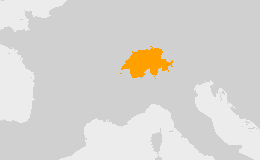
La afiliada de la CSI en Suiza es la Schweizerischer Gewerkschaftsbund / Union syndicale suisse (SGB).
Suiza ratificó el Convenio nº 87 sobre la libertad sindical y la protección del derecho de sindicación (1948) en 1975 y el Convenio nº 98 sobre el derecho de sindicación y de negociación colectiva (1949) en 1999.
según la ley
Libertad sindical / Derecho de sindicalización
Libertad sindical
El derecho a la libertad sindical está consagrado en la Constitución.
Discriminación antisindical
La ley prohíbe la discriminación antisindical, pero no pevé medidas adecuadas de protección al respecto.
Derecho a la negociación colectiva
Derecho a la negociación colectiva
El derecho a la negociación colectiva está recogido en la Constitución
El derecho a la negociación colectiva está reconocido por la ley.
Derecho de huelga
Derecho de huelga
El derecho de huelga está consagrado en la Constitución
Prohibición o restricciones para ciertos tipos de acción de huelga
- Restricciones respecto al objetivo de una huelga (por ej. disputas industriales, cuestiones económicas y sociales, políticas, de simpatía o solidaridad)
- Para que una huelga sea legal, debe guardar relación con las relaciones laborales.
Disposiciones que socavan el recurso a acciones de huelga o su eficacia
- Excesivas sanciones civiles o penales contra los trabajadores/as y sindicatos involucrados en acciones de huelga no autorizadas
- En caso de declararse ilegal una huelga, cualquier trabajador que participase en ella podría ser despedido sumariamente y reclamársele una cuarta parte de su salario mensual en concepto de indemnización además de tener que hacerse cargo de cualquier daño ocasionado. Podrían aplicarse igualmente sanciones penales. Los sindicatos también pueden ser demandados.
Limitaciones o prohibición de hacer huelga en algunos sectores
- Restricciones injustificadas para los funcionarios públicos
- El personal de la Confederación está excluido del derecho de huelga.
- Ausencia de garantías compensatorias para las categorías de trabajadores privados del derecho de huelga
- El Gobierno puede limitar o prohibir la huelga en caso de que afecte a la seguridad del Estado, las relaciones exteriores o la prestación de bienes y servicios vitales. Sin embargo, no existen mecanismos de compensación, tales como procedimientos de conciliación y arbitraje, para resolver los conflictos laborales en tales situaciones.
- Otras limitaciones (por ej. en las ZFI)
- El semi-cantón de Nidwald y el cantón de Friburgo introdujeron en la ley relativa a su personal la prohibición del derecho de huelga. Algunos municipios de Friburgo hacen referencia a dichas disposiciones cantonales en su reglamentación.
En la Práctica
La legislación laboral suiza no prevé la reincorporación en caso de despido discriminatorio de sindicalistas y el único recurso jurídico que establece para estos casos es la indemnización. En el caso de los despidos improcedentes y discriminatorios, la ley suiza contempla una indemnización de hasta seis meses de salario, aunque de media oscila entre uno y tres meses. Si se tiene todo esto en cuenta, es muy probable que la indemnización prevista por las leyes suizas sea considerada por las empresas como un coste que merece la pena pagar para deshacerse de los individuos problemáticos, pues es tan baja que no tiene un efecto disuasorio sobre los despidos discriminatorios. Por tanto, el sindicato SGB/USS presentó una queja al gobierno y solicitó una enmienda de dicha ley. En enero de 2011, en respuesta a la solicitud del sindicato, el gobierno suizo redactó un proyecto de ley para llevar a cabo una revisión parcial del Código de Obligaciones que aumentaba la sanción máxima por la rescisión antisindical del contrato de empleo de seis a doce meses de salario. Sin embargo, debido a los ataques de los empleadores, el gobierno acabó suspendiendo el proyecto de ley. Por tanto, los trabajadores/as suizos llevan ya más de diez años atrapados en este “limbo” de desprotección ante los despidos antisindicales.
Desde 1997, las relaciones laborales en Gate Gourmet, Aeropuerto de Ginebra, se han regido por un convenio colectivo. Sin embargo, pese a haber aumentado sus beneficios, la empresa propuso a los trabajadores y trabajadoras recortes salariales y de prestaciones sociales en las negociaciones colectivas de 2013. El Syndicat Suisse des Services Publics (SSP) propuso poner en marcha un procedimiento de arbitraje a fin de superar el punto muerto en el que se encontraban las negociaciones. Sin embargo, Gate Gourmet decidió pasar por alto al sindicato y negociar individualmente con los trabajadores, socavando así el proceso de negociación colectiva. Cuando 86 trabajadores se negaron a firmar el contrato propuesto, la empresa decidió darles una notificación de rescisión de contrato con la posibilidad de contratarlos de nuevo con peores condiciones. Se convocó a huelga el 14 de septiembre de 2013, con la participación de 20 trabajadores. El 2 de octubre, seis huelguistas (incluyendo tres representantes sindicales) fueron despedidos con efecto inmediato por haber participado en una huelga organizada por el Comité de Apoyo el 28 de septiembre en las oficinas de Gate Gourmet.
La dirección de Spar en Dättwil empezó las negociaciones con los trabajadores solamente tras una huelga de siete días. Sin embargo, la dirección abandonó la mesa de negociaciones inmediatamente después y sin justificación y dejó de responder a las reivindicaciones planteadas por el sindicato UNIA. El sindicato participó de nuevo en una huelga para protestar contra la negativa a negociar, lo que provocó el despido de once trabajadores que participaron en la huelga.
El 19 de marzo de 2013, el Tribunal Federal de Suiza falló que el despido en 2009 de Daniel Suter (presidente de la comisión de personal del diario Tages-Anzeiger) no había sido improcedente, a pesar de haber tenido lugar justo antes de la celebración de unas importantes negociaciones sobre un plan social y de que se sospechara que se debió tan solo a su trabajo crítico en la comisión de personal para la elaboración de dicho plan social.
De acuerdo con la política de salud pública de Neuchâtel, un hospital solamente puede recibir subvenciones si adhiere al convenio colectivo sectorial “Santé 21”. Sin embargo, la sociedad Genolier Swiss Medical Network (GSMN), que adquirió el hospital “La Providence” renunció al convenio colectivo sectorial y dejó claro que iba a reducir las condiciones de trabajo y los salarios. Al mismo tiempo, la empresa solicita subvenciones estatales. Cuando los trabajadores/as se declararon en huelga para protestar contra estos cambios, fueron despedidos 22 trabajadores. El sindicato de servicios públicos, SSP-VPOD, presentó una queja ante el Comité de Libertad Sindical de la OIT.
El proyecto de reforma destinado a mejorar la protección contra el despido improcedente fue rechazado por las organizaciones de empleadores, y el Gobierno federal aún no ha decidido si va a presentarlo al Parlamento. Insuficientemente disuasiva, la normativa en vigor ha permitido a los empleadores continuar violando los derechos de los trabajadores/as.
Así pues, el 1 de marzo, la justicia dio definitivamente razón a una trabajadora de la empresa Composants Techniques Horlogers (CTH), despedida en 2008 por participar en reuniones sindicales. La condena confirmó el carácter antisindical del despido, así como el acoso del que fue víctima la trabajadora, como lo demuestra este extracto de la sentencia: “El superior jerárquico reprochó a gritos a la colaboradora que no hubiera ido a trabajar el sábado anterior, increpándola y dando puñetazos sobre la mesa. Después la trasladó inmediatamente a un local más pequeño y sin ventanas, en el que se le encargó controlar y limpiar el vidrio de los relojes ya montados (...). Este trabajo implicaba el uso de productos tóxicos (alcohol isopropílico, acetona y F45) que, debido a la ausencia de ventilación natural, o de un sistema específico de ventilación, causaron dolor de cabeza y náuseas a la colaboradora. Hasta entonces, no se había asignado a nadie a efectuar este trabajo a tiempo completo. La víctima solamente tuvo derecho a una indemnización de seis meses de sueldo, sin proporción alguna con la gravedad de los hechos. Esta situación demuestra la necesidad de prever, como lo ha solicitado la OIT, la reincorporación de los trabajadores/as injustamente despedidos”.
La falta de protección legal suficientemente eficaz contra el despido improcedente sigue siendo aprovechada por numerosos empleadores para deshacerse de los representantes del personal a los que consideran demasiado molestos. La Union syndicale suisse (USS) ha admitido que el Gobierno está actuando en la dirección correcta al proponer un endurecimiento de las sanciones, al tiempo que destaca que una legislación que proteja efectivamente a los trabajadores/as que representan al personal también debe permitir la reinserción de las personas injustamente despedidas.
La confederación sindical suiza USS señaló varios incidentes en los que se seleccionó a los/as representantes sindicales como blanco para los despidos colectivos. Entre los ejemplos se ha citado a Ernst Gabathuler, de la fábrica de maquinaria textil Karl Mayer AG (Guss Benninger AG antes de la adquisición), la cual trabajó durante más de 40 años y ejerció de representante de los trabajadores/as durante muchos años; dos presidentes y cuatro miembros de las comisiones de personal en los periódicos Tagsanzeiger y Bund tras su reestructuración; y Giuliano Ossola, un dirigente sindical empleado por más de 40 años en AGIE SA en Losone. Otro activista en una empresa química en Romandía perdió su empleo tras denunciar varias violaciones al convenio colectivo. La empresa, que ya había despedido anteriormente a otros dos miembros de la comisión de personal, afirmó que los trabajadores fueron despedidos por razones puramente económicas. Otro dirigente sindical recibió advertencias formales después de haber informado a sus compañeros de los próximos despidos.
A pesar de que el vínculo entre las actividades sindicales y los despidos no siempre son lo suficientemente evidentes como para probar las actividades antisindicales, los/as representantes sindicales que se expresan son especialmente vulnerables cuando las empresas reducen su plantilla, y la ley no les concede ninguna protección especial.
Un pequeño cantón de Obwalden está tratando de atraer empresas promocionando una «legislación laboral favorable al empleador» en la prensa y en su sitio web oficial. Hace especial hincapié en los despidos fáciles y en el hecho de que los contratos individuales de empleo predominan sobre los acuerdos generales.