
Bangladesh
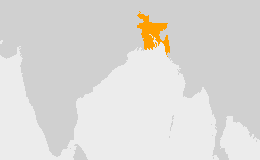
Las afiliadas de la CSI en Bangladesh son el Bangladesh Free Trade Union Congress (BFTUC), la Bangladesh Jatyatabadi Sramik Dal (BJSD), la Bangladesh Labour Federation (BLF), la Bangladesh Mukto Sramik Federation (BMSF), la Bangladesh Sanjukta Sramik Federation (BSSF) y la Jatio Sramik League (JSL).
Bangladesh ratificó el Convenio nº 87 sobre la libertad sindical
libertad sindical
El derecho a establecer y afiliarse a un sindicato libremente escogido, además del derecho de los sindicatos a funcionar libremente y llevar a cabo sus actividades sin interferencia indebida.
Véase Guía de la CSI sobre los derechos sindicales internacionales
y la protección del derecho de sindicación (1948) en 1972 y el Convenio nº 98 sobre el derecho de sindicación y de negociación colectiva (1949) en 1972.
según la ley
Libertad sindical / Derecho de sindicalización
Libertad sindical
El derecho a la libertad sindical está consagrado en la Constitución.
El derecho a la libertad sindical está regulado por la legislación.
Discriminación antisindical
La ley prohíbe la discriminación antisindical, pero no pevé medidas adecuadas de protección al respecto.
Restricciones al derecho de los trabajadores y trabajadoras a formar y afiliarse a organizaciones de su elección
- Se conceden privilegios excesivos o indebidos a ciertas organizaciones (por ejemplo, privilegios que vayan más allá de la prioridad en representación a efectos de la negociación colectiva o la consulta por parte de los gobiernos, o respecto a la designaci
- Los sindicatos deben contar con la aprobación del gobierno para su registro, y no pueden llevar a cabo acciones sindicales antes de registrarse. Sólo pueden formarse sindicatos a nivel de fábrica/establecimiento, salvo algunas excepciones (tales como el transporte privado por carretera, el transporte fluvial privado, la producción de té, yute, bidi) donde pueden establecerse sindicatos que cubran determinadas áreas geográficas. No puede haber más de tres sindicatos registrados en un determinado establecimiento.
Restricciones al derecho de los sindicatos a organizar su administración
- Restricciones al derecho a establecer libremente sus propios estatutos y reglamentos
- El artículo 188 del Reglamento Laboral de Bangladesh otorga a la Dirección de Trabajo la facultad de registrar y, en determinadas circunstancias, negarse a registrar cualquier enmienda a la Constitución de un sindicato y su Consejo Ejecutivo.
- Restriciones al derecho a elegir representantes y autoadministrarse con plena libertad
- Los candidatos a ocupar cargos sindicales deben ser o haber sido empleados de una empresa o un grupo de empresas. El Registro de Sindicatos dispone de amplios poderes para inmiscuirse en los asuntos internos del sindicato.
- Las autoridades administrativas están capacitadas para tomar unilateralmente la decisión de disolver, suspender o retirar el registro a organizaciones sindicales
- El Registro de Sindicatos puede anular el registro de un sindicato, contando con la aprobación del Tribunal Laboral.
Categorías de trabajadores a quienes la ley prohíbe o restringe la posibilidad de formar o afiliarse a sindicatos, o de ocupar cargos sindicales
- Otras categorías
- La afiliación sindical está limitada exclusivamente a los trabajadores/as empleados en un establecimiento, lo que significa que el despido también pone fin a la afiliación de un trabajador/a al sindicato. La ley además estipula que incluso si el trabajador refuta la terminación de su contrato, la membresía sindical sólo se recuperará cuando el trabajador sea efectivamente reincorporado, lo cual puede llevar años, dada la lentitud de los tribunales de Bangladesh. El 5 de noviembre de 2009, la Ley del Trabajo de Bangladesh fue enmendada para limitar las actividades sindicales en los puertos de Chittagong y Mongla. Según la nueva Ley, sólo puede haber un sindicato en cada puerto, que deberá establecerse en el plazo de seis meses a partir de la entrada en vigor de la enmienda a la ley. Todas las organizaciones sindicales existentes previamente quedarán disueltas. Únicamente los trabajadores que hayan completado un año de servicio podrán registrarse como miembros de dichos sindicatos.
- Otros funcionarios y empleados públicos
- En base al código laboral de Bangladesh (Bangladesh Labor Act - BLA) de 2006, los trabajadores/as del gobierno y los empleados en oficinas bajo la autoridad del gobierno tienen prohibido pertenecer a un sindicato, a excepción del personal de los ferrocarriles, correos y telecomunicaciones, obras públicas, ingeniería sanitaria y la imprenta nacional. Los bomberos tampoco pueden establecer sindicatos. Como nota positiva, nuevas categorías de trabajadores, incluyendo los docentes y los trabajadores de ONG, pueden según la BLA formar sindicatos.
- Trabajadores/as de zonas francas industriales (ZFI Zona Franca Industrial También denominada Zona Franca de Exportación (ZFE), son áreas industriales especiales en un país, donde se procesa materia prima importada para volver a re-exportar el producto final. Destinadas a atraer principalmente inversores extranjeros ofreciéndoles incentivos como la exención de ciertos obstáculos al comercio, impuestos, regulaciones laborales y/o la aplicación de la legislación laboral. )
- Un marco jurídico separado bajo la autoridad de la Autoridad de la Zona de Procesamiento de Exportaciones de Bangladesh (BEPZA) rige los derechos laborales en las zonas francas, con aproximadamente 458.000 trabajadores. La legislación de las ZFI especifica ciertos derechos limitados de asociación y negociación para las Asociaciones de Bienestar de los Trabajadores (WWAs) elegidas por los trabajadores, como los derechos de negociación colectiva y de representación de sus miembros en los litigios. La ley prohíbe los sindicatos dentro de las ZFI
- Personal directivo y de supervisión
- El personal directivo y empleados designados por los empleadores como "personal de confianza" no pueden afiliarse a sindicatos.
Derecho a la negociación colectiva
Derecho a la negociación colectiva
El derecho a la negociación colectiva está reconocido por la ley.
Restricciones al principio de negociación libre y voluntaria
- Prohibición o limitación de la negociación colectiva a ciertos niveles (empresa, industria/sector, regional/territorial, nacional)
- Los artículos 202 y 203 del Reglamento del Trabajo de Bangladesh no proporcionan claramente una base jurídica para la negociación colectiva a nivel industrial, sectorial y nacional
Restricciones o prohibición de negociar colectivamente en algunos sectores
- Otras categorías
- Instituciones educativas, de capacitación e investigación sin fines de lucro Hospitales, clínicas y centros de diagnóstico sin fines de lucro Las granjas de menos de cinco trabajadores El personal de extinción de incendios Operadores de télex Los trabajadores de las ZFI
Derecho de huelga
Derecho de huelga
El derecho de huelga está reconocido por la ley pero estrictamente regulado.
Impedimentos legales a acciones de huelga legítimas
- Requisito de un quórum excesivo o de obtener una mayoría excesiva en una votación para poder convocar una huelga
huelga
Forma más común de acción industrial, la huelga es el paro concertado del trabajo por parte de los empleados durante un tiempo limitado. Puede asumir diversas formas.
Véase huelga general, huelga intermitente, huelga rotatoria, huelga de brazos caídos, huelga de solidaridad, huelga salvaje - Tres cuartos de los miembros del sindicato deben estar de acuerdo con hacer huelga para que ésta pueda tener lugar.
- Otros requisitos previos indebidos, poco razonables o injustificados
- La legislación laboral requiere que las partes de un conflicto laboral inicien una serie de procedimientos legales (solicitar la mediación, notificar una huelga o cierre patronal, o remitir el conflicto al Tribunal del Trabajo para llegar a un acuerdo) dentro de unos plazos determinados, de lo contrario las autoridades darán por terminado el conflicto. La sección 212 de la BLA prohíbe que se pueda volver a plantear durante un año la misma cuestión o tema específico una vez que se haya expedido una orden de terminación del conflicto.
Prohibición o restricciones para ciertos tipos de acción de huelga
- Restricciones respecto al nivel o el ámbito de cobertura de una huelga
huelga
Forma más común de acción industrial, la huelga es el paro concertado del trabajo por parte de los empleados durante un tiempo limitado. Puede asumir diversas formas.
Véase huelga general, huelga intermitente, huelga rotatoria, huelga de brazos caídos, huelga de solidaridad, huelga salvaje (por ej. empresa, industria/sector, regional/territorial, nacional) - A nivel de empresa, no se permite hacer huelga en nuevos establecimientos durante un período de tres años a partir de la fecha del inicio de actividades comerciales si la fábrica es de nueva construcción, pertenece a inversores extranjeros o ha sido establecida con ayuda extranjera.
- Restricciones respecto al tipo de acción de huelga
huelga
Forma más común de acción industrial, la huelga es el paro concertado del trabajo por parte de los empleados durante un tiempo limitado. Puede asumir diversas formas.
Véase huelga general, huelga intermitente, huelga rotatoria, huelga de brazos caídos, huelga de solidaridad, huelga salvaje (por ej. piquetes, huelgas salvajes, huelgas de celo, sentadas, huelgas de brazos caídos) - Los go-slows son castigados con una pena de prisión en virtud de las normas laborales de Bangladesh.
Injerencia indebida por parte de las autoridades o los empleadores durante el transcurso de una huelga
- Las autoridades o los empleadores están capacitados para prohibir, limitar, suspender o cesar unilateralmente una acción de huelga
huelga
Forma más común de acción industrial, la huelga es el paro concertado del trabajo por parte de los empleados durante un tiempo limitado. Puede asumir diversas formas.
Véase huelga general, huelga intermitente, huelga rotatoria, huelga de brazos caídos, huelga de solidaridad, huelga salvaje - El gobierno puede prohibir cualquier huelga si dura más de 30 días (en cuyo caso el conflicto se remitirá al Tribunal Laboral), si involucra a los servicios públicos cubiertos por la Ordenanza sobre Servicios Esenciales o si se considera una amenaza al interés nacional. El gobierno puede prohibir las huelgas durante períodos renovables de tres meses.
Disposiciones que socavan el recurso a acciones de huelga o su eficacia
- Excesivas sanciones civiles o penales contra los trabajadores/as y sindicatos involucrados en acciones de huelga
huelga
Forma más común de acción industrial, la huelga es el paro concertado del trabajo por parte de los empleados durante un tiempo limitado. Puede asumir diversas formas.
Véase huelga general, huelga intermitente, huelga rotatoria, huelga de brazos caídos, huelga de solidaridad, huelga salvaje no autorizadas - Si se considera que una huelga constituye una amenaza al interés nacional, puede recurrirse a la Ley sobre Poderes Especiales de 1974 para detener a los sindicalistas sin cargos. Infracciones tales como la "obstrucción del transporte" pueden dar lugar a condenas de hasta 14 años de trabajo forzoso.
Limitaciones o prohibición de hacer huelga en algunos sectores
- Otras limitaciones (por ej. en las ZFI Zona Franca Industrial También denominada Zona Franca de Exportación (ZFE), son áreas industriales especiales en un país, donde se procesa materia prima importada para volver a re-exportar el producto final. Destinadas a atraer principalmente inversores extranjeros ofreciéndoles incentivos como la exención de ciertos obstáculos al comercio, impuestos, regulaciones laborales y/o la aplicación de la legislación laboral. )
- La prohibición de huelgas o cierres patronales en las zonas francas industriales debía expirar el 31 de octubre de 2008. Sin embargo, la normativa permitió a la autoridad de las zonas, la BEPZA, prorrogarla hasta el 31 de octubre de 2010.
Otras restricciones
- Otras restricciones
- Los trabajadores de las zonas francas no tienen derecho a la huelga.
En la Práctica
La misión de la CSI y la CSI-AP a Bangladesh, los días 15 y 16 de enero de 2020, confirmó que las violaciones de los derechos sindicales siguen siendo sistémicas en Bangladesh. Las federaciones de trabajadores del sector textil notificaron un aumento de la vigilancia mediante una nueva unidad, dependiente del Departamento de Seguridad Nacional (NSI), para supervisar sus actividades. Desde septiembre de 2019, las oficinas y el personal de las federaciones, así como sus organizaciones afiliadas y organizaciones asociadas, han recibido visitas de delegados de esta nueva unidad, de la policía industrial y de la administración local para examinar sus actividades, la participación de sus miembros, así como su presupuesto y los procesos laborales pendientes. Una federación del sector textil informó que los empleadores han incluido en una lista negra lista negra Lista de trabajadores/as elaborada y puesta en circulación entre los empleadores, donde se identifican los miembros y activistas sindicales para así poder impedir su empleo o penalizarlos por otros medios. los nombres de por lo menos 175 dirigentes sindicales y miembros activos, 26 de los cuales se enfrentan a acusaciones penales y civiles. Se han logrado escasas mejoras en lo referente al registro de sindicatos, que se basa en requisitos arbitrarios establecidos por las autoridades locales, además de ser lento y carecer de transparencia.
Los trabajadores del sector civil y público no pueden formar sindicatos. El Tribunal Superior dictó en 2019 una decisión para aprobar el despido de 80 trabajadores del sector de la electrificación rural que fueron despedidos por intentar formar un sindicato. El sindicato de trabajadores de la electricidad Palli Bidyut Sramik Koromchari League (PBSKL) ha recurrido la decisión ante el Tribunal Supremo. En virtud de la Ordenanza sobre la Junta de Electrificación Rural, los trabajadores no pueden ejercer sus derechos de organización y negociación colectiva
negociación colectiva
El proceso de negociar términos y condiciones de trabajo mutuamente aceptables, así como de regular las relaciones laborales entre uno o varios representantes de los trabajadores/as, sindicatos o centrales sindicales por un lado, y un empleador, un grupo de empleadores o una o más organizaciones patronales por el otro.
Véase convenio colectivo
.
El 26 de septiembre de 2019, la Oficina del Primer Ministro emitió un decreto declarando que, en lo sucesivo, los derechos de los trabajadores y trabajadoras de las zonas francas industriales (ZFI
Zona Franca Industrial
También denominada Zona Franca de Exportación (ZFE), son áreas industriales especiales en un país, donde se procesa materia prima importada para volver a re-exportar el producto final. Destinadas a atraer principalmente inversores extranjeros ofreciéndoles incentivos como la exención de ciertos obstáculos al comercio, impuestos, regulaciones laborales y/o la aplicación de la legislación laboral.
) del país estarían regidos por la Ley del trabajo de las ZFI
Zona Franca Industrial
También denominada Zona Franca de Exportación (ZFE), son áreas industriales especiales en un país, donde se procesa materia prima importada para volver a re-exportar el producto final. Destinadas a atraer principalmente inversores extranjeros ofreciéndoles incentivos como la exención de ciertos obstáculos al comercio, impuestos, regulaciones laborales y/o la aplicación de la legislación laboral.
de Bangladesh de 2019, y no por la legislación laboral bangladesí. Los dirigentes sindicales del país se opusieron a la existencia de dos sistemas distintos para los trabajadores del país y advirtieron que la nueva ley, introducida en febrero de 2019, era contraria a los derechos fundamentales de los trabajadores, en particular a la libertad sindical
libertad sindical
El derecho a establecer y afiliarse a un sindicato libremente escogido, además del derecho de los sindicatos a funcionar libremente y llevar a cabo sus actividades sin interferencia indebida.
Véase Guía de la CSI sobre los derechos sindicales internacionales
y al derecho a formar o afiliarse a un sindicato. Las enmiendas siguen negando a los trabajadores de las ZFI
Zona Franca Industrial
También denominada Zona Franca de Exportación (ZFE), son áreas industriales especiales en un país, donde se procesa materia prima importada para volver a re-exportar el producto final. Destinadas a atraer principalmente inversores extranjeros ofreciéndoles incentivos como la exención de ciertos obstáculos al comercio, impuestos, regulaciones laborales y/o la aplicación de la legislación laboral.
el derecho a formar o afiliarse a un sindicato y a negociar colectivamente o a hacer huelga
huelga
Forma más común de acción industrial, la huelga es el paro concertado del trabajo por parte de los empleados durante un tiempo limitado. Puede asumir diversas formas.
Véase huelga general, huelga intermitente, huelga rotatoria, huelga de brazos caídos, huelga de solidaridad, huelga salvaje
, y es de esperar que aporten pocos cambios para mejorar la inspección del trabajo
inspección del trabajo
Autoridad responsable de asegurarse del cumplimiento de la legislación laboral y de las disposiciones legales relativas a la protección de los trabajadores/as, por medio de inspecciones efectuadas en el lugar de trabajo.
, cuyo acceso al lugar de trabajo sigue estando sujeto a la autorización del director ejecutivo de la Autoridad de las Zonas Francas de Exportación de Bangladesh (BEPZA).
El 15 de septiembre de 2019 al menos 20 trabajadores resultaron heridos en los enfrentamiento que se produjeron en Narayanganj entre los trabajadores de la fábrica de confección Sinha-Opex Garments y la policía, durante una manifestación que organizaron por el impago de sus salarios y prestaciones y por el despido sin previo aviso de varios compañeros durante los tres meses anteriores.
Los trabajadores que protestaban estaban bloqueando una carretera, y, para tratar de dispersarlos, la policía disparó más de 50 proyectiles de gases lacrimógenos y varias ráfagas de balas de goma. La policía también cargó contra ellos utilizando porras.
SF Denim Apparels había estado obstruyendo continuamente las iniciativas de sus empleados para organizar y crear un sindicato en su fábrica de Dhaka. Cuando los trabajadores trataron de formar una sectorial de la federación Sommilito Garments Sramik Federation (SGSF), la empresa despidió a más de un centenar de ellos en 2018. Treinta y ocho de los trabajadores iniciaron causas judiciales contra el empleador. Mientras tanto, otros trabajadores prosiguieron con los intentos de organización, lo que dio lugar a cinco despidos más a principios de agosto de 2019.
Después, sin previo aviso, cuando los trabajadores regresaron a la fábrica tras las vacaciones de Eid el 18 de agosto, SF Denim Apparels despidió a 701 trabajadores, alegando “escasez de pedidos”. Pero el presidente de SGSF, Nazma Akter, comentó que “los trabajadores son obviamente blanco de estos ataques por su participación en actividades sindicales”.
Un informe publicado el 18 de mayo de 2019 por la organización de investigación laboral Bangladesh Shrama Institute sobre los obstáculos a la participación de las mujeres en los sindicatos y las organizaciones laborales, constata que, pese al gran número de mujeres que trabajan en el sector de la confección, pocas son las que optan por participar en el movimiento sindical. El informe concluye que las trabajadoras sufren acoso por parte de la Administración, en los procedimientos judiciales y a escala social, lo que impide que miles de ellas se involucren en el movimiento sindical.
El 9 de abril de 2019, unos matones contratados por el proveedor de mano de obra Rahat Corporation en una fábrica de la multinacional ítalo-holandesa de confitería Perfetti Van Melle en Gazipur (Bangladesh), emprendieron un ataque organizado contra los miembros del sindicato. Los directivos se mantuvieron al margen mientras una veintena de agresores entraban en la fábrica y buscaban, golpeaban e intimidaban a los miembros del sindicato con bates y palos de madera. El sindicato escoltó a 15 trabajadoras de servicio a un lugar seguro mientras los matones recorrían la fábrica. La dirección no alertó a la policía ni notificó el ataque.
El presidente del sindicato, Kamrul Hasan Palash, dijo que la dirección local se había opuesto a la formación de un sindicato para los 250 trabajadores permanentes de la fábrica. “Después de formar el sindicato, solicitamos al Ministerio que lo registrara según la ley”, señaló. “Cuando la dirección se enteró de esto, no nos permitieron, a mí y a otros cuatro, entrar en la fábrica durante cinco días. Yo recibí amenazas”.
El sindicato tardó cinco meses en conseguir el estatuto jurídico de negociación colectiva, lo cual se produjo finalmente el 27 de febrero. Había estado tratando de negociar un primer convenio colectivo
convenio colectivo
Acuerdo, generalmente por escrito, que incorpora los resultados de una negociación colectiva entre representantes de trabajadores y empleadores. También contrato colectivo.
Véase negociación colectiva
y estaba exigiendo contratos permanentes para los trabajadores subcontratados por Rahat Corporation.
En diciembre de 2018 y enero de 2019, 50.000 trabajadores/as de la confección se declararon en huelga
huelga
Forma más común de acción industrial, la huelga es el paro concertado del trabajo por parte de los empleados durante un tiempo limitado. Puede asumir diversas formas.
Véase huelga general, huelga intermitente, huelga rotatoria, huelga de brazos caídos, huelga de solidaridad, huelga salvaje
para protestar por sus salarios, tras lo cual cual al menos 750 fueron inmediatamente despedidos. Un trabajador murió y otros 50 resultaron heridos como consecuencia de la violenta intervención policial. Desde entonces, los trabajadores han sido objeto de nuevas represalias.
En febrero de 2019, más de 11.600 trabajadores habían perdido su empleo. Muchos se enfrentaban además a cargos penales, puesto que los empleadores y la policía habían interpuesto denuncias penales contra más de 3.000 trabajadores anónimos. Cerca de 70 trabajadores fueron arrestados, algunos de los cuales fueron puestos en libertad bajo fianza. Salauddin Shapon, secretario general de IndustriALL Bangladesh Council, comentó: “Los arrestos se centraron en los líderes y delegados sindicales, con el apoyo tácito de los empleadores, para tratar de paralizar las actividades sindicales”. Los trabajadores detenidos se enfrentan a acusaciones falsas que podrían implicar largas penas de cárcel. Al menos dos trabajadores fueron detenidos por acusaciones de intento de asesinato, delito castigado con cadena perpetua. Recurrir a denuncias penales contra un gran número de personas “anónimas” es una práctica habitual a la que recurre la policía en Bangladesh para amenazar a prácticamente cualquier persona con la detención.
También salió a la luz que la policía había llevado a cabo redadas en domicilios privados y que había disparado indiscriminadamente balas de goma, de ahí las graves heridas. Los trabajadores informaron además de que habían sido contactados por representantes de “sindicatos amarillos” (establecidos o controlados por el empleador para impedir el establecimiento de un sindicato auténtico) y que se les había presionado para que firmaran un documento declarando que asumían la responsabilidad por los daños causados a las fábricas. Se les dijo que si firmaban esa carta y la presentaban ante la asociación de fabricantes textiles Bangladesh Garment Manufacturers and Exporters Association (BGMEA) recibirían un preaviso de un mes y obtendrían sus salarios atrasados. Es decir, que, básicamente, la empresa estaba intentando que los trabajadores admitieran su culpabilidad.
Tras las huelgas de enero de 2019 de los trabajadores de la confección en protesta por sus bajos salarios, 7.000 trabajadores fueron despedidos por sus respectivas fábricas, la mayoría de las cuales confeccionan prendas de vestir para conocidas marcas occidentales. Además, cientos de trabajadores de la confección han sido arrestados, y se han interpuesto más de 30 denuncias contra los trabajadores.
Las protestas concluyeron tras la promesa del Gobierno de subirles el sueldo, pero al regresar a las fábricas muchos de los trabajadores se encontraron con que estaban despedidos. Al menos 750 trabajadores de diversas empresas del centro de producción de Ashulia encontraron notificaciones colgadas en las puertas de su fábrica, junto a fotos de sus rostros, informándoles de su despido, según reveló un líder sindical. Los líderes sindicales que hablaron con la prensa sobre esta situación prefirieron permanecer en el anonimato por temor a nuevas represalias. “La policía me dijo que dejara de causar problemas y que, de lo contrario, yo desparecería”, declaró supuestamente uno de los trabajadores.
El 1 de febrero de 2019 los trabajadores de la confección organizaron una manifestación con el apoyo de la federación nacional National Garment Workers Federation (NGWF) y reclamaron la puesta en libertad de todos los trabajadores detenidos, la retirada incondicional de todos los cargos y la readmisión de los trabajadores despedidos.
La empresa confitera holandesa Perfetti Van Melle comunicó a sus trabajadores de la fábrica de Gazipur la obligación de retirar su solicitud para el reconocimiento reconocimiento Designación por parte de una agencia del Gobierno de un sindicato en tanto que agente de negociación para los trabajadores/as en una determinada unidad de negociación, o aceptación por parte del empleador de que sus empleados puedan estar representados colectivamente por un sindicato. legal de su sindicato. La gran mayoría de los trabajadores de la fábrica participaron en la creación del sindicato Perfetti Van Melle BD Pvt Ltd Employees’ Union y el 11 de noviembre de 2018 habían iniciado el trámite de registro legal de su organización. La dirección procedió a modificar los horarios de trabajo de los dirigentes del sindicato, además de denegarles el acceso a la fábrica. Los representantes de la empresa empezaron después a visitar a los trabajadores en sus domicilios, presionándoles para que retiraran su solicitud de afiliación sindical y para que firmaran un documento declarando que habían sido obligados a afiliarse al sindicato, una táctica habitual utilizada por empleadores del sur de Asia para tratar de alegar que un determinado sindicato carece de miembros reales.
El sindicato no cedió a las presiones y el 14 de enero de 2019 obtuvo reconocimiento reconocimiento Designación por parte de una agencia del Gobierno de un sindicato en tanto que agente de negociación para los trabajadores/as en una determinada unidad de negociación, o aceptación por parte del empleador de que sus empleados puedan estar representados colectivamente por un sindicato. jurídico.
Un trabajador de la confección resultó muerto y otros 50 heridos como resultado de las cargas policiales en las que se dispararon balas de goma y gases lacrimógenos contra cerca de 500 trabajadores que se manifestaban a las afueras de la capital, Dhaka, el 8 de enero de 2019. Al día siguiente la policía utilizó cañones de agua para dispersar a una multitud de cerca de 10.000 trabajadores de la confección en huelga
huelga
Forma más común de acción industrial, la huelga es el paro concertado del trabajo por parte de los empleados durante un tiempo limitado. Puede asumir diversas formas.
Véase huelga general, huelga intermitente, huelga rotatoria, huelga de brazos caídos, huelga de solidaridad, huelga salvaje
que estaban bloqueando una de las carreteras principales de Savar, a las afueras de Dhaka. La policía también efectuó redadas en los domicilios de varios trabajadores de la confección, destrozando sus pertenencias y llegando incluso a dispararles balas de goma, según declaraciones de las víctimas.
Varios familiares y compañeros de trabajo identificaron al trabajador muerto como Sumon Mia, de 22 años, empleado de Anlima Textile en la zona de Kornopara de Savar. Sus compañeros alegaron que él no se estaba manifestando sino que se vio atrapado en los enfrentamientos entre la policía y los manifestantes de camino al trabajo. Los compañeros de la víctima trasladaron el cadáver a la fábrica de Anlima Textile y empezaron a manifestarse allí. La policía no tardó en acudir para dispersar a los manifestantes disparando balas de goma y golpeándolos con porras, dejando al menos 11 trabajadores heridos, dos de ellos con heridas de bala, según declararon varios testigos.
Las protestas empezaron después de que 50.000 trabajadores de la confección, muchos de los cuales fabrican prendas de vestir para minoristas internacionales como Zara, H&M, Tesco y Walmart, abandonaran el trabajo en sus fábricas exigiendo salarios más altos. El descontento de los trabajadores de la confección se debía a que no todos ellos, y en particular los trabajadores con más antigüedad, se estaban beneficiando del nuevo salario mínimo de 8.000 BDT (94 USD) al mes tras la reciente subida de un 51 por ciento aplicada por el Gobierno. Los manifestantes también señalaron que la subida era demasiado exigua para cubrir el aumento del coste de la vida.
Los disturbios se originaron el 9 de diciembre de 2018 en Naraynaganj, poco después de la entrada en vigor del nuevo salario mínimo, y se produjeron enfrentamientos esporádicos entre trabajadores de la confección y la policía por todo el distrito de Dhaka, con informes de numerosos heridos, en particular en Mirpur y Gazipur.
El domingo 23 de septiembre de 2018 la policía cargó con porras y gases lacrimógenos contra varios centenares de trabajadores de la confección de la fábrica Knit and Knitex de Gazipur que se manifestaban, dejando al menos 10 trabajadores heridos. Las protestas habían comenzado el día anterior, después de que los trabajadores no hubieran recibido más que la mitad de su salario de agosto. A raíz de unos informes que confirmaban la intoxicación de varios trabajadores como consecuencia del agua contaminada suministrada por la fábrica, los manifestantes estuvieron acompañados aquel domingo por trabajadores de fábricas vecinas que les ayudaron a bloquear la carretera Dhaka-Mymensingh, momento en que las tensiones aumentaron y las confrontaciones se tornaron más violentas.
El 29 de agosto de 2018, al menos 15 personas resultaron heridas tras la intervención de la policía para dispersar una manifestación de trabajadores de la empresa Amin Jute Mills Ltd. en Chittagong. La empresa les debía el salario de seis meses y les había prometido que se lo pagaría esa semana, pero aquella mañana el director de la procesadora les informó que solo recibirían el salario de tres semanas. Cuando los trabajadores tomaron las calles, la policía trató de hacerles retroceder, hiriendo a 15 de ellos. Dos necesitaron tratamiento médico.
Dos semanas antes se había producido un incidente parecido. Cerca de 1.200 trabajadores de Alhaj Jute Mills Ltd, en el distrito de Jamalpur, se manifestaron el 15 de agosto para reclamar el pago de los salarios que se les adeudaba, y se produjeron violentos enfrentamientos con la policía, como consecuencia de los cuales 10 trabajadores tuvieron que ser hospitalizados.
Al menos 20 conductores de motocarro resultaron heridos el 27 de abril de 2018 durante la dispersión policial de una manifestación organizada a lo largo de la carretera Dhaka-Sylhet. Las autoridades habían prohibido la circulación de vehículos de tres ruedas por dicha carretera, y el día anterior la policía había confiscado cinco vehículos, lo que dio lugar a la protesta. La policía se presentó con porras para dispersar a los manifestantes y terminaron produciéndose enfrentamientos violentos. Los conductores regresaron para formar una cadena humana a través de la carretera, y la policía respondió disparando cartuchos de fogueo y granadas de gases lacrimógenos. Varios agentes de policía también resultaron heridos.
La fábrica Hydroxide Knitwear de Gazipur anunció medidas disciplinarias contra 57 trabajadores después de que cientos de empleados protestaran el 5 de abril de 2018 por el despido, sin previo aviso, de 400 compañeros. Con objeto de ahorrar gastos, la dirección había adquirido nueva maquinaria para reemplazar a los trabajadores. Los trabajadores que participaron en las protestas eran miembros de la National Garments Workers Federation y de la Ekota Garments Workers Federation.
El 31 de enero varios dirigentes y miembros de la central sindical central sindical Organización sindical a nivel nacional, regional o de distrito, a la que están afiliados distintos sindicatos. Suele denotar una federación o confederación de ámbito nacional. de trabajadores de la confección Garments Workers’ Trade Union Centre (GWTUC) fueran agredidos por representantes de la asociación de fabricantes y exportadores Bangladesh Garment Manufacturers and Exporters Association (BGMEA) durante una manifestación pacífica que tuvo lugar a las puertas de Ashiana Garments Industries Ltd en Dhaka. Tras el incidente, el GWTUC trató de interponer una querella contras los agresores en una comisaría local de policía, pero los agentes se negaron a tomarles declaración.
En cambio, la BGMEA sí que consiguió interponer una querella contra 12 personas concretas, la mayoría de las cuales eran dirigentes de la GWTUC, así como 150 trabajadores no identificados, acusándolos a todos de vandalismo e intento de asesinato. Los líderes sindicales identificados en la denuncia fueron el presidente de la GWTUC, Montu Ghosh; la secretaria general, Joly Talukder; el presidente ejecutivo, Kazi Ruhul Ami; el líder máximo, Sadekur Rahman Shamim; el secretario de asuntos internacionales, Monzur Moin; el secretario general de la región de Ashulia, K.M. Minu; el secretario general del distrito de Gazipur, Jalal Hawlader; el presidente ejecutivo de la región de Ashulia, Lutfar Rahman Akash; y el secretario de organización de la región de Ashulia, Mohammad Shahjahan.
Las acusaciones eran totalmente falsas, y solo 3 de los 12 líderes acusados habían estado realmente presentes en la manifestación de Ashiana. Dos de ellos, Joly Talukdar, secretaria general de la GWTUC, y Montu Gosh, presidente, ni siquiera se encontraban en Dhaka en el momento de los hechos denunciados.
El tribunal les concedió ocho semanas de libertad bajo fianza, período que finalizó el 1 de abril. Ese día, seis dirigentes de la GWTUC fueron detenidos por falsos cargos, a saber, Joly Talukdar, KM Mintu, Monjur Moin, Jalal Howladar, Lutfar Rahman y Md Shahjahan, y detenidos en la Prisión Central de Dhaka, donde se encontraron con un séptimo miembro de la GWTUC que permanecía detenido desde principios de febrero.
El sindicato considera que la verdadera razón de los arrestos es el destacado papel que este ha venido desempeñando en la campaña para la subida del salario mínimo de los trabajadores del textil.
Los trabajadores de la electricidad también se han encontrado con el rechazo reiterado de su solicitud para crear un sindicato. Los estatutos del Bangladesh Rural Electrification Board (BREB) deniegan efectivamente a 37.000 trabajadores de la electricidad su derecho a la representación sindical. El sindicato de trabajadores de la electricidad Palli Bidyut Sramik Koromchari League (PBSKL) ha librado una larga batalla para obtener su reconocimiento reconocimiento Designación por parte de una agencia del Gobierno de un sindicato en tanto que agente de negociación para los trabajadores/as en una determinada unidad de negociación, o aceptación por parte del empleador de que sus empleados puedan estar representados colectivamente por un sindicato. , pero a pesar de sus consistentes victorias, el BREB ha mantenido su postura y ha llegado hasta el Tribunal Supremo.
El BREB también ha intentado reprimir a los que tratan de obtener el reconocimiento reconocimiento Designación por parte de una agencia del Gobierno de un sindicato en tanto que agente de negociación para los trabajadores/as en una determinada unidad de negociación, o aceptación por parte del empleador de que sus empleados puedan estar representados colectivamente por un sindicato. del sindicato. Tras una reunión con la Internacional de Trabajadores de la Construcción y la Madera (ICM) en agosto de 2017, cuatro representantes del PBSKL fueron sancionados por el BREB y trasladados a otra zona del país, lejos de sus familias y comunidades. Otros trabajadores han sido suspendidos, en ocasiones durante meses, por su implicación sindical.
En su reunión de octubre de 2017, el Global Power Trade Union Congress aprobó una resolución en apoyo al PBSKL, instando al Gobierno de Bangladesh a respetar los derechos consagrados en su Constitución. Al mismo tiempo, la ICM escribió al Director Nacional de la OIT
Organización Internacional del Trabajo
Agencia tripartita de las Naciones Unidas, establecida en 1919 con objeto de promover y mejorar las condiciones de vida y de trabajo. Es el principal organismo internacional encargado de desarrollar y supervisar las normas internacionales del trabajo.
Véase tripartidismo, Guía de la CSI sobre los derechos sindicales internacionales
en Bangladesh, advirtiéndole de los próximos procedimientos judiciales y de la actitud de los directivos hacia los trabajadores que trataban de ejercer su derecho a la libertad sindical
libertad sindical
El derecho a establecer y afiliarse a un sindicato libremente escogido, además del derecho de los sindicatos a funcionar libremente y llevar a cabo sus actividades sin interferencia indebida.
Véase Guía de la CSI sobre los derechos sindicales internacionales
.
El 16 de agosto de 2017 más de 50 trabajadores de la confección de la empresa Haesong Corporation Ltd resultaron heridos por varios matones a sueldo que les agredieron cuando participaban en una manifestación pacífica contra el fabricante de suéteres.
La sentada y huelga
huelga
Forma más común de acción industrial, la huelga es el paro concertado del trabajo por parte de los empleados durante un tiempo limitado. Puede asumir diversas formas.
Véase huelga general, huelga intermitente, huelga rotatoria, huelga de brazos caídos, huelga de solidaridad, huelga salvaje
, que se llevó a cabo a las puertas de las oficinas centrales de la empresa de propiedad coreana en Hizalhati, Gazipur, fue organizada por la National Garment Workers Federation (NGWF). Entre los heridos se encontraban la secretaria general y la vicepresidenta del sindicato. Uno de los organizadores de la NGWF fue secuestrado y no fue puesto en libertad hasta las nueve de la noche. La policía local se negó a presentar las demandas de los trabajadores sobre el secuestro y las agresiones.
La protesta estaba relacionada con un conflicto con la empresa Haesong, que el 4 de abril de 2017 había suspendido a 218 trabajadores. Los trabajadores habían estado reclamando el pago de los días de vacaciones que no habían utilizado en el año 2016.
El 22 de junio los trabajadores alcanzaron un acuerdo por escrito con la dirección de la fábrica, la cual se comprometió a pagar todas las cuotas y compensaciones legales antes del 4 de julio. Llegada la fecha, la empresa no había cumplido su promesa, por lo que el plazo se prorrogó hasta el 4 de agosto. No obstante, llegada la nueva fecha, los trabajadores seguían sin haber recibido lo que les correspondía, por lo que se organizó la manifestación del 16 de agosto, en el transcurso de la cual se produjeron las agresiones.
El 27 de mayo de 2017 varios matones locales amenazaron y agredieron físicamente a los trabajadores y líderes de un sindicato propuesto en las fábricas de Orchid y Savar del Azim Group en Chittagong. Las agresiones se produjeron frente a la entrada de ambas fábricas, situadas en el mismo edificio. Las tentativas para crear un sindicato en dichas fábricas han sido reiteradamente rechazadas por motivos poco claros.
La violencia prosiguió al día siguiente, cuando los trabajadores y líderes sindicales fueron nuevamente agredidos y advertidos de que si seguían organizando sindicatos les matarían. Las fuerzas de la policía local, que presenciaron las agresiones contra los líderes sindicales, no hicieron nada al respecto.
Los agresores llegaron incluso a presentarse en los domicilios de los líderes sindicales y a amenazar a sus familiares. La esposa de uno de los líderes sindicales fue amenazada con un cuchillo, y el hermano de otro de los líderes fue secuestrado y posteriormente liberado. Muchos de los líderes sindicales se refugiaron en la oficina del sindicato por miedo a nuevas agresiones que pudieran exponer a sus familias a situaciones violentas.
Tras las agresiones, la dirección de la empresa presentó acusaciones penales contra los 61 trabajadores y líderes sindicales implicados. Aunque 38 de los trabajadores fueron puestos en libertad bajo fianza, 22 personas permanecieron encarceladas.
Mientras tanto, las amenazas de violencia se siguieron produciendo, y cerca de 200 trabajadores se vieron sometidos a un temor constante de agresión por parte de matones locales. Además, como condición para poder regresar al trabajo, la dirección obligó a los trabajadores a firmar un documento por el que el signatario afirmaba no querer que se estableciera un sindicato en el lugar de trabajo.
En marzo de 2017 los trabajadores de la fábrica Orchid Sweater en Bangladesh solicitaron apoyo solidario tras ver reiteradamente rechazada su solicitud para el registro formal de un sindicato.
Los trabajadores llevaban intentado registrar un sindicato desde febrero de 2016, pero el Director Adjunto de Trabajo había rechazado reiteradamente su solicitud por motivos poco claros. La dirección de Orchid respondió a su iniciativa acosando a los trabajadores y amenazando con despedir a los representantes del sindicato propuesto.
En enero de 2017 los trabajadores presentaron una tercera solicitud de registro del Orchid Sweater Workers Union que volvió a ser rechazada en marzo, alegándose al respecto razones igualmente confusas. Los sindicatos sospechan que todo esto se debe a la influencia política del propietario de la fábrica, el poderoso Azim Group, puesto que el propio Azim fue en su día miembro del Parlamento.
Tras una serie de protestas masivas por cuestiones salariales, en las que participaron decenas de miles de trabajadores y trabajadoras de la confección en la ciudad industrial de Ashulia en diciembre de 2016, varias huelgas han sido reprimidas, una serie de personas han sido arrestadas y cerca de 1.600 trabajadores han sido despedidos por fabricantes de prendas de vestir.
La intimidación y los arrestos se siguieron produciendo a lo largo de 2017. Varias oficinas sindicales fueron saqueadas y destrozadas, robándose además documentación y equipos de los sindicatos. El 10 de febrero de 2017 nueve miembros de la federación sindical de trabajadores de la confección Bangladesh Independent Garment Workers Union Federation fueron detenidos por las autoridades en Chittagong después de que la policía interrumpiera una sesión de formación. Una semana antes, la policía había pasado cuatro horas en las oficinas de Gazipur interrogando a los responsables sindicales de otra federación de trabajadores de la confección, la Bangladesh Revolutionary Garments Workers Federation, lo que les obligó a interrumpir sus actividades sindicales por miedo a la injerencia policial.
Un total de 35 personas, en su mayoría dirigentes sindicales, han sido arrestadas. Tras varias entrevistas con grupos defensores de los derechos, abogados y trabajadores, y un examen de los registros de antecedentes penales, Human Rights Watch ha concluido que las circunstancias de muchos de los arrestos apuntan a un abuso por motivos políticos de las competencias policiales a modo de represalia contra los organizadores de los trabajadores. Las tácticas utilizadas por la policía son lamentablemente familiares: recurso a la draconiana Ley de poderes especiales, acciones penales contra un gran número de personas “desconocidas”, “arrestos sin orden judicial”, y acoso e intimidación de trabajadores y activistas sindicales en nombre de “investigaciones”.
La indignación por la manifiesta represión contra el movimiento sindical suscitó la organización de una campaña internacional encabezada por IndustriALL Global Union y UNI Global Union. Marcas líderes de moda como H&M y Zara demostraron su apoyo a los trabajadores de la confección boicoteando un importante congreso sectorial en Bangladesh. Gracias a la presión generada por las iniciativas y la campaña internacional, el 23 de febrero IndustriALL Bangladesh Council (IBC), el Ministerio de Trabajo y la Bangladesh Garment Manufacturers and Exporters Association alcanzaron un acuerdo tripartito que prevé la puesta en libertad de los sindicalistas y trabajadores de la confección detenidos. En virtud de este acuerdo, los restantes detenidos también serán liberados y se retirarán las acusaciones contra ellos.
Las autoridades no dudaron en tomar represalias contra los trabajadores/as de la confección que habían participado en una huelga
huelga
Forma más común de acción industrial, la huelga es el paro concertado del trabajo por parte de los empleados durante un tiempo limitado. Puede asumir diversas formas.
Véase huelga general, huelga intermitente, huelga rotatoria, huelga de brazos caídos, huelga de solidaridad, huelga salvaje
de una semana de duración en el distrito de Ashulia de la capital de Bangladesh, Dhaka, el 12 de diciembre de 2016. Ashulia es un vasto centro de producción de vestuario, utilizado por compañías de la confección de todo el mundo, incluyendo gigantes occidentales como Zara, Gap y H&M. La huelga
huelga
Forma más común de acción industrial, la huelga es el paro concertado del trabajo por parte de los empleados durante un tiempo limitado. Puede asumir diversas formas.
Véase huelga general, huelga intermitente, huelga rotatoria, huelga de brazos caídos, huelga de solidaridad, huelga salvaje
se convocó para apoyar la demanda de un incremento del salario mínimo, para pasar de 68 a 190 USD mensuales.
La Primera Ministra dictó una directiva ordenando a los huelguistas reanudar el trabajo, mientras que el Ministro de Trabajo advirtió que se tomarían medidas severas contra los instigadores de la huelga
huelga
Forma más común de acción industrial, la huelga es el paro concertado del trabajo por parte de los empleados durante un tiempo limitado. Puede asumir diversas formas.
Véase huelga general, huelga intermitente, huelga rotatoria, huelga de brazos caídos, huelga de solidaridad, huelga salvaje
. Al menos 11 líderes sindicales y defensores de los derechos de los trabajadores fueron detenidos en las semanas siguientes a la acción de huelga
huelga
Forma más común de acción industrial, la huelga es el paro concertado del trabajo por parte de los empleados durante un tiempo limitado. Puede asumir diversas formas.
Véase huelga general, huelga intermitente, huelga rotatoria, huelga de brazos caídos, huelga de solidaridad, huelga salvaje
, en base a la Ley de Poderes Especiales de 1974, decreto de emergencia que se había introducido en tiempos de guerra. La mayoría de los detenidos eran miembros de la Bangladesh Garment and Industrial Workers’ Federation (BGIWF), la Shadin Bangla Garments Workers Federation (SBGWF) y la Bangladesh Independent Garment Workers Union Federation (BIGUF).
En represalia por las huelgas, la Asociación de Fabricantes y Exportadores de Prendas de Vestir de Bangladesh (BGMEA) suspendió la producción en 59 fábricas. Dos fábricas afectadas por las huelgas, Windy Apparels Ltd. y Fountain Garments Ltd., presentaron denuncias penales contra 239 trabajadores/as, en tanto se ha sabido que el Grupo Hemeem hizo otro tanto en relación con unos 1.000 trabajadores/as. Para enero de 2017, más de 1.600 trabajadores/as habían sido suspendidos y la policía presentó cargos contra 600 trabajadores/as y dirigentes sindicales.
Muchos trabajadores y trabajadoras de la confección tenían miedo de volver al trabajo. Algunos trabajadores/as incluso decidieron regresar al campo para escapar de la persecución policial. La mayoría de las oficinas sindicales en Ashulia han sido cerradas o destruidas.
En diciembre de 2016 IndustriALL Global Union informó que la empresa petrolera Chevron había despedido a 145 trabajadores en sus operaciones en Bangladesh. En mayo de 2015, los trabajadores habían intentado formar un sindicato, y pidieron que sus contratos de trabajo fueran permanentes. La gran mayoría de las 500 personas que integran la plantilla de trabajadores tenía contratos temporales. Los organizadores del sindicato fueron despedidos de inmediato, algunos simplemente mediante un mensaje de texto a su teléfono móvil, a lo que seguirían otros despidos. A lo largo del año 2016, la compañía siguió ignorando las demandas colectivas para la regularización y el reconocimiento reconocimiento Designación por parte de una agencia del Gobierno de un sindicato en tanto que agente de negociación para los trabajadores/as en una determinada unidad de negociación, o aceptación por parte del empleador de que sus empleados puedan estar representados colectivamente por un sindicato. del sindicato.
La fábrica de vestuario Habib Fashions intentó impedir la formación de un sindicato y a continuación cerró sus puertas. El 30 de junio de 2016, la Sommolito Garment Sramik Federation (SGSF) había remitido al Director Adjunto de Trabajo una solicitud para el registro de un sindicato en la fábrica, para intentar mejorar las condiciones de trabajo, incluyendo unas largas jornadas inaceptables. Por ejemplo, durante las festividades de Ramadán en junio los trabajadores/as se vieron obligados a trabajar desde las 6 am hasta las 10 pm para cumplir a tiempo con los pedidos.
El Director Adjunto de Trabajo escribió a la SGSF, exponiéndole algunas objeciones respecto a su solicitud, que el sindicato empezó a corregir de inmediato. Entre tanto, la dirección de la fábrica se reunió con dirigentes de la SGSF el 19 de julio de 2016, pidiéndoles que se retirara la solicitud de registro del sindicato. Cuando los representantes de la SGSF se negaron, la dirección comenzó a trasladar la maquinaria en la noche del 27 de julio de 2016, decretando un cierre temporal efectivo a partir de agosto de 2016, con el pretexto de falta de pedidos de sus productos. La fábrica, cuya casa matriz está en Dhaka, era subcontratista de numerosas fábricas que trabajan para para marcas internacionales, y en realidad cuenta con suficientes pedidos. La SGSF considera que el cierre se produjo exclusivamente para impedir la formación del sindicato y para desalentar cualquier futuro intento de organización.
Tres años después del derrumbamiento del Rana Plaza, donde perdieron la vida 1.200 personas, el Gobierno sigue sin dar pleno cumplimiento al Pacto de Sostenibilidad para Bangladesh, establecido con la Unión Europea y con apoyo de la OIT
Organización Internacional del Trabajo
Agencia tripartita de las Naciones Unidas, establecida en 1919 con objeto de promover y mejorar las condiciones de vida y de trabajo. Es el principal organismo internacional encargado de desarrollar y supervisar las normas internacionales del trabajo.
Véase tripartidismo, Guía de la CSI sobre los derechos sindicales internacionales
, con objeto de mejorar los derechos laborales y la salud y seguridad de los trabajadores y trabajadoras en el sector de la confección. Una evaluación realizada por la CSI, y las Federaciones Sindicales Internacionales IndustriALL y UNI, publicada en enero de 2016, concluyó que “Al Gobierno de Bangladesh y al sector de la confección, les queda una enorme cantidad de medidas que deberían haber aplicado, no sólo para garantizar seguridad de los edificios y protección contra incendios, sino simplemente para procurar respeto básico de la legislación, incluyendo tanto las normas laborales nacionales como internacionales”.
Una misión tripartita de alto nivel de la OIT
Organización Internacional del Trabajo
Agencia tripartita de las Naciones Unidas, establecida en 1919 con objeto de promover y mejorar las condiciones de vida y de trabajo. Es el principal organismo internacional encargado de desarrollar y supervisar las normas internacionales del trabajo.
Véase tripartidismo, Guía de la CSI sobre los derechos sindicales internacionales
que visitó el país a mediados de abril de 2016 expresó su preocupación por la tasa de registros de sindicatos. Según cifras del Centro de Solidaridad en Dhaka, en 2015 el Gobierno rechazó el 73 por ciento de las solicitudes. En 2016, para mediados de abril, se habían remitido 13 solicitudes, de las que únicamente tres habían sido aceptadas, mientras que la mayoría fueron rechazadas.
Apenas el 10 por ciento de las más de 4.500 fábricas de vestuario que existen en Bangladesh cuentan con sindicatos registrados, según un informe de Human Rights Watch. La legislación laboral impone un requisito mínimo excesivo de organizar al 30 por ciento de los trabajadores para poder constituir un sindicato e impone un procedimiento de registro excesivamente complejo, al tiempo que el Gobierno dispone de amplias facultades discrecionales para cancelar el registro de un sindicato. Las fábricas además amenazan y atacan a los sindicatos y a sus miembros con total impunidad. La negativa a registrar sindicatos en el sector de la confección formó parte de una queja sobre Libertad Sindical
libertad sindical
El derecho a establecer y afiliarse a un sindicato libremente escogido, además del derecho de los sindicatos a funcionar libremente y llevar a cabo sus actividades sin interferencia indebida.
Véase Guía de la CSI sobre los derechos sindicales internacionales
presentada por la CSI y a la OIT
Organización Internacional del Trabajo
Agencia tripartita de las Naciones Unidas, establecida en 1919 con objeto de promover y mejorar las condiciones de vida y de trabajo. Es el principal organismo internacional encargado de desarrollar y supervisar las normas internacionales del trabajo.
Véase tripartidismo, Guía de la CSI sobre los derechos sindicales internacionales
en abril de 2016.
En junio de 2016, tras concluir la misión de la OIT
Organización Internacional del Trabajo
Agencia tripartita de las Naciones Unidas, establecida en 1919 con objeto de promover y mejorar las condiciones de vida y de trabajo. Es el principal organismo internacional encargado de desarrollar y supervisar las normas internacionales del trabajo.
Véase tripartidismo, Guía de la CSI sobre los derechos sindicales internacionales
a Bangladesh en abril, la Conferencia Internacional del Trabajo indicó que el Gobierno debería “establecer procedimientos operativos normalizados para que el proceso de registro sea un simple requisito formal que no esté sujeto a facultades discrecionales y que no limite el derecho a constituir organizaciones sin autorización previa”.
Un sindicalista fue súbitamente despedido por Banglalink, segunda compañía de telecomunicaciones de Bangladesh, el 11 de febrero de 2016. Los trabajadores/as de Banglalink habían remitido el 7 de febrero una solicitud al Registro de Sindicatos en relación con el Banglalink Employees Union (BLEU), informando al empleador sobre la formación del sindicato ese mismo día. Al día siguiente la dirección manifestó su oposición al sindicato, afirmando que perjudicaría el crecimiento de la compañía. El repentino despido del activista sindical tres días más tarde desató protestas generalizadas por parte de los trabajadores/as. Durante los enfrentamientos que se produjeron a continuación, el secretario de organización del sindicato tuvo que ser hospitalizado, provocando más protestas que terminarían con el cierre temporal de las oficinas de la compañía.
Empezó entonces la campaña de intimidación y persecución de los miembros sindicales, obligando a dos representantes sindicales a dimitir. BLEU buscó ponerse en contacto reiteradamente con el director ejecutivo para intentar encontrar una solución, pero la compañía se negó a dialogar. En cambio, presionó a los empleados a acogerse a su Régimen de Separación Voluntaria para que dimitiesen, amenazando con una restructuración y la consiguiente reducción de plantilla.
El 7 de marzo de 2016, el Gobierno rechazó la queja del sindicato contra Banglalink por prácticas laborales injustas. Indicó que la queja no era admisible porque el sindicato no estaba aún registrado, y advirtió a sus líderes que no deberían emprender ninguna actividad sindical sin contar con el registro. La solicitud de registro sería rechazada por las autoridades el 7 de abril, aduciendo que no representaba al 30 por ciento de la plantilla, pese a haber aportado pruebas de representar al 35 por ciento. El Director Adjunto de Trabajo alegó que las firmas no se correspondían, y señaló además que el sindicato no había presentado comprobantes del cobro de cuotas de afiliación, lo que no representa un requisito legal para el registro.
El caso de Banglalink se incluyó en una queja de la CSI a la OIT
Organización Internacional del Trabajo
Agencia tripartita de las Naciones Unidas, establecida en 1919 con objeto de promover y mejorar las condiciones de vida y de trabajo. Es el principal organismo internacional encargado de desarrollar y supervisar las normas internacionales del trabajo.
Véase tripartidismo, Guía de la CSI sobre los derechos sindicales internacionales
, así como en una queja de la Federación Sindical Internacional UNI a la OCDE.
Hace ya dos años que los empleados de la empresa Grameenphone, propiedad de la compañía noruega Telenor, luchan por el reconocimiento reconocimiento Designación por parte de una agencia del Gobierno de un sindicato en tanto que agente de negociación para los trabajadores/as en una determinada unidad de negociación, o aceptación por parte del empleador de que sus empleados puedan estar representados colectivamente por un sindicato. de su sindicato. El Grameenphone Employees Union fue creado en junio de 2012, después de que más de 200 trabajadores perdieran su empleo. El Gobierno ha rechazado en repetidas ocasiones la solicitud de registro del sindicato por meros tecnicismos. Tras largos procedimientos judiciales, el Tribunal Laboral de Apelaciones ordenó el registro del sindicato, pero las autoridades siguieron negándose a emitir un reconocimiento reconocimiento Designación por parte de una agencia del Gobierno de un sindicato en tanto que agente de negociación para los trabajadores/as en una determinada unidad de negociación, o aceptación por parte del empleador de que sus empleados puedan estar representados colectivamente por un sindicato. oficial del mismo. La empresa interpuso un mandato judicial ante el Tribunal Supremo con el fin de suspender la decisión del Tribunal de Apelaciones – y lo consiguió. El Gobierno emitió entonces nuevas normativas que amplían la definición de las funciones de supervisión, de manera que ningún trabajador que ocupe este tipo de puesto puede afiliarse a un sindicato. Además, según las nuevas normas, los teléfonos móviles van a considerarse un servicio público esencial, lo que permitirá al Gobierno intervenir para limitar o prohibir las huelgas y manifestaciones.
El 1 de abril de 2016, varios guardias hirieron a siete personas (incluido un joven de 16 años) tras disparar contra numerosos manifestantes que protestaban por la muerte del trabajador Mohammad Sumon, acaecida en una empresa de desguace de buques llamada Kabir Steel. El hombre falleció instantáneamente cuando un camión que transportaba chatarra desde Kabir Steel en Chittagong le atropelló en la mañana del 28 de marzo de 2016. Las autoridades de Kabir Steel trasladaron su cuerpo al interior de la fábrica y se negaron a entregárselo a sus familiares. Como respuesta a este acto inaceptable, la familia y colegas de Sumon iniciaron una protesta en la que bloquearon la autopista entre Dhaka y Chittagong a la altura de la fábrica durante alrededor de dos horas para exigir que se castigara a los responsables. Los guardias de la fábrica, que actuaban a instancias de Kabir Steel, dispararon contra los manifestantes e hirieron a siete personas a las que se identificó como Nurun Nabi (20 años), Delwar (24 años), Usman (25 años), Munna (20 años), Musammat Shahnaz (25 años), Shabuddin (18 años) y Samir Ahad (16 años).
Mohammad Sumon tan solo ha sido uno de los numerosos trabajadores de Bangladesh que desde principios de 2016 han perdido la vida en su lugar de trabajo. Todos los trabajadores muertos estaban empleados en el sector del desguace de buques. El 20 de enero, Akkas Mian (de 42 años) falleció cuando una lámina de hierro le cayó encima durante el desguace de un buque en la planta de Asad en Madam Bibir Hat, distrito de Sitakunda Upazila; el 3 de marzo, Mohammad Shafiqul Islam Shikder (34 años) murió mientras extraía la unidad de aire acondicionado de un buque en la planta de desguace OWW, propiedad de Mahsin Badsha; y el 15 de marzo, Mohammad Morselin (20 años) falleció en el hospital después que el 12 de marzo cayera desde un buque mientras trabajaba en la planta de desguace ubicada en Kumira.
El 31 de marzo de 2016, el Director Adjunto de Trabajo rechazó simultáneamente tres solicitudes de registro de sindicatos de los trabajadores/as del vestuario en tres fábricas pertenecientes al Azim Group: Savar Sweater Ltd., Savar Sweater. Ltd.-A y Orchid Sweater Ltd.. Los tres sindicatos estaban afiliados a la Bangladesh Independent Garment Workers Union Federation (BIGUF), que les había ayudado a presentar sus solicitudes a principios de febrero.
Tras recibir la carta inicial con las objeciones del Director Adjunto, los sindicatos remitieron su respuesta tras haber corregido todos los puntos planteados por el mismo. En el caso de Savar Sweater Ltd.-A, la solicitud había sido rechazada aludiendo que “no existe dicha fábrica”, pese a que los trabajadores/as disponen de tarjetas de identificación de la fábrica, donde figura claramente el nombre de la misma. En el caso de las otras dos fábricas, el Director Adjunto adujo que el sindicato no representaba al 30 por ciento de la plantilla –un umbral excesivamente elevado según las normas de la OIT
Organización Internacional del Trabajo
Agencia tripartita de las Naciones Unidas, establecida en 1919 con objeto de promover y mejorar las condiciones de vida y de trabajo. Es el principal organismo internacional encargado de desarrollar y supervisar las normas internacionales del trabajo.
Véase tripartidismo, Guía de la CSI sobre los derechos sindicales internacionales
– como requiere la ley, aunque no justificó cómo había llegado a tal conclusión. Según los sindicatos superan con creces el mínimo del 30 por ciento.
El 30 de marzo, un grupo de enfermeras se manifestaba en el centro de Dhaka. El Comisario Adjunto de la Policía Metropolitana, Krishnapada Roy, les pidió que despejaran la calle. Como éstas se negaron (para continuar con su manifestación legítima), la policía cargó con porras, cañones de agua y gases lacrimógenos para dispersarlas.
Las enfermeras estaban solicitando al gobierno que cumpliera con los criterios de selección que había prometido para designar a nuevas enfermeras de la Comisión de Servicios Públicos (PSC). Se suponía que se iba a elegir a unas 10.000 enfermeras nuevas mediante el uso de criterios en función de la antigüedad. Sin embargo, la circular de la PSC fechada el 28 de marzo permitía a cualquier persona presentar una solicitud abierta sin tener en cuenta la antigüedad como parámetro preferencial de dicha selección, evitando así atenerse a sus anteriores promesas.
El 16 de marzo de 2016, la central sindical central sindical Organización sindical a nivel nacional, regional o de distrito, a la que están afiliados distintos sindicatos. Suele denotar una federación o confederación de ámbito nacional. IndustriALL volvió a denunciar a Chevron-Bangladesh, después de que sus acusaciones fueran ignoradas durante más de un año. De hecho, el año pasado IndustriALL solicitó el cese de la campaña de hostigamiento, intimidación y acoso a los trabajadores/as que se estaba llevando a cabo en la sucursal de la multinacional en Bangladesh. Desde entonces, parece que dicha campaña no ha cesado.
Cinco trabajadores/as fueron despedidos o forzados a dimitir en Panorama Apparels Ltd., una fábrica de vestuario en Gazipur, el 29 de febrero de 2016. Todos eran directivos de un sindicato cuyo registro aún estaba pendiente. Comunicaron su despido improcedente al Director Adjunto de Trabajo, que dictaminó que no se había producido ninguna violación puesto que, al parecer, los trabajadores habían dimitido voluntariamente. La decisión se basó en las afirmaciones de la patronal y las cartas de dimisión que se obligó a firmar a los trabajadores. El Director Adjunto no habló ni con los trabajadores ni con el sindicato.
Poco después, la solicitud de registro del sindicato sería rechazada. El Gobierno aducía que el sindicato no había celebrado reuniones con la federación de la que dependía, la Akota Garment Workers’ Federation (AGWF) tal como indicaba; que el presidente y el secretario del sindicato ya no trabajaban en la fábrica; que 551 de sus miembros no habían podido ser identificados; que el sindicato no representaba al 30 por ciento de la plantilla; y que no se había incluido una lista correcta de los miembros de la ejecutiva sindical. Todas esas afirmaciones eran falsas o no constituían un motivo suficiente para rechazar la solicitud de registro.
El sindicato pidió la intervención de dos de las marcas que se suministraban de la fábrica. Aceptaron y solicitaron que se organizase una reunión de conciliación. Pocos días antes de la reunión, los trabajadores despedidos fueron abordados por políticos locales, pidiéndoles que admitieran haber dimitido voluntariamente, a cambio de dinero, a lo que se negaron. La reunión de conciliación tuvo lugar y la fábrica aceptó readmitir a los trabajadores despedidos y establecer reglas básicas para entablar relaciones con AGWF. No obstante, los trabajadores se temían posibles represalias al volver a la fábrica. Estos acontecimientos tuvieron lugar justo antes de una misión tripartita de la OIT
Organización Internacional del Trabajo
Agencia tripartita de las Naciones Unidas, establecida en 1919 con objeto de promover y mejorar las condiciones de vida y de trabajo. Es el principal organismo internacional encargado de desarrollar y supervisar las normas internacionales del trabajo.
Véase tripartidismo, Guía de la CSI sobre los derechos sindicales internacionales
que tenía previsto visitar el país y la fábrica.
El 26 de julio de 2015, diez empleados de Green Life Clothing Ltd, una fábrica de confección de Zamgora, en la zona franca industrial Zona Franca Industrial También denominada Zona Franca de Exportación (ZFE), son áreas industriales especiales en un país, donde se procesa materia prima importada para volver a re-exportar el producto final. Destinadas a atraer principalmente inversores extranjeros ofreciéndoles incentivos como la exención de ciertos obstáculos al comercio, impuestos, regulaciones laborales y/o la aplicación de la legislación laboral. de Ashulia , al norte de Dhaka, resultaron heridos cuando varios policías armados con porras arremetieron contra un grupo de trabajadores que se manifestaban para reclamar la reapertura de la fábrica. Esta había permanecido cerrada indefinidamente para poder trasladar supuestamente varias unidades de producción a otra fábrica propiedad de la firma, pero los trabajadores pensaban que el propietario había cerrado la fábrica temporalmente para deshacerse del sindicato.
En mayo de 2015, el gigante americano del petróleo y el gas, Chevron, respondió a la decisión de su personal de crear un sindicato despidiendo a los organizadores.
Chevron Bangladesh empleaba 463 trabajadores, pero sólo 37 tenían contratos permanentes; el resto no tenía más que contratos temporales, en algunos casos desde hacía más de 20 años, lo cual vulnera la legislación laboral bangladesí, que limita el empleo temporal a tres meses. La dirección estuvo haciendo caso omiso durante años a las repetidas peticiones verbales y escritas de los trabajadores que solicitaban cambios a sus inaceptables condiciones de empleo. Tras años de intimidación, los trabajadores decidieron crear un sindicato de empresa sindicato de empresa Sindicato cuya membresía se limita a trabajadores en una empresa en particular. No debe confundirse con un sindicato amarillo. , siguiendo el correspondiente procedimiento legal. El 14 de abril de 2015 el nuevo sindicato de trabajadores de Chevron solicitó su reconocimiento reconocimiento Designación por parte de una agencia del Gobierno de un sindicato en tanto que agente de negociación para los trabajadores/as en una determinada unidad de negociación, o aceptación por parte del empleador de que sus empleados puedan estar representados colectivamente por un sindicato. oficial ante las autoridades laborales. De los 463 asalariados, 218 se afiliaron al sindicato. El 20 de mayo, 75 empleados presentaron demandas ante el Tribunal Laboral reclamando su derecho a un estatus de empleo permanente.
La dirección reaccionó de forma agresiva al registro del sindicato. El 26 de mayo, la dirección recurrió a la policía y a las fuerzas de seguridad para bloquear la oficina sindical. Los trabajadores desafiaron a la policía y se manifestaron a las puertas de la oficina. Al día siguiente, el 27 de mayo de 2015, Chevron despidió a 17 trabajadores, publicando en la puerta de su oficina una lista con los nombres en la cual se incluía a todos los dirigentes recién elegidos del nuevo sindicato, entre ellos el Presidente Saiful Islam, el Secretario General Kamaluddin, y el Secretario responsable de organización Hasanur Rahman Manik.
En respuesta a las reivindicaciones de la Bangladesh Chemical, Energy and Allied Workers’ Federation (BCEAWF) de reintegrar a los trabajadores, ofrecerles un contrato permanente y permitirles crear un sindicato, Chevron dijo que la empresa no era responsable del maltrato de los trabajadores, explicando que su empleador era una empresa asociada.
El 5 de mayo de 2015, al menos 40 trabajadores de una fábrica de muebles de Otobi resultaron heridos durante un enfrentamiento con la policía a las afueras de la capital. Los trabajadores se estaban manifestando delante de su fábrica para reclamar el pago de los atrasos de dos meses de sueldo, ya que las repetidas peticiones de pago habían sido en vano. Los trabajadores empezaron a ponerse nerviosos, llegando incluso supuestamente a lanzar proyectiles, y la policía respondió con la fuerza, disparando balas de goma y lanzando gases lacrimógenos, como consecuencia de lo cual al menos 40 trabajadores tuvieron que recibir tratamiento médico en hospitales locales.
Dos trabajadores fueron despedidos el 1 de mayo de 2015 después de que varios empleados de NRN Knitting and Garments Ltd y de Natural Sweater Village Ltd-2 participaran en un acto de protesta para reclamar a las autoridades que examinaran los edificios en los que estaban situadas sus fábricas, con el fin de verificar las condiciones de seguridad después del terremoto que acababa de producirse. Tras los dos primeros despidos, la Garment Workers Trade Union Centre organizó nuevas protestas el 2 de mayo para reclamar la reincorporación de sus compañeros. La dirección respondió el 3 de mayo despidiendo a otros 27 trabajadores y cerrando la fábrica, alegando falta de pedidos.
Tres años después de la tortura y asesinato de Aminul Islam, dirigente sindical del sector textil, se sigue sin haber juzgado a los asesinos. Aminul, de 39 años, desapareció el 4 de abril de 2012, y su cuerpo fue hallado varios días más tarde, con signos de tortura. Era dirigente sindical a nivel de planta en una zona franca industrial Zona Franca Industrial También denominada Zona Franca de Exportación (ZFE), son áreas industriales especiales en un país, donde se procesa materia prima importada para volver a re-exportar el producto final. Destinadas a atraer principalmente inversores extranjeros ofreciéndoles incentivos como la exención de ciertos obstáculos al comercio, impuestos, regulaciones laborales y/o la aplicación de la legislación laboral. de Bangladesh, organizador para el Bangladesh Centre for Workers’ Solidarity (BCWS), y presidente del Comité Local de la Bangladesh Garment and Industrial Workers Federation (BGIWF) para las zonas de Savar y Ashulia, en Dhaka. Había intentando mejorar las condiciones de trabajo de aproximadamente 8.000 trabajadores y trabajadoras del sector textil empleados por el Shanta Group, un fabricante de prendas de vestir con sede en Dhaka.
A pesar de una protesta internacional, incluida una audiencia en el Congreso de EE.UU., parece que se ha hecho más bien poco para llevar a los asesinos ante la justicia. En 2013 los Estados Unidos revocaron las ventajas comerciales preferenciales de Bangladesh, citando los abusos a los derechos humanos y del trabajo, como consecuencia de lo cual el Gobierno de Bangladesh desestimó los cargos contra dos dirigentes sindicales de la confección que habían trabajado con Aminul, y anunció que intensificaría las labores de búsqueda de los responsables de los actos de tortura y asesinato. Sin embargo, en realidad, las autoridades han abandonado la investigación contra uno de los sospechosos y no han tomado ninguna medida para resolver el caso.
Su muerte ha despertado muchas sospechas. Su esposa ha declarado que Aminul no se atrevía a hablar por teléfono porque temía que estuviera pinchado, y que recibía llamadas de teléfono aleatorias de los servicios de inteligencia, incluso en mitad de la noche.
El 2 de abril de 2015, la dirección de la fábrica de confección D&D ordenó a varios trabajadores que se oponían a los sindicatos, atacar físicamente a varios dirigentes sindicales, entre ellos el presidente. El ataque se llevó a cabo en represalia por una queja presentada por el sindicato el 16 de marzo con arreglo al Acuerdo sobre protección contra incendios y seguridad de los edificios en Bangladesh, en la cual se alegaba que la empresa no había mantenido las prácticas de seguridad del edificio. Una inspección realizada el 19 de marzo corroboró la no conformidad de la fábrica al respecto.
En diciembre de 2014 fue registrado el sindicato de la empresa, afiliado a la Bangladesh Garment and Industrial Workers’ Federation (BGIWF), y el 14 de enero de 2015 presentó una carta de reivindicaciones para la negociación colectiva. A lo largo de los tres meses siguientes, la dirección se dedicó a reubicar continuamente a los dirigentes sindicales y a amenazar a los trabajadores de base con aumentar los objetivos de producción en señal de represalia si hablaban con alguno de los dirigentes sindicales. Además estableció un sindicato fantoche controlado por ella misma y obligó a muchos miembros del personal a firmar una petición denunciando las reivindicaciones sindicales. Los dirigentes sindicales también recibieron llamadas de teléfono anónimas con amenazas de violencia.
Tras los ataques del 2 de abril, la dirección exigió que nueve dirigentes sindicales dimitieran de D&D. Ante la negativa de los dirigentes sindicales, la dirección llamó a la policía, la cual amenazó con arrestar a las personas que se negaran a dimitir. Al final todos dimitieron, salvo el presidente, que fue sacado a la fuerza de la fábrica y recibió amenazas de violencia. Las quejas y demandas por parte de la Bangladesh Garment Manufacturers and Exporters Association (BGMA) para que se reincorporara a los trabajadores fueron en vano. Hicieron falta varios meses de presión por parte de clientes, instados por el Acuerdo, para convencer a la dirección de D&D de que reincorporara a los dirigentes sindicales, cosa que finalmente hizo el 15 de diciembre de 2015.
En abril de 2015, Human Rights Watch (HRW) publicó un informe titulado “Whoever Raises Their Head, Suffers the Most: Workers’ Rights in Bangladesh’s Garment Factories” (Los que levantan la cabeza son los que más sufren: los derechos de los trabajadores en las fábricas textiles de Bangladesh), basado en una serie de entrevistas realizadas a más de 160 trabajadores y trabajadoras de 44 fábricas de confección. El informe detalla los numerosos abusos a los derechos y las tácticas antisindicales que utilizan los empleadores. Según Human Rights Watch, a pesar de las recientes reformas de la legislación laboral, los trabajadores que tratan de formar sindicatos son objeto de amenazas, intimidación, despidos y a veces agresiones físicas a manos de la dirección de las fábricas o de terceras partes contratadas a tal fin.
Por ejemplo, una dirigente sindical de una fábrica de Gazipur declaró que ella y otras mujeres trataron de establecer un sindicato en enero de 2014, a raíz de lo cual fueron brutalmente agredidas y numerosos trabajadores fueron despedidos. El presidente de un sindicato de otra fábrica fue golpeado cuando abandonaba su trabajo con su esposa, que también fue objeto de las agresiones: “La golpearon en la cabeza y en la espalda. Tenía los brazos ensangrentados, con heridas graves, y rotos los huesos de uno dedo. Le tuvieron que dar 14 puntos en la cabeza. Mientras golpeaban a Mira, me decían: ‘¿Quieres implicarte en actividades sindicales? Entonces te bañaremos en sangre’”. Otro sindicalista que sufría de una fractura en la pierna tras haber sido apaleado por matones, declaró: “Uno de los hombres me gritó que si en el futuro me escuchaba volver a pronunciar el nombre del NGWF [un sindicato paraguas], me cortaría la lengua”.
El resultado de tales tácticas es que, a pesar de las recientes reformas de la legislación laboral, menos del 10% de las fábricas de confección de Bangladesh cuentan con representación sindical. Este dato es particularmente importante a la luz de las recientes catástrofes ocurridas en la industria textil de Bangladesh, como fue el incendio en Tazreen en 2012 y el derrumbamiento del Rana Plaza en 2013, en las que cientos de personas perdieron la vida. “Si Bangladesh quiere evitar otra catástrofe como la del Rana Plaza, tiene que asegurarse de que su legislación laboral se aplique efectivamente y garantizar que los trabajadores y trabajadoras de la confección puedan disfrutar del derecho a expresar sus preocupaciones con respecto a las condiciones de trabajo y de seguridad, sin miedo a represalias o al despido”, ha dicho Phil Robertson, Director Adjunto de la División Asia de HRW.
La evaluación del Pacto de Sostenibilidad de Bangladesh que la CSI, IndustriALL y UNI Global Union establecieron en 2016 es igualmente crítica. El pacto fue establecido entre la Unión Europea y el Gobierno de Bangladesh, con el apoyo de la Organización Internacional del Trabajo
Organización Internacional del Trabajo
Agencia tripartita de las Naciones Unidas, establecida en 1919 con objeto de promover y mejorar las condiciones de vida y de trabajo. Es el principal organismo internacional encargado de desarrollar y supervisar las normas internacionales del trabajo.
Véase tripartidismo, Guía de la CSI sobre los derechos sindicales internacionales
(OIT
Organización Internacional del Trabajo
Agencia tripartita de las Naciones Unidas, establecida en 1919 con objeto de promover y mejorar las condiciones de vida y de trabajo. Es el principal organismo internacional encargado de desarrollar y supervisar las normas internacionales del trabajo.
Véase tripartidismo, Guía de la CSI sobre los derechos sindicales internacionales
), para tratar de mejorar los derechos en el trabajo y las condiciones de salud y seguridad en el sector de la confección de prendas de vestir del país. No obstante, como lo señala la evaluación, el Código Laboral de Bangladesh de 2013 no se ajusta a las normas internacionales del trabajo
normas internacionales del trabajo
Normas y principios relativos a cuestiones laborales, codificadas esencialmente en los Convenios y Recomendaciones de la Organización Internacional del Trabajo (OIT). Incluyen derechos sindicales básicos como la libertad sindical y el derecho de sindicalización, el derecho a la negociación colectiva y el derecho de huelga, incorporados en los Convenios 87 y 98 de la OIT.
Véase Guía de la CSI sobre los derechos sindicales internacionales
en lo que respecta a la negociación colectiva y la libertad sindical
libertad sindical
El derecho a establecer y afiliarse a un sindicato libremente escogido, además del derecho de los sindicatos a funcionar libremente y llevar a cabo sus actividades sin interferencia indebida.
Véase Guía de la CSI sobre los derechos sindicales internacionales
, y a pesar de los comentarios de la OIT
Organización Internacional del Trabajo
Agencia tripartita de las Naciones Unidas, establecida en 1919 con objeto de promover y mejorar las condiciones de vida y de trabajo. Es el principal organismo internacional encargado de desarrollar y supervisar las normas internacionales del trabajo.
Véase tripartidismo, Guía de la CSI sobre los derechos sindicales internacionales
, en 2015 no se había hecho nada para enmendar las disposiciones relativas a estos derechos fundamentales. Al mismo tiempo, los sindicatos siguen estando prohibidos en las Zonas Francas Industriales (ZFI
Zona Franca Industrial
También denominada Zona Franca de Exportación (ZFE), son áreas industriales especiales en un país, donde se procesa materia prima importada para volver a re-exportar el producto final. Destinadas a atraer principalmente inversores extranjeros ofreciéndoles incentivos como la exención de ciertos obstáculos al comercio, impuestos, regulaciones laborales y/o la aplicación de la legislación laboral.
) mientras que las Asociaciones para el Bienestar de los Trabajadores no disfrutan de los mismos privilegios y no se lleva a cabo ninguna negociación colectiva real. “Las pruebas son claras e irrefutables: en Bangladesh sigue siendo extremadamente difícil que los trabajadores/as puedan ejercer sus derechos fundamentales del trabajo. La incapacidad de muchos trabajadores para organizarse y crear sindicatos sin temor a represalias y para negociar colectivamente las condiciones de empleo significa que todos los progresos logrados en el marco de la protección contra incendios, de la seguridad de los edificios y a otros niveles de las condiciones de trabajo, no serán sostenibles, lo cual dará lugar a nuevas tragedias en el futuro”.
El 22 de febrero de 2014, un dirigente trabajador de la confección y cuatro organizadores sindicales resultaron gravemente heridos al ser agredidos por más de una veintena de personas que los arrojaron al suelo y les propinaron patadas cuando los cinco se encontraban hablando con los trabajadores en el dormitorio donde viven. A uno de los organizadores lo sacaron a la fuerza, le dieron una brutal paliza y lo dejaron tirado, inconsciente, en las proximidades del lugar. Él y otra organizadora sindical permanecen ingresados en el hospital. Se desconoce el paradero del trabajador de la confección. Los organizadores, que colaboran con la Bangladesh Federation of Workers Solidarity, estaban apoyando a los trabajadores que se habían dirigido anteriormente al sindicato para obtener asistencia y que habían estado batallando para que la fábrica les pagara el salario mínimo. La fábrica, que manufactura vestuario para marcas occidentales, emplea aproximadamente 4.500 trabajadores, muchos de los cuales habían organizado el 18 de febrero de 2014 una protesta por motivos salariales que fue finalmente reprimida por la policía.
Golgar Hussein, Golgar Hussein, secretario general del Berger Paint Bangladesh Employees’ Union fue despedido el 4 de diciembre de 2013 por sus actividades sindicales. El sindicato establecido en Kalurghat, Chittagong, ha sobrevivido a años de injerencia e intimidaciones de la dirección, que incumple regularmente la legislación laboral y el convenio colectivo
convenio colectivo
Acuerdo, generalmente por escrito, que incorpora los resultados de una negociación colectiva entre representantes de trabajadores y empleadores. También contrato colectivo.
Véase negociación colectiva
. Entre 2000 y 2011 fueron despedidos 11 miembros y delegados sindicales a causa de sus actividades sindicales. Tras el despido de Golgar, la dirección local ejerció presiones sobre los trabajadores para que se llevase a cabo una elección sindical el 27 de enero de 2014.
Azim Group, uno de los mayores y más influentes empleadores del país, se ha negado persistentemente a reconocer a los sindicatos en la fábrica Global Garments a lo largo de 2014. Únicamente accedió a reconocer el sindicato en diciembre de 2014, luego de que un sindicato estadounidense presionase a los compradores en EE.UU. a dejar de aprovisionarse del Azim Group hasta que éste reconociese al sindicato.
Ha habido numerosos informes sindicatos en la industria de la confección que vieron frustrados sus intentos de registro por parte del Estado o los propietarios de las fábricas, al ser rechazadas o postergadas sus solicitudes.
Por ejemplo, Basic Apparels en Uttara despidió a 72 trabajadores/as y miembros del sindicato, incluyendo tres miembros de la ejecutiva sindical, después de que presentasen su solicitud de registro en septiembre de 2013. El registro del sindicato seguía pendiente en febrero de 2014.
Un informe publicado en agosto de 2014 afirma que hay sindicatos en apenas el 2 por ciento de aquellas fábricas cuyos directivos sean miembros de las asociaciones de empleadores Bangladesh Garment Manufacturers and Exporters Association (BGMEA) y Bangladesh Knitwear Manufacturers and Exporters Association (BKMEA).
No obstante, el 73 por ciento de las fábricas de BGMEA y BKMEA y el 89 por ciento de las fábricas no pertenecientes a dichas asociaciones, cuentan con comités de participación. Se trata de un organismo conjunto de representantes tanto de la dirección como de los trabajadores. Los dirigentes sindicales califican a estos comités de “comités de bolsillo” de los propietarios de las fábricas, cuyo objetivo realmente es favorecer a la dirección.
A finales de noviembre de 2014, El Ministro de Trabajo Mujibul Haque Chunnu manifestó la opinión de que la multiplicidad de sindicatos sería mala para el sector. Hablando ante el Consejo de Sindicatos de Bangladesh, el Ministro Chunnu al parecer dijo no entender “qué beneficio aportarían tantos sindicatos. El sector del vestuario en Camboya sufrió un importante revés por haber aprobado un gran número de sindicatos”.
Agresiones físicas, intimidación sexual y amenaza de agresión y despido son tácticas utilizadas con frecuencia para impedir que los trabajadores se organicen – una realidad muy difundida sobre todo en el sector de la confección. Los trabajadores que participaron en el establecimiento de sindicatos en fábricas del sector de la confección de Gazipur, Ashulia y Tongi en Dhaka, y de Potanga y Nasirabad en Chittagong, han sido objeto de palizas, intimidación, amenazas (incluso amenazas de muerte) y despidos, y obligados a dimitir por los directivos y supervisores de las fábricas. Algunos propietarios de fábricas han recurrido también a matones locales para amenazar o agredir a los trabajadores, en ocasiones en sus propios domicilios; y muchas trabajadoras han denunciado amenazas e insultos de naturaleza sexual.
Una trabajadora de una fábrica notificó que varios de sus compañeros presentaron al propietario de la empresa sus solicitudes de registro al sindicato, y la reacción de éste fue tirarlas a la papelera y amenazarles, diciendo que jamás permitiría que se afiliaran a un sindicato. Varios matones no identificados, uno de ellos armado con cizallas, atacaron posteriormente a dos de sus compañeros organizadores. Dos semanas después, un grupo de individuos, entre ellos un conocido gangster y el hermano del dueño de la fábrica, se presentaron en el domicilio de la trabajadora y la amenazaron, por lo que no tuvo más remedio que ceder y renunciar a su puesto de trabajo.
En otra fábrica, un supervisor decretó que a toda mujer que se afiliara a un sindicato le arrancarían la ropa y la arrojarían a la calle. En otra fábrica, un directivo dijo que una organizadora sindical había estado “contaminando” su fábrica y que mejor sería que se marchara a trabajar a un burdel. Un organizador de otra fábrica dijo que había recibido una llamada telefónica ordenándole que no fuera a trabajar y amenazándole de muerte si no acataba la orden. Al día siguiente, cuando se presentó en la fábrica, un grupo de hombres le rodearon y le propinaron tremenda paliza y varios tajos con cuchillas.
El 22 de febrero de 2014, un líder y cuatro organizadores sindicales, representantes de los trabajadores de la confección de la Bangladesh Federation for Workers Solidarity, entre ellos dos mujeres, fueron agredidos por un grupo de unos 25 hombres en el momento en que se encontraban hablando con los empleados de Chunji Knit Ltd, una empresa de manufactura de vestuario. Los cinco representantes sindicales fueron apaleados, arrojados al suelo y pateados. A uno de los organizadores lo sacaron a la fuerza, le dieron una brutal paliza y lo dejaron tirado, inconsciente, en las proximidades del lugar. A una de las organizadoras la golpearon, le arrancaron la ropa y la amenazaron con violarla. El líder y representante de los trabajadores de la confección continúa desaparecido.
El 26 de agosto de 2014, la presidenta de un sindicato fue golpeada en la cabeza con una barra de hierro a las puertas de una fábrica propiedad del Azim Group, como consecuencia de lo cual le tuvieron que dar más de 20 puntos. El 10 de noviembre de 2014, en otra de las fábricas del Azim Group, una organizadora sindical fue acorralada por un grupo de personas que la arrojaron al suelo y la agredieron, y un organizador sindical fue perseguido y apaleado. A otra organizadora sindical que acababa de entrar en la fábrica la sacaron afuera a empujones, asegurándose que no estuviera en el campo de visión de las cámaras de seguridad.
El 18 de septiembre de 2014, varios trabajadores de Lifestyle Fashions Maker Ltd denunciaron que habían sido agredidos por 20-25 representantes armados con barras de metal y palos de bambú, tras una contienda relacionada con la formación de un sindicato. El ataque dejó más de 30 personas heridas.
Sindicatos y grupos defensores de los derechos humanos han notificado que la respuesta de la policía a los ataques sufridos por los sindicalistas, entre ellos el secuestro, tortura y asesinato del activista sindical Aminul Islam en abril de 2012, ha sido muy escasa. A fecha de abril de 2014 todavía no se había arrestado ni juzgado a nadie por ese asesinato.
El 7 de agosto de 2014, la policía bloqueó la entrada a la fábrica de Tuba Group donde los trabajadores venían realizando una huelga
huelga
Forma más común de acción industrial, la huelga es el paro concertado del trabajo por parte de los empleados durante un tiempo limitado. Puede asumir diversas formas.
Véase huelga general, huelga intermitente, huelga rotatoria, huelga de brazos caídos, huelga de solidaridad, huelga salvaje
de hambre indefinida desde hacía 11 días, reclamando los salarios y bonificaciones Eid que se les adeudaban. La policía utilizó balas de goma, gases lacrimógenos y cañones de agua para dispersar a los trabajadores que se manifestaban en los locales de la fábrica de la capital. Moshrefa Mishu, Presidenta del Garments Sramik Oikya Forum, y la Secretaria General Adjunta del Bangladesh Trade Union Centre, Joly Talukder, fueron detenidas.
El 5 de mayo de 2014 fue encontrado en la zona del puente Arappur Baro el cuerpo de Abdul Gaffar Biswas, Secretario General del sindicato de trabajadores del transporte en minibús de Jhenaidah, que el día anterior había sido asesinado a hachazos por un grupo que la prensa describía como “matones no identificados”.
Los líderes del sindicato de trabajadores del transporte en minibús de Jhenaidah convocaron una huelga
huelga
Forma más común de acción industrial, la huelga es el paro concertado del trabajo por parte de los empleados durante un tiempo limitado. Puede asumir diversas formas.
Véase huelga general, huelga intermitente, huelga rotatoria, huelga de brazos caídos, huelga de solidaridad, huelga salvaje
en respuesta a este asesinato.
Berger Paints, fabricante de pinturas con una cuota de mercado de más del 65 por ciento en Bangladesh, despidió al Secretario General del Berger Paints Employees’ Union justo cuando iba a ser reelegido para un tercer mandato consecutivo. La compañía presionó además a los demás trabajadores a llevar a cabo una elección sindical poco después de producirse el despido. IndustriALL ha indicado que en el resultado de dichas elecciones “influyó fuertemente el riesgo ilustrado con claridad del despido por defender con vigor a los trabajadores”.
El despido, el hostigamiento y la intimidación de los trabajadores y trabajadoras que han intentado establecer o afiliarse a sindicatos es muy común, y ha sido particularmente constatada en la industria de la confección de prendas de vestir y la del procesado de gambas.
En febrero de 2014, el Ministerio de Trabajo realizó una investigación en relación con 16 fábricas de confección acusadas de despedir a líderes sindicales en las semanas previas. Un ejemplo es el de Knit Ltd, una compañía manufacturera de vestuario, que despidió a 18 trabajadores/as en cuanto establecieron un sindicato en la fábrica Chunji Knit’s Dhaka en febrero de 2014.
En otros casos, la dirección de la fábrica pagó dinero a los líderes y miembros del sindicato para convencerlos de dejar su trabajo y cesar en su empeño por formar sindicatos. Otros empleados han indicado haber sido coaccionados para que dimitieran.
La embajada de EE.UU. en Dhaka informó que la dirección de Weltex Garments amenazó a sus trabajadores y trabajadoras para intentar persuadirlos de no establecer un sindicato. Les obligaron a firmar documentos en blanco después de haber presentado su solicitud de registro del sindicato, y a continuación enviaron cartas de despido a los líderes sindicales.
La embajada informó asimismo del acoso de que son víctimas los trabajadores/as en Rumana Fashion, Fashion Unit, Masco Industries, Eagle Eyes Design, Sadia Garments, Global Trousers Management, Fashion Island, Tunghai Sweaters, Dorin Washing Plant, Norwest Industries, Shoab Knit Composite, Redical Design, Vobs Apparels Ltd, Samia Garments, Diamond Fashion Wear, Fashion Gears Ltd, Vision Apparels, y Eve Garment Ltd. El presidente del sindicato de trabajadores de Masco Cotton Ltd. Indicó que tanto él como otros tres compañeros habían sido suspendidos de su empleo durante dos meses y medio a causa de sus actividades sindicales.
Una trabajadora de la fábrica de procesamiento de gambas Jalalabad Seafood Limited informó que poco después de haberse establecido el sindicato en su lugar de trabajo, los propietarios despidieron al líder del sindicato y enviaron a matones para darle una paliza. El dirigente sindical tuvo que abandonar su área de trabajo y su domicilio, y el sindicato fue desmantelado.
In November 2013, the Minimum Wage Board announced a 77 per cent increase in minimum wages. This would result in a monthly salary of 5,300 taka (USD 68) for workers. However, employers argued they would not be able to implement this decision. On 11 November 2013, workers protested against employers’ refusal to pay higher minimum wages and the rate announced by Minimum Wage Board, still the lowest in the world for textile workers. Police fired water cannon and rubber bullets to break protests injuring more than 50 people. About 250 factories were shut down in the Ashulia industrial zone on the outskirts of the capital Dhaka.
En noviembre de 2013, el Consejo Nacional de Salarios Mínimos anunció un aumento de los salarios mínimos del 77%, lo que resultaría en un sueldo mensual de 5.300 BDT (68 USD) para los trabajadores y trabajadoras. No obstante, los empleadores argumentaron que no podrían aplicar esta decisión. El 11 de noviembre de 2013 los trabajadores se manifestaron contra la negativa de los empleadores a pagar salarios mínimos más altos y la tasa anunciada por el Consejo de Salarios Mínimos, que sigue siendo la más baja del mundo para los trabajadores del textil. La policía utilizó cañones de agua y disparó balas de goma para dispersar a los manifestantes, dejando un balance de más de 50 heridos. En la zona industrial de Ashulia, situada a las afueras de la capital Daca, se cerraron aproximadamente 250 fábricas.
La policía abrió fuego contra los trabajadores que protestaban cerca de la antigua fábrica de Rana Plaza para exigir unos salarios más justos y el pago de los salarios adeudados que les había prometido anteriormente el Gobierno y la Bangladesh Garments Manufacturers and Exporters Association (BGMEA). Los medios de comunicación locales notificaron un balance de 50 heridos a manos de la policía. El número de víctimas mortales en la catástrofe del Rana Plaza asciende supuestamente a 1.130.
On 13 May 2012, workers employed at the Ha-Meem Group protested about management violence against workers. Police intervened in the demonstrations which led to the injury of at least 100 workers.
At least 100 garment, knitting and packaging factories in Ashulia were shut for a day on 11 June 2012 after hundreds of workers of Artistic Design, a packaging factory in the Ha-Meem Group located in Narasinghapur, staged a demonstration demanding a pay rise. Thousands of workers from garment factories along the highway stretching from Narasinghapur to Banglabazar joined the demonstration. The police attacked the workers with batons to free the road leaving 10 people injured.
In July 2012, three workers who had participated in demonstrations demanding pay rises were shot by the security forces.
On 16 September 2012, police fired rubber bullets and tear gas at tens of thousands of garment workers who were demonstrating in a key industrial area outside Dhaka, demanding a reduction in working hours. Two policemen and about 50 workers were injured during the clashes.
El 13 de mayo de 2012 los trabajadores empleados por el Grupo Ha-Meem protestaron por la violencia con que la dirección trataba a sus empleados. La policía intervino en las manifestaciones, a raíz de lo cual más de 100 trabajadores resultaron heridos.
Al menos 100 fábricas de confección, tejidos y embalaje en Ashulia permanecieron cerradas durante la jornada del 11 de junio de 2012, después de que cientos de trabajadores de Artistic Design, una fábrica de embalaje del Grupo Ha-Meem situada en Narasinghapur, organizaran una manifestación para exigir aumentos salariales. Miles de trabajadores de diversas fábricas de confección situadas a lo largo de la carretera que va de Narasinghapur a Banglabazar se unieron a la manifestación. La policía agredió a los trabajadores con porras en un intento por despejar la carretera, dejando un balance de 10 heridos.
En julio de 2012, tres trabajadores que habían participado en manifestaciones para reclamar incrementos salariales fueron alcanzados por los disparos efectuados por las fuerzas de seguridad.
El 16 de septiembre de 2012 la policía disparó balas de goma y lanzó gases lacrimógenos contra decenas de miles de trabajadores de la confección que se manifestaban en un zona industrial clave, a las afueras de Dhaka, para reclamar una reducción de la jornada laboral. Dos policías y aproximadamente 50 trabajadores resultaron heridos durante los enfrentamientos.
On 12 February 2012, the President and the General Secretary of the Coats Bangladesh Ltd. Employees Union (CBLEU) attempted to enter negotiations regarding an industrial dispute at the Tejgaon Industrial Area in Dhaka. Management confiscated their mobile phones and forcibly detained them over night.
El 12 de febrero de 2012 el Presidente y el Secretario General del Coats Bangladesh Ltd. Employees Union (CBLEU), en la Zona Franca Industrial Zona Franca Industrial También denominada Zona Franca de Exportación (ZFE), son áreas industriales especiales en un país, donde se procesa materia prima importada para volver a re-exportar el producto final. Destinadas a atraer principalmente inversores extranjeros ofreciéndoles incentivos como la exención de ciertos obstáculos al comercio, impuestos, regulaciones laborales y/o la aplicación de la legislación laboral. de Tejgaon, en Dhaka, intentaron entablar negociaciones para resolver un conflicto laboral conflicto laboral Disputa entre trabajadores/as y empleadores en relación con las condiciones de trabajo y los términos de empleo. Puede desembocar en una acción industrial. , pero la dirección les confiscó los teléfonos móviles y los mantuvo detenidos por la fuerza durante toda la noche.
En julio de 2012 dos trabajadores, Mintu Hossain y Rokibul Islam (este último líder sindical) fueron asesinados y 35 resultaron heridos por los guardias de seguridad que el Gobierno había enviado a la fábrica Akij Bidi Factory en Daulatpur Upazila. Según la información disponible, los guardias abrieron fuego contra una multitud de más de 3.000 trabajadores que habían organizado una manifestación a las puertas de la fábrica en un intento por cobrar los salarios que se les adeudaban y conseguir un aumento salarial. El director de la planta, Khurshid Alam, dio la orden de abrir fuego contra los trabajadores. Aunque ya ha sido arrestado, la situación de su caso sigue sin conocerse.
Aminul Islam, organizador en el Bangladesh Centre for Worker Solidarity, fue encontrado muerto en abril de 2012. En 2010 había sido arrestado y torturado por la policía y los servicios secretos. Según la información disponible, al parecer el Sr. Islam no fue víctima de violencia aleatoria sino que más bien se habría convertido en blanco de estos ataques debido a su labor sindical. Con su asesinato se pretendía indudablemente enviar un mensaje claro a los sindicatos y a las ONG, a fin de que no protesten por los sueldos bajos, las largas jornadas laborales y las malas condiciones laborales que caracterizan el sector de la confección. Varios sospechosos han sido interrogados, pero por el momento nadie ha sido arrestado, cuanto menos juzgado. Se cree que miembros de los servicios secretos están implicados en este asesinato. Lo más desconcertante es que el Primer Ministro de Bangladesh, Sheik Hassina, que apareció en la BBC, pusiera en entredicho el hecho de que Aminul Islam hubiese sido activista sindical y afirmara además que nadie había escuchado hablar de él antes que ser asesinado.
On 30 January 2012, at least 40 workers were attacked and injured by company security guards from Rashida Knitting and Ware Limited and Megha Textile Ltd in the Ishwardi Export Processing Zone when they protested against dismissals without prior notice and non-payment of annual leave.
El 30 de enero de 2012, al menos 40 trabajadores resultaron heridos tras ser agredidos por los guardias de seguridad de la empresa Rashida Knitting and Ware Limited and Megha Textile Ltd., en la Zona Franca Industrial Zona Franca Industrial También denominada Zona Franca de Exportación (ZFE), son áreas industriales especiales en un país, donde se procesa materia prima importada para volver a re-exportar el producto final. Destinadas a atraer principalmente inversores extranjeros ofreciéndoles incentivos como la exención de ciertos obstáculos al comercio, impuestos, regulaciones laborales y/o la aplicación de la legislación laboral. de Ishwardi, cuando protestaban contra los despidos sin preaviso y el impago de las vacaciones anuales.
Los trabajadores y trabajadoras de las empresas Rosita Knitwears (Pvt.) Ltd. y M/S Megatex Knitters (Pvt.) Ltd. en la ZFI Zona Franca Industrial También denominada Zona Franca de Exportación (ZFE), son áreas industriales especiales en un país, donde se procesa materia prima importada para volver a re-exportar el producto final. Destinadas a atraer principalmente inversores extranjeros ofreciéndoles incentivos como la exención de ciertos obstáculos al comercio, impuestos, regulaciones laborales y/o la aplicación de la legislación laboral. de Ishwardi empezaron a manifestarse el 30 de junio de 2012 a raíz de graves violaciones de los derechos de los trabajadores, incluyendo el acoso sexual sufrido por una trabajadora y varias discrepancias con respecto a las vacaciones y los incrementos salariales anuales. Como resultado de los disturbios fueron despedidos 291 trabajadores/as, incluidos los presidentes de las asociaciones para el bienestar de los trabajadores de Rosita y Megatex. En las negociaciones con los clientes internacionales y el South Ocean Group (el propietario), Rosita y Megatex acordaron reincorporar a los dirigentes de las asociaciones Helal (Rosita) y Belal (Megatex) así como a los otros 289 trabajadores, y obtuvieron la aprobación de BEPZA para eliminar sus nombres de una “lista negra lista negra Lista de trabajadores/as elaborada y puesta en circulación entre los empleadores, donde se identifican los miembros y activistas sindicales para así poder impedir su empleo o penalizarlos por otros medios. ” de ZFI Zona Franca Industrial También denominada Zona Franca de Exportación (ZFE), son áreas industriales especiales en un país, donde se procesa materia prima importada para volver a re-exportar el producto final. Destinadas a atraer principalmente inversores extranjeros ofreciéndoles incentivos como la exención de ciertos obstáculos al comercio, impuestos, regulaciones laborales y/o la aplicación de la legislación laboral. . Sin embargo, BEPZA se ha negado a autorizar la reincorporación de los trabajadores alegando que no existe ninguna práctica previa, ni disposiciones en el reglamento y normativas de BEPZA para permitir la reincorporación de un trabajador despedido al puesto que había ocupado. Por supuesto, no existen disposiciones (ni debería haberlas) que prohíban la reincorporación de trabajadores por ley o reglamento. Además existen precedentes para la reincorporación de trabajadores.