
Guatemala
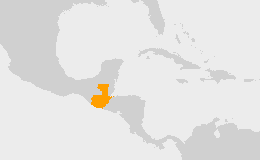
Las afiliadas de la CSI en Guatemala son la Central General de Trabajadores de Guatemala (CGTG), la Confederación de Unidad Sindical de Guatemala (CUSG) y la Unión Sindical de Trabajadores de Guatemala (UNSITRAGUA).
Guatemala ratificó el Convenio nº 87 sobre la libertad sindical y la protección del derecho de sindicación (1948) en 1952 y el Convenio nº 98 sobre el derecho de sindicación y de negociación colectiva (1949) en 1952.
según la ley
Libertad sindical / Derecho de sindicalización
Libertad sindical
El derecho a la libertad sindical está consagrado en la Constitución.
El derecho a la libertad sindical está regulado por el Código de Trabajo
Discriminación antisindical
La ley prohíbe la discriminación antisindical, pero no pevé medidas adecuadas de protección al respecto.
Barreras legales al establecimiento de organizaciones
- Se requiere un número mínimo de miembros excesivo para establecer un sindicato
- Se debe contar con la mitad más uno de los trabajadores de la actividad de que se trate para constituir sindicatos de industria (artículo 215, c), del Código del Trabajo)).
Restricciones al derecho de los trabajadores y trabajadoras a formar y afiliarse a organizaciones de su elección
- La ley impone restricciones al derecho de los trabajadores/as a afiliarse al sindicato de su elección
- En virtud de lo dispuesto en el artículo 3 de la Ley de sindicación y regulación de la huelga de los trabajadores del Estado y en el artículo 215 del Código del Trabajo, es imposible que un mismo sindicato agrupe a los funcionarios públicos y a los trabajadores del sector privado.
Restricciones al derecho de los sindicatos a organizar su administración
- Restriciones al derecho a elegir representantes y autoadministrarse con plena libertad
- Para poder ser elegido dirigente sindical la ley exige ser guatemalteco de origen y ser trabajador activo de la empresa (Artículos 220 y 223 del Código de Trabajo).
Derecho a la negociación colectiva
Derecho a la negociación colectiva
El derecho a la negociación colectiva está recogido en la Constitución
El derecho a la negociación colectiva está reconocido por la ley.
Restricciones al principio de negociación libre y voluntaria
- Procedimiento de arbitraje impuesto en caso de disputa durante una negociación colectiva, no sólo en los servicios esenciales
- Existe la posibilidad de imponer el arbitraje obligatorio en caso de conflicto en el transporte público y en los servicios relacionados con los combustibles.
Disposiciones que entorpecen el recurso a convenios colectivos y su eficacia
- Ausencia de mecanismos apropiados para fomentar y promover la maquinaria para la negociación colectiva
- En el sector público, no existe una reglamentación de la negociación colectiva, lo que da lugar a numerosos conflictos. La Comisión de Expertos de la OIT ha pedido repetidamente al Gobierno que adopte, en consulta con los sindicatos interesados, procedimientos de negociación colectiva en el sector público.
Derecho de huelga
Derecho de huelga
El derecho de huelga está consagrado en la Constitución
El derecho de huelga está regulado por el Código de Trabajo
Impedimentos legales a acciones de huelga legítimas
- Requisito de un quórum excesivo o de obtener una mayoría excesiva en una votación para poder convocar una huelga
- Los trabajadores/as tienen derecho a recurrir a la huelga, siempre que se cuente con el apoyo de la mitad más uno de los trabajadores en la empresa (Art. 241 Código del Trabajo).
- Recurso obligatorio al arbitraje o a largos y complejos procedimientos de conciliación y mediación antes de iniciar una acción de huelga
- Existe la posibilidad de imponer el arbitraje obligatorio en caso de conflicto en el transporte público y en los servicios relacionados con los combustibles.
Disposiciones que socavan el recurso a acciones de huelga o su eficacia
- Excesivas sanciones civiles o penales contra los trabajadores/as y sindicatos involucrados en acciones de huelga no autorizadas
- Existe la posibilidad de imponer sanciones laborales, civiles y penales en caso de huelga de los funcionarios públicos o de trabajadores de determinadas empresas.
En la Práctica
EL 26 de enero, la Corte Interamericana de Derechos Humanos condenó a Guatemala como responsable internacional por la violación de diversos derechos en perjuicio de 65 personas que trabajaban en el Organismo Judicial y fueron despedidas por su supuesta participación en un movimiento de huelga en 1996, declarado ilegal. Guatemala violentó el derecho al debido proceso de las víctimas al haber ejecutado los despidos como consecuencia directa de la declaratoria de ilegalidad de la huelga, sin un procedimiento previo e individualizado.
La huelga de trabajadores del Organismo Judicial se produjo entre el 19 de marzo y el 2 de abril de 1996, siendo declarada ilegal por la Sala Primera de la Corte de Apelaciones de Trabajo y Previsión Social y resultando en el despido de quienes habían participado. El Estado estableció limitaciones arbitrarias al derecho de huelga, a la libertad de asociación, a la libertad sindical y afectó el derecho al trabajo y a la estabilidad laboral de las 65 víctimas. Como parte de la sentencia, la Corte Interamericana ordenó al Estado de Guatemala adecuar su normativa sobre la vía recursiva, el procedimiento y la competencia judicial para la impugnación de la declaratoria de ilegalidad de una huelga, así como pagar indemnización por daños materiales e inmateriales. El Tribunal indicó que supervisará el cumplimiento íntegro de la sentencia y que dará por concluido el caso una vez que el Estado haya dado cabal cumplimiento a lo dispuesto en la misma.
El 7 de mayo de 2021, Cinthia del Carmen Pineda Estrada, de 35 años, perdió la vida en un ataque armado a la puerta de su domicilio, en el barrio El Chaparro Zacapa. La víctima era maestra de primaria y dirigente del Sindicato de Trabajadores de la Educación de Guatemala STEG. El Ministerio Público no ha dado ninguna información que permita conocer a los responsables y las causas de este crimen.
El 16 de junio 2021, Edgar Alejandro Talento y Jaime Col Ical, afiliados al Sindicato de Trabajadores de la empresa Fritolay Guatemala, sufrieron un ataque armado. Edgar Alejando, debido a la gravedad de las heridas fue trasladado al servicio de urgencias del Instituto Guatemalteco de Seguridad Social. Por su parte, Jaime logró salir ileso del ataque.
El 17 de septiembre de 2021, la Empresa Portuaria Santo Tomás de Castilla despidió a Víctor Oliva, secretario general del Sindicato de Trabajadores General Portuario (SINTRAGENPORT); a Marcos Eliú Castellanos, secretario general adjunto; y a Edwin Martínez, secretario de Finanzas, acusándolos de abandono de labores en forma colectiva y afectación de servicios públicos. Estos despidos son una clara medida de represión antisindical luego que el sindicato realizara una manifestación que denunciaba actos de corrupción dentro de dicha empresa.
El 16 de septiembre de 2021, fotografías de los miembros de la Junta Directiva del Sindicato de Trabajadores General Portuario (SINTRAGENPORT) de la Empresa Portuaria Nacional Santo Tomás de Castilla, aparecieron en una manta que fue colgada en la entrada de la empresa con el siguiente texto: «BASTA YA CON ESTAS RATAS JOYITAS DE LA EMPRONAC ladrones, extorsionistas, abusadores, estafadores de los sindicatos. ELLOS NO REPRESENTAN a la clase trabajadora honrada».
El 30 de agosto de 2021, el Sindicato de Trabajadores General Portuario (SINTRAGENPORT) de la Empresa Portuaria Nacional Santo Tomás de Castilla, recibió una llamada telefónica desde un número desconocido, amenazando de muerte a todos los miembros de la junta directiva del sindicato, incluidos Victor Oliva, secretario general; Marcos Eliú Castellanos Nufio, secretario general adjunto; Edwin Martínez, secretario de Finanzas; Rafael Aquino, secretario de Relaciones Intersindicales; Arturo Arzú, secretario de Prevención Social; José Eduardo Saldaña, secretario de Deportes; y Melvin Larios, secretario del Consejo Consultivo. El sindicato ha denunciado anomalías en posibles concesiones de una finca que implica a la empresa portuaria y la empresa rusa de níquel Solway, administrada por CGN.
El Ministerio de Trabajo mantiene una política de excesivas exigencias para la inscripción de sindicatos, que en muchos casos implica demandar requisitos no planteados en la legislación.
Durante el año 2019 se presentaron 59 solicitudes para inscribir nuevos sindicatos, pero solo 19 fueron autorizados. Una de las principales razones es que el Ministerio de Trabajo mantiene la práctica de exigir requisitos complejos, de dudosa legalidad, que llevan mucho tiempo para cumplirse lo que, en algunos casos, produce el desaliento y abandono del proceso. Esto es exactamente lo que la Hoja de Ruta manda a modificar, pero tal como ha declarado el mismo Ministerio de Trabajo, nada se ha hecho al respecto.
El compromiso 7 de la Hoja de Ruta establece que “con el fin de fortalecer el Estado de derecho en Guatemala, es importante y urgente que las sentencias de los tribunales laborales sean cumplidas y ejecutadas”. Una vez más se constata que no se ha avanzado en este punto. Se sigue con el promedio de la mitad de las sentencias incumplidas. Es decir, de la totalidad de los casos de personas trabajadoras que son despedidas por el mero hecho de querer organizar un sindicato, a pesar de las órdenes judiciales a su favor, tan solo la mitad son reinstaladas. A nivel de la Corte Suprema de Justicia, ningún cambio se ha realizado para modificar esta realidad.
Además, según los datos presentados ante la Comisión Tripartita, actualmente hay 3.054 casos de antejuicios contra funcionarios públicos por desobediencia de las órdenes de reinstalación y 1.900 han sido certificadas por el Ministerio Público. Es decir, no solo no se han aumentado las reinstalaciones, como establece la Hoja de Ruta, sino que en miles de casos se cometen delitos penales por parte de autoridades públicas al negarse a reintegrar a personas despedidas por el simple hecho de ejercer el derecho constitucional de organizarse sindicalmente.
El Ministro de Gobernación y su equipo paralizaron totalmente los trabajos que, al menos formalmente, se habían iniciado en 2017 con relación a los compromisos de dar protección a los dirigentes sindicales amenazados o en situación de riesgo en virtud de su actividad sindical. En efecto, el Ministro de Gobernación, Enrique Degenhart, eliminó todas las acciones definidas para las dependencias a su cargo, en especial de la Policía Nacional Civil (PNC), en el “Protocolo de Implementación de Medidas de Seguridad Inmediatas y Preventivas en favor de trabajadoras y trabajadores sindicalizados, dirigentes, directivos, militantes, lideresas y líderes sindicales, personas relacionadas con la defensa de los derechos laborales, así como los espacios físicos donde realizan sus actividades”.
Con relación al cumplimiento de la hoja de ruta de la OIT, durante todo el año 2019 no se han aclarado los asesinatos de los sindicalistas asesinados; no se ha concretado la construcción de un marco normativo e institucional de protección a los trabajadores ante delitos cometidos en su contra; no se ha avanzado en el desarrollo de campañas de sensibilización y divulgación del derecho a la libertad sindical; y no se han dado pasos concretos para asegurar el respeto de los derechos laborales de los trabajadores.
El Movimiento Sindical y Popular Autónomo Guatemalteco, la Central General de Trabajadores de Guatemala (CGTG) y la Unión Sindical de Trabajadores de Guatemala (UNSITRAGUA) denunciaron conjuntamente el retroceso en cuanto a los derechos laborales en Guatemala, reflejado en las casi nulas investigaciones en cuanto a asesinatos de sindicalistas, los despidos masivos que se producen tras cada cambio de gobierno distrital y la asignación de salarios poco dignos para los trabajadores guatemaltecos.
En agosto de 2019, los trabajadores de la municipalidad de Ciudad Vieja Sacatepéquez fueron intimidados por una supuesta “sociedad civil organizada” a renunciar a la organización del sindicato municipal, realizando una manifestación frente a la municipalidad, aunque algunos trabajadores consideran que ese movimiento antisindical ha sido organizado por el alcalde del municipio.
En cuanto a la negociación colectiva, la misma sigue teniendo un bajísimo desarrollo en Guatemala. Según informe elaborado por el Ministerio de Trabajo, en el año 2018 apenas se homologaron 14 pactos colectivos, a marzo de 2019, tan solo cuatro.
El 24 de noviembre de 2018, Edras Ezequiel de la Rosa Morales, miembro del Movimiento Sindical, Indígena y Campesino Guatemalteco (MSICG), líder del Sindicato de Trabajadores y Trabajadoras de la Educación de Telesecundarias de Santa Rosa (SINTRAT-SR) y presidente del Consejo Comunitario de Desarrollo (COCODE) del Caserío La Campesina, en el municipio de Taxisco, departamento de Santa Rosa, salió de su domicilio tras recibir una llamada telefónica. Poco después encontraron su vehículo abandonado y en su interior el cuerpo sin vida del sindicalista con heridas de bala en las piernas y degollado. No se conocen los móviles del crimen, sin embargo, de la Rosa Morales era un reconocido líder del gremio de telesecundaria que mantenía una destacada participación en la defensa de esa modalidad de enseñanza y contra la simulación de los contratos de trabajo como política del Ministerio de Educación para evadir el cumplimiento de los derechos laborales.
En la comunidad San Luis de Cobán, Alta Verapaz, se llevó a cabo un geo-posicionamiento de tierras, en cumplimiento del acuerdo 169 y los compromisos establecidos en una mesa de diálogo con el ministro de defensa, en la que estuvieron presentes miembros del Ministerio de la Defensa Nacional, el coronel de armas y municiones de Cobán, Rony Romero, y Mirna Nij, Secretaria General de la Federación Sindical de Mujeres de Guatemala (FSMG), quien brinda acompañamiento a las personas residentes en la finca. Durante una reunión mantenida antes de iniciarse el proceso de delimitación de tierras, soldados le toman varias fotografías a Mirna Nij. Una vez concluida la actividad y cuando Mirna Nij se dirige hacia la estación de bus Monja Blanca, se percata de que varios vehículos color blanco se encuentran parados al borde de la carretera y otro igual frente a la estación de buses cerca del cual había dos individuos que la vigilaban.
Los trabajadores de la empresa siderúrgica Ternium Guatemala, asociados en SITRATERNIUM, han denunciado la constante violación a sus derechos laborales y sindicales. Durante 2018, la empresa mantuvo su política de rebajas salariales para garantizar las ganancias de la empresa, y de represión antisindical dirigida hacia todos aquellos trabajadores que se afiliasen a la organización sindical. Esta actitud de la empresa se mantuvo desde que inició sus operaciones en el año 2000, pero pese a la constante campaña antisindical, el sindicato ha logrado mantenerse y en ocasiones iniciar negociaciones para mejorar las precarias condiciones laborales.
David Figueroa García, representante de los trabajadores miembros del Sindicato del Centro Universitario de Petén (CUDEP) y que trabajaba como conductor en el centro de estudios, falleció tras recibir varios disparos de un individuo que se desplazaba en una motocicleta, en un ataque que al parecer estaba dirigido a otra persona, que también perdió la vida en el incidente. El hecho tuvo lugar en las inmediaciones del municipio de San Benito, cerca del domicilio del sindicalista. Conviene mencionar que días antes David Figueroa había dado cuenta a algunos compañeros que venía siendo víctima de actos de difamación, hostigamiento e intimidación contra su liderazgo, por lo que tenía pensado renunciar a su cargo en el sindicato.
El cuerpo de Domingo Nach Hernández, integrante del Sindicato de Trabajadores de la Municipalidad de Villa Canales, fue encontrado sin vida el 20 de junio, días después de haber sido secuestrado por unos desconocidos. Poco después de ese asesinato, que se enmarca en la lucha por la readmisión de trabajadores de la municipalidad, la esposa de Isay Aylon, también miembro de la misma organización sindical, recibe una llamada telefónica con amenazas de muerte contra ella y sus hijos, si su esposo no abandona sus actividades en el sindicato.
Juan Chavarría, ex directivo del Sindicato de Trabajadores de la Municipalidad de Melchor de Mencos, Petén, fue asesinado por individuos no identificados, en un barrio de la cabecera departamental de dicho municipio. Este crimen tuvo lugar en el contexto de una denuncia que Chavarría efectuó contra el actual alcalde, Amado Yanes, por negarse a readmitir a un grupo de empleados afiliados al sindicato de la municipalidad, que habían sido despedidos poco después de iniciarse la gestión de Yanes.
En 2018, la multinacional panificadora Bimbo de Centroamérica S.A. continuó en Guatemala con su política de despidos antisindicales selectivos aplicados a quienes que se afiliasen al sindicato creado en 2016. En marzo de 2018, el sindicato afilió a 10 nuevos trabajadores, y una semana después tres de ellos fueron despedidos injustificadamente. Desde que la organización Sintrabimbo iniciase sus actividades, la empresa ha despedido a más de 250 trabajadores/as por afiliarse o simpatizar con el sindicato. En diversos casos los jueces ordenaron la readmisión de los trabajadores injustamente despedidos, pero la empresa se niega a acatar las medidas y ha optado por pagar las multas.
Norma Ramírez, miembro del Sindicato de Trabajadores del Ministerio de Gobernación (SITRAMINGOB), recibió llamadas telefónicas del asesor jurídico del Gobernador Departamental, amenazándola de muerte, a raíz de haber efectuado denuncias administrativas por anomalías en los procesos de fiscalización de sorteos.
Dos desconocidos dispararon con arma de fuego a Esteban Hermelindo Cux, del Comité de Unidad Campesina (CUC), y Joviel Acevedo, del Sindicato de Trabajadores de la Educación de Guatemala (STEG), cuando se encontraban acompañando el proceso de suministro de paquetes de alimentos para 14 familias beneficiadas por medidas cautelares otorgadas por la CIDH, en Panzós, Alta Verapaz.
La municipalidad incumplió los acuerdos contenidos en el Pacto Colectivo de Condiciones de Trabajo vigente para el año 2017, al no haber realizado entrega de los uniformes de trabajo ni de la sede sindical, tal como se establecía en dicho pacto.
Los Inspectores de Trabajo no ejercen su labor con apego a las normas labores ya que cuando se presentan denuncias de los pactos colectivos en las Delegaciones Departamentales del Ministerio de Trabajo y Previsión Social, son dirigidas a la Inspección General, sin que los trabajadores reciban respuesta, o bien las respuestas tardan mucho tiempo y van en contra de los derechos y beneficios adquiridos por los trabajadores/as. Por ejemplo: desde enero de 2016, el sindicato presentó el expediente para la homologación del pacto colectivo de condiciones de trabajo en la municipalidad de Jalapa, sin que todavía el Ministerio haya concluido los trámites; desde mayo de 2017 se presentó una solicitud de reforma de estatutos y todavía no se ha emitido el acuerdo ministerial respectivo; el 7 de diciembre de 2017, el sindicato presentó solicitud de inscripción de los miembros del Comité Ejecutivo y Consejo Consultivo electos y aún no se le ha notificado dicha inscripción.
El alcalde de la municipalidad Selvin Ottoniel Rivera en público y privado hace maniobras para poner a los trabajadores no sindicalizados en contra de quienes lo están. El 7 de noviembre de 2017 despidió a trabajadores que gozaban del fuero sindical, además de negarse a otorgar permisos para actividades sindicales.
En septiembre de 2017 IndustriALL Global Union presentó una queja ante el Punto Nacional de Contacto de la Organización para la Cooperación y Desarrollo Económico (OCDE) contra la multinacional Ternium, del grupo Techint, por negarse esta a reconocer y a negociar con el sindicato Sintraternium en sus plantas de producción de Guatemala. Esta actitud empezó a observarse en 2012 y ha proseguido a lo largo de 2017, año en el que la empresa ha seguido negándose a negociar con el sindicato y despidiendo a trabajadores por quejarse de las condiciones laborales.
El 1 de septiembre de 2017, Tomás Francisco Ochoa Salazar, Secretario de Conflictos del Sindicato de Trabajadores de Carnes Procesadas (SITRABREMEN) fue asesinado cuando salía del trabajo, a 50 metros de la entrada de la empresa. En el ataque también fue herido de bala Andy Noel Godínez, afiliado al mismo sindicato. Este crimen se ha producido en un contexto de conflictividad laboral dentro de la empresa BREMEN S.A., en el que los directivos han sido acusados de coaccionar a los afiliados del sindicato mediante una serie de maniobras para suspender de sus labores a trabajadores, enviarlos de vacaciones anticipadas y cambiar a otros de rutas de distribución, sin percibir salario.
En enero de 2017 la empresa Bimbo de Centro América S.A. despidió a más de 250 afiliados al Sindicato de Trabajadores y Trabajadoras de Bimbo de Centro América S.A. (Sitrabimbo). La empresa ha sido acusada por el sindicato de subcontratar toda la venta y distribución de productos y de someter al personal de producción a fuertes presiones para impedir que se afilien al sindicato . Los despidos de enero se llevaron a cabo luego de que la Sala Segunda de la Corte de Apelaciones de Trabajo y Previsión Social dejara sin efecto las medidas decretadas por el Juzgado Segundo del Trabajo y Previsión Social el 8 de septiembre de 2016, con arreglo a las cuales se ordenaba a la empresa la reincorporación de 75 trabajadores despedidos ilegalmente .
El 30 de junio del 2016, un grupo de 13 trabajadores de Bimbo de Centro América S.A. decidió organizarse. Apenas habían transcurrido cuatro horas cuando la empresa los despidió a todos. Más tarde, los días 2 y 6 de julio, la empresa despediría a otro grupo de 22 trabajadores, aduciendo una supuesta “reorganización de personal”. A pesar de la represión, más de 100 trabajadores y trabajadoras decidieron retomar la iniciativa y a los 20 días se presentó ante el Ministerio del Trabajo toda la documentación necesaria para la creación del Sindicato de Trabajadores y Trabajadoras de Bimbo de Centro América S.A. (Sitrabimbo). También se entregó copia del pliego de peticiones para una futura negociación colectiva en las siete sucursales establecidas a nivel nacional. La empresa inmediatamente despidió a decenas de trabajadores en todo el país. El 8 de septiembre, el Juzgado Segundo del Trabajo y Previsión Social ordenó la reinstalación de 75 trabajadores ilegalmente despedidos, sin embargo, Bimbo rehusó cumplir con la resolución y continuó amenazando con nuevos despidos y el cierre de agencias.
El 26 de diciembre de 2016, tras la publicación en la Gaceta Oficial de la inscripción del Sitrabimbo en el Registro Público de Sindicatos, Bimbo de Centro América S.A. emitió un comunicado en el que reconocía a la organización sindical y se comprometía a respetar el derecho de sus trabajadores a organizarse.
Sin embargo, el 17 de enero de 2017, la Sala Segunda de la Corte de Apelaciones de Trabajo y Previsión Social dio a conocer una resolución del 25 de diciembre del año anterior, donde dejaba sin efecto y levantaba las prevenciones decretadas por el Juzgado Primero del Trabajo contra Bimbo de Centro América S.A. dejando despedidos más de 250 trabajadores por la conformación del sindicato.
El 14 de noviembre de 2016, la Sala Regional Mixta de la Corte de Apelaciones de Antigua, Guatemala, resolvió declarar procedente el antejuicio para remover la inmunidad del alcalde de Tiquisate, departamento de Escuintla, Héctor Portillo Coronado, por los delitos de abuso de autoridad, coacción, amenazas y violencia contra las trabajadoras afiliadas al Sindicato de Empleados Municipales Organizados de Tiquisate del Departamento de Escuintla (SEMOT–MSICG). Ante la negativa de las trabajadoras a renunciar a la organización sindical, el Alcalde Municipal procedió de forma ilegal a suspender el pago de sus salarios de manera indefinida y posteriormente procedió a efectuar el despido masivo de las trabajadoras sobre la base de un acuerdo de lesividad de los contratos de trabajo, contando para ello con la aquiescencia del Juzgado Pluripersonal de Primera Instancia de Trabajo y Previsión Social del Departamento de Escuintla.
El 9 de noviembre de 2016 fue asesinado Eliseo Villatoro Cardona, Secretario de Organización y Propaganda y miembro del Comité Ejecutivo del Sindicato de Empleados Municipales Organizados de Tiquisate (SEMOT), del Departamento de Escuintla, afiliado al Movimiento Sindical, Indígena y Campesino Guatemalteco (MSICG). Eliseo Villatoro fue asesinado por dos desconocidos que le dispararon desde una motocicleta, cuando se dirigía a su domicilio. El sindicato venía recibiendo, desde el momento de su constitución, diversas amenazas y presiones del municipio de Tiquisate, que dejó de pagar los salarios a trabajadores afiliados a SEMOT y posteriormente los despidió.
El 24 de febrero de 2016, dos desconocidos asesinaron a Silvia Marina Calderón Uribio, coordinadora municipal de alfabetización de Patulul, Suchitepéquez integrante del Sindicato de Trabajadores del Comité Nacional de Alfabetización (SITRACONALFA). En octubre de 2016, las autoridades señalaron una versión preliminar según la cual se trató de un homicidio como consecuencia de un hurto, pero los integrantes de la organización sindical han exigido completo esclarecimiento de lo ocurrido.
En julio de 2016, el presidente del Congreso, Mario Taracena, informó de la decisión de reducir los salarios de los empleados del Congreso, debido a que el cálculo de un porcentaje de esos pagos se hacía sobre el monto equivocado, lo cual generaba ingresos muy onerosos para algunos de los trabajadores. Adicionalmente, anunció el inicio de despidos de unos 1.662 trabajadores quienes no tenían, aparentemente, tareas públicas asignadas. El Sindicato de Trabajadores del Organismo Legislativo (STOL) exigió el respeto de los derechos legal y legítimamente constituidos de los trabajadores, y demandó la conformación de un espacio de diálogo para conocer y establecer los posibles errores que se hubieran podido cometer en el pago de salarios, además de buscar soluciones que no violaran los derechos y garantías legítimas establecidas. El abuso de la presidencia del Congreso sobre este caso está en manos de la justicia.
La CSI denunció enérgicamente el asesinato de la sindicalista Brenda Marleni Estrada Tambiento ocurrido el 19 de junio de 2016. La dirigente sindical era Subcoordinadora de la Comisión de Asesoría Jurídica de la Unión Sindical de Trabajadores de Guatemala (UNSITRAGUA-HISTORICA), afiliada a la CSI, formaba parte del Grupo de Organizadores de Guatemala y era miembro del Equipo Jurídico Continental de la Confederación Sindical de las Américas (CSA). La sindicalista fue perseguida cuando regresaba de llevar a una terminal de buses a su padre, el dirigente sindical Jorge Estrada y Estrada, quien viene asesorando la negociación de pactos colectivos en unas de las fincas bananeras del Departamento de Izabal.
Durante 2016, el alcalde de la Municipalidad de Chisec, Departamento de Alta Verapaz, mantuvo una política de persecución contra los trabajadores sindicalizados de la entidad, generando agresiones por parte de los trabajadores no sindicalizados en su contra. Igualmente, el alcalde ha solicitado reiteradamente al Ministerio del Trabajo, toda la información sobre los directivos sindicales, así como un constante seguimiento a los documentos, libros de finanzas y actas del Comité Ejecutivo y de las asambleas sindicales, generando un ambiente de intimidación para los afiliados. En junio de 2016 se presentó una denuncia contra el alcalde ante el Ministerio Público.
El 19 de junio de 2016, la Coordinadora de la Comisión de Asesoría Jurídica de la Unidad Sindical de los Trabajadores de Guatemala Unsitragua-histórica, Brenda Marleni Estrada Tambito, fue asesinada cuando tomaba un bus en la zona 1 de Ciudad de Guatemala, y luego de despedirse de su padre el también defensor de derechos laborales y sindicales Jorge Estrada. La defensora fue asesinada por un sujeto desconocido que huyó del lugar de los hechos, después de dispararle sucesivas veces. Brenda era miembro del Grupo de Organizadores de Guatemala y del Equipo Jurídico Continental de la Confederación Sindical de las Américas (CSA) y era ampliamente reconocida por su asesoría en la negociación de pactos colectivos en zonas bananeras.
En la tarde del 8 de junio de 2016, Daniel Choc Pop, defensor de derechos humanos, indígena y campesino de la comunidad de San Juan Tres Ríos, fue asesinado por desconocidos que le dispararon varias veces. Daniel Choc Pop era un conocido líder defensor de las fuentes locales de agua y de la tierra, que estaba en disputa en la zona entre las comunidades y un dueño privado. El 30 de marzo de 2016, un grupo de hombres que portaban armas de fuego y machetes se presentó en San Juan Tres Ríos donde anunciaron que el dueño de Rancho Alegre les había autorizado a desplazar por la fuerza a la comunidad instalada en las tierras en disputa. Los líderes de la comunidad fueron amenazados con ser secuestrados y asesinados. Al retirarse, los hombres armados amenazaron con regresar a matar a los residentes. Al otro día, varios pobladores de San Juan Tres Ríos presentaron una queja ante la Oficina del Ombudsman de derechos humanos en Alta Verapaz, y solicitaron que se investigasen las amenazas, sin obtener resultados.
Benedicto Vicente Ordoñez, Secretario General del sindicato de trabajadores de la municipalidad de Santa Barbara, Suchitepequez, denunció el 20 de enero de 2015 ante la unidad fiscal especial de delitos contra sindicalistas que venía siendo víctima de persecución, amenazas y hostigamientos por su actividad sindical. En diversas ocasiones había sido perseguido por sujetos desconocidos y no descartaba que la persecución pudiera provenir de la corporación municipal, por lo que solicitó que se investigase al alcalde y al Consejo Municipal, teniendo en cuenta que un familiar cercano al alcalde en tono amenazante había señalado que la única forma de poder trabajar libremente en la municipalidad era haciendo desaparecer y eliminando al líder sindical.
El 16 de marzo de 2016, Walter Manfredo Méndez Barrios, Presidente y representante legal de la Cooperativa “La Lucha”, ubicada en el municipio de las Cruces en el departamento de Petén, fundador y miembro del Frente Petenero Contra las Represas, un movimiento nacional de afectados y amenazados por la construcción de represas y miembro activo de la Asociación de Comunidades Forestales de Petén (ACOFOP), sufrió un ataque armado por desconocidos en una parcela contigua a su vivienda, falleciendo cuando era trasladado al hospital regional de San Benito
El Sindicato de Trabajadores de la Finca Mi Tierra, Sociedad Anónima denuncio a la empresa Mi Tierra por las innumerables violaciones laborales contra los trabajadores, señalando principalmente represalias, pagos de salarios por debajo del salario mínimo, negación de derechos laborales como aguinaldo, bono catorce, vacaciones, asuetos, descuentos de salarios para seguridad social sin pagos del empleador al sistema, acoso laboral, aumento desmedido de tareas y amenazas continuas de despido por reclamar derechos.
Desde 1999 hasta 2015, se ha desarrollado un largo proceso en el cual se han realizado diferentes audiencias, amparos, arbitraje obligatorio, adhesión y recursos de apelación. El 6 de abril de 2015 el tribunal de arbitraje se declaró competente para tratar el conflicto. Del 22 al 29 de abril de 2015 se realizaron al menos cuatro audiencias con las partes implicadas. El 29 de abril se emitió sentencia restituyendo los derechos de los trabajadores, sin embargo, el 10 de mayo el representante legal de la empresa interpuso recurso de apelación contra el fallo. El 15 de julio de 2015 la Sala Cuarta de la Corte de Apelaciones de Trabajo y Previsión Social de Suchitepequez, declaró sin lugar el recurso de apelación. El 21 de agosto de 2015 se vuelve a remitir el expediente al juzgado de origen. De acuerdo a la denuncia del sindicato, para febrero de 2016 la entidad demandada no había cumplido nada de lo establecido en la Sentencia Arbitral.
Respecto al despido ilegal de 29 trabajadores organizados en el sindicato, el 25 de marzo de 2015 los trabajadores fueron reinstalados en sus puestos de trabajo, pero a agosto 2015 la entidad demandada no les había asignado funciones ni les había cancelado los salarios dejados de percibir desde su despido hasta su readmisión.
El 12 de febrero de 2016, en la Municipalidad de San Rafael Pie de la Cuesta, Departamento de San Marcos, con la llegada del nuevo alcalde Carlos Alfonso Mazariegos Ramírez, se procedió a realizar una serie de despidos injustificados, que afectan a 15 trabajadores entre los que se encuentran la Secretaria de Previsión Social del sindicato.
Un episodio similar se verificó unos días después, el 17 de febrero, en la Municipalidad de Purulhá, Departamento de Baja Verapaz. Con la llegada del nuevo alcalde Sebastián Castro García, se procedió a realizar una serie de despidos injustificados, que afectan a 106 trabajadores entre los que se encuentran miembros del sindicato y de su Comité Ejecutivo, sin respetar el fuero sindical.
El 17 de febrero de 2016, en la Municipalidad de Purulhá, Departamento de Baja Verapaz, con la llegada del nuevo alcalde Sebastián Castro García, se procedió a realizar una serie de despidos injustificados, que afectan a 106 trabajadores entre los que se encuentran miembros del sindicato y de su Comité Ejecutivo, sin respetar el fuero sindical.
En febrero de 2016, la Procuraduría General de la Nación anunció el inicio de más de 14 investigaciones contra pactos colectivos celebrados entre diversas entidades públicas y los sindicatos de dichas entidades. Desde entonces se ha desatado una constante persecución contra la negociación colectiva en el sector público en Guatemala, estigmatizando los acuerdos que, legalmente, las organizaciones sindicales han promovido en medio de constantes obstáculos legales y prácticos para su ejercicio. Como resultado de estas acciones estatales, se responsabiliza a la negociación colectiva del déficit presupuestal del Estado, desconociendo la responsabilidad personal que pudieron tener los funcionarios involucrados en estas presuntas irregularidades y los niveles desbordados de corrupción que han caracterizado al Estado desde hace años.
Esta situación ha dado lugar a una abusiva intervención del Ministerio del Trabajo, el cual congela o elimina cláusulas de los pactos colectivos de manera aleatoria y arbitraria según su decisión autónoma. En el caso del Pacto Colectivo de la Municipalidad de Jalapa, el Ministerio de Trabajo emitió una resolución en la cual resolvió la eliminación de algunos artículos que contienen derechos adquiridos, que los trabajadores han venido gozando desde hace varios años. Esta decisión unilateral, que tiene un año de haber sido aplicada, no ha podido ser revisada ni cuestionada ante ninguna autoridad pública. Las investigaciones de hechos de corrupción que posiblemente abusaron de la negociación colectiva no pueden seguir siendo utilizados como mecanismo para negar los derechos adquiridos legal y legítimamente por los trabajadores, ni tampoco el derecho de los trabajadores sindicalizados del sector público a exigir mejores condiciones de trabajo
El 12 de febrero de 2016, en la Municipalidad de San Rafael Pie de la Cuesta, Departamento de San Marcos, con la llegada del nuevo alcalde Carlos Alfonso Mazariegos Ramírez, se procedió a realizar una serie de despidos injustificados, que afectan a 15 trabajadores entre los que se encuentran la Secretaria de Previsión Social del sindicato.
El 6 de enero de 2016, fue encontrado el cuerpo sin vida de Marlon Dagoberto Vásquez López de 19 años, afiliado al Sindicato Nacional de Trabajadores de la Construcción y Servicios de Guatemala (SINCSG) y miembro activo de la red de jóvenes sindicalistas de Quetzaltenango. Las autoridades siguen sin haber elucidado el asesinato del joven líder sindical.
En Guatemala, la empresa Ingenio Palo Gordo inició despidos selectivos de trabajadores y trabajadoras afiliados al sindicato, debilitando la organización sindical y el pacto colectivo de condiciones de trabajo. Los despidos han sido de la siguiente manera: el 28 de febrero de 2015 despiden 10 trabajadores, el 15 de octubre 2015 a 10 más, el 6 de noviembre 2015 otros cinco y el 20 de noviembre 2015 a 10 trabajadores más. El Sindicato de Trabajadores del Ingenio Palo Gordo, que contaba con 283 trabajadores afiliados, pasó a tener en noviembre de 2015 apenas 203 miembros. La empresa mantiene una campaña para que los trabajadores y trabajadoras no se afilien al sindicato y además ha creado una subdivisión para obstaculizar la acción sindical.
El 24 de septiembre de 2015 fue asesinado el sindicalista Mynor Rolando Ramos Castillo, afiliado al Sindicato de Trabajadores de la Municipalidad de Jalapa (SITRAMJ). El trabajador había sido despedido por sus actividades sindicales y formó parte de las movilizaciones para que el Alcalde Municipal, Elmer Leónidas Guerra, cumpliera con la resolución del Juez de Trabajo ordenando la readmisión de las trabajadoras y los trabajadores despedidos.
El 30 de septiembre de 2015, el Movimiento Sindical, Indígena y Campesino Guatemalteco (MSICG) remitió al Consejo de Administración de la Organización Internacional del Trabajo (OIT) información relacionada con el incumplimiento por parte del Estado de Guatemala del Convenio 87. Se señala la impunidad en torno al asesinato de su dirigente Manuel de Jesús Ramírez, que tal como reconociera el Gobierno de Guatemala ante la OIT, se produjo a causa de sus actividades sindicales, siendo su empleador el Instituto de la Defensa Pública Penal que en el momento del asesinato estaba dirigido por la magistrada de la Corte Suprema de Justicia, Blanca Aida Stalling Dávila.
El MSICG también se refirió en su informe, entre otros aspectos relevantes, a la sistemática negación de la inscripción de organizaciones sindicales por parte del Ministerio de Trabajo y Previsión Social.
En enero de 2012 la Municipalidad de Livingston, existiendo un conflicto colectivo y a pesar de estar emplazada, notificó la terminación de la relación laboral de 41 trabajadores organizados sindicalmente, sin observar las formalidades legales que regulan la terminación de un contrato o relación laboral en base al Código de Trabajo.
El 28 de enero de 2014, la Corte de Constitucionalidad admitió el amparo interpuesto y ordenó al juzgado la inmediata reinstalación de los 41 trabajadores. El 29 de octubre de 2014 se da por cumplida la orden de reinstalación ordenada por el Juzgado de Primera Instancia de Trabajo y Previsión Social de Izabal en sus mismos puestos de trabajo, salarios y funciones. A pesar de esto, el día 4 de noviembre de 2014 fueron nuevamente despedidos por “reorganización administrativa”, según la municipalidad. Entre el 4 y 16 de marzo de 2015 fueron reinstalados 38 trabajadores y trabajadoras, cumpliendo nueva orden del juez, sin embargo, para agosto de 2015, a los trabajadores no les habían asignado funciones, ni les habían pagado sus salarios. Los trabajadores se encuentran frente al edificio municipal, exigiendo el respeto de sus derechos.
El movimiento sindical autónomo de Guatemala señaló el incumplimiento del Convenio 87 sobre libertad sindical y la protección del derecho de sindicación, apuntando a la gravísima situación en la que el derecho a organizarse libremente y la posibilidad de realizar las acciones propias de un sindicato se vulneran cotidianamente. Durante 2015, las autoridades estatales han profundizado sus acciones represivas, ilegales e inconstitucionales contras sindicatos y sus dirigentes.
Después de mucha insistencia las organizaciones sindicales han logrado que formalmente las autoridades nacionales se comprometieran a investigar los asesinatos de 74 sindicalistas, de manera que el ministerio público abrió una instrucción para las investigaciones. Respondiendo a las presiones sindicales para conocer el estado de las investigaciones, en agosto de 2015 el ministerio envió un informe en el que solo menciona tres casos en procesos de investigación, de estos casos uno de ellos se indica que hay una sentencia condenatoria por vía del procedimiento abreviado, sin señalarse sobre cuál es la sentencia, cuál es el delito, quién es la persona condenada ni otro tipo de datos que pudiera permitir entender el punto. De los otros casos, en uno se dice que se abrirá a juicio y en otro se recibirán declaraciones.
El conflicto se inició en el mes de mayo de 2012, con el despido de 260 trabajadores y trabajadoras, quienes gracias al apoyo del movimiento sindical internacional fueron reinstalados el 7 de diciembre de 2012, aunque para 2015 no se les había hecho efectivo el pago de los salarios caídos.
El 30 de octubre de 2014, durante una reunión en el despacho del Ministro de Trabajo, Carlos Contreras, para buscar alternativas de solución al conflicto, el Alcalde Municipal Elmer Leónidas Guerra Calderón, se comprometió a regresar a firmar el acta respectiva esa tarde. Esa misma tarde fueron despedidos otros 180 trabajadores y trabajadoras. Se presentaron las solicitudes respectivas de reinstalación, pero el Alcalde Municipal se negó a readmitirlos, en un claro desacato a la orden dictada por el juez de trabajo.
En julio de 2015, Mario Ramiro Pérez Guerra, mediador independiente de la Comisión de Tratamiento de Conflictos ante la OIT en materia de libertad sindical y negociación colectiva, invitó a los miembros del sindicato a aceptar la mediación de la Oficina para buscar alternativas de solución. Se estableció una comisión que mantuvo cuatro reuniones, pero pese a las manifestaciones aparentes de voluntad política por parte del alcalde, éste continúa dilatando la situación y desconociendo el derecho de los trabajadores.
En diciembre de 2013 trabajadores y trabajadores del Comité Olímpico Guatemalteco (COG) conformaron el Sindicato de Trabajadores del Comité Olímpico Guatemalteco. En el transcurso de 2013 se negoció un convenio colectivo, aprobado por el Ministerio de Trabajo de conformidad con las leyes laborales nacionales e internacionales vigentes.
Tras agotar la vía administrativa, se presentó la denuncia al juzgado de trabajo solicitando la readmisión de los despedidos. Sin embargo, el proceso no ha avanzado debido a que las autoridades del COG interpusieron recursos dilatorios. El 5 de marzo de 2014 se presentó denuncia al Ministerio Público y en fecha 21 de julio 2015 (un año y tres meses después) la Fiscalía presentó acusación contra el COG por discriminación y coacción, ya que se estableció daño psicológico y económico contra las sindicalistas despedidas. Representantes del COG manifestaron que no aceptaban negociar con los actuales miembros del sindicato y que con respecto a la readmisión de los despedidos esperarían la orden del juez.
En julio de 2015, a pesar de estar en marcha acciones judiciales y de negociación, las autoridades del COG despidieron a más afiliados, continuando con la actitud represiva e irrespetuosa de la libertad sindical. Además, amenazaron a todos los trabajadores y trabajadoras con despedirles si no se desafilian del sindicato.
El 26 de julio de 2015, el entonces Ministro de Salud Pública y Asistencia Social de Guatemala, Luis Enrique Monterroso de León, se presentó ante el Ministerio Público denunciando penalmente al Sindicato Nacional de Trabajadores de la Salud de Guatemala (SNTSG) así como al anterior Ministro de Salud, Jorge Villavicencio, por supuestos delitos de enriquecimiento ilícito, fraude y extorsión.
La denuncia está vinculada con la suscripción del Pacto Colectivo 2013-2015 entre las partes. Según el denunciante, Villavicencio y los dirigentes sindicales habrían incurrido en varios delitos al firmar un pacto lesivo a los intereses del Ministerio de Salud. Además, Monterroso denuncia que, con amenazas de paralizar el sistema nacional de salud, los dirigentes sindicales le exigían la reinstalación de 28 trabajadores que fueron destituidos por haber cometido faltas administrativas; presionaron para que se pagasen viáticos con agilidad a los líderes sindicales y para que firmase la derogación del acuerdo ministerial 136-2015 sobre unidades de control interno o auditoría.
La denuncia penal se enmarca en una creciente campaña de desprestigio del sindicalismo en general y del sector público en particular, a la cual se han sumado diversos voceros de sectores empresariales y estatales, así como medios de comunicación. Todo ello en medio de una terrible situación de la red hospitalaria nacional. De hecho, al día siguiente de la denuncia, el Colegio de Médicos y Cirujanos de Guatemala exigió al Presidente la destitución de Monterroso, responsabilizándolo de la crisis hospitalaria y de otras anomalías, demandando que el caso fuera trasladado al Ministerio Público (MP) para que se deduzcan las responsabilidades civiles y penales.
La denuncia, además de grave, es claramente violatoria del artículo 3 del Convenio 87 de la OIT. El Ministro de Salud pretende utilizar el sistema penal para oponerse y neutralizar la acción sindical. Resulta insólito que una autoridad nacional demande penalmente al anterior Ministro y dirigentes sindicales por el contenido de un pacto colectivo firmado años atrás.
Doce trabajadores miembros del Comité Ejecutivo del Sindicato de Trabajadores de la Municipalidad de Santa Catalina la Tinta fueron despedidos el 31 de diciembre de 2010 de forma directa, injustificada y sin previa autorización de juez competente, a pesar de gozar de protección sindical. Casi cinco años después, en febrero de 2015, ante el Juzgado de Primera Instancia de Trabajo y Previsión Social y Económico Coactivo de Cobán, Alta Verapaz, la Municipalidad se comprometió a reinstalar a todos los trabajadores en sus puestos de trabajo, como así ocurrió.
Sin embargo, el 29 de mayo de 2015, los 12 trabajadores fueron despedidos nuevamente, aduciendo que la municipalidad no tenía capacidad económica para seguir pagando sus salarios. El 6 de junio de 2015 se readmite únicamente a 10 de los trabajadores despedidos, dado que gozaban del Derecho de Inamovilidad, pero los otros dos no serían readmitidos argumentando que no existía norma legal ni orden judicial que obligase a la municipalidad a reinstalarlos. A los 12 trabajadores involucrados se les adeudan sus salarios y prestaciones desde el inicio del conflicto.
La municipalidad repitió la misma actitud represiva contra otros 23 trabajadores sindicalizados a quienes despidió el 31 de enero de 2012 de sus labores de forma directa, injustificada, sin previa autorización de juez competente ya que la municipalidad estaba sujeta a un conflicto colectivo y los trabajadores eran miembros del sindicato. El 19 de febrero de 2015 la entidad procede a reinstalar a los 23 trabajadores en sus mismos puestos de trabajo cumpliendo la orden judicial al respecto, pero vuelve a despedirlos en mayo de 2015 siempre con el argumento de falta de recursos para pagar los salarios. Hasta el momento, esos trabajadores siguen sin ser reinstalados.
En agosto de 2014, en el marco del conflicto de los trabajadores de la empresa Plantaciones de Café el Ferrol, la Florida y Santa Elena (FEFLOSA S.A.) por la falta de pago de acreencias laborales y el despido sin justa causa de algunos trabajadores, miembros de la empresa agredieron físicamente y amenazaron a los trabajadores. Posteriormente, la Inspección General de Trabajo levantó un acta donde acusaba a los trabajadores de extorsionar al patrono. El 7 de agosto de 2014, los trabajadores presentaron una queja ante el Ministerio Público sin que a marzo de 2015 se tenga ninguna notificación sobre las investigaciones.
El 30 de septiembre de 2014, el representante legal de la empresa firmó un acta del Ministerio del Trabajo, comprometiéndose a efectuar los pagos a los trabajadores. Para finales del mes de octubre, los pagos sólo habían sido parciales. Esta situación desesperada llevó a uno de los trabajadores a ejercer su derecho “a la resistencia para la protección y defensa de los derechos y garantías constitucionales”, ocupando una galera de la finca. Frente a esta situación, el empleador se negó a pagar las sumas aún adeudadas a todos los trabajadores e intentó desalojar violentamente al trabajador y su familia. En esta acción atropelló a la esposa del trabajador que sufrió graves lesiones.
Entre el 25 de marzo y el 8 de abril de 2014, tres miembros del Sindicato de Trabajadores Municipales de Jalapa fueron asesinados a tiros. Venían haciendo campaña para exigir a la municipalidad de Jalapa el pago de siete meses de salario que se les adeudaba después de haber sido reincorporados a sus puestos de trabajo.
El 7 de julio de 2014, Gabriel Enrique Ciramagua Ruiz, secretario de organización del Sindicato de Trabajadores de la Municipalidad de Zacapa (SITRAMUZAC), fue asesinado.
El 28 de junio de 2014, Joaquín Chiroy y Chiroy, fundador del Sindicato Gremial de Vendedores y Similares del Mercado Municipal de Sololá y secretario general adjunto del mismo, fue asesinado por desconocidos, a las 4:30 a.m. a doscientos metros de su vivienda. El 21 de julio se pidió a la Fiscalía Distrital del Ministerio Público en el Departamento de Sololá, la investigación de los hechos. Actualmente el caso se encuentra en esa fiscalía, con el número de expediente MP086-2014-1528. Hasta la fecha no hay resultados de la investigación.
Benedicto Vicente Ordoñez, Secretario General del sindicato de trabajadores de la municipalidad de Santa Barbara, Suchitepequez, denunció el 20 de enero de 2015 ante la unidad fiscal especial de delitos contra sindicalistas que venía siendo víctima de persecución, amenazas y hostigamientos por su actividad sindical. En diversas ocasiones había sido perseguido por sujetos desconocidos y no descartaba que la persecución pudiera provenir de la corporación municipal, por lo que solicitó que se investigase al alcalde y al Consejo Municipal, teniendo en cuenta que un familiar cercano al alcalde en tono amenazante había señalado que la única forma de poder trabajar libremente en la municipalidad era haciendo desaparecer y eliminando al líder sindical.
Las zonas bananeras del sur y norte de Guatemala llevan desde hace numerosos años siendo el escenario de graves violaciones a los derechos laborales, sindicales y a la integridad física de sus trabajadores. En 2013 y 2014, Guatemala fue el segundo exportador mundial de banano, lo que ha generado inmensas ganancias para las empresas. Sin embargo, los trabajadores ganan alrededor de 12,9 USD por 12 horas de trabajo, sin prestaciones de salud o seguridad social. En la zona sur ha sido imposible la constitución de organizaciones sindicales debido a la violencia y amenazas que se reciben. En el norte, los trabajadores constituyeron SITRABI. Este sindicato ha sobrevivido a pesar de la violencia contra sus miembros y sus familias, y las constantes violaciones de las empresas a la negociación colectiva.
El 11 de mayo de 2014 fue asesinado el dirigente sindical Luis Arnoldo López Esteban, integrante del Sindicato de Trabajadores del Transporte en Servicio Público de Ciudad Pedro de Alvarado, Jutiapa, (SITRASEPUCPA). Dos individuos le solicitaron un viaje y al encontrarse en un lugar desolado cometieron el crimen.
En abril de 2014, Coca Cola inició una fuerte campaña mediática de desprestigio contra el Sindicato de Trabajadores de Alimentos y Bebidas Atlántida S.A. (SITRAABASA), anunciando que en la empresa existen dos grupos de trabajadores: los que, independientemente del cargo, son considerados de “confianza” y los que están afiliados al sindicato.
A los primeros, la empresa les otorgó aumentos salariales, mientras que los trabajadores organizados deberán esperar hasta que se firme el convenio colectivo.
Ante esta actitud discriminatoria, varios trabajadores decidieron abstenerse de realizar horas extras, a lo que la empresa reaccionó suspendiéndolos de sus puestos de trabajo el 24 de abril.
El 31 de enero de 2014, diez días después de la toma de posesión de las autoridades del Comité Olímpico Guatemalteco, despidieron sin justificación alguna a 7 trabajadores y 13 trabajadoras del Comité Olímpico Guatemalteco, todos afiliados al sindicato y entre ellos a todo el Comité Ejecutivo y el Consejo Consultivo del Sindicato.
La Unión Sindical de Trabajadores de Guatemala (UNSITRAGUA-HISTORICA), ha informado sobre un atentado contra trabajadores de la empresa agropecuaria Omagua Campo Verde I y II, en Puerto Barrios, Izabal, productora de la transnacional Chiquita Brand.
El 10 de enero de 2014, hombres desconocidos dispararon contra un grupo de 11 trabajadores que se encontraban reunidos en la sede del sindicato. El Secretario General, Juan de Dios Sagastume Rodas, resultó herido en la rodilla por una de las balas.
La Policía Nacional Civil, a pesar de haber sido informada inmediatamente de los hechos, no acudió al lugar hasta el día siguiente, cuando dos agentes se presentaron a la clínica del Seguro Social de Puerto Barrios para interrogar a Sagastume Rodas.
La CSI denunció el asesinato del joven sindicalista Marlon Dagoberto Vásquez López, de apenas 19 años. Afiliado al Sindicato Nacional de Trabajadores de la Construcción y Servicios de Guatemala (SINCSG), Marlon era estudiante de bachillerato y miembro activo de la red de jóvenes sindicalistas de Quetzaltenango. Su cuerpo fue encontrado el 6 de enero de 2014 en la municipalidad de Concepción Chiquirichapa.
El 6 de enero de 2014, la Confederación de Unidad Sindical de Guatemala (CUSG) denunció que 10 trabajadores de la municipalidad de Jutiapa, nueve de los cuales estaban afiliados al sindicato, habían sido despedidos.
El 3 de diciembre de 2013, la Confederación de Unidad Sindical de Guatemala (CUSG) denunció que la Alcaldía de Malacatán, San Marcos, exigía una autorización a los trabajadores municipales que quisieran afiliarse a un sindicato. La CUSG afirmó que el alcalde, Juan Raul Fuentes Montes, manifestó públicamente “no querer sindicalistas en la municipalidad”.
El 14 de noviembre, delincuentes armados ingresaron en el domicilio de un familiar, a pocos pasos de su casa. Indicaron estar siguiendo órdenes “de arriba” y mostraron una foto de Ramos señalándolo como su verdadero objetivo.
El 22 de noviembre de 2013, la Federación Internacional de los Trabajadores del Transporte (ITF) denunció un ataque contra la familia de Lázaro Ramos, Secretario General de uno de sus afiliados, el Sindicato de Trabajadores de la Empresa Portuaria Quetzal (STEPQ).
El STEPQ y la ITF están convencidos de que este reciente incidente está directamente vinculado a las acciones desplegadas para que el sindicato abandone las acciones legales contra la privatización de una parte del puerto y su concesión a la empresa española TCB (Terminal de Contenedores de Barcelona).
El 12 de junio de 2013, el Movimiento Sindical y Popular Autónomo Guatemalteco denunció que las autoridades de la Dirección General de Trabajo no han inscrito o no han autorizado los estatutos de varias organizaciones, entre ellas: el Sindicato de la Municipalidad de San José El Rodeo; el Sindicato de Trabajadores de la Dirección General de Aeronáutica Civil; el Sindicato de Trabajadores de la Educación de Sololá; el Sindicato de Trabajadores del Zoológico La Aurora; y el Sindicato de Trabajadores de Purulá.
Desde que se formó el sindicato, en junio de 2012, la empresa de vestuario Koa Modas inició una campaña de desprestigio contra los miembros del Comité Ejecutivo. En octubre de 2012, la líder sindical Mariela Miranda fue agredida y amenazada de muerte. En abril de 2013, 13 trabajadores afiliados al sindicato fueron despedidos.
En febrero de 2013, el intento de los trabajadores del Registro de Información Catastral de formar un sindicato fue recibido con despidos masivos y la negativa por parte de las autoridades en reconocer la personalidad jurídica de la organización.
Desde la llegada de las nuevas administraciones municipales, quienes asumieron sus cargos el 15 de enero de 2012, los trabajadores y trabajadoras de este sector vienen enfrentándose a serias violaciones contra los derechos laborales fundamentales, que van desde el hostigamiento, amenazas de muerte, persecución, intimidación, despidos injustificados, discriminación de género, falta de cumplimiento del pago del salario mínimo establecido por la ley, violación de los derechos garantizados en el pacto colectivo de condiciones de trabajo, e incluso el asesinato de dirigentes sindicales y miembros de la base.
El alcalde de Jalapa, Élmer Leonidas Guerra Calderón, desde su llegada a la municipalidad inició acciones antisindicales, dejando como consecuencia 260 trabajadores/as despedidos desde abril de 2012. A pesar de existir una orden del juez competente para la readmisión de los trabajadores, el alcalde mantuvo un posicionamiento negativo de darle cumplimiento a la resolución judicial. Esta situación fue resuelta en diciembre de 2012, como producto de las fuertes acciones y medidas implementadas por la CSI y CSA.
Apenas unas semanas después de haberse constituido el Sindicato de Trabajadores de Alimentos y Bebidas Atlántida S.A. (SITRAABASA), en la planta embotelladora de Tuculután, recientemente adquirida por Coca Cola, la patronal arremetió contra los afiliados al sindicato. El 12 de febrero, Arthur Goossens, presidente del Consejo de Administración y representante legal de la empresa, mantuvo retenido por más de siete horas a todo el personal de la planta y presionó para que desistieran de afiliarse al sindicato.
El 27 de agosto de 2013, casi un año después de haber iniciado la negociación por la vía directa de un nuevo convenio colectivo y pese a haber firmado ya 97 de las 115 cláusulas que conforman el pliego de peticiones, la obstinación de la empresa INCASA de querer aplicar un tabulador y un escalafón alterno al personal de nuevo ingreso, ha llevado al Sindicato de Trabajadores de la Industria de Café S.A. (SITINCA) a iniciar el procedimiento de huelga.
Los dirigentes y miembros de los sindicatos se enfrentan a actos de violencia física, amenazas y secuestros. Al menos 53 sindicalistas han sido asesinados en los últimos seis años.
En enero de 2013, los sindicalistas de la municipalidad de Purulhá, Baja Verapaz, presentaron denuncias por amenazas de muerte ante el juzgado competente. Sin embargo los trabajadores no sólo no recibieron las medidas otorgadas por el juzgado sino que además fueron acusados ante el juez por el Ministro de Gobernación de no comparecer a una reunión a la que nunca habían sido convocados.
En julio de 2012, los afiliados al Sindicato de Trabajadores de la Municipalidad de Pueblo Nuevo Viñas, Departamento de Santa Rosa, presentaron a la Inspección General de Trabajo el proyecto de pacto colectivo de condiciones de trabajo. Después de meses sin respuesta, el sindicato pidió explicaciones a la Inspección y le contestaron que el expediente se había extraviado.
El 15 de enero de 2012, el Alcalde de la Municipalidad de San José El Rodeo despidió a 24 trabajadores que se encontraban en el proceso de formación del Sindicato de Trabajadores de La Municipalidad.
En junio de 2012, Ingenio Palo Gordo, una de las principales compañías en la agro-industria de la caña de azúcar, despidió a siete integrantes del Comité Ejecutivo del sindicato.
Entre 2011 y 2012, la Comisión Presidencial de Derechos Humanos despidió a prácticamente todos los miembros de la junta directiva del sindicato.
Si bien el tenor de la ley contiene las disposiciones sobre protección de los derechos sindicales, en la realidad los poderes fácticos guatemaltecos operan con éxito una serie de prácticas de variada naturaleza para oponerse a la constitución de sindicatos, particularmente en el sector privado. La mayoría de organizaciones sindicales ha sido objeto de asesinatos, violaciones, agresiones, amenazas, campañas de desprestigio, penetración, paralelismo y exclusión de todos los espacios de diálogo social, y en esas difíciles condiciones han mantenido su trabajo sociopolítico, desde la perspectiva de un sindicalismo independiente. Las municipalidades violan con frecuencia derechos sindicales y condiciones de trabajo, en un ambiente de violencia y amenazas.