
Venezuela
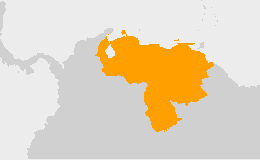
Las afiliadas de la CSI en Venezuela son la Alianza Sindical Independiente (ASI) y la Confederación de Trabajadores de Venezuela (CTV).
Venezuela ratificó el Convenio nº 87 sobre la libertad sindical y la protección del derecho de sindicación (1948) en 1982 y el Convenio nº 98 sobre el derecho de sindicación y de negociación colectiva (1949) en 1968.
según la ley
Libertad sindical / Derecho de sindicalización
Libertad sindical
El derecho a la libertad sindical está consagrado en la Constitución.
El derecho a la libertad sindical está regulado por el Código de Trabajo
Discriminación antisindical
La ley prohíbe la discriminación antisindical, pero no pevé medidas adecuadas de protección al respecto.
Restricciones al derecho de los sindicatos a organizar su administración
- Restriciones al derecho a elegir representantes y autoadministrarse con plena libertad
- La Constitución exige que los estatutos de los sindicatos prevean que los mandatos de sus dirigentes no sean renovables y estén sometidos al sufragio universal, directo y secreto (Constitución, Art. 95). Por su parte, la nueva Ley del Trabajo impone un sistema de votación que integra en la elección de la junta directiva la forma uninominal y la representación proporcional (LOTT, Art. 403). Además, mantiene el principio de que la mora electoral (incluso en el marco de recursos ante el Consejo Nacional Electoral (CNE)) inhabilita a las organizaciones sindicales para la negociación colectiva. Igualmente, se condiciona la elegibilidad de los dirigentes a haber convocado en plazo a elecciones sindicales cuando eran dirigentes de otra organización (LOTT, Art. 387) y se impone la figura del referéndum revocatorio de cargos sindicales (LOTT, Art. 410).
- Otras interferencias externas admitidas por la ley
- (1) La Constitución dispone que en espera de que se promulguen nuevas leyes, los procesos electorales serían convocados, organizados, dirigidos y supervisados por el Consejo Nacional Electoral (CNE). La OIT había señalado en numerosas ocasiones la necesidad de que el CNE, que no es un órgano judicial, dejara de inmiscuirse en las elecciones sindicales y de estar facultado para anularlas. Había señalado asimismo la necesidad de que se modificara o derogara el estatuto para la elección de las directivas (sindicales) nacionales que otorga un papel preponderante al CNE en diferentes etapas del proceso de elecciones sindicales. (2) La nueva ley limita las funciones del CNE con respecto a la situación anterior. No obstante, todavía establece que las juntas directivas sindicales pueden solicitar su apoyo logístico para organizar elecciones (LOTT, Art. 405) y sigue conociendo de los recursos que puedan presentar los afiliados. Además, la nueva ley sigue obligando a las organizaciones sindicales a remitir a las autoridades la nómina completa de afiliados, y a suministrar a los funcionarios competentes las informaciones que les soliciten sobre sus obligaciones legales (LOTT, Art. 388). Los artículos 367 y 368 de la LOTTT imponen requisitos legales arbitrarios, incluyendo la imposición del principio de representación proporcional o la imposición a los sindicatos de deberes y propósitos ajenos a su naturaleza.
Derecho a la negociación colectiva
Derecho a la negociación colectiva
El derecho a la negociación colectiva está recogido en la Constitución
Restricciones al principio de negociación libre y voluntaria
- Procedimiento de arbitraje impuesto en caso de disputa durante una negociación colectiva, no sólo en los servicios esenciales
- La nueva ley dispone que para la negociación por rama de actividad, si no fuera posible la conciliación, el funcionario del trabajo, a solicitud de las partes o de oficio, someterá el conflicto a arbitraje, a menos que las organizaciones sindicales participantes manifiesten su propósito de ejercer el derecho de huelga (LOTT, Art. 465).
- Las autoridades pueden intervenir en la conclusión de convenios colectivos
- La nueva ley dispone que la discusión de un proyecto de negociación colectiva se realizará en presencia de un funcionario, quien presidirá las reuniones (LOTT, Art 449).
Restricciones respecto al ámbito de aplicación y la efectividad legal de los convenios colectivos negociados
- Se requiere la aprobación de las autoridades respecto a convenios colectivos concluídos libremente
- La nueva ley dispone que el Inspector del Trabajo verificará la conformidad de los convenios colectivos con las normas de orden público que rigen en la materia, a los efectos de impartir la homologación (LOTT, Art. 450). Si el Inspector lo estimare procedente, en lugar de la homologación, podrá indicar a las partes las observaciones y recomendaciones que procedan, las cuales deberán ser subsanadas dentro de los quince días hábiles siguientes (LOTT, Art. 451).
Derecho de huelga
Derecho de huelga
El derecho de huelga está consagrado en la Constitución
Disposiciones que socavan el recurso a acciones de huelga o su eficacia
- Excesivas sanciones civiles o penales contra los trabajadores/as y sindicatos involucrados en acciones de huelga no autorizadas
- El Código Penal castiga y reprime mediante la aplicación de penas el derecho a la manifestación pacífica y el derecho a la huelga con paralización de empresas, actividades frecuentemente asociadas a reivindicaciones de índole laboral.
Limitaciones o prohibición de hacer huelga en algunos sectores
- Determinación discrecional o lista excesivamente larga de «servicios esenciales» en los que el derecho de huelga queda prohibido o severamente restringido
- En caso de huelga, corresponde al Ministro del Poder Popular en materia de trabajo determinar las áreas o actividades que durante el ejercicio de huelga no pueden ser paralizadas por afectar la producción de bienes y servicios esenciales (LOTT, Art. 484).
En la Práctica
Desde el inicio de la pandemia los médicos venezolanos han denunciado las precarias condiciones en las que tuvieron que hacer frente al coronavirus, así como la falta de pago completo de lo acordado en el acta de convenio. Por este motivo, que viene a sumarse a la crisis humanitaria que ya venía atravesando el país, el sector sanitario realizó protestas por tres días en julio 2021.
El sindicato Monitor Salud ha señalado el altísimo número de profesionales de la salud infectados por Covid-19 debido a la falta de condiciones adecuadas. No se pueden realizar satisfactoriamente las labores de limpieza y mantenimiento de las instalaciones ni se les proporciona el equipo adecuado. El alto riesgo al que se enfrentan los profesionales no está compensado con salarios y garantías del ejercicio a la libertad sindical.
En el transcurso de 2021, continuaron en Venezuela las graves restricciones a las libertades sindicales y la autonomía en las organizaciones sindicales. Tanto el Consejo Nacional Electoral (CNE), como el Ministerio de Trabajo autorizaron la realización de elecciones y desde el Estado se promueven organizaciones que no representan los derechos de los trabajadores, en muchos casos con salarios bajísimos.
El 18 de agosto de 2021, trabajadores de Masisa, se movilizaron hasta la sede administrativa de la empresa en la ciudad de Puerto Ordaz, exigiendo que se respete su derecho a elegir los delegados de prevención y salud laboral, para lo cual la patronal tenía que entregar unos recaudos requeridos en el proceso electoral, pero se negó a cumplir con su obligación. Esta negativa representa una injerencia al ejercicio del derecho de los trabajadores a elegir a sus representantes para la defensa legítima de sus derechos. El 2 de septiembre de 2021, los trabajadores convocaron las elecciones a pesar de la falta de cumplimiento por parte de la empresa y eligieron a sus dirigentes sindicales.
El 17 de septiembre, el ministro de Industrias, Jorge Arreaza, visitó por sorpresa las instalaciones de la empresa. Los directivos sindicales y sindicalistas, entre ellos Carlos Sánchez, aprovecharon su visita para denunciar los atropellos cometidos, la persecución sindical y la falta de cumplimiento del contrato colectivo y las actas del convenio por un salario al nivel de la canasta familiar. Tras la visita, Carlos Sánchez fue suspendido para ejercer labores continuas en la empresa. El 20 de septiembre, los trabajadores salieron a protestar pacíficamente sin que haya respuesta adecuada a sus peticiones.
Durante el año 2021 ha continuado la persecución de sindicalistas que, por hacer reclamos públicos, fueron detenidos y encarcelados, o recibieron medidas cautelares que aun hoy restringen sus libertades civiles y laborales.
El 21 de julio de 2021, Ada Macuare, trabajadora de enfermería, fue apresada por reclamar salario y vacunas, y tras permanecer detenida varios días recibió una medida cautelar que, aunque le permitió salir de la cárcel, continúa restringiendo sus libertades.
Aryenis Torrealba, trabajadora de PDVSA, y Alfredo Chirinos fueron encarcelados en febrero de 2020, acusados de pasar información a Estados Unidos, y siguen en prisión aunque no haya pruebas procesales en su contra. También siguen sin resolverse los casos de Eudis Giraud, directivo de la Federación Unitaria de Trabajadores Petroleros de Venezuela, y el ferrominero Rodney Álvarez, cuya esposa murió estando él injustamente en prisión.
El 6 de agosto de 2021, organizaciones feministas se plantaron frente a la fiscalía general de la República y ante la sede del Ministerio Público exigiendo la liberación de las trabajadoras y trabajadores presos y reclamando su derecho a protestar. No hubo ninguna respuesta institucional por parte de la Fiscalía respecto a esta acción de protesta, aunque sí hubo presencia de los cuerpos policiales.
Centrales obreras de ambos países denunciaron la deportación de Wills Rangel, secretario general de la Central Bolivariana Socialista de Trabajadores (CBST) y Jacobo Torres, su secretario de relaciones internacionales, señalando que el procedimiento fue irregular constituyéndose como una violación a la libertad sindical. Los sindicalistas habían viajado para participar en el Congreso Anual Nacional de la Central de Trabajadores de Argentina Autónoma (CTAA), siendo uno de sus objetivos apoyar la demanda de los sindicatos argentinos para la reactivación de las obras de construcción en el Astillero Santiago a cargo de la empresa estatal Petróleos de Venezuela (PDVSA), que llevan paralizadas desde 2015 por el Gobierno argentino.
El informe de la Comisión de Encuesta de la Organización Internacional del Trabajo (OIT) establecida para Venezuela incluyó el caso de la central sindical Alianza Sindical Independiente de Venezuela (ASI), detallando la violación del derecho de sindicalización, teniendo en cuenta que desde 2015 las entidades del Estado han venido impidiendo el trámite de su registro ante el Ministerio del Trabajo. La OIT insta al Gobierno a adoptar las medidas necesarias para asegurar que tanto en la legislación como en la práctica el registro sea una mera formalidad administrativa que en ningún caso pueda implicar una autorización previa.
El secretario general del Sindicato Único de los Trabajadores Eléctricos del Estado Bolívar (SUTEEB), fue el segundo caso de muerte en circunstancias sospechosas registrado en menos de dos semanas entre los trabajadores de la empresa CORPOELEC. El primero en fallecer, Ángel Javier Sequea Romero, fue acusado de ser responsable de un apagón, mientras que el más reciente, Francisco Alarcón Orozco, era un reconocido militante del socialismo. El caso de Alarcón fue clasificado por las autoridades como un suicidio por razones pasionales, sin embargo, sindicatos pidieron prestarle atención a esta muerte.
Durante 2017, el Ministerio de Trabajo se ha venido negando a otorgar el registro nacional de organizaciones sindicales a la Central de Trabajadores/as ASI Venezuela, la cual fue constituida el día 1 de diciembre de 2015 y cumple todos los requisitos legales.
Transcurrió el año 2017 sin que el Sindicato del Instituto Nacional de Capacitación y Educación Socialista (SINTRAINCES) haya recibido por parte del Consejo Nacional Electoral (CNE), la constancia del proceso electoral de las directivas sindicales que se llevó a cabo el 30 de agosto del 2016, la cual debe ser incluida en la Gaceta Electoral. Igualmente, el 16 de marzo de 2017, el sindicato presentó al Ministerio de Trabajo la rendición de cuenta de la administración, la actualización de los listados de afiliados y la reforma a sus estatutos, tal como corresponde, sin haber obtenido respuesta a ninguna de las solicitudes. Además, las cuotas sindicales son descontadas, pero no son remitidas a la organización y la entidad se niega a conceder permisos sindicales. El INCES se ha negado a entregar los beneficios estipulados en la convención colectiva y a cambio ofrece unilateralmente una contraprestación monetaria que no equivale a lo adeudado.
Durante 2017, la grave crisis del sector transporte ha dejado a más del 80% de sus trabajadores cesantes debido a las políticas nacionales que controlan la adquisición, mantenimiento y reposición de vehículos y repuestos en el país. Esta situación afecta al transporte de carga, al servicio público y a los propietarios privados a todos los niveles. Fedetransporte ha mantenido las protestas y exigencias al gobierno nacional para que se tomen las medidas necesarias para superar la situación que afecta gravemente la vida y estabilidad económica de miles de trabajadores y sus familias. La respuesta del gobierno ha sido represiva. Durante las marchas numerosos directivos sindicales han sido detenidos además de recibir frecuentes amenazas e intimidaciones.
Los días 6 y 23 de junio de 2017, trabajadores del Sindicato de Funcionarios y Funcionarias de Carrera de la Asamblea Nacional (SINFUCAN), fueron agredidos por la Guardia Nacional cuando participaban en protestas por la reivindicación de pagos atrasados en salarios, prestaciones sociales y pagos a pensionados. Igualmente, por retrasos en la dotación de uniformes e implementos de seguridad en el trabajo, liquidaciones de contratos de trabajadores que pasaron a ser pensionados por incapacidad, servicios de los centros de educacional inicial (guardería y preescolar) y bonificaciones durante varios meses. Varios dirigentes sindicales quedaron con secuelas físicas debido a la respuesta violenta de las autoridades. Además, la Asamblea Nacional realiza los descuentos sindicales y estos recursos no son entregados a la organización sindical.
En abril de 2015, trabajadores sindicalizados de la Empresa Polar iniciaron una huelga exigiendo la negociación de un contrato colectivo y rechazando la imposición de los directivos de la empresa.
En junio de 2015 Juan Rodríguez, presidente del Sindicato Único Regional de Trabajadores de Territorio Centro Polar (Sintraterricentropolar), junto a Obe Villegas, de otro sindicato de Empresas Polar, lanzaron un llamamiento a todos los sindicatos a rechazar los contratos impuestos por la empresa, y que las cláusulas no deben ser impuestas por una cúpula, ni por un grupo de sindicatos que tienen 30 años en el poder, e intentan ser complacientes con el patrono.
Denuncian que la contratación está vencida desde hace 18 meses, y los directivos no ha cumplido el mandato del Ministerio del Poder Popular para el Proceso Social del Trabajo de sentarse con ese gremio para llegar a un acuerdo. Por esta razón, en junio continuarían con los paros escalonados en Oriente, Pepsicola y aproximadamente 40 distribuidoras de cervezas. Además, amenazaron con radicalizar las acciones de protestas de no recibir respuesta por parte de los directivos de la compañía.
El modelo de regulación excesiva trae consigo la facultad del Estado de admitir o denegar pliegos y huelgas, además de la paralización de convenciones colectivas de trabajo. Todo ello vez opera como táctica de desgaste de los trabajadores y su dirigencia. Son ilustrativos casos como el del Inces, donde luego que el sindicato Sintrainces cumplió con todos los formalismos de procedimiento, los Ministerios del Poder Popular para la Planificación y para el Proceso Social del Trabajo retardaron injustificadamente los lapsos legales y el inicio de la discusión del contrato.
Otro ejemplo reciente fue la suspensión por parte de la Sala Electoral del Tribunal Supremo de Justicia de los comicios del sindicato Sutiss de la empresa del Estado Sidor, por una supuesta violación de los plazos internos. De estos escollos legales también se aprovechan empresas del sector privado y gobiernos locales de oposición.
El 3 de febrero de 2014, José Bodas, Secretario General de la Federación Unitaria de Trabajadores de Petróleos de Venezuela y nueve dirigentes sindicales fueron detenidos por la Guardia Nacional Bolivariana por protestar el retraso en la negociación del contrato colectivo y repartir volantes en la refinería de PDVSA en Puerto la Cruz, Estado Anzoátegui. Fueron enjuiciados por un presunto delito de violación de zona de seguridad.
En junio de 2013 los trabajadores de Ferrominera del Orinoco, en el estado Bolívar, realizaron una huelga de más de 10 días para exigir cancelación de pasivos laborales y reenganche de compañeros despedidos. Ante la acción de los trabajadores, el gobierno nacional militarizó la industria. La acción del gobierno fue rechazada por los manifestantes quienes la catalogaron como criminalización del derecho constitucional a la huelga. Luego de la presión de los trabajadores, desde el Ejecutivo se ordenó retirar a los militares y conformar mesas de diálogo y negociación para resolver el conflicto, que fue levantado luego de ciertos acuerdos entre autoridades y dirigentes sindicales.
En octubre de 2013, la Unión Nacional de Trabajadores de Venezuela (UNETE) ha denunciado que el Gobierno incumple los convenios vigentes. Eso ocurre con más del 80% de las cláusulas de la contratación colectiva de Petróleos de Venezuela S.A. (PDVSA), incluido el pago de prestaciones sociales.
En el caso de la industria químico-farmacéutica, laboratorios farmacéuticos y casas de representación, las empresas SM Pharma C.A. y SM Esamar C.A. han incumplido su obligación de cancelar los beneficios establecidos en las tres últimas contrataciones colectivas, desde 2005-2007, 2008-2010 y 2010-2012.
En la empresa EFE, fue necesario iniciar el procedimiento de conflicto, por el retraso en la negociación del nuevo convenio y tras una huelga de casi tres semanas, luego de la cual el conflicto sería sometido a ese tipo de arbitraje. En octubre de 2013, el sindicato veía con preocupación que el arbitraje pareciera encaminarse hacia un deterioro de las condiciones de trabajo.
En octubre de 2013 el sindicato UNETE denunció que el Consejo Nacional Electoral (CNE) y el Ministerio de Trabajo continúan su práctica de injerencia en las organizaciones sindicales, y en particular en sus procesos electorales, o mediante la práctica del Ministerio y de los entes de la Administración Pública de rechazar trato con las organizaciones cuyas directivas consideran en mora electoral. Aunque la intervención del CNE en las elecciones es ahora facultativa según las normas, la competencia electoral del CNE sigue siendo un gran problema para la negociación colectiva.
En octubre de 2013, el sindicato UNETE ha denunciado el acoso de directivos sindicales por parte del grupo de Empresas Polar y sus contratistas. La empresa realiza acciones contra dirigentes ante organismos del Estado para solicitar calificaciones de despido, seguir procedimientos penales y hacer denuncias ante los cuerpos de investigación y de seguridad.
De acuerdo con el sindicato UNETE, se han seguido produciendo asesinatos de sindicalistas y directivos sindicales en 2012 y 2013. Para septiembre de 2012 una organización de derechos humanos había contabilizado 65 asesinatos de sindicalistas (Informe del Observatorio Venezolano de Conflictividad Social).
En septiembre de 2012, una medida cautelar de prohibición de protesta fue impuesta por el Tribunal Superior Agrario de Aragua y Carabobo, por orden del Ministro de Agricultura y Tierras a los trabajadores y sindicatos de la empresa Agropatria.
De acuerdo con el Programa Venezolano de Educación-Acción en Derechos Humanos (Provea), en los últimos ocho años, por vía legislativa, se ha convertido el derecho a huelga en un delito. El coordinador del grupo, Marino Alvarado, contabiliza al menos cuatro leyes que establecen penas a los trabajadores que convoquen o participen en una huelga.
El 30 de julio de 2013, los directivos de los sindicatos de las empresas estatales Pescalba y La Gaviota denunciaron la militarización de la fábrica estatal de aceites comestibles Diana ubicada en el estado Carabobo. La planta fue militarizada luego que los trabajadores de esta empresa rechazaran la designación realizada por el Ministro de Alimentación de un nuevo gerente.
En diciembre de 2012, los trabajadores/as de Galletera Carabobo emprendieron una huelga que duraría cerca de tres meses, a pesar del fallo de un tribunal laboral admitiendo un amparo constitucional por supuesta violación del derecho al trabajo. En total, 128 trabajadores y trabajadoras suscribieron sumarse a la huelga para exigir la aprobación del contrato colectivo y el respeto a la libertad sindical.
Workers from the state-owned home manufacturer Petrocasa were engaged in a several month long dispute over layoffs and a lack of pay rises at the firm. Workers said they have been shut out of the plant in June 2012 without justification.
Los trabajadores de la empresa estatal de construcción de viviendas Petrocasa emprendieron una disputa que duraría varios meses en relación con los despidos y la falta de incrementos salariales en la firma. Los trabajadores afirman que se les impidió el acceso a la planta en junio de 2012 sin justificación alguna.
El 21 de mayo de 2012, un individuo armado entró en la fábrica de helados EFE (parte del Grupo Polar) en Caracas preguntando por Abraham Rivas, Secretario General del Sindicato Nacional de Trabajadores Socialistas de Productos EFE y también Secretario General de la recién creada Federación Nacional Clasista de Trabajadores de Alimentos, Bebidas, Conexos y Afines (FENACTRALBECA), que organiza a los trabajadores en 21 empresas diferentes pertenecientes al Grupo Polar. Los trabajadores lo encontraron sospechoso y cuando llamaron a la Guardia Nacional Bolivariana se descubrió que el individuo había sido contratado para atacar a Abraham Rivas.
En marzo de 2012, el personal subcontratado por la Corporación Eléctrica Nacional no disfrutaba de los beneficios acordados por el convenio colectivo, al no haber sido contratado directamente por el Ministro de Energía.
En febrero de 2012, Elio Sayago fue destituido de su cargo como trabajador-presidente de la compañía estatal CVG Aluminio del Caroní S.A. (CVG ALCASA), siendo sustituido por Angel Marcano.
En enero de 2012, un grupo de alrededor de 600 trabajadores de Empresas Polar acusó a la empresa de bloquear el diálogo sobre el capítulo salarial durante las negociaciones del contrato colectivo.
En violación al Convenio 144 sobre consulta tripartita, y ejerciendo un acto de discriminación política y desconocimiento de la representatividad de las organizaciones sindicales no cercanas al Gobierno, el Presidente de la República, con fecha 12 de diciembre de 2011, designó una Comisión Especial para la redacción de una nueva Ley Orgánica del Trabajo, compuesta por 16 personas todas del oficialismo. Los tres sindicalistas que la integran pertenecen a una recién creada “Confederación Bolivariana y Socialista de Trabajadores”, seleccionada por el Presidente.
Durante 2009, las dilaciones injustificadas de las discusiones en el marco de la negociación colectiva, tanto del sector público como del privado, fueron una práctica común, ocasionando múltiples protestas por parte de las organizaciones sindicales. Estos retrasos desembocaron en que muchos de los convenios colectivos caducaran o se encuentren aún sin renovar. Para junio, había 243 convenios colectivos sin firmar y más de 3.500 convenios no discutidos.